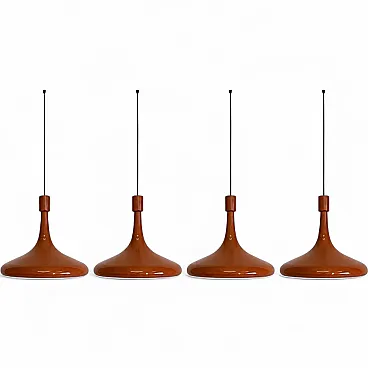
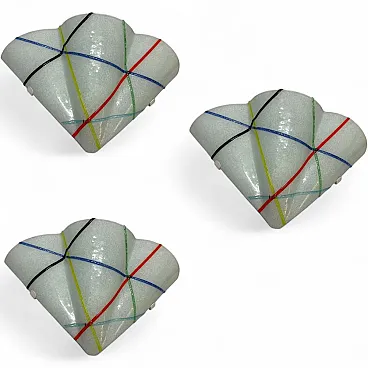
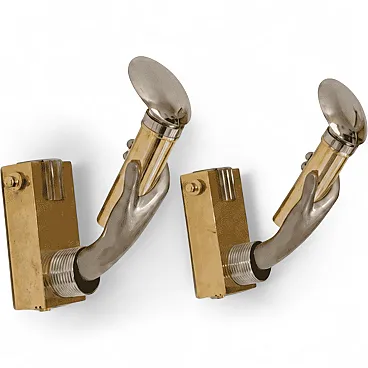
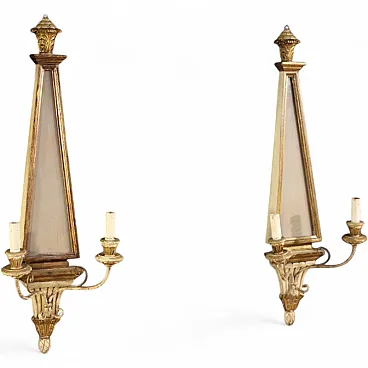
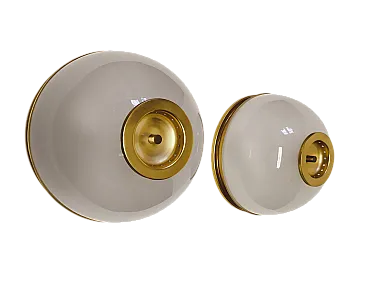
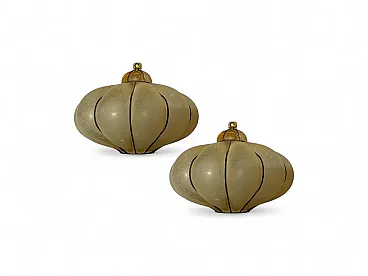
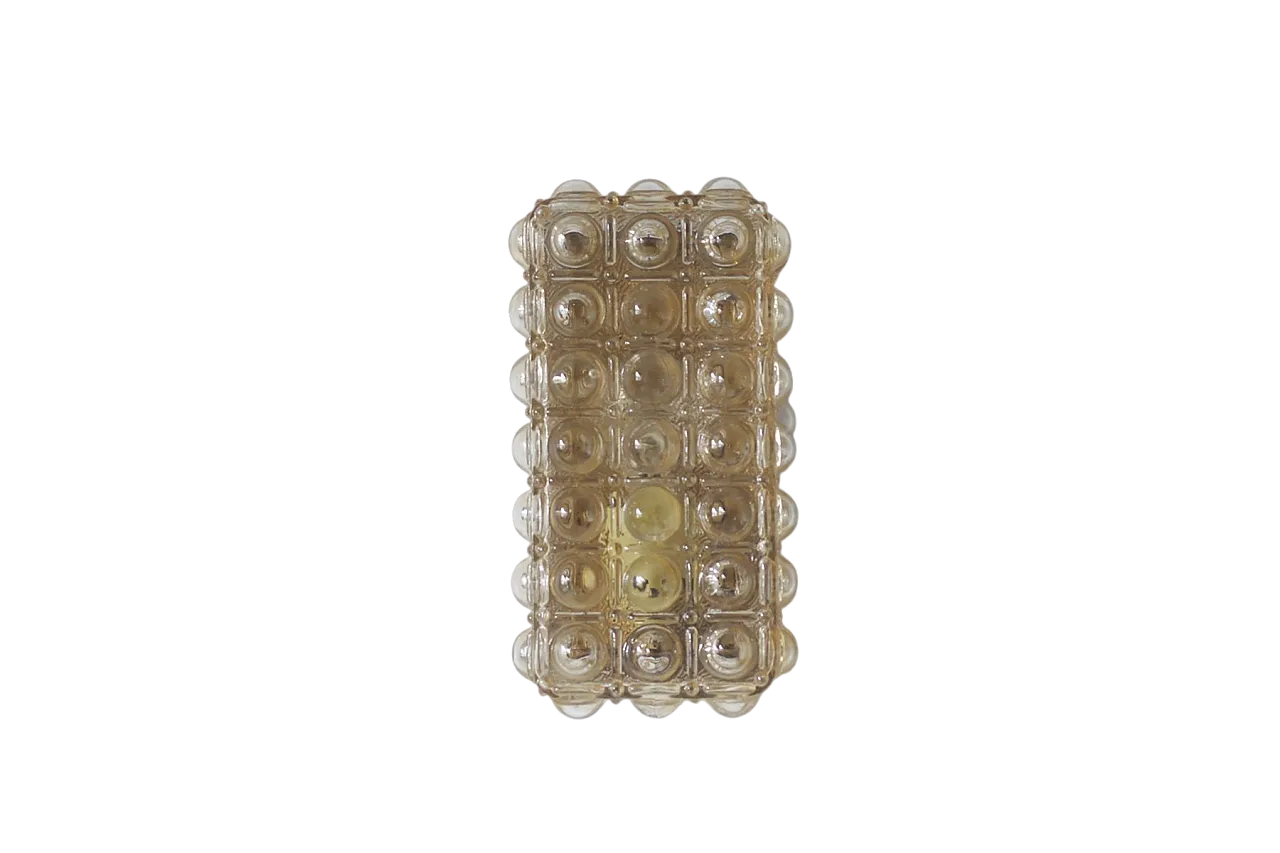
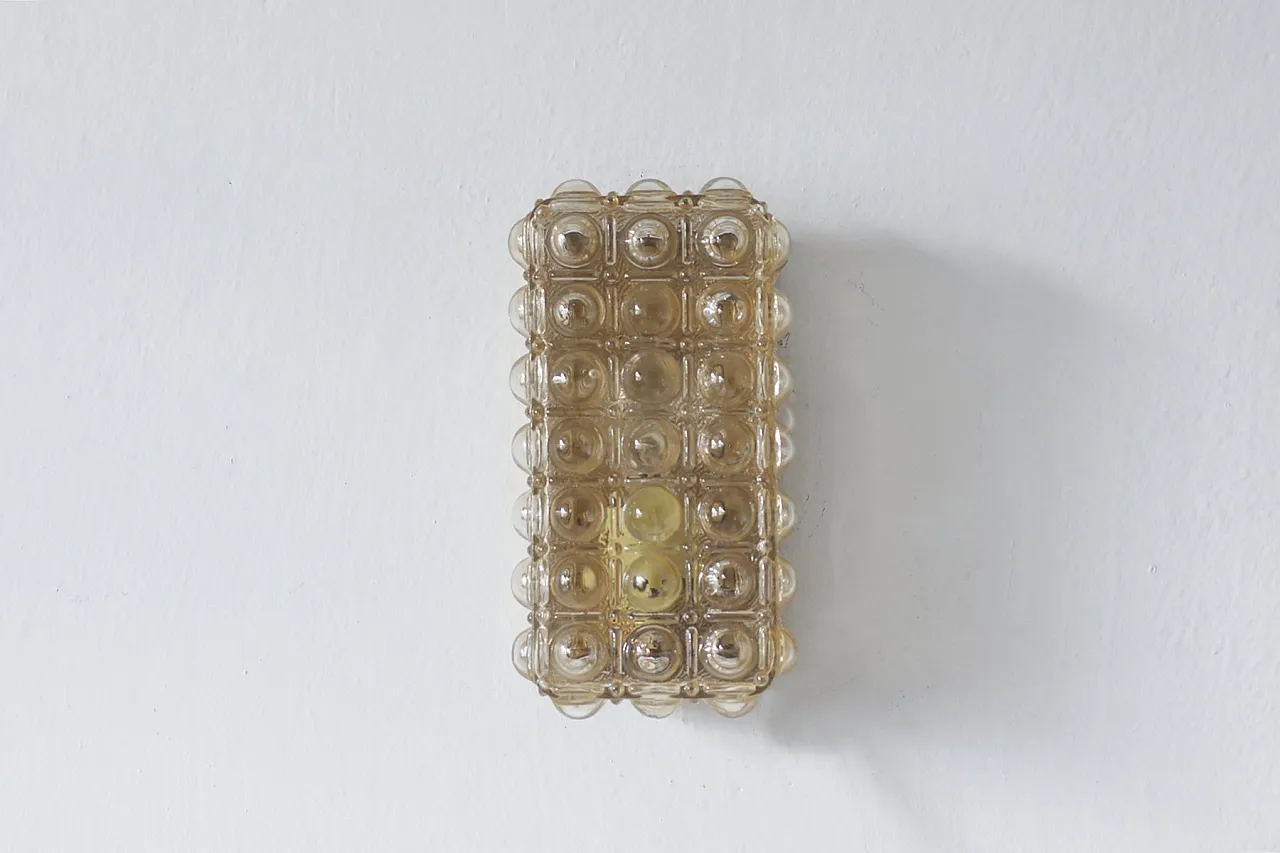
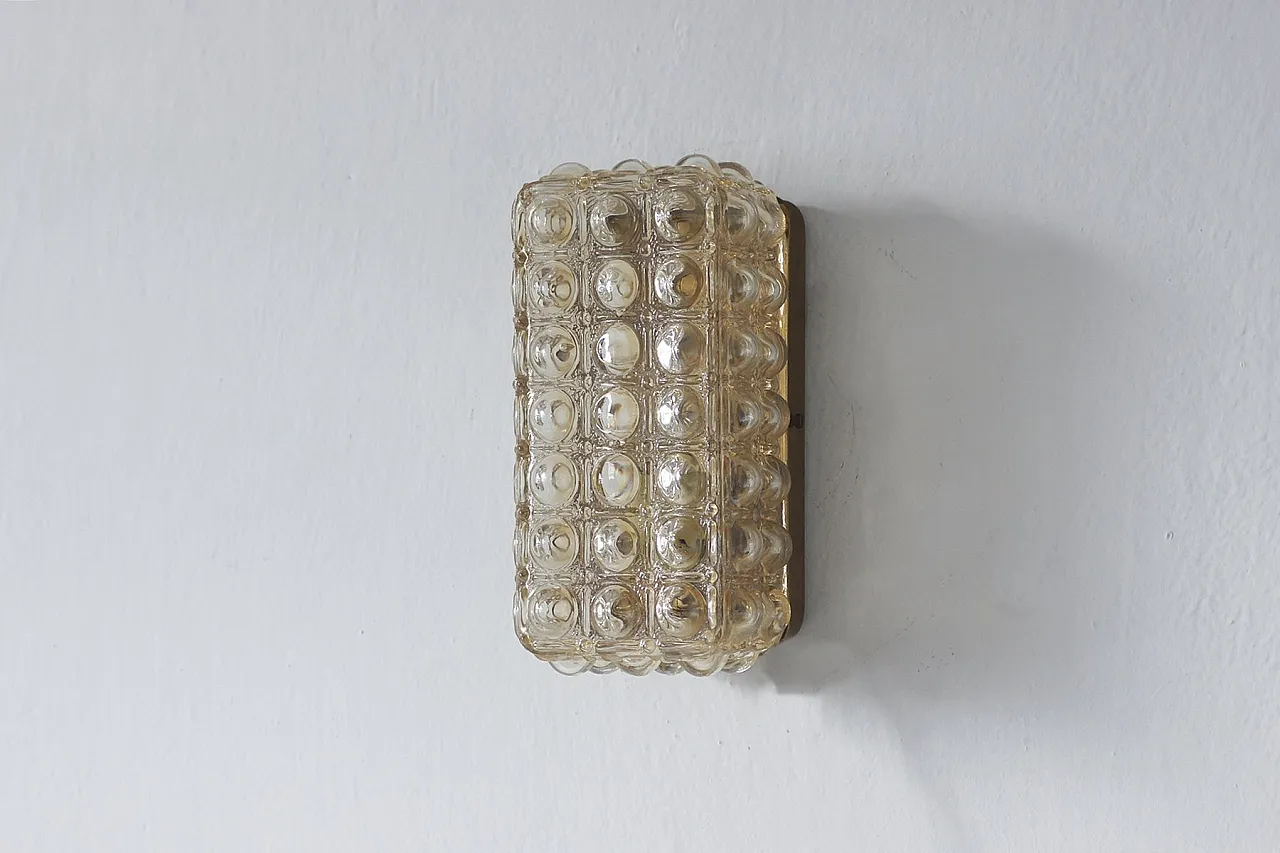
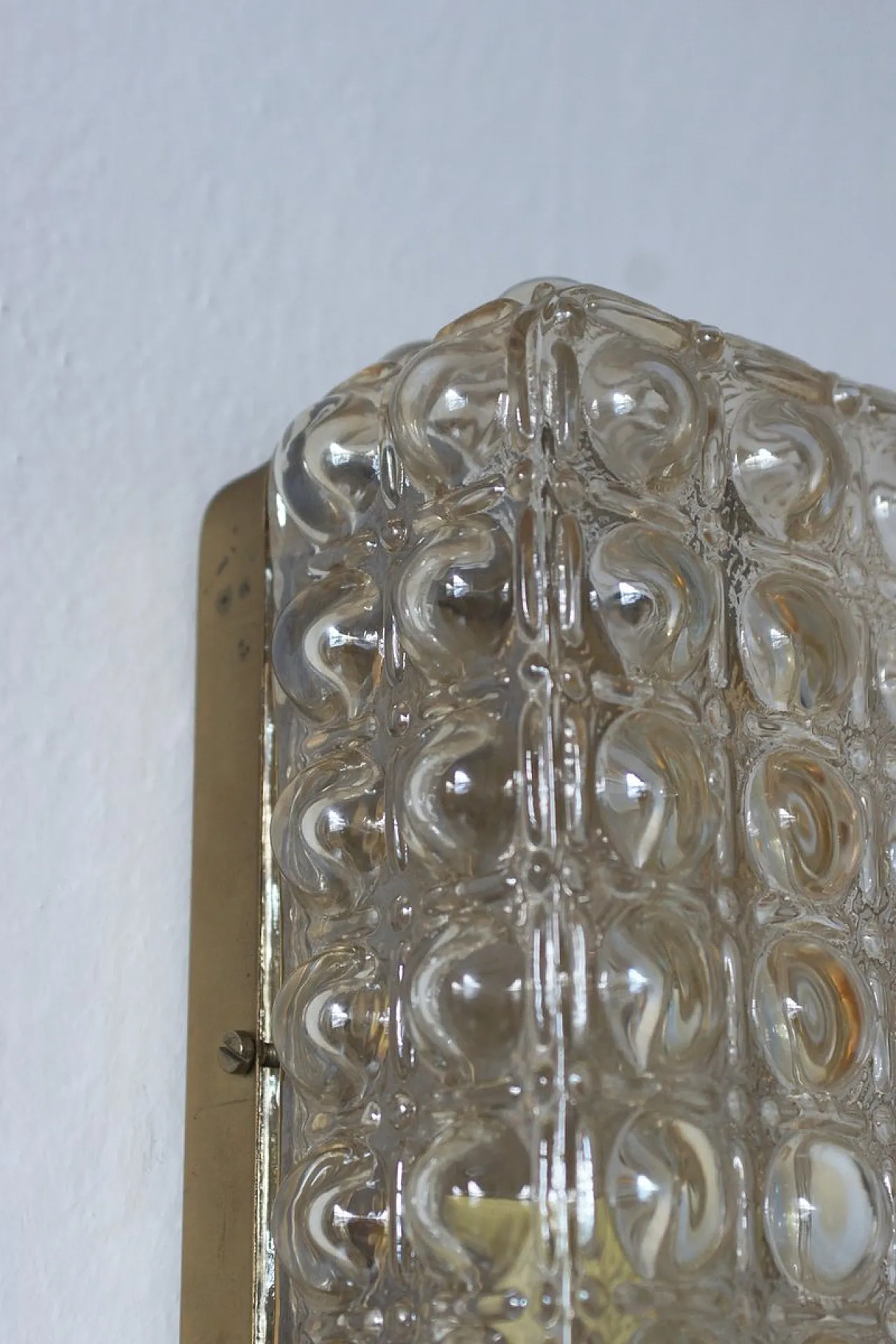
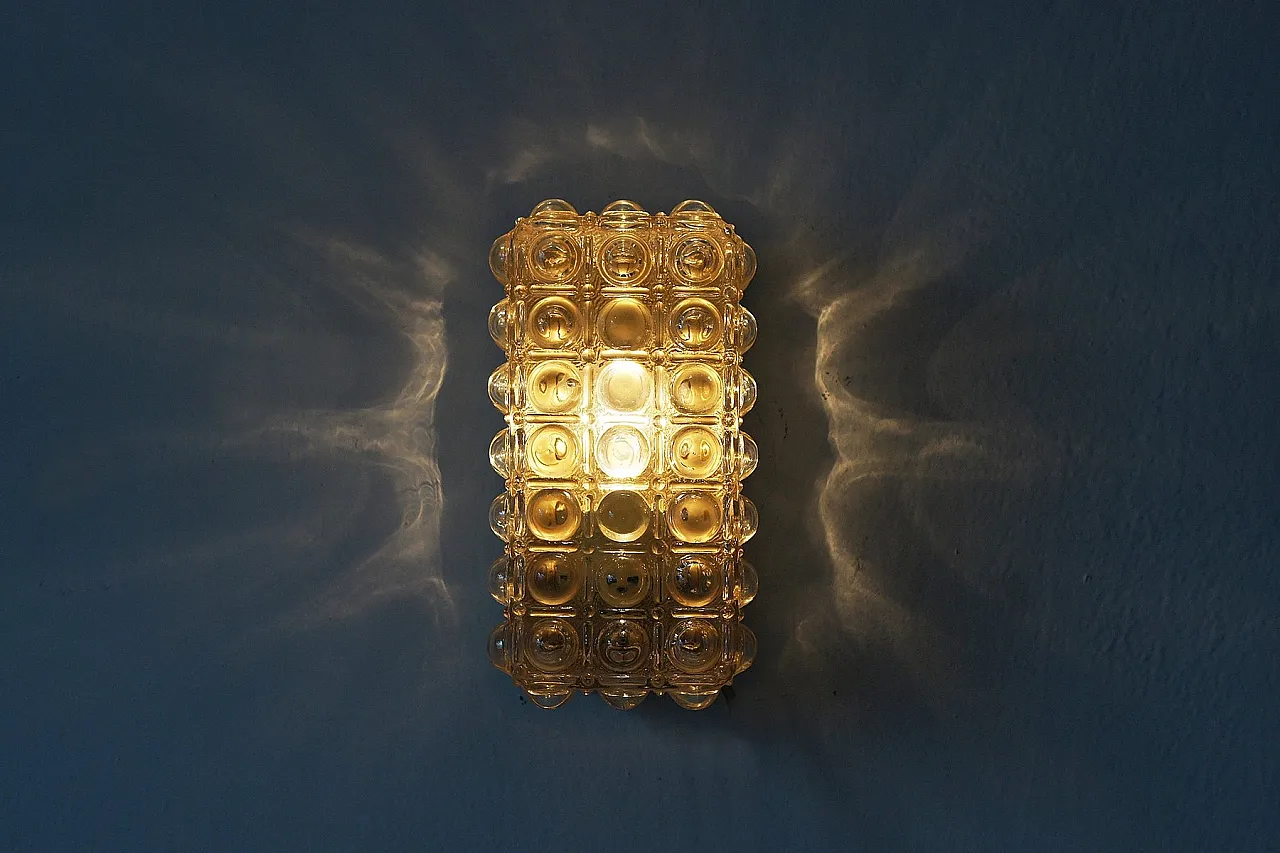
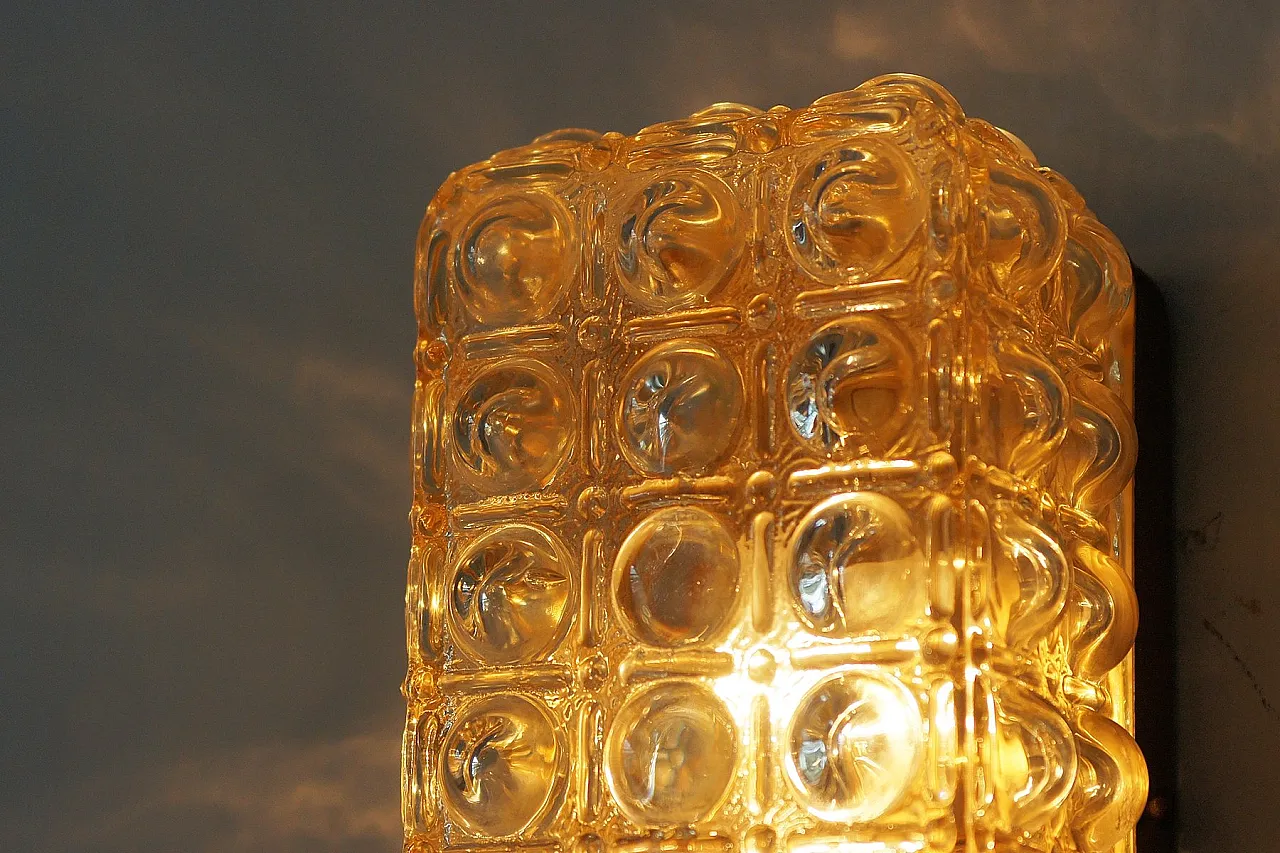
The 1960s plafond with iridescent glass and a motif of geometric bubbles is a vivid example of decorative lighting of the modernism era, in which functional form is combined with original aesthetics of material and light. These types of ceiling fixtures were popular in Central Europe, fitting into the trend of functional design with a decorative expression. Iridescence is a thin layer of metal oxides that gives the glass a pearly sheen - iridescent in shades of pink, gold, blue depending on the angle of the light. The motif of “bubbles” is a regular, geometric pattern of convex spherical forms (resembling bubbles ) repeating over the entire surface of the glass. The glass embossing not only decorates, but also diffuses the light, creating an interesting play of reflections on the ceiling and walls. The 1960s plafond with iridescent glass and a motif of geometric “bubbles” is a classic of modern lighting of the modernist era - combining practicality with artistic expression. Its three-dimensional glass structure and iridescent glow create a light effect that gives interiors softness, depth .


.png)

 SILVER Seller in Powiat Warszawa, Poland