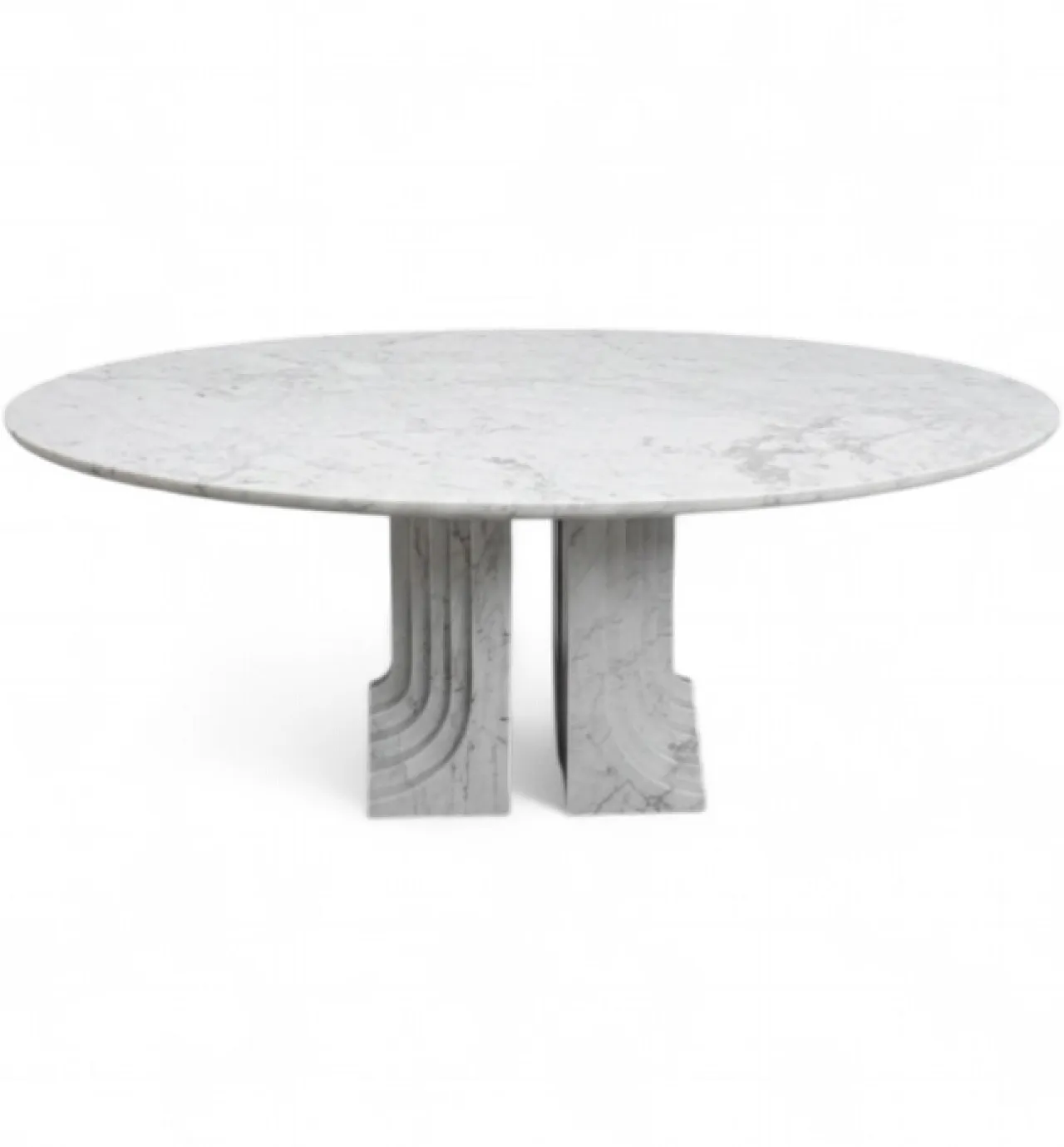
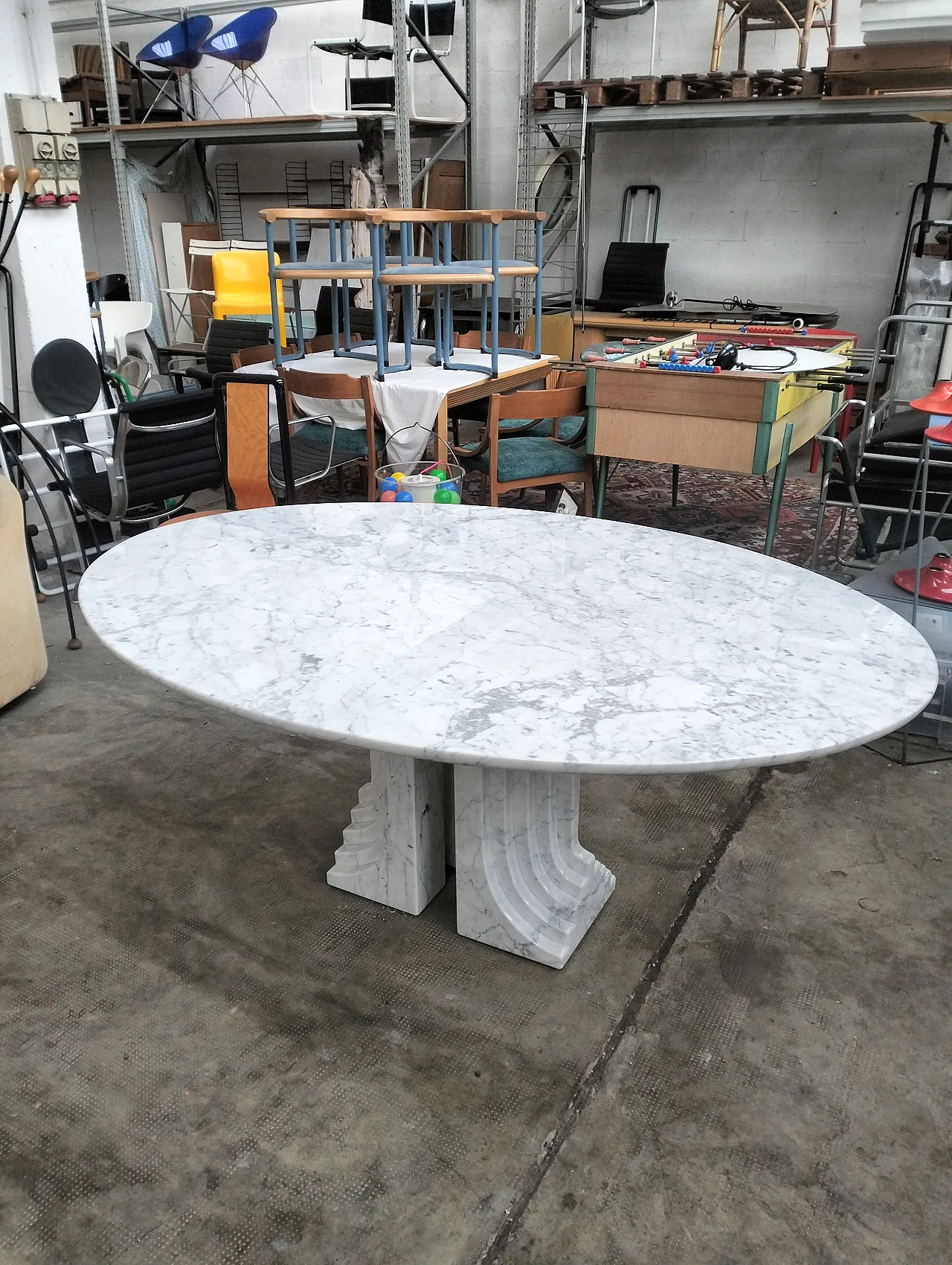
The Samo table is one of the most interesting and iconic pieces of furniture designed by Carlo Scarpa for the Italian design company Simon (later Simon-Gavina) in the 1970s, with production continuing into the 1980
The table was designed in the early 1970s (around 1970–1973) and produced by Simon, often associated with the Ultrarazionale collection promoted by Dino Gavina.
Although Scarpa died in 1978, examples of the model are also dated to the 1980s, likely reflecting continued production after his death.
Form and Structure:
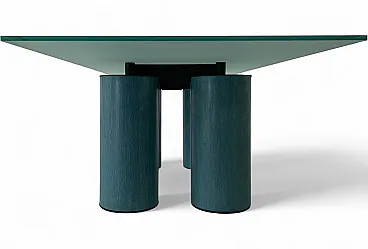
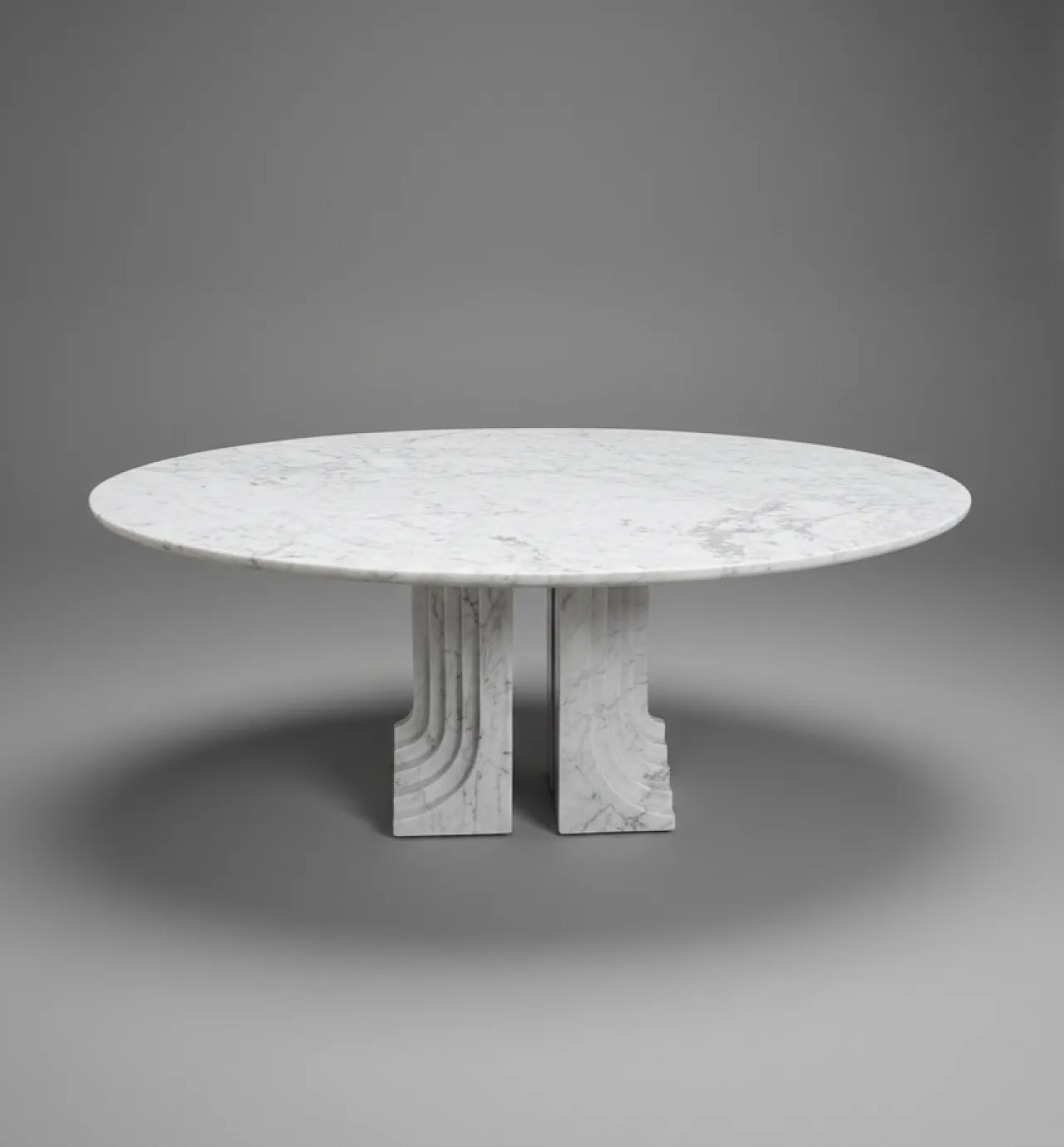
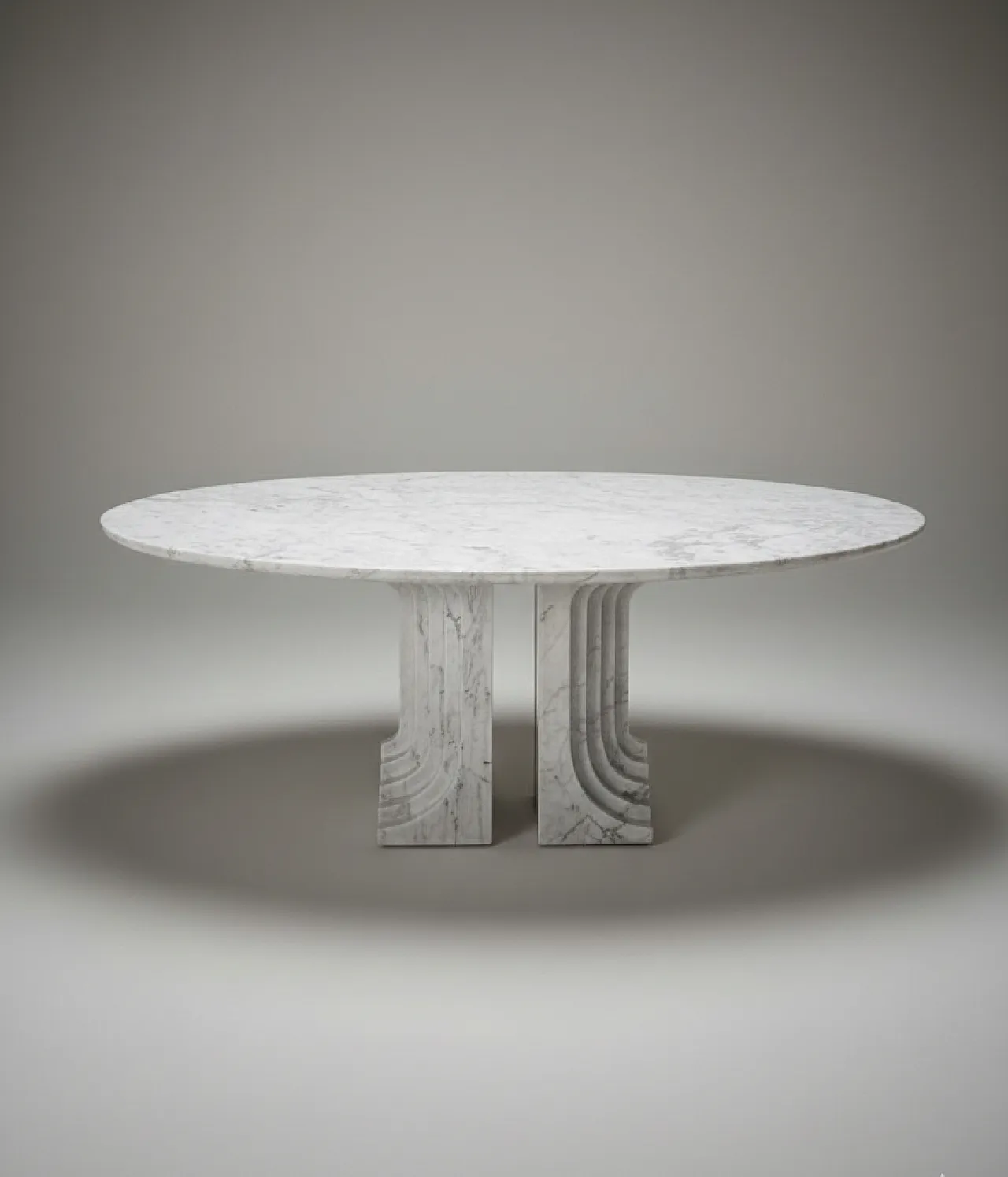
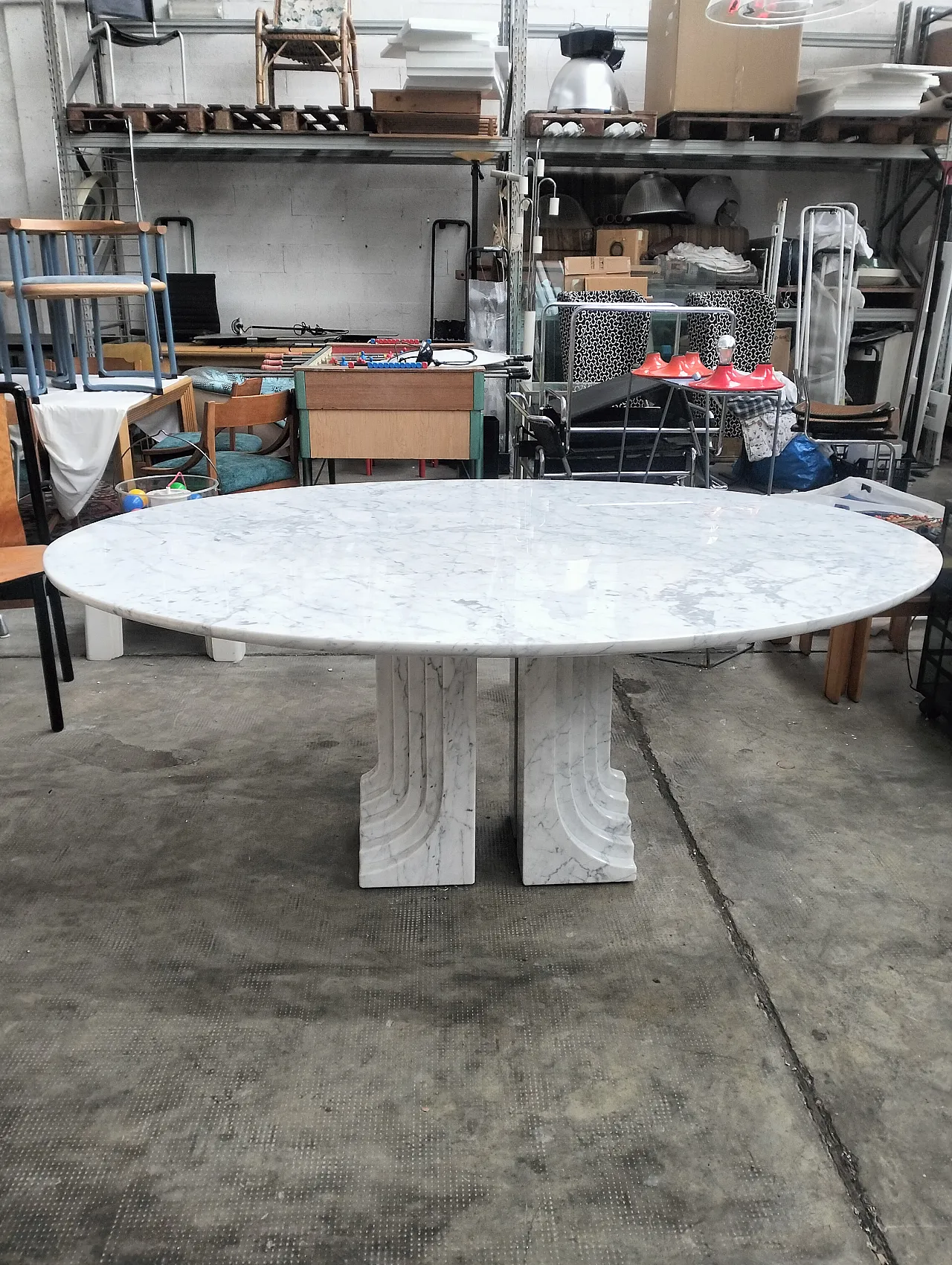
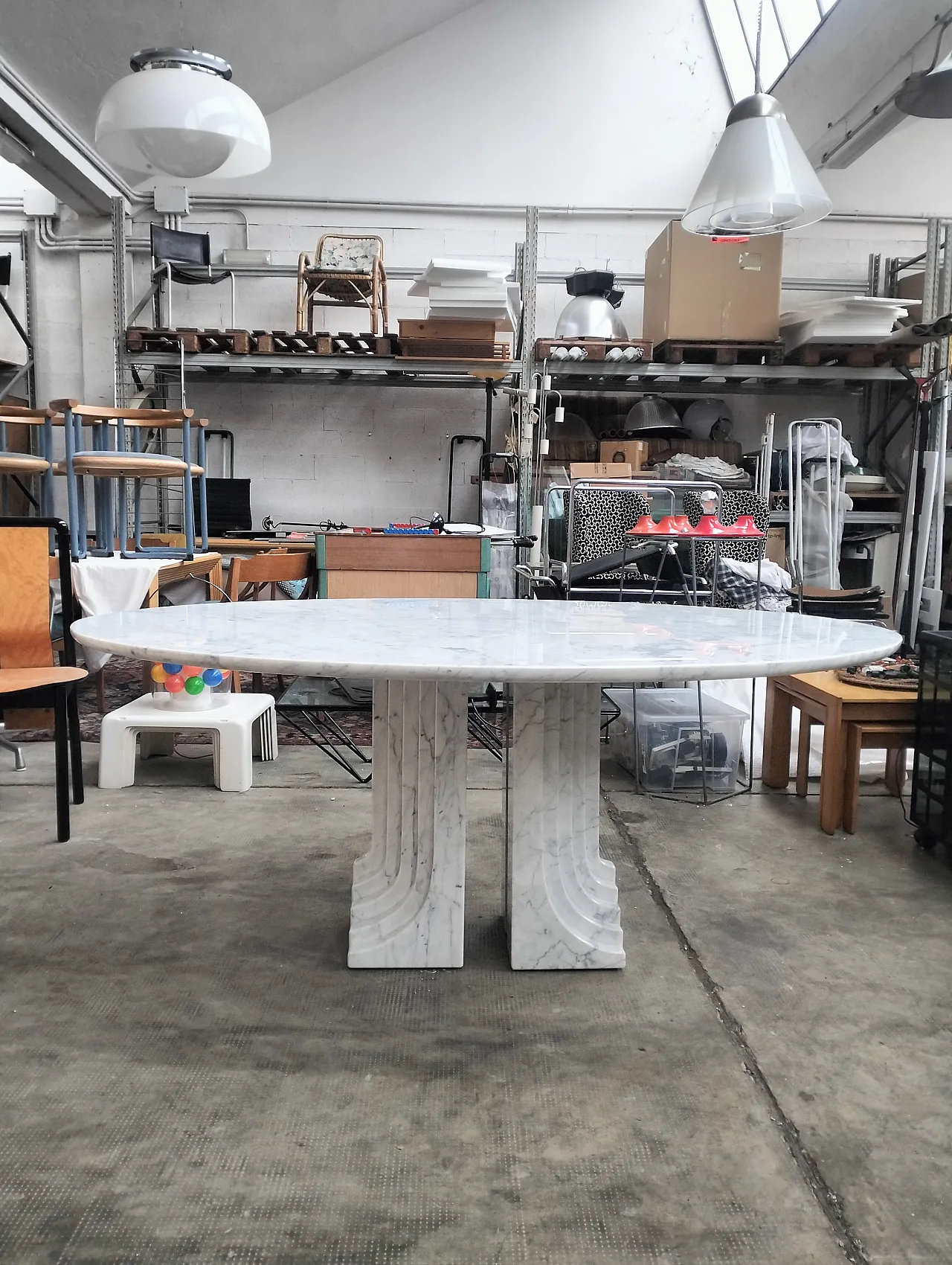
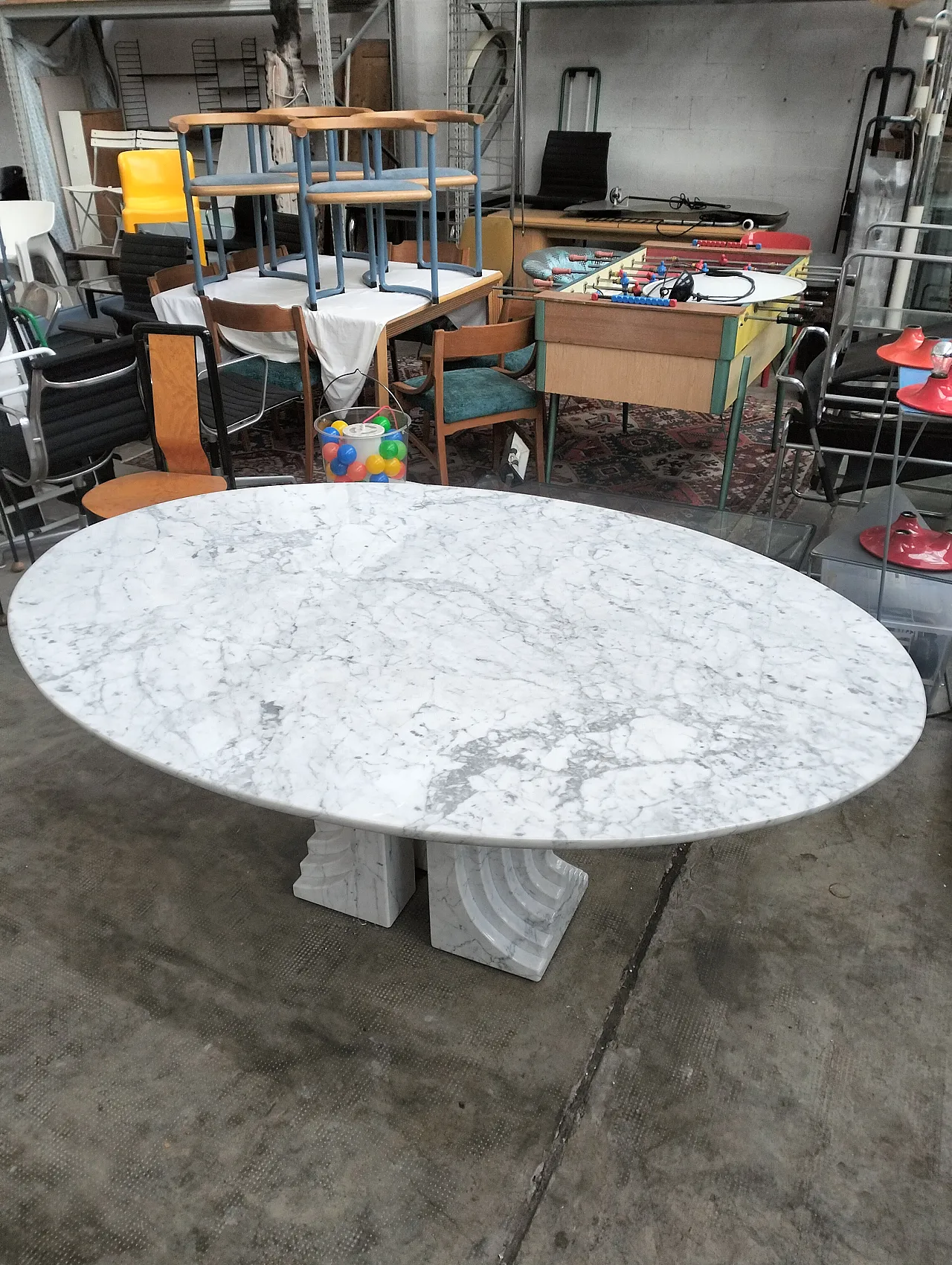
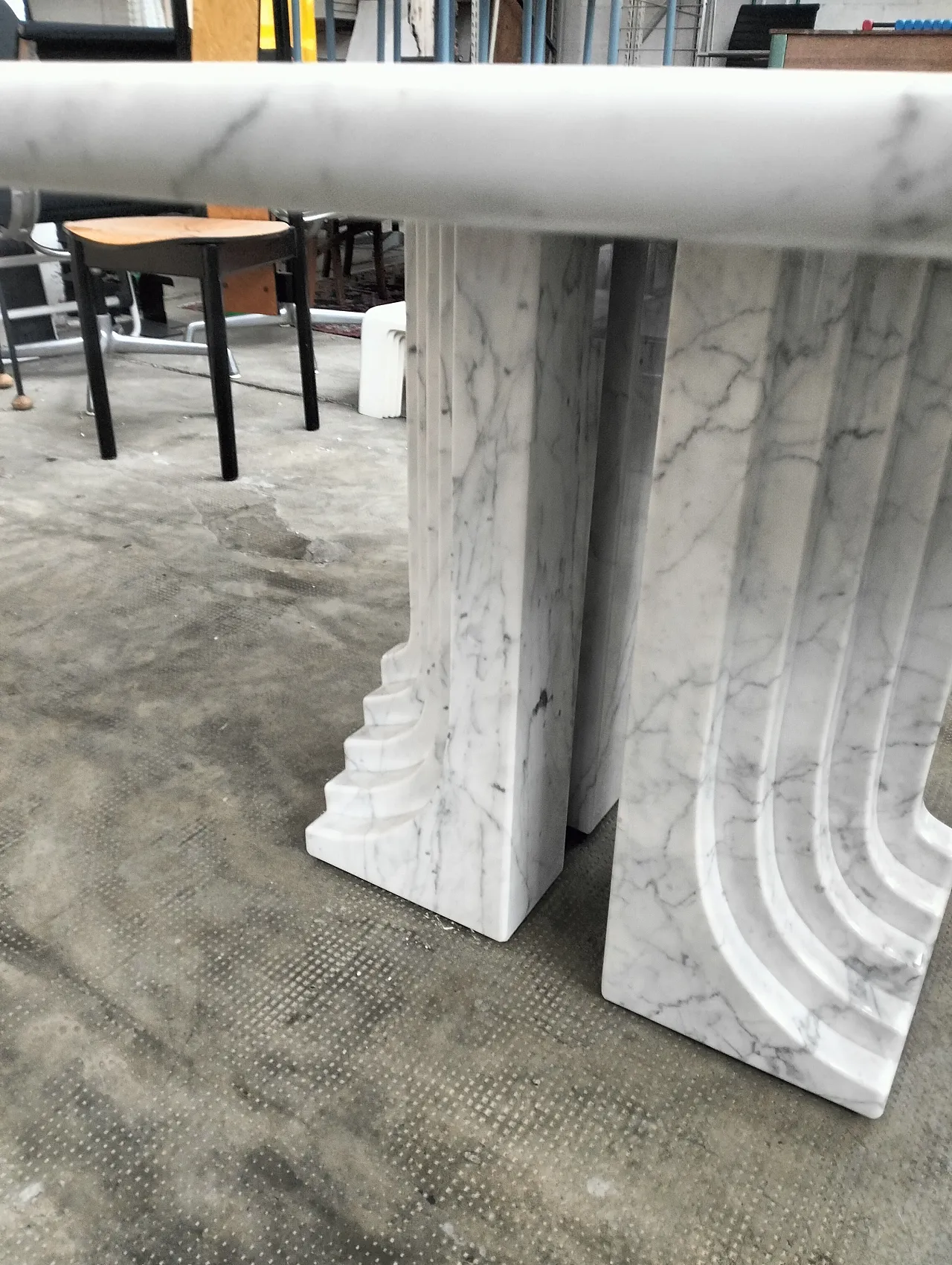
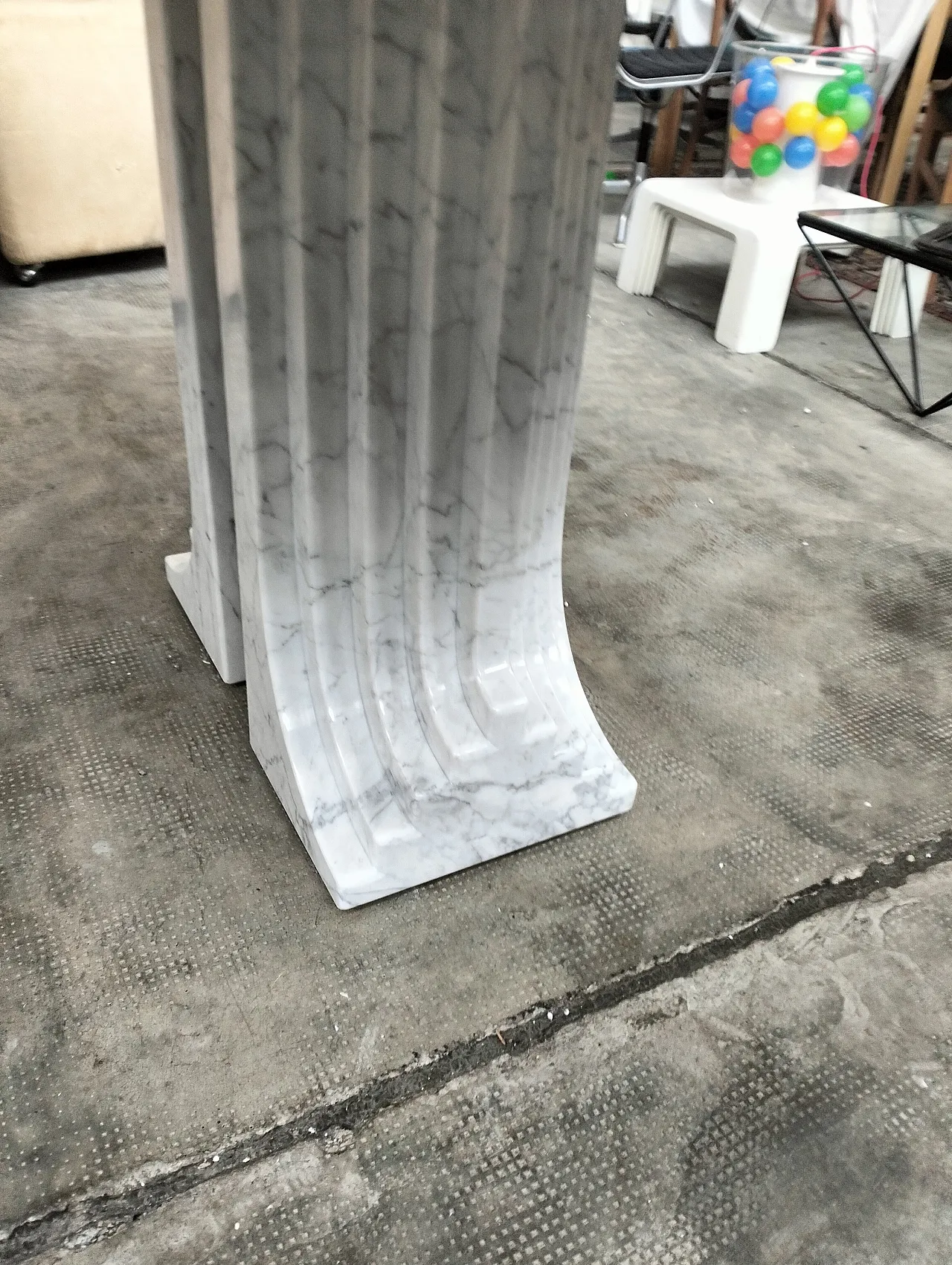
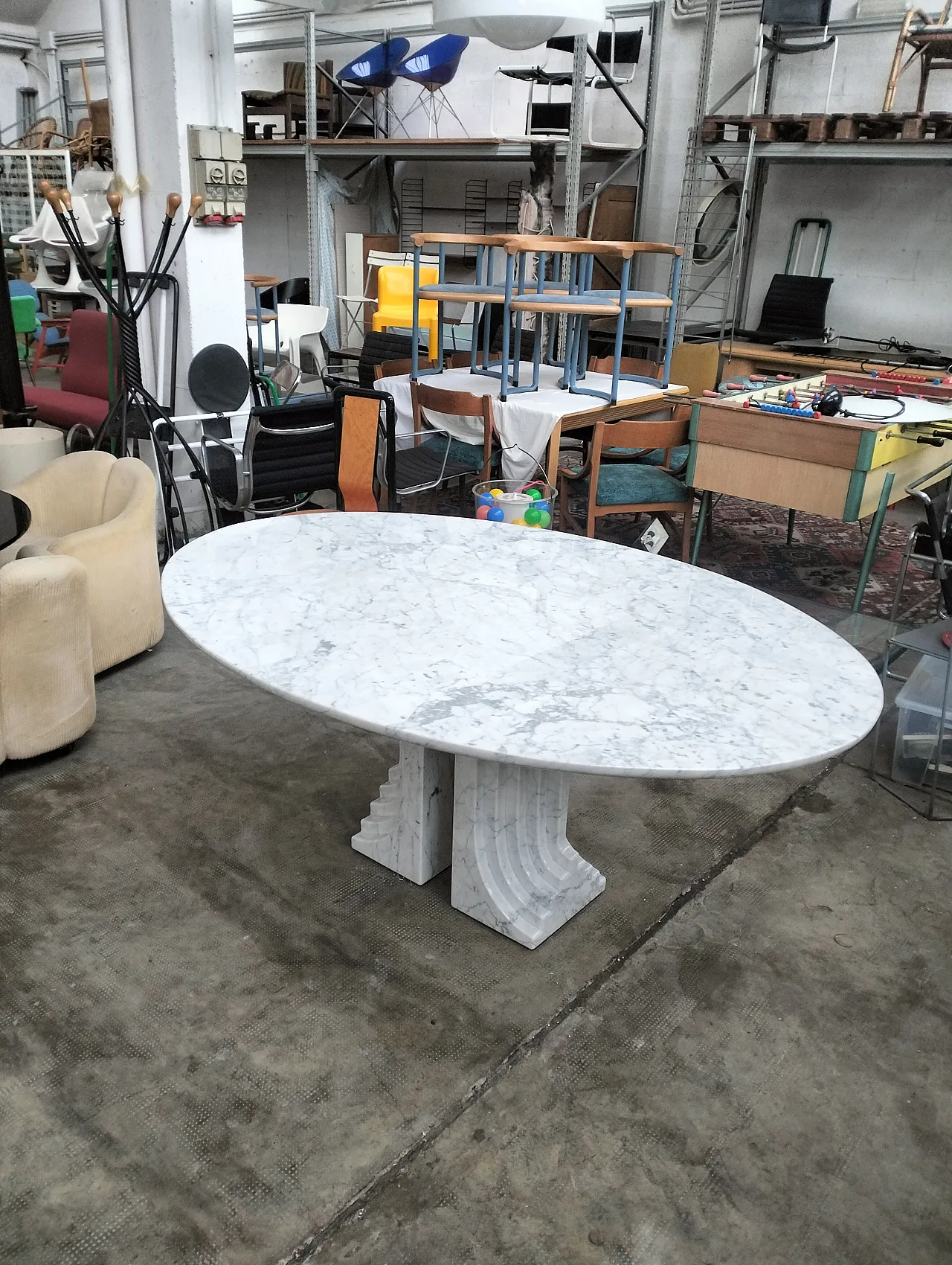
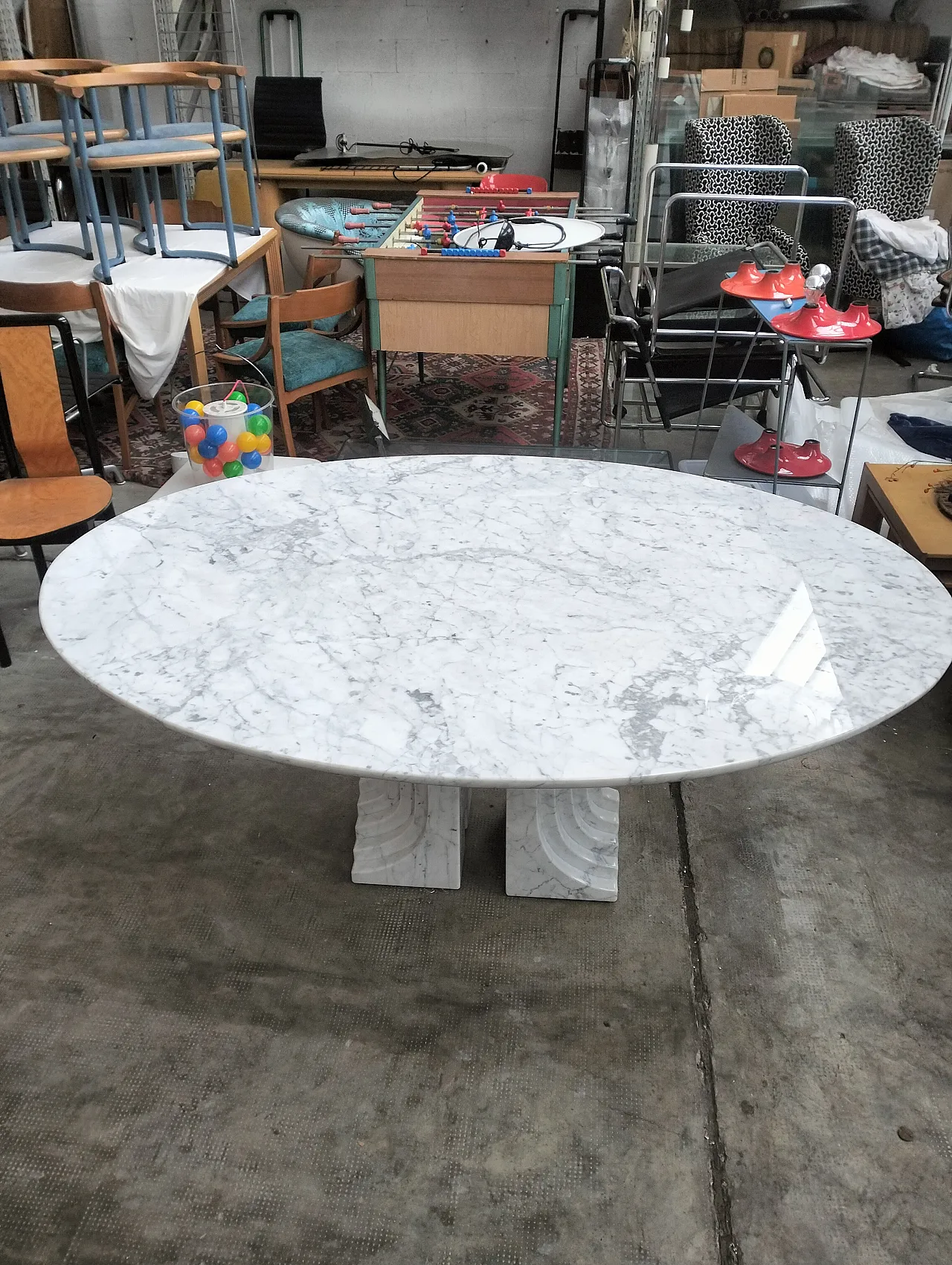
The table features a strongly sculptural oval shape, with a solid marble top that appears to “float” above two massive column-like supports.
Material:
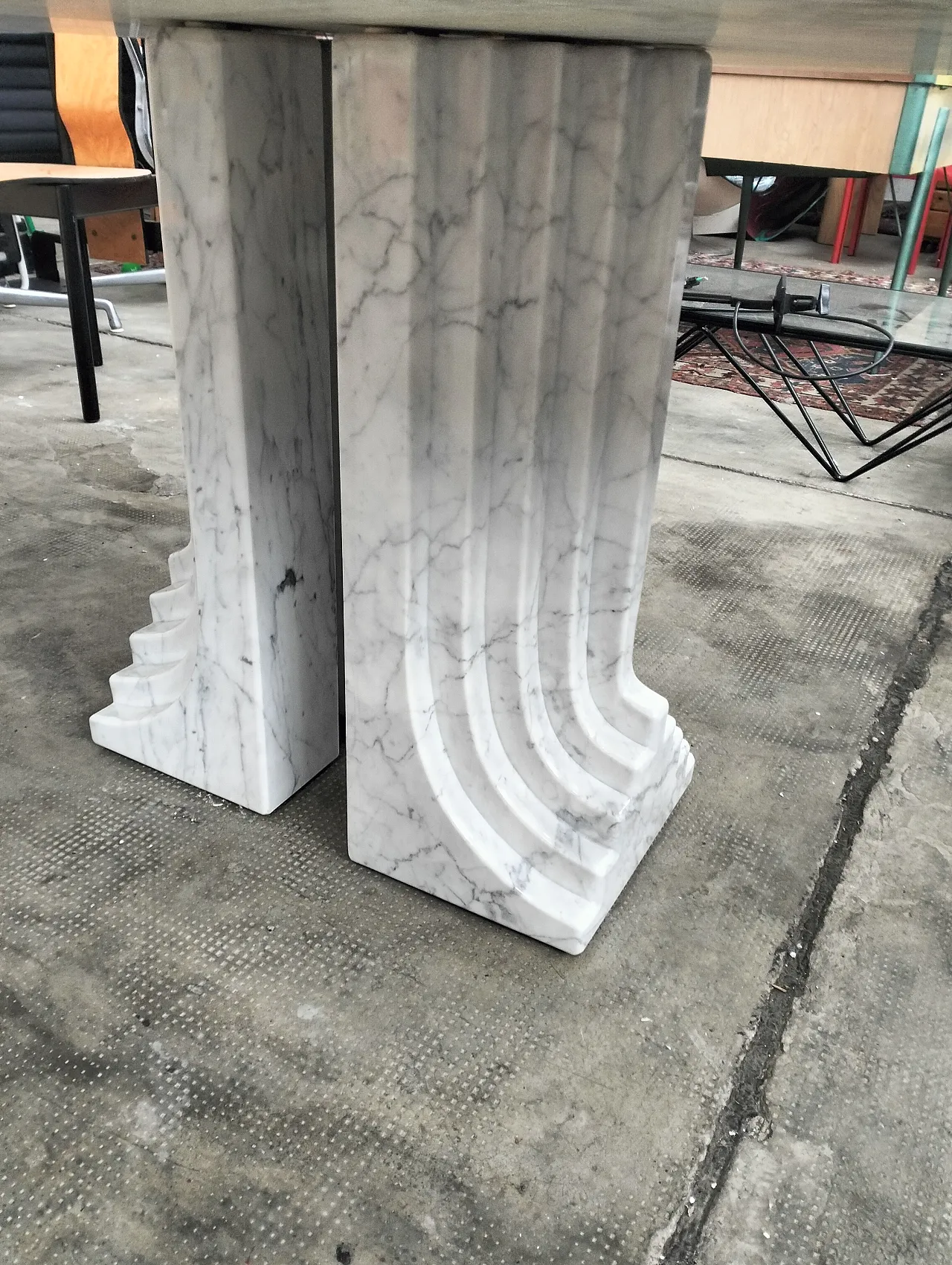
It is best known in white Carrara marble, though some versions were also produced in other types of marble (including Greek marble such as Naxos). The Carrara version, especially with pronounced veining, is particularly sought after by collectors.
Style and Proportions:
The base consists of two layered pillars, sometimes with stepped or grooved detailing, while the top is thick and substantial. This creates a powerful contrast between the visual lightness of the floating surface and the solidity of the base — a recurring theme in Scarpa’s architectural language, where classical references are reinterpreted in a modern key.
Scarpa consistently treated furniture as a form of architecture in miniature. The Samo table translates his architectural philosophy into a functional object: it is not merely a dining table, but almost a reinterpreted architectural capital in marble.
The Ultrarazionale collection, of which the Samo is part, stood in opposition to mass-produced plastic furniture that dominated much of the 1960s and 1970s design scene. Scarpa and Gavina instead emphasized craftsmanship, material authenticity, and the expressive power of natural stone.


.png)
 Venditore SILVER a Padova, Italy