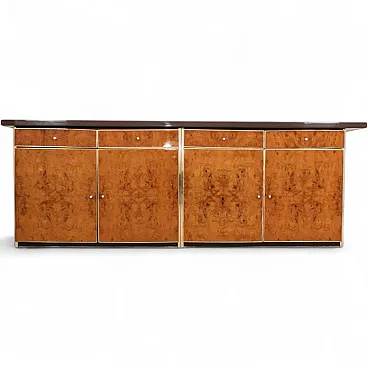
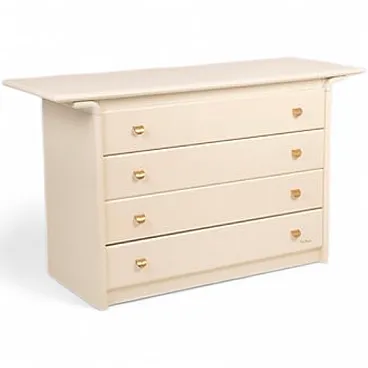
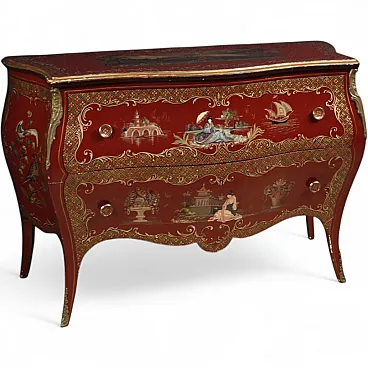
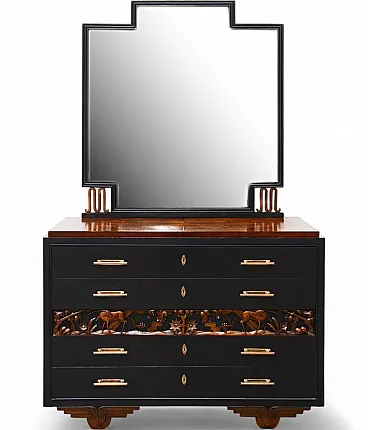
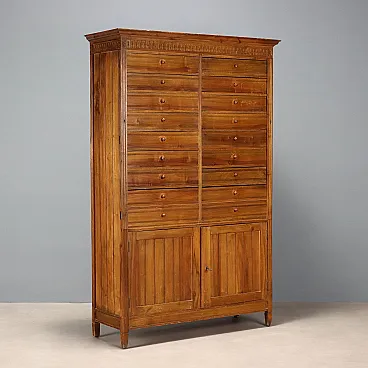
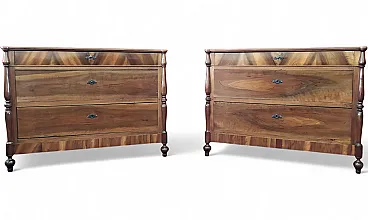
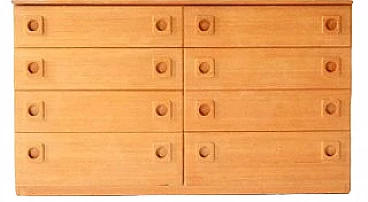
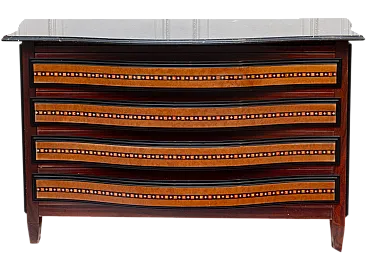
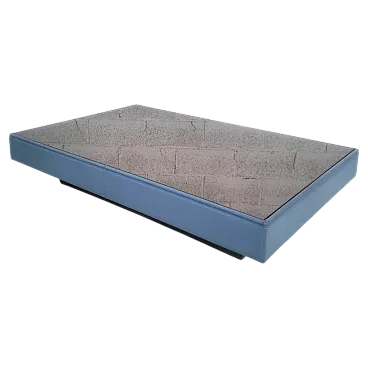
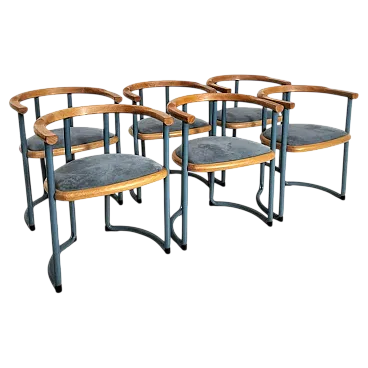
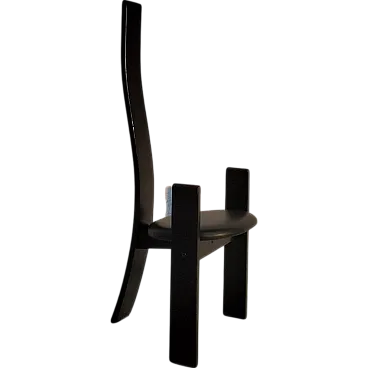
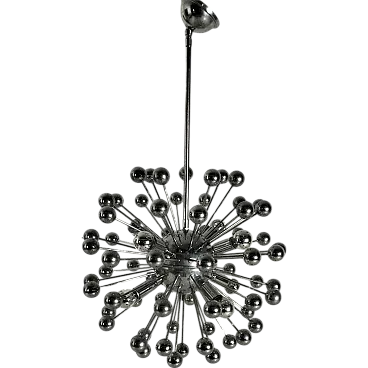
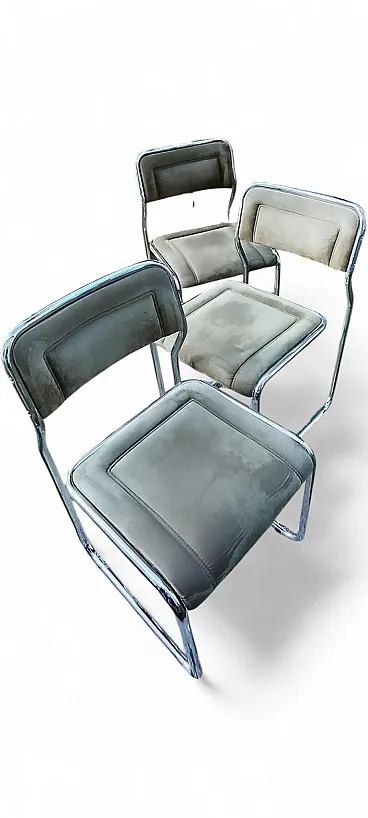
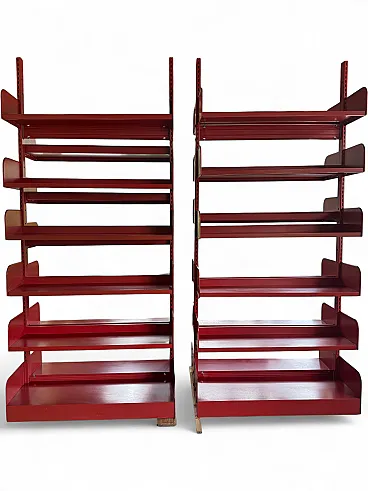
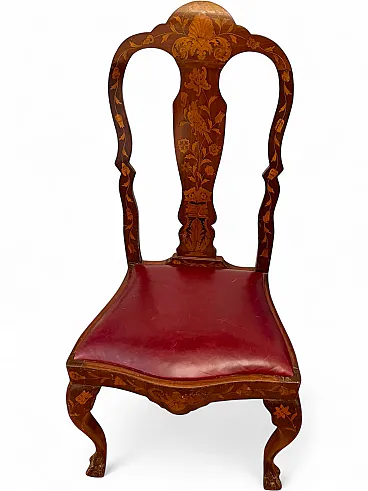
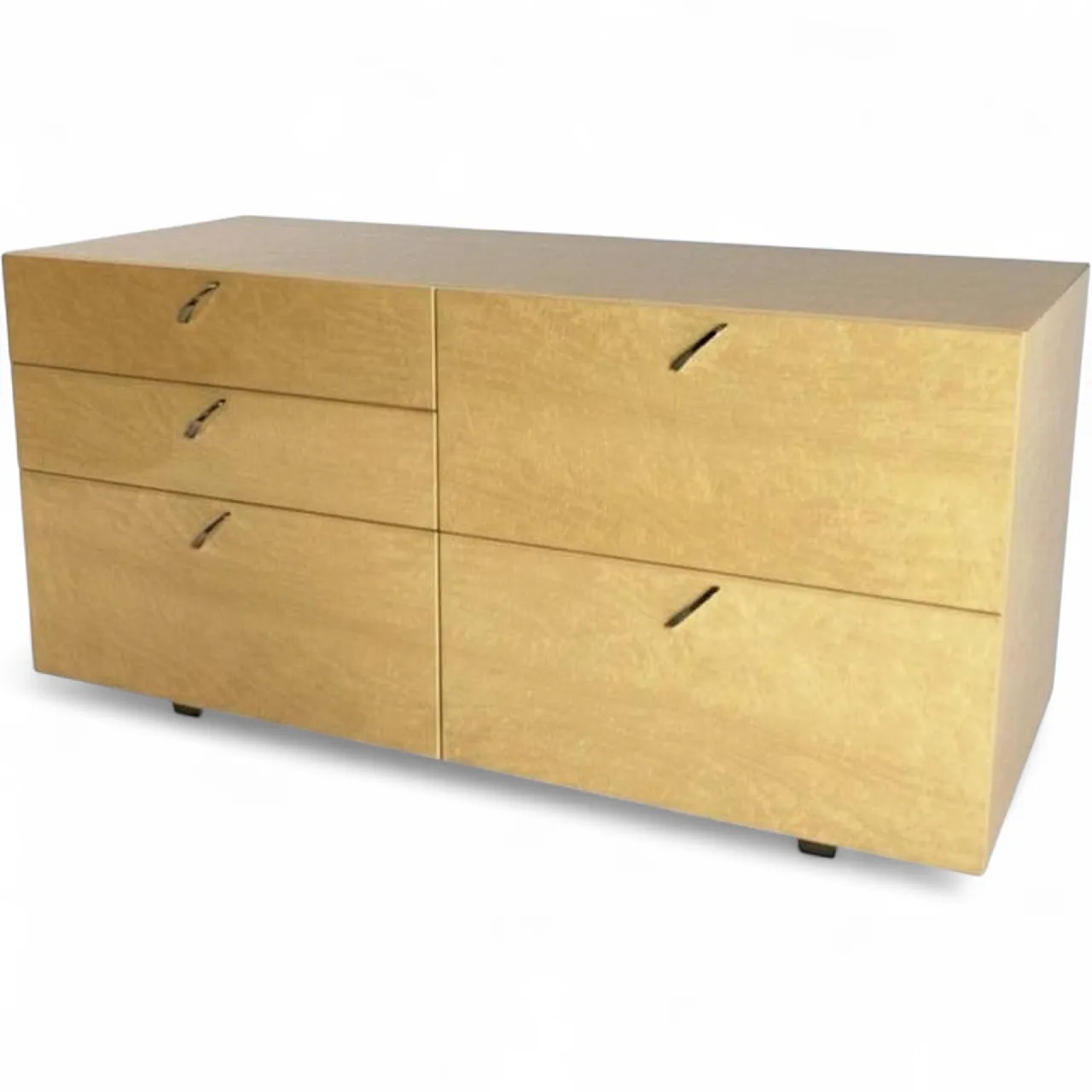
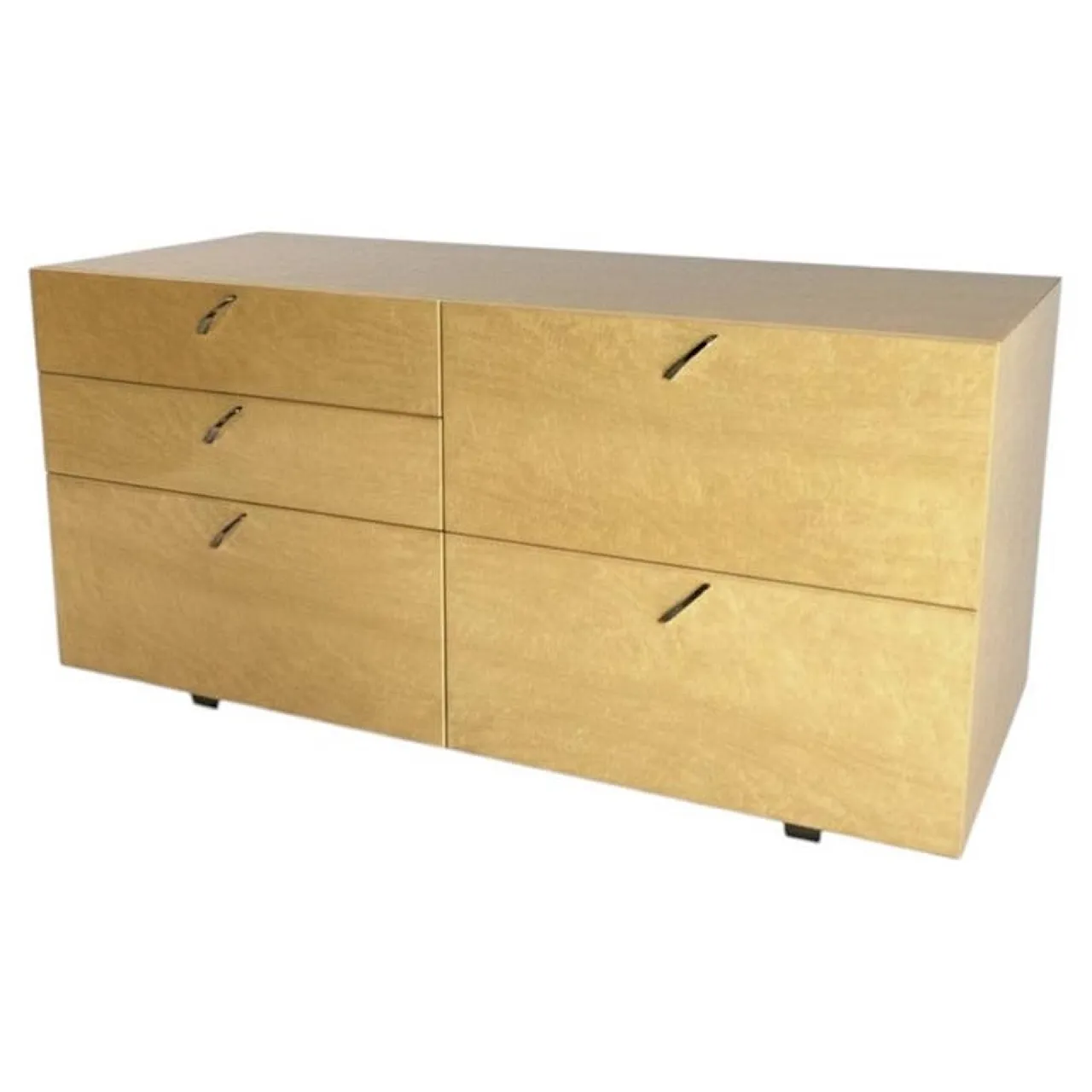
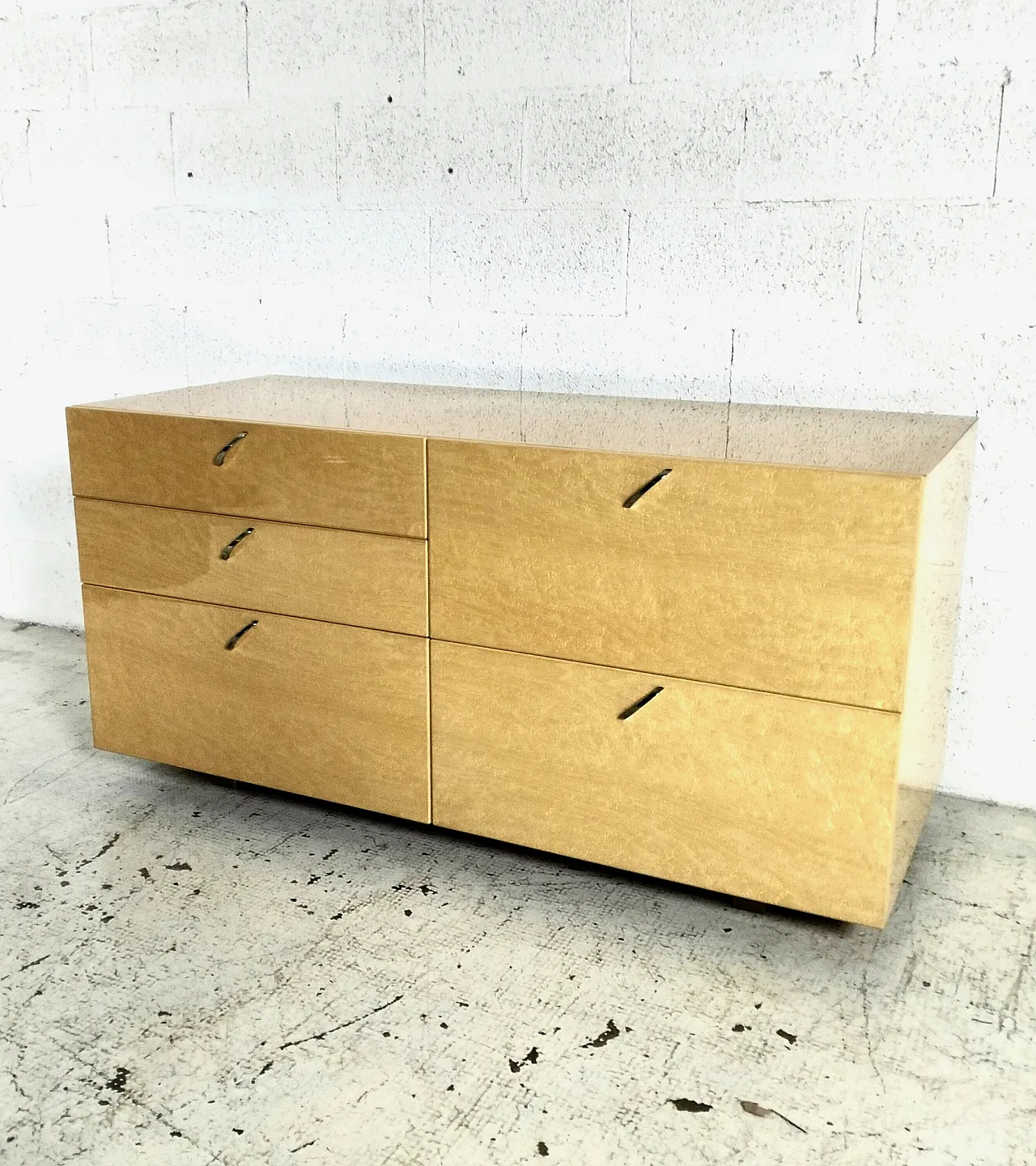
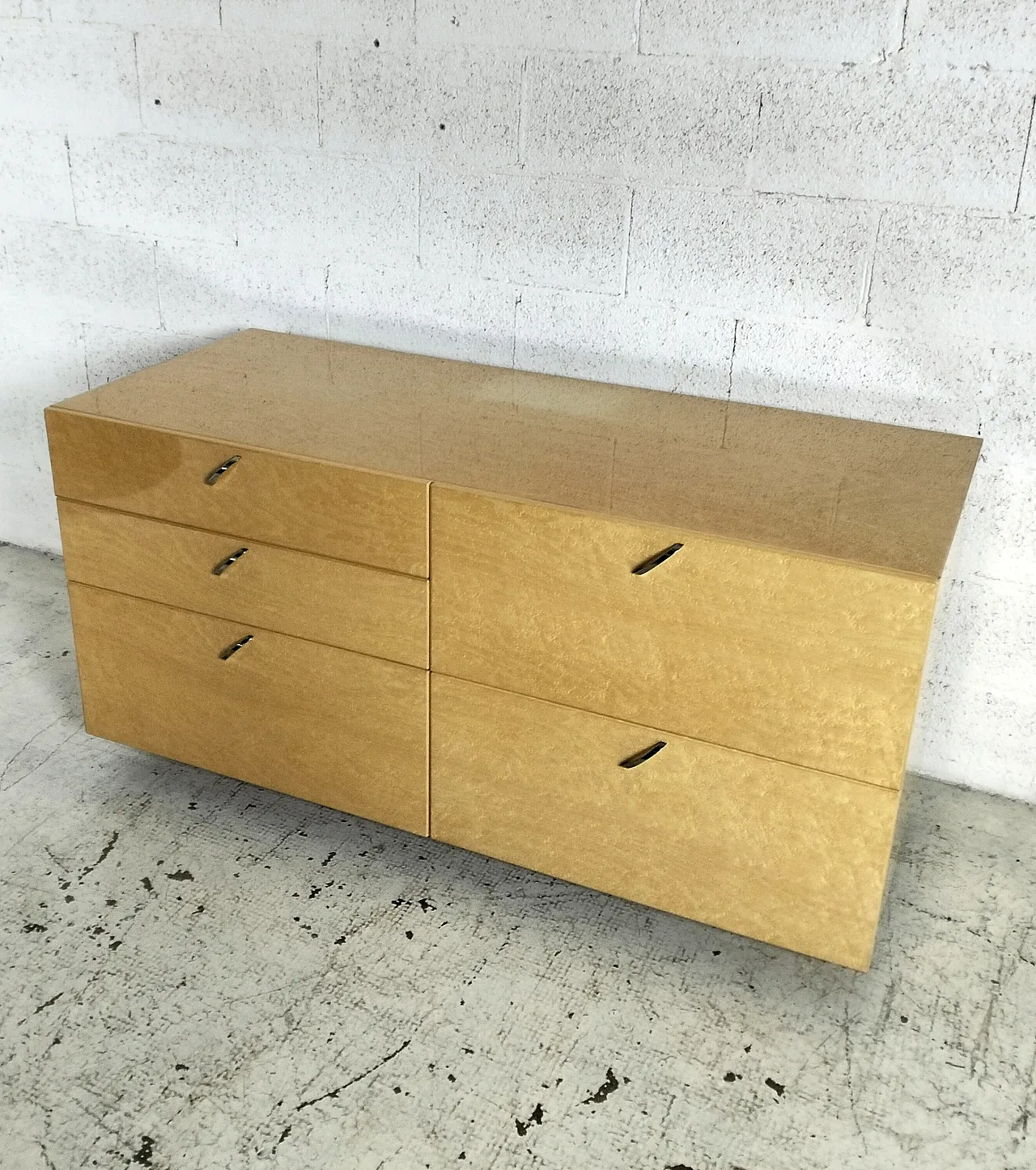
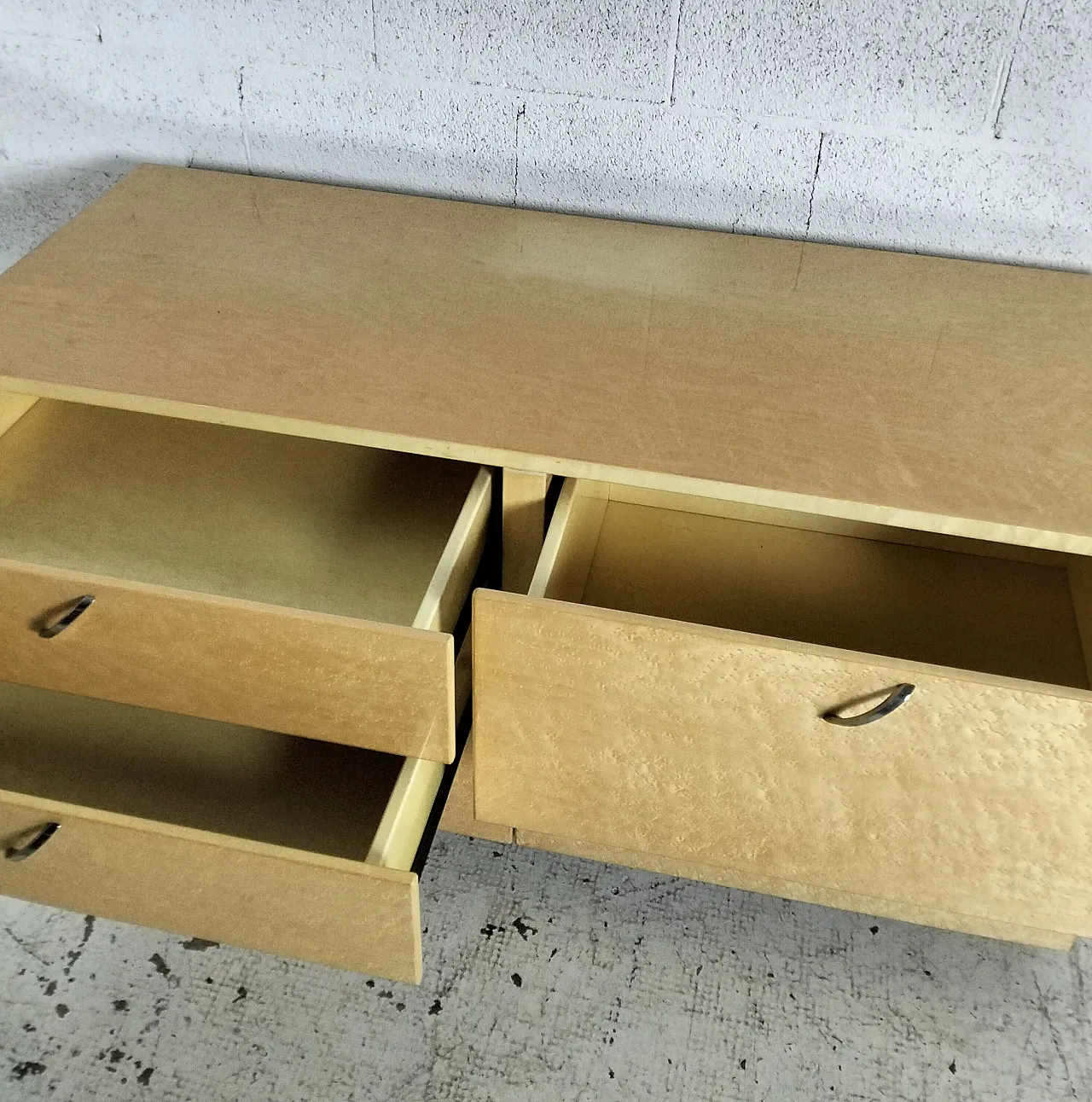
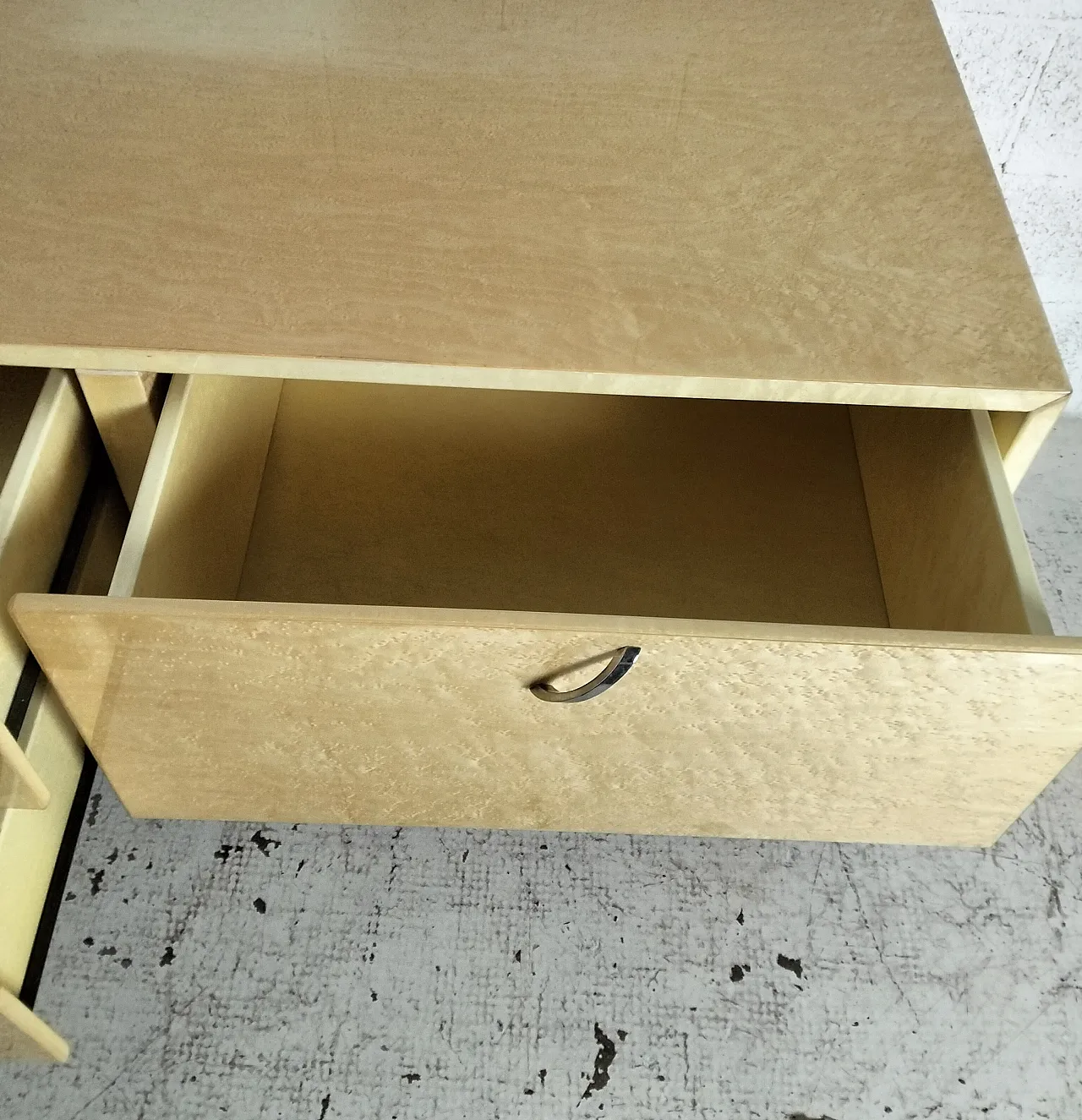
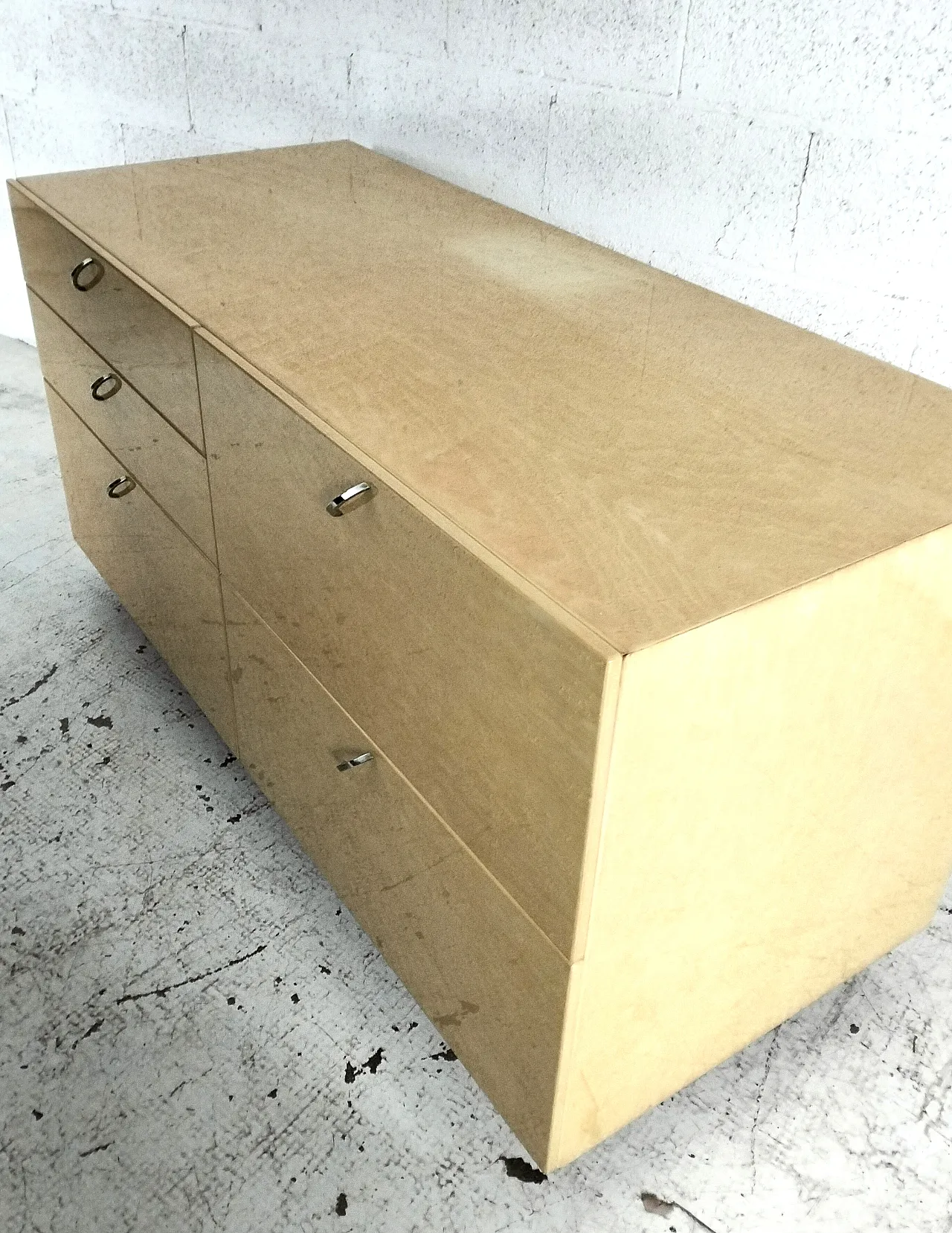
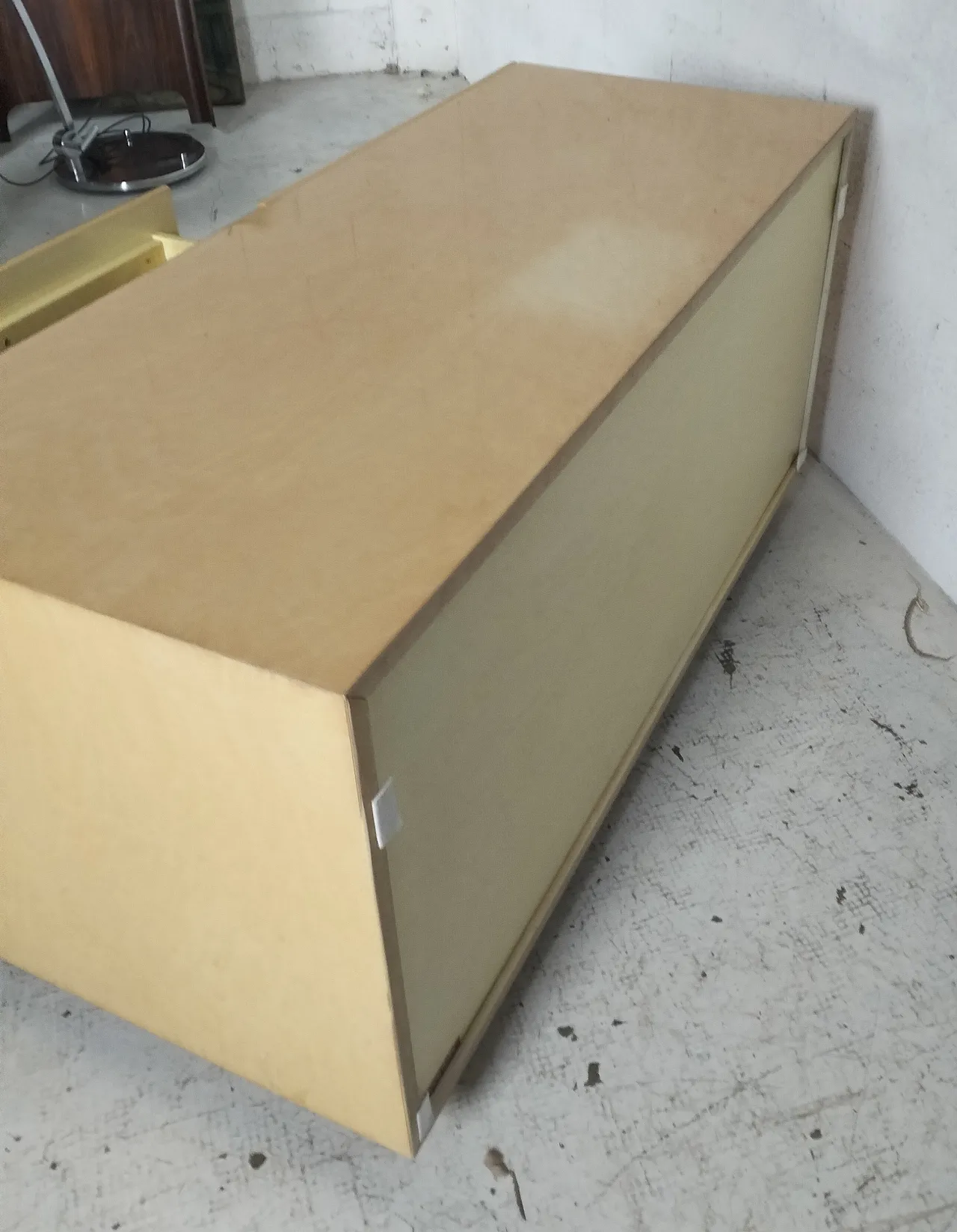
CONDITION: Very good with small, inevitable signs of age and use.
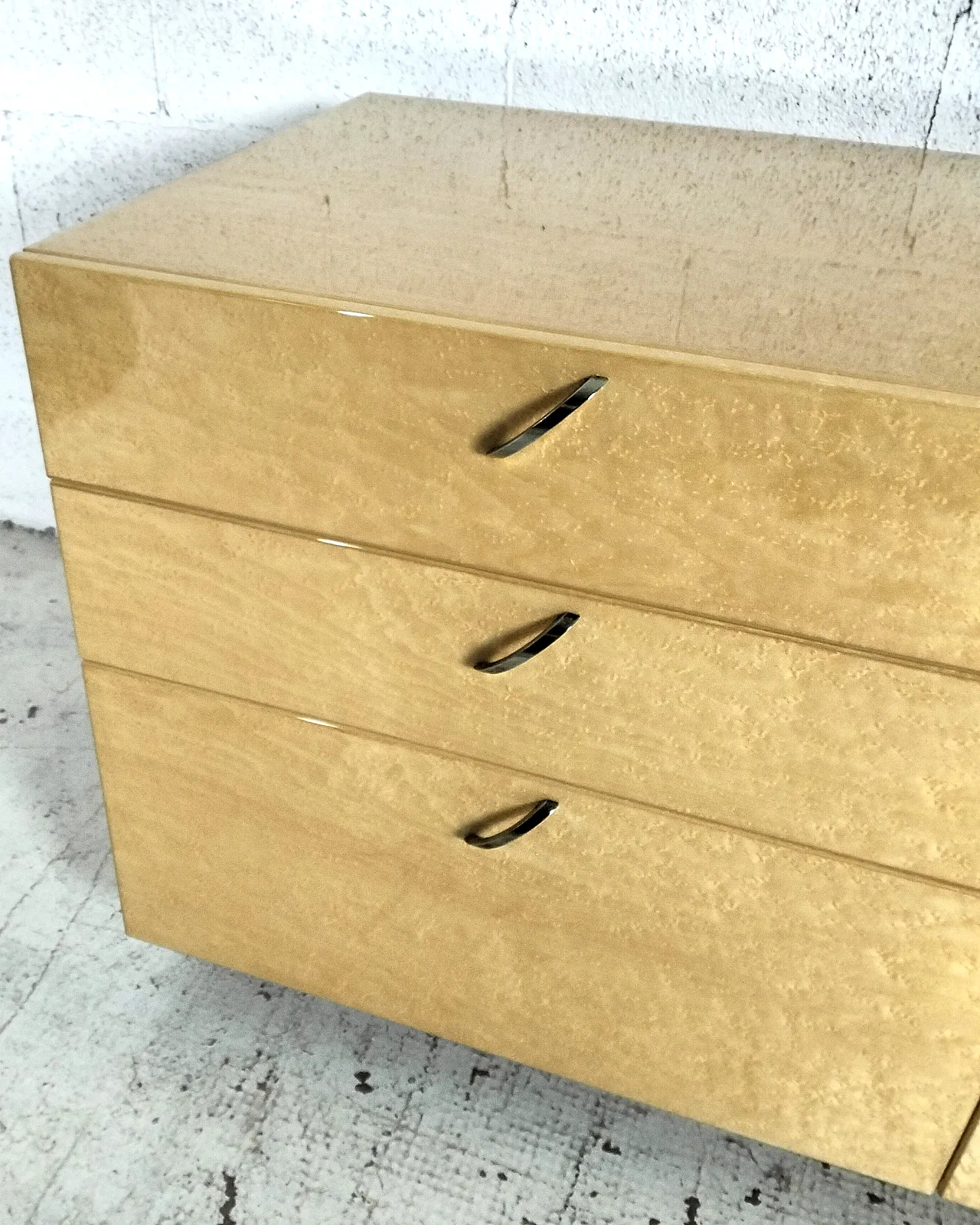
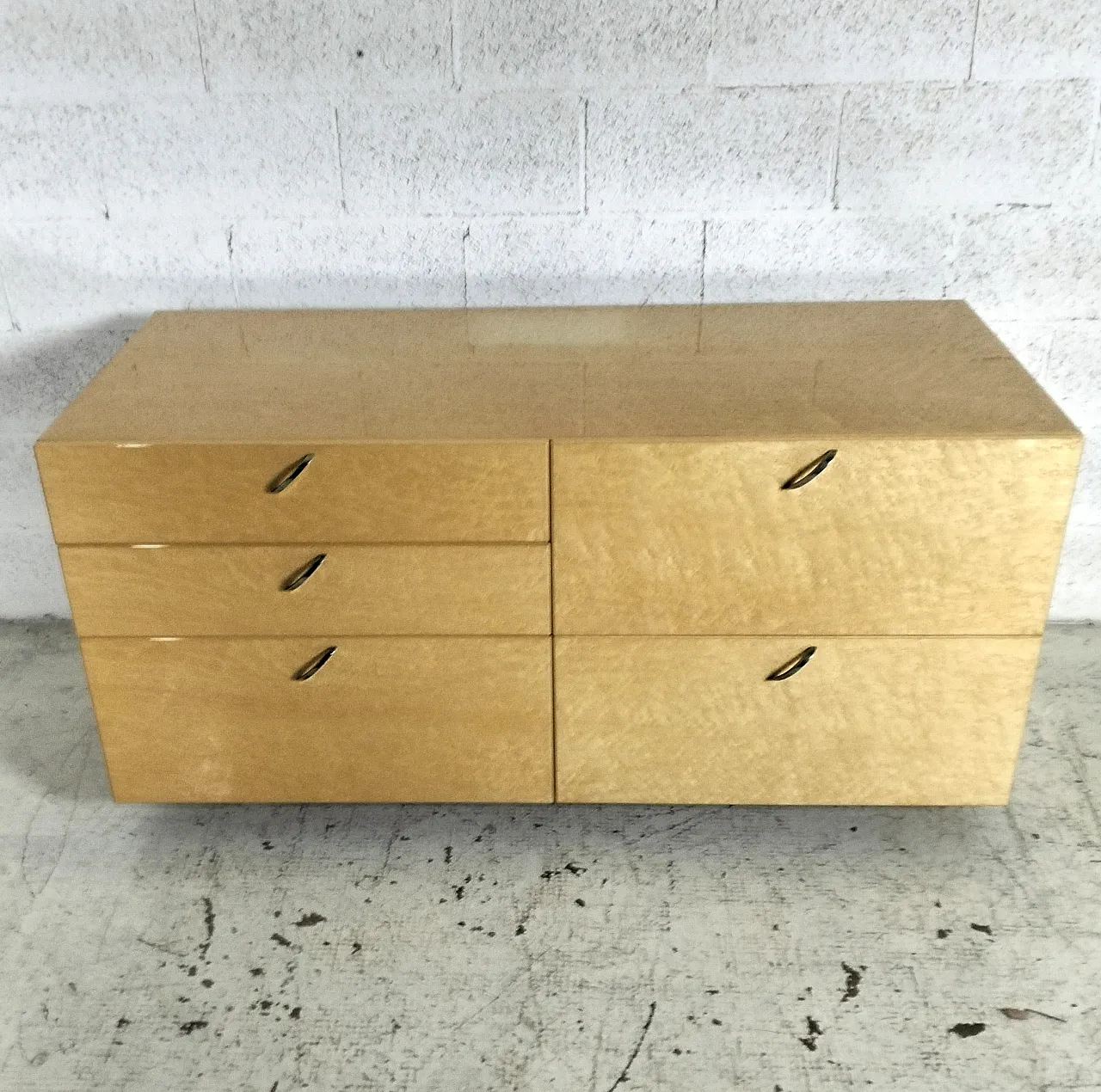
A small amount of discoloration on the top, highlighted in the photos, is due to an object being placed on top.
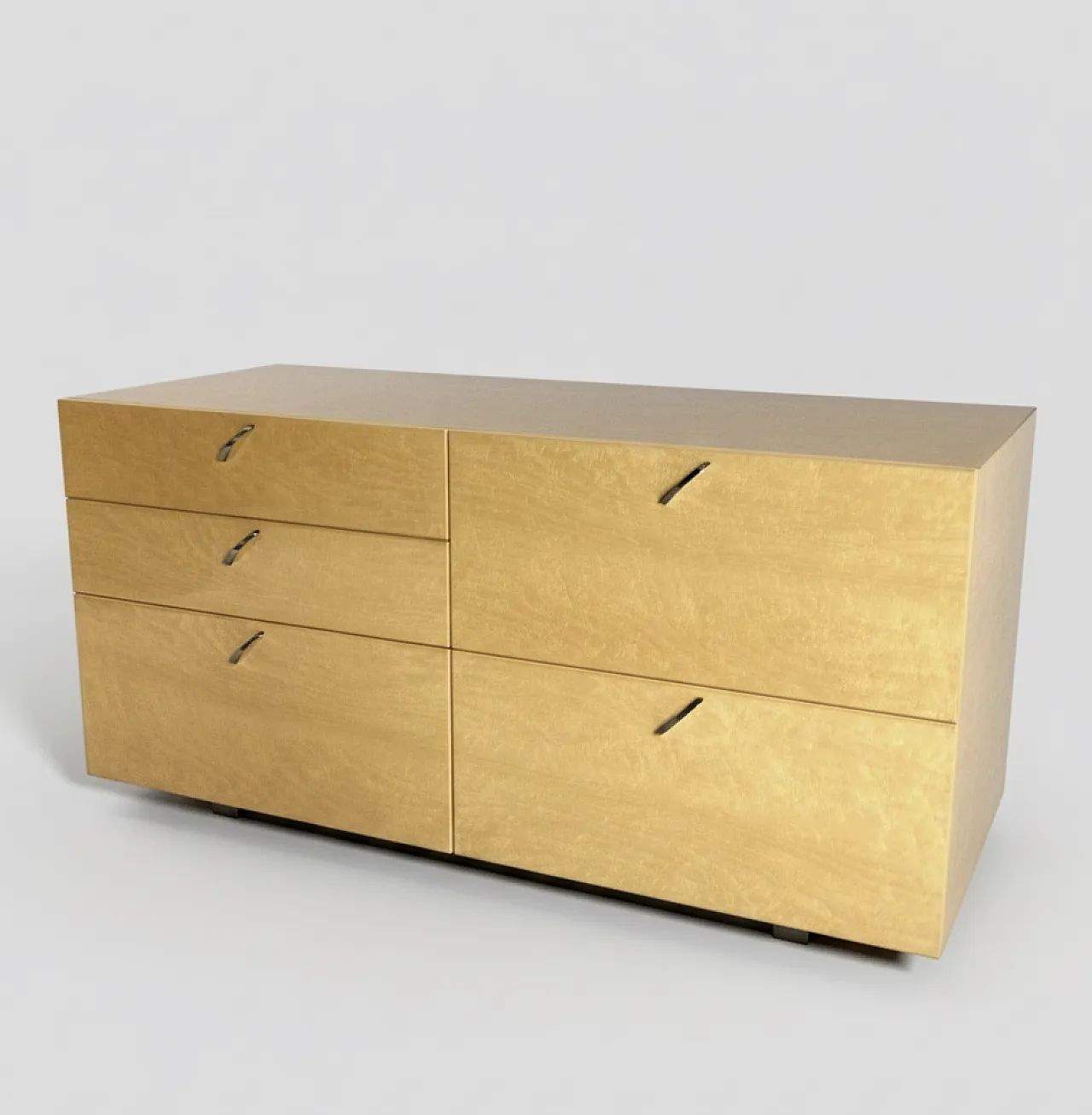
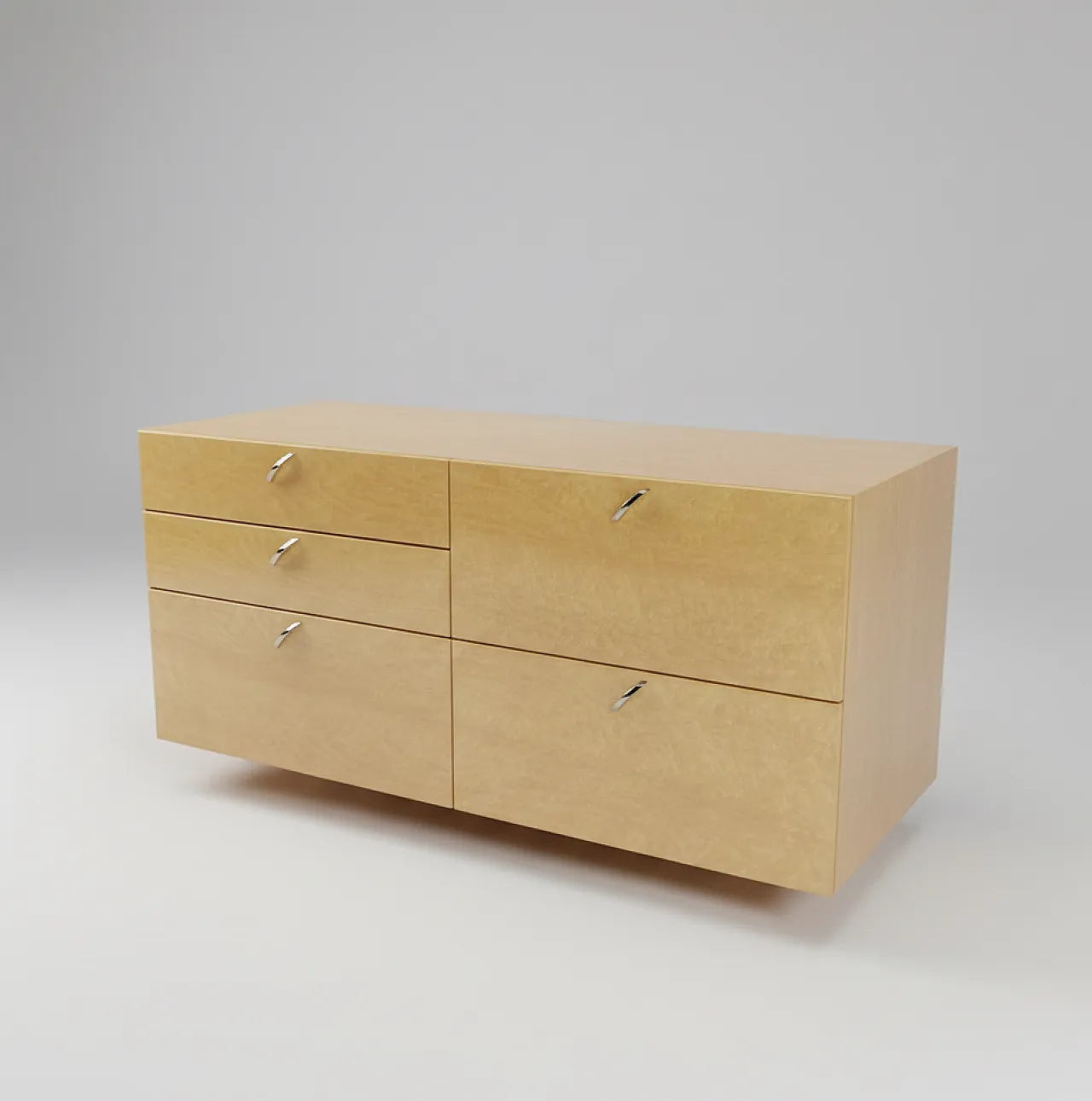
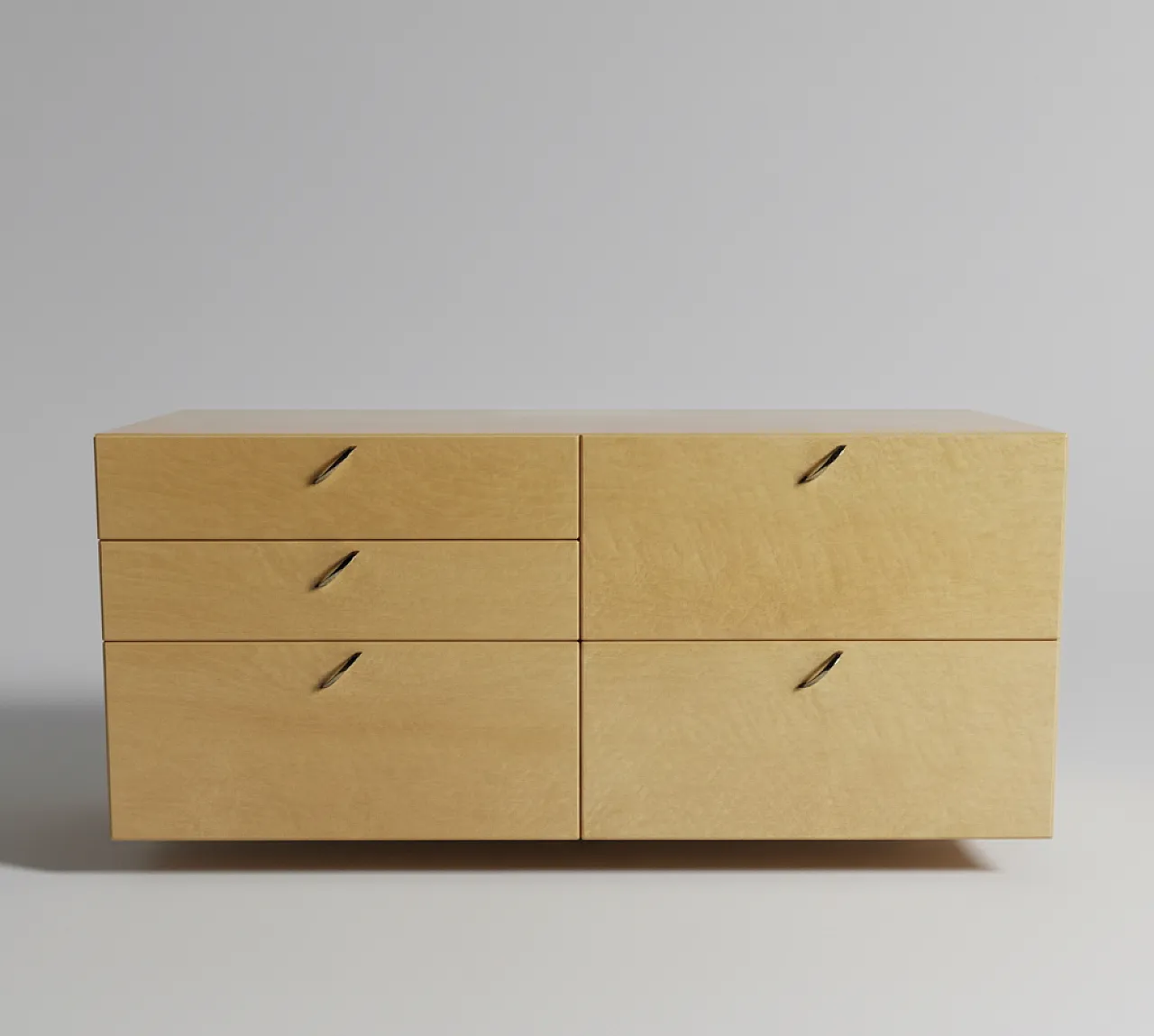
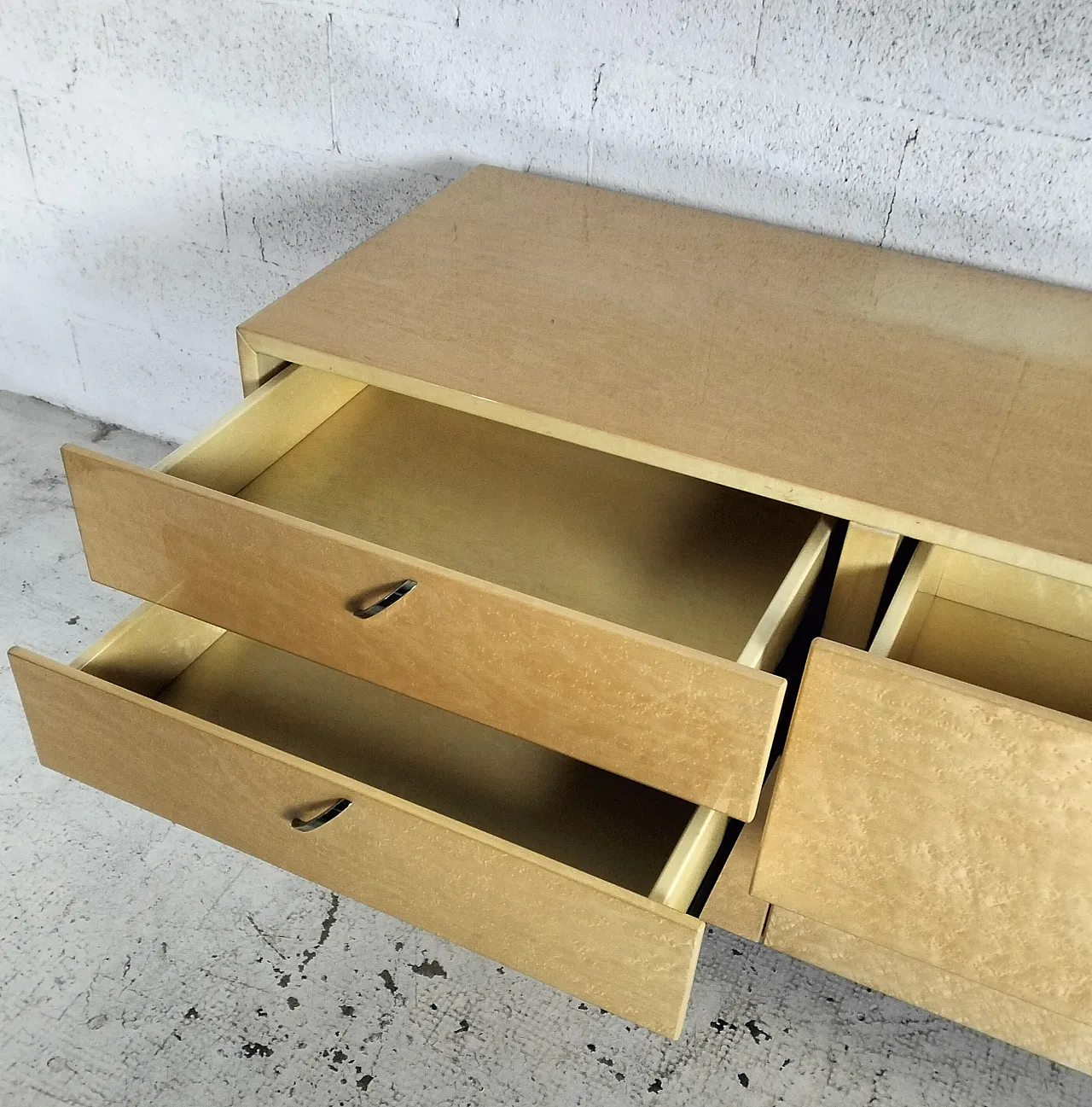
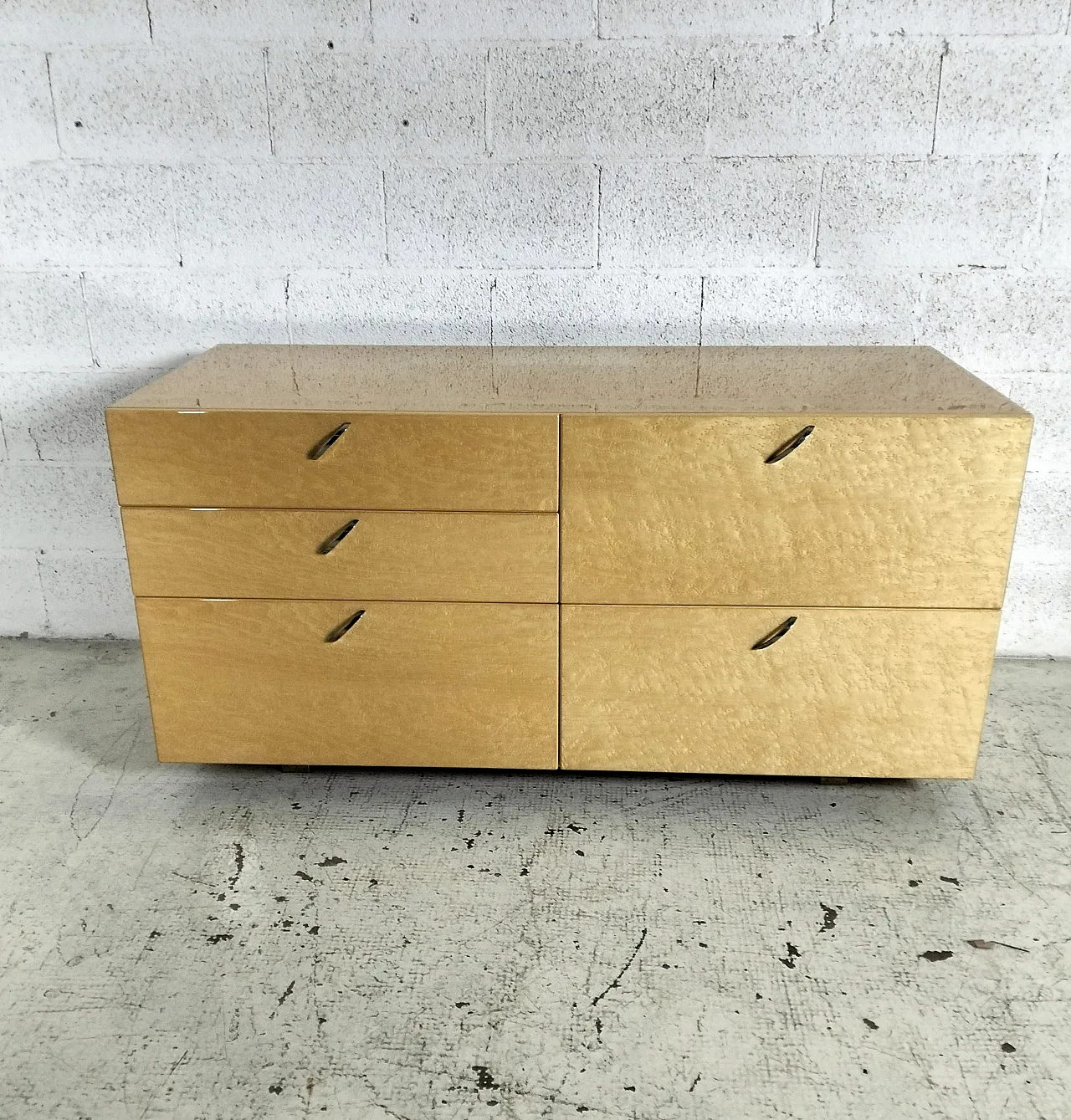
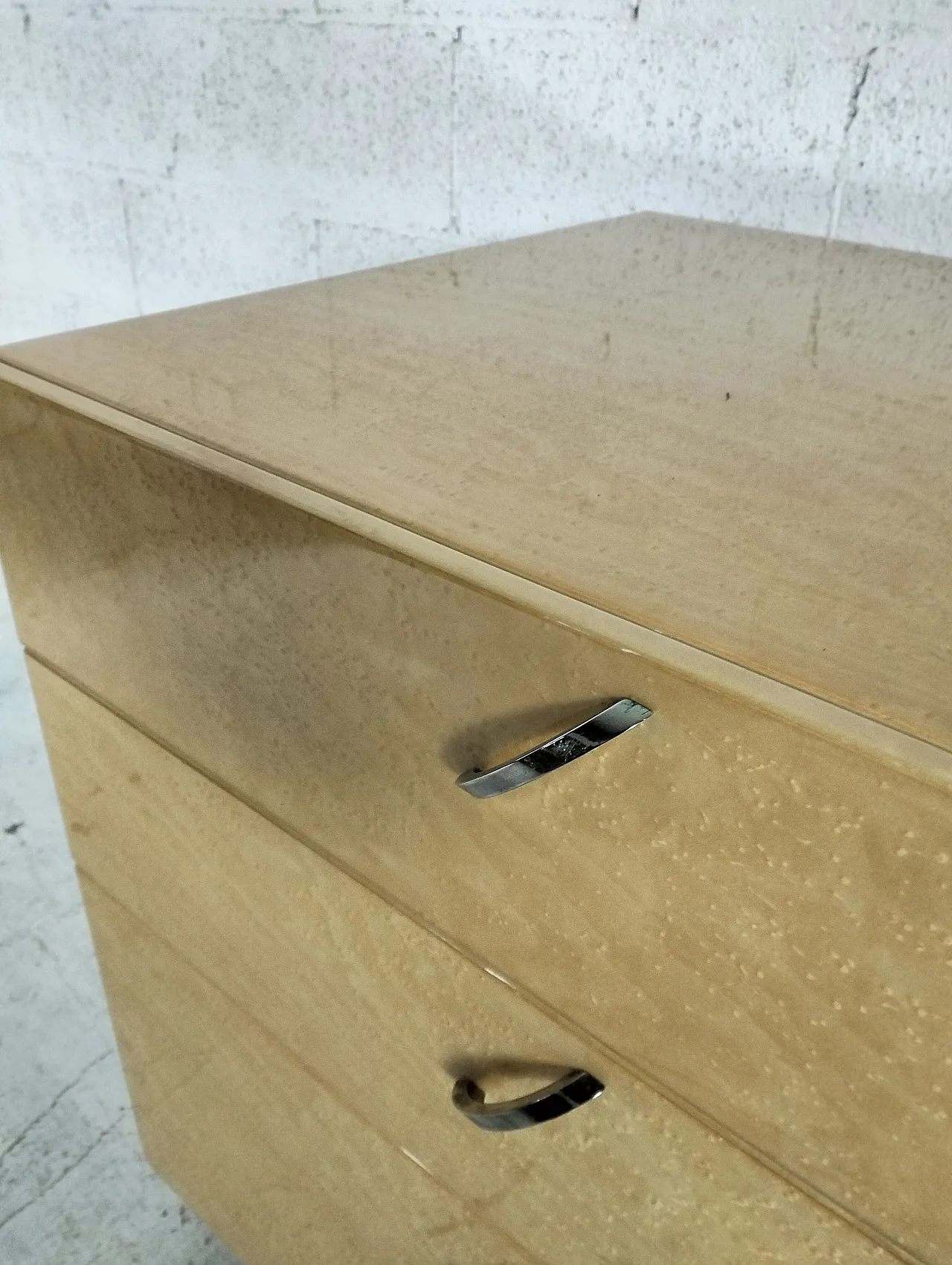
Burnished brass details and iridescent wood surfaces
Giovanni Offredi (1927–2007) is a name that commands a lot of respect. He wasn’t just a designer; he was a master of balancing the rigid precision of modernism with a very "human" sense of style.
Here’s a quick breakdown of why he remains a titan in the world of furniture and architecture:
The "Offredi Style"
Offredi was known for his aesthetic rigor. He didn't do "clutter." His work is characterized by:
Linear Simplicity: Sharp, clean lines that feel architectural.
Material Contrast: He loved pairing cold materials like steel and glass with "warm" elements like high-quality leathers and fine woods.
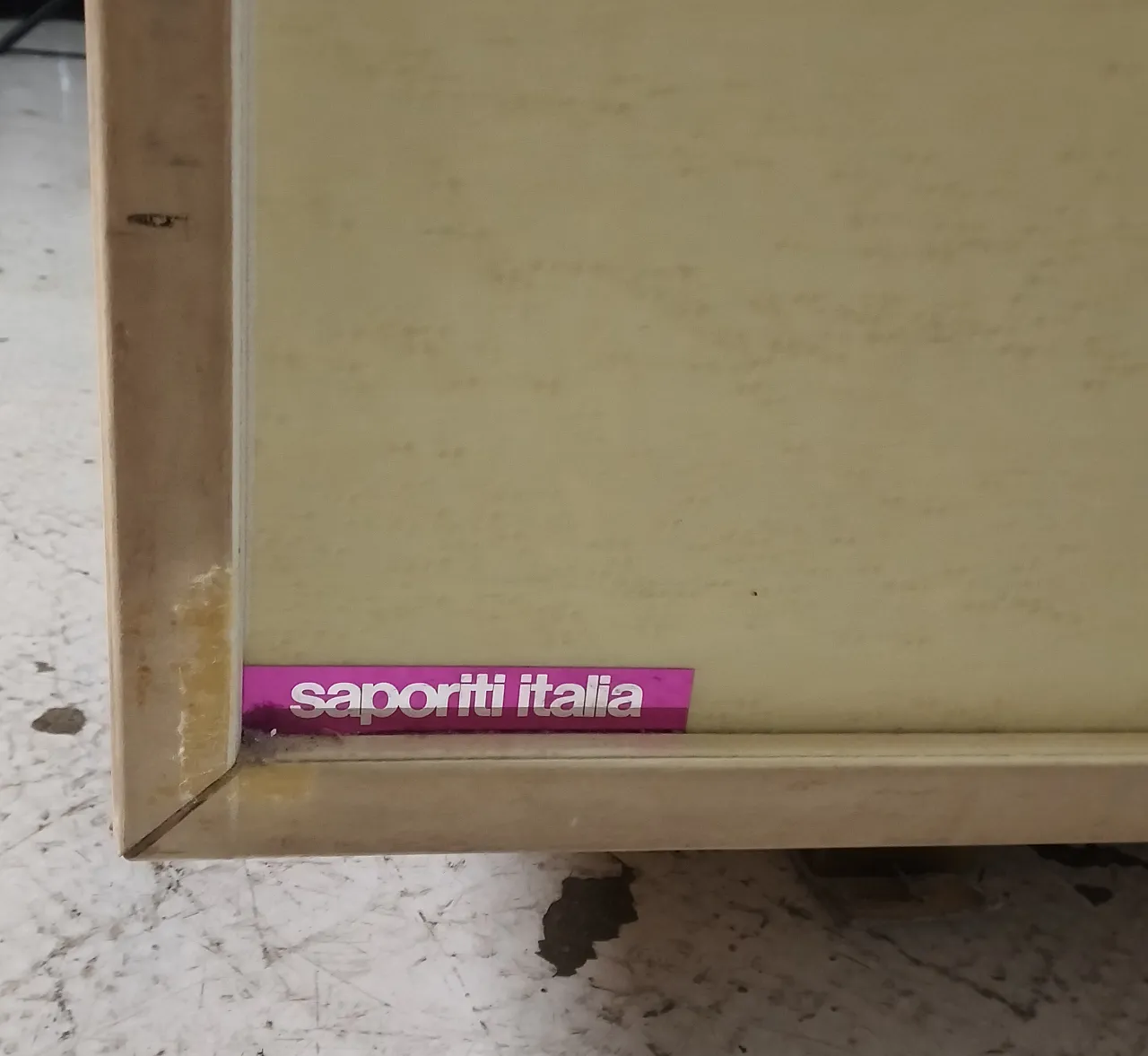
The Saporiti Connection: His most famous partnership was with the Italian manufacturer Saporiti. Together, they defined the look of high-end interiors in the 1970s and 80s.
Giovanni Offredi’s chests of drawers are highly coveted in the vintage market, specifically those produced during his long-standing collaboration with Saporiti Italia in the 1970s and 80s.
The "Inlay" / Geometric Series
Offredi was a master of marquetry. Some of his chests of drawers feature:
Asymmetric Patterns: Using different wood grains to create a "puzzle-like" aesthetic on the drawer fronts.
Iridescent Finishes: Some late-period pieces (80s-90s) used acrylized elm or maple to give the wood a shimmering, jewel-like quality.
To understand Saporiti Italia, think of them as the high-fashion house of the furniture world during Italy’s "Golden Age" of design.
Founded in 1950 by Sergio Saporiti, the company became the primary stage for Giovanni Offredi’s talent. While other brands were playing it safe, Saporiti was obsessed with the future—using experimental materials and ultra-luxurious finishes that defined the "Italian look" from the 70s through the 90s.
Why the Saporiti/Offredi Duo Was Iconic
Offredi was Saporiti’s chief creative visionary. Together, they mastered three things that make their pieces (including your chest of drawers) so valuable today:
"Technological Luxury": They were among the first to mix industrial materials like brushed steel and concrete with high-end cabinet-making.
Birdseye Maple (Acero Occhiolinato): This became their signature. If you see a piece with a swirling, "dotted" wood grain in a high-gloss finish, it’s almost certainly an Offredi/Saporiti collaboration.
Global Prestige: By the 1970s, Saporiti wasn't just a local brand; they were opening showrooms in New York and Tokyo, representing the peak of "Made in Italy" exports.
Saporiti Today
The company is still active in Besnate, Italy. While they still produce "historic" editions of their classics, their modern focus has shifted toward massive "turnkey" luxury projects for hotels and private estates.


.png)
 Venditore SILVER a Padova, Italy