Gaetana Emilia Aulenti, known as Gae Aulenti (1927–2012), was one of the most influential and multifaceted figures in 20th-century Italian architecture and design. She was celebrated for her ability to create a dialogue between historical memory and contemporary innovation, making her mark in a field that was almost exclusively male at the time.
Major Architectural Works
Her work spanned from architectural restoration to the design of international public spaces:
Musée d’Orsay (Paris): Her most iconic project, where she transformed a former railway station into one of the world's most famous art museums.
Scuderie del Quirinale (Rome): The restoration and conversion of the ancient papal stables into a prestigious exhibition space.
Palazzo Grassi (Venice): The renovation of the interiors to transform it into a modern art center.
Piazzale Cadorna (Milan): A bold urban redesign featuring strong geometric shapes and the "Needle, Thread, and Knot" monument.
Asian Art Museum (San Francisco): The conversion of the old public library building into a museum.
Iconic Design Pieces
As a designer, she created objects that became symbols of Italian Design:
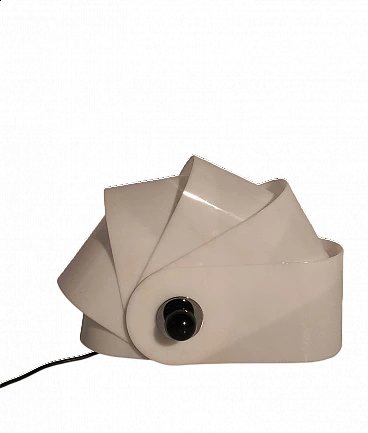
Pipistrello Lamp (1965): Produced by Martinelli Luce, this telescopic lamp features organic shapes inspired by bat wings.
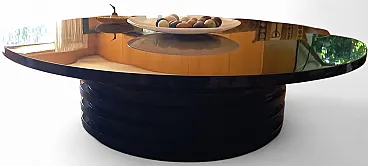
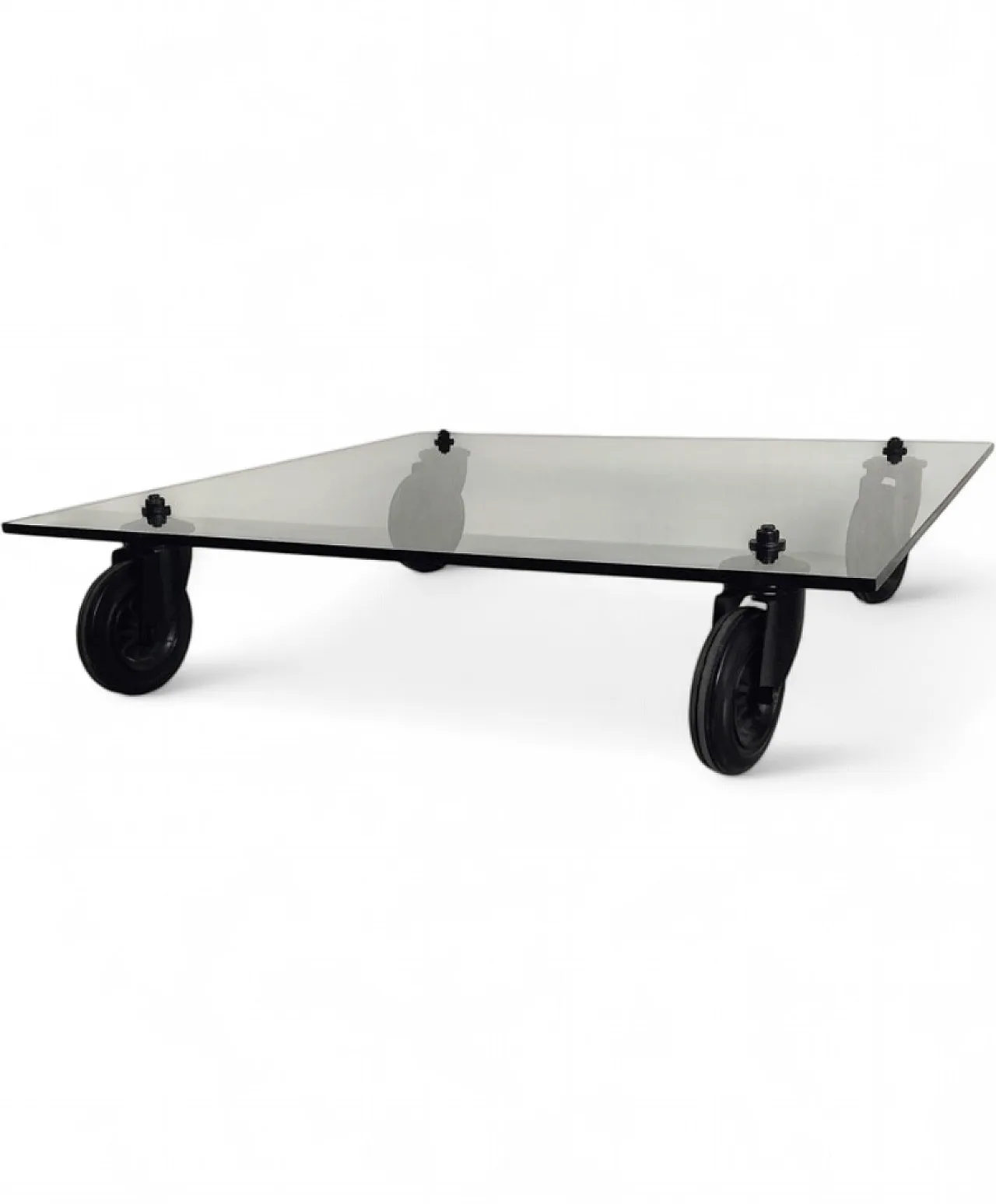
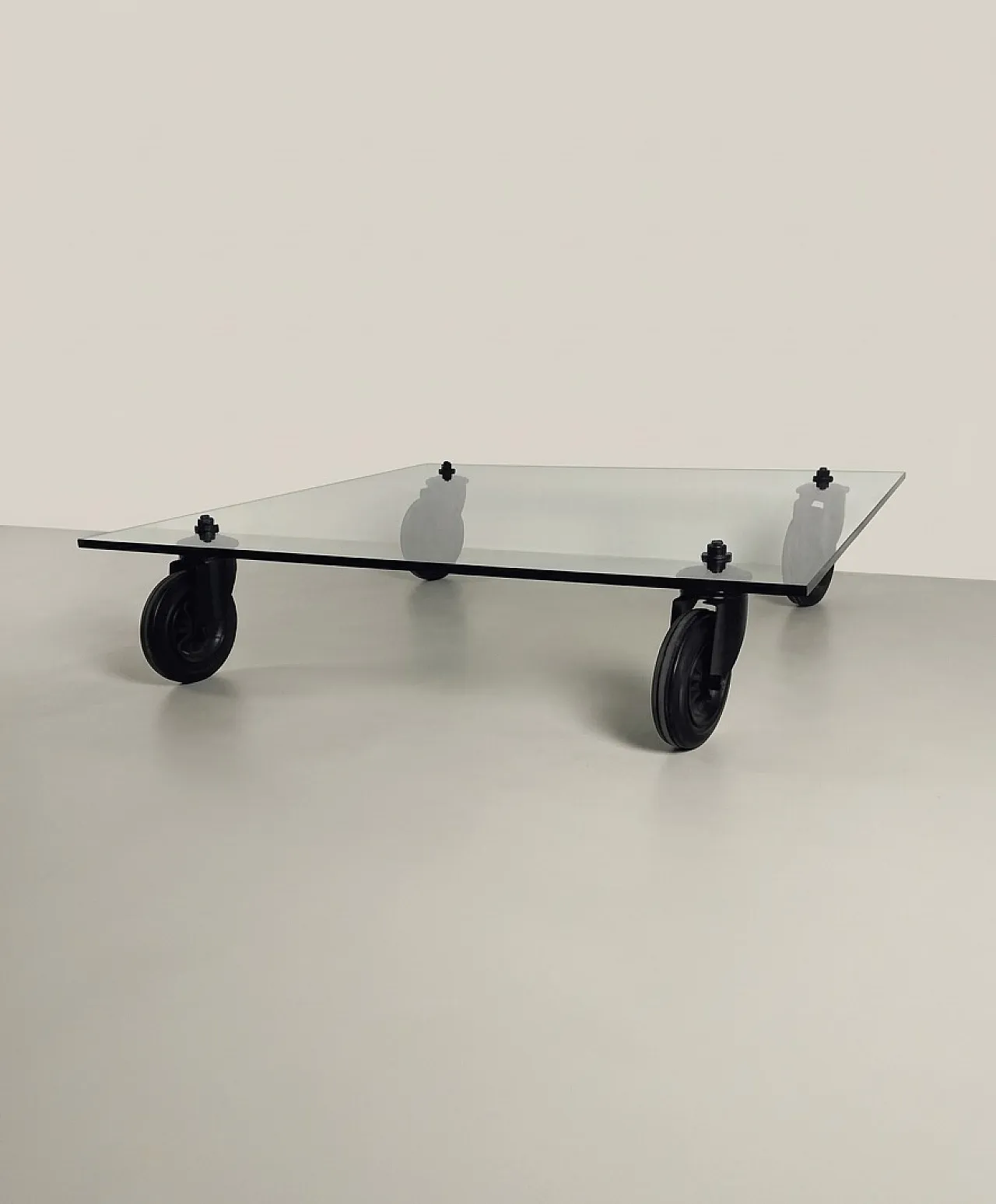
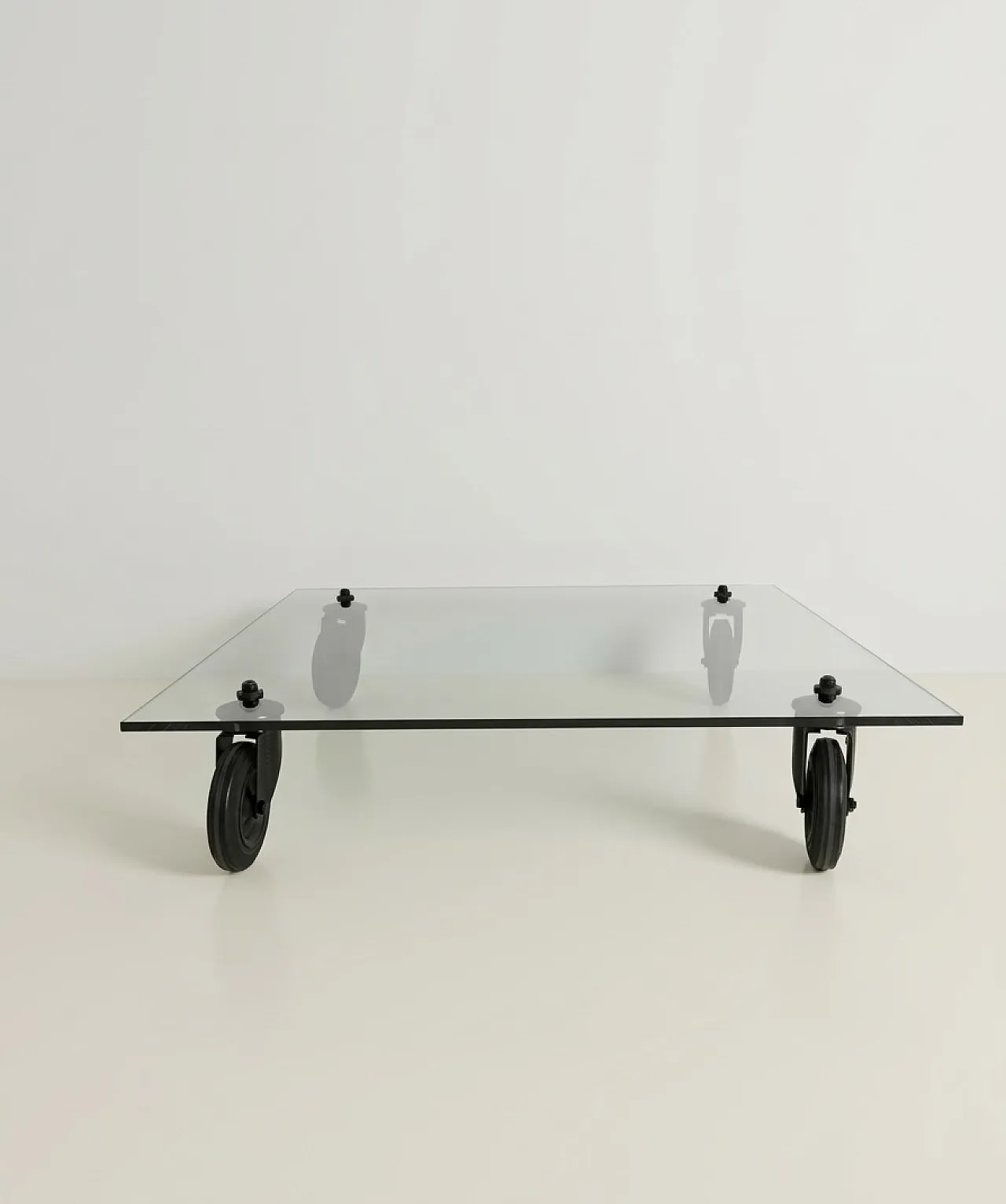
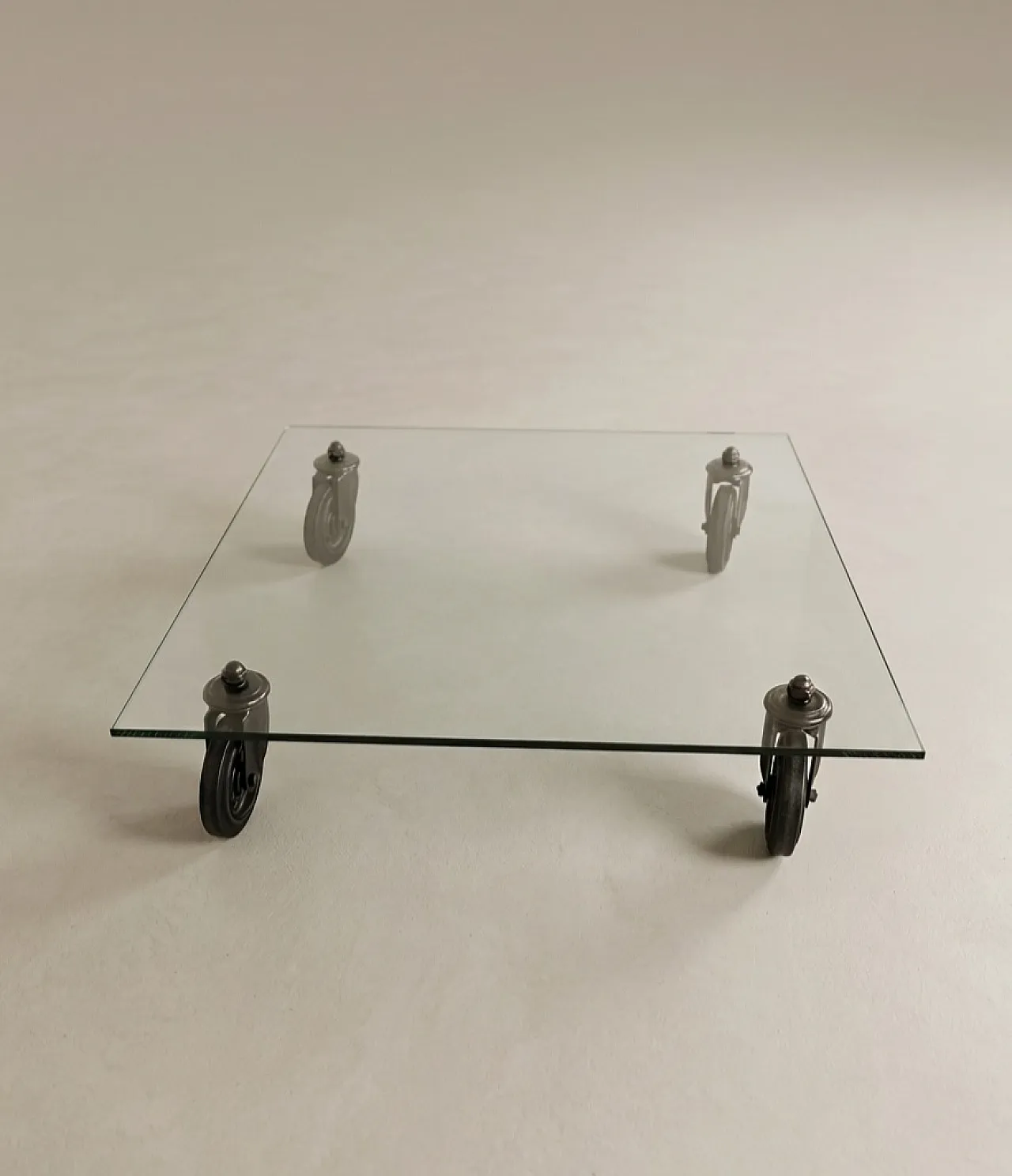
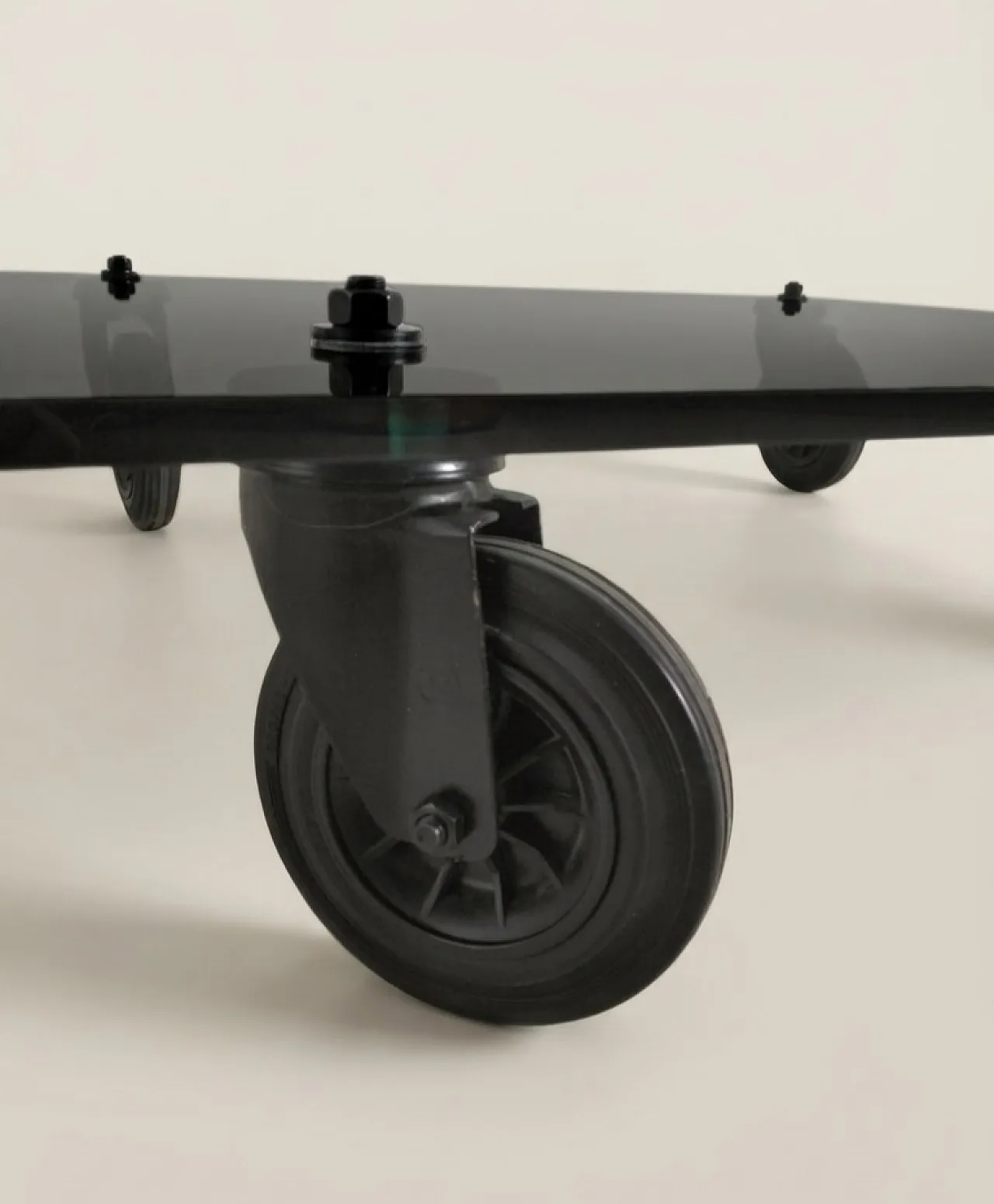
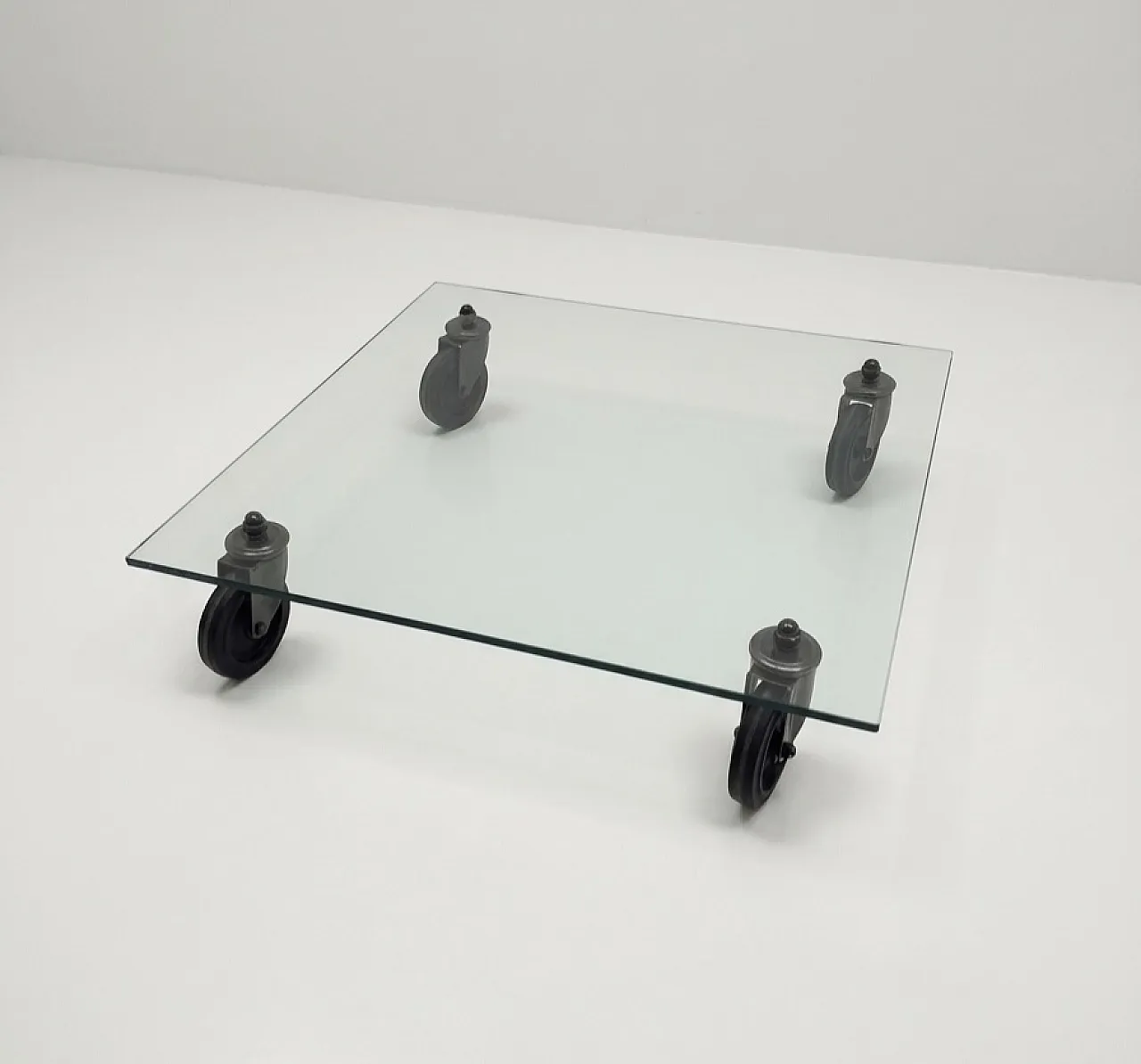
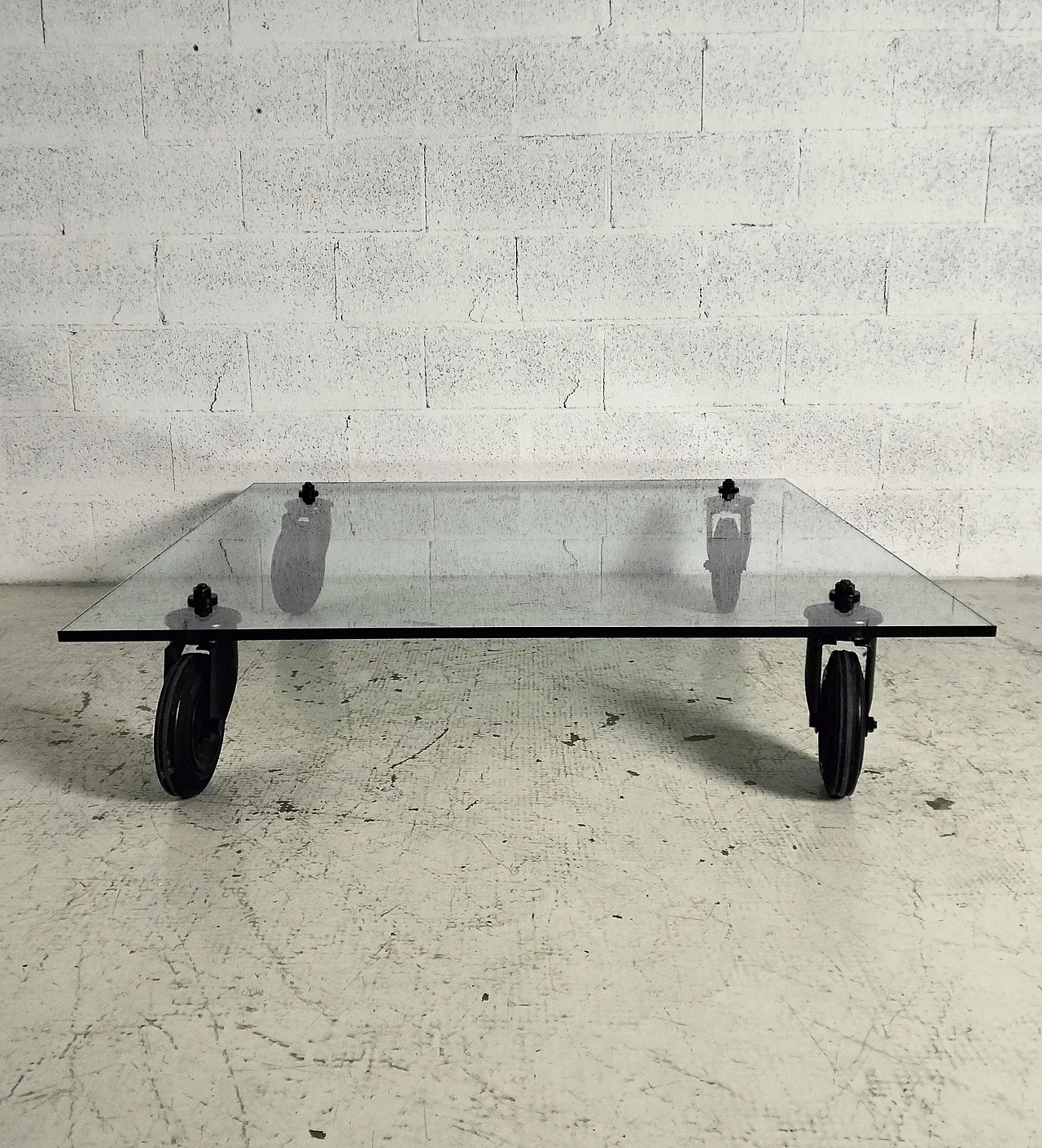
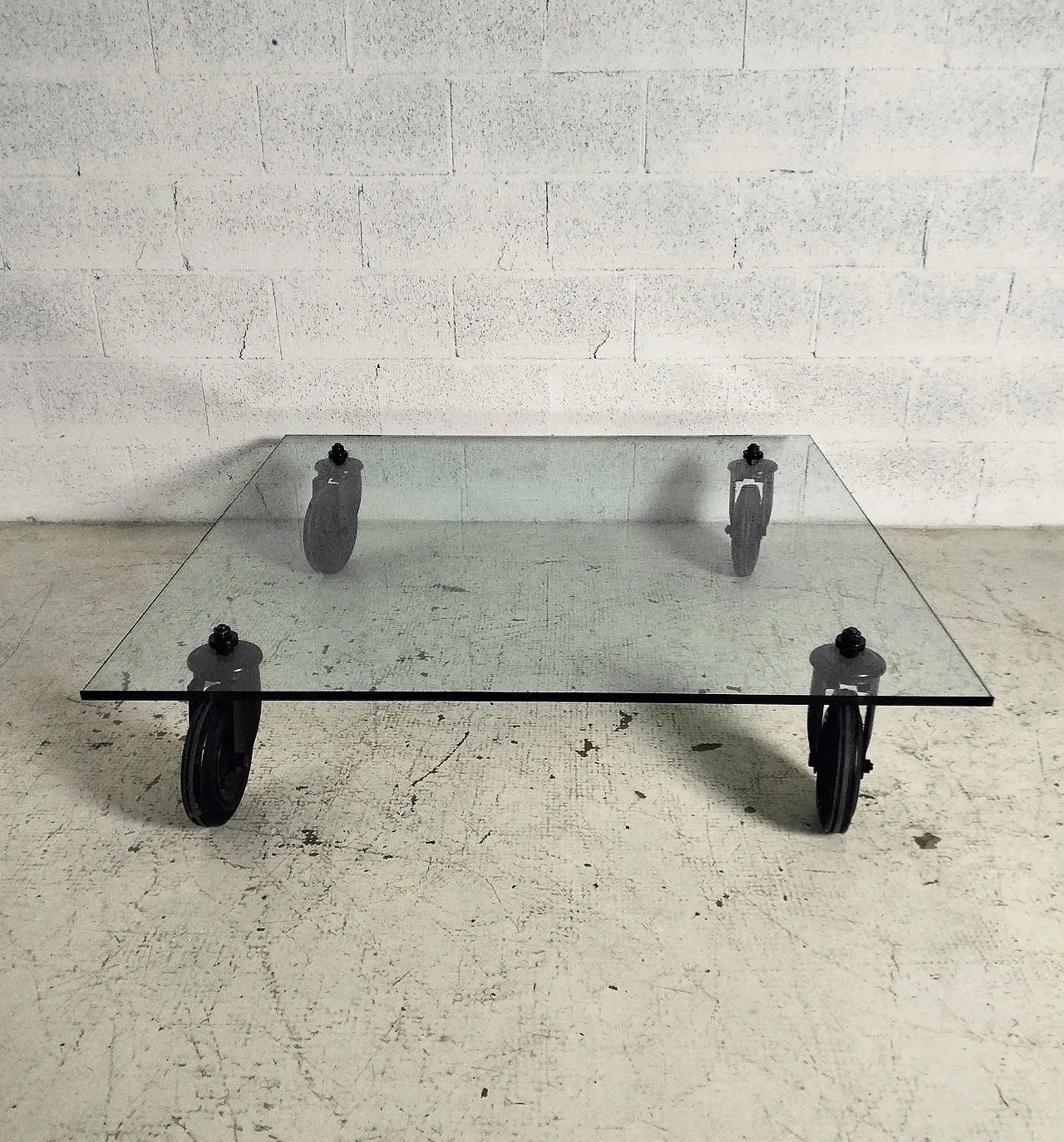
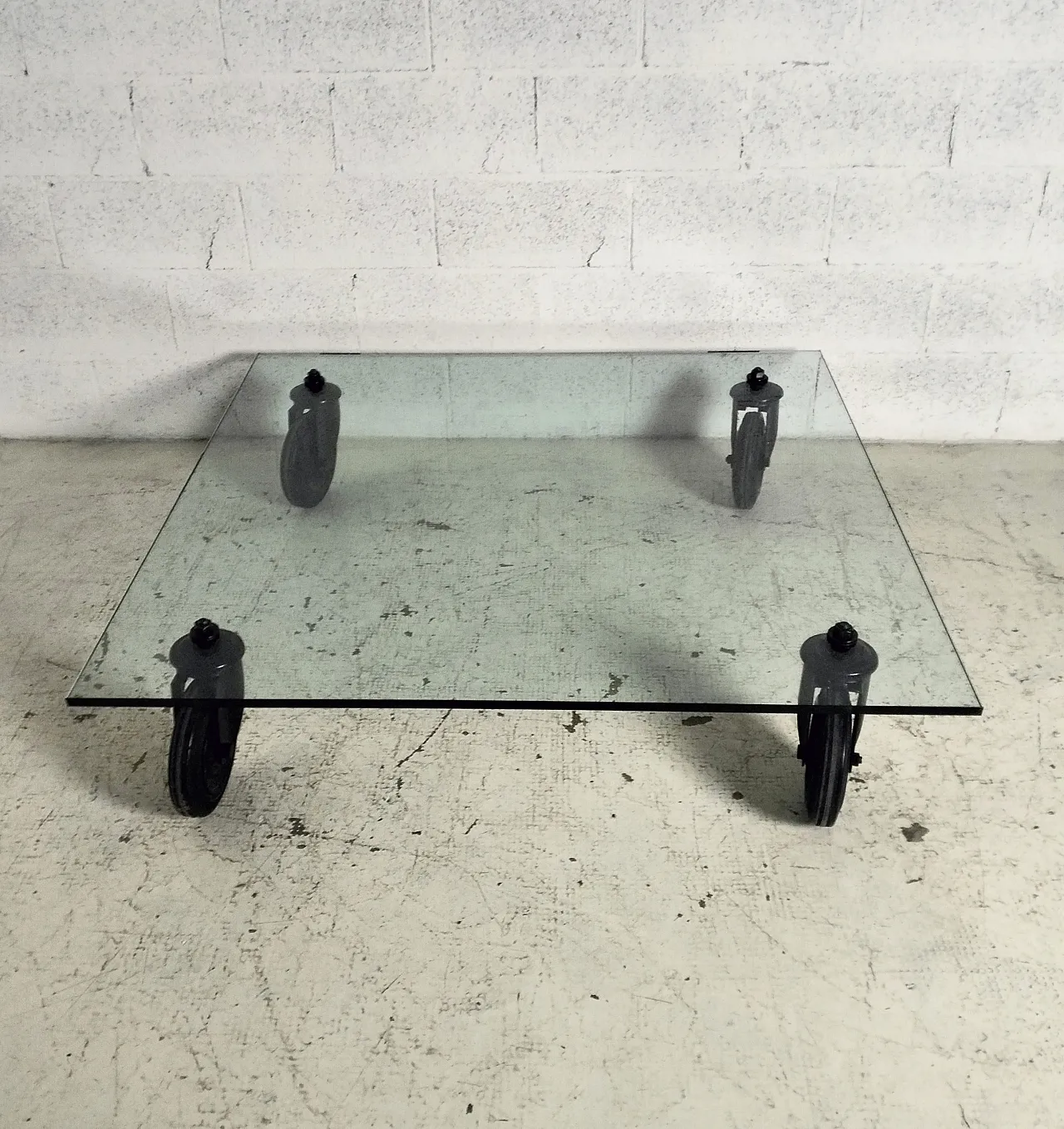
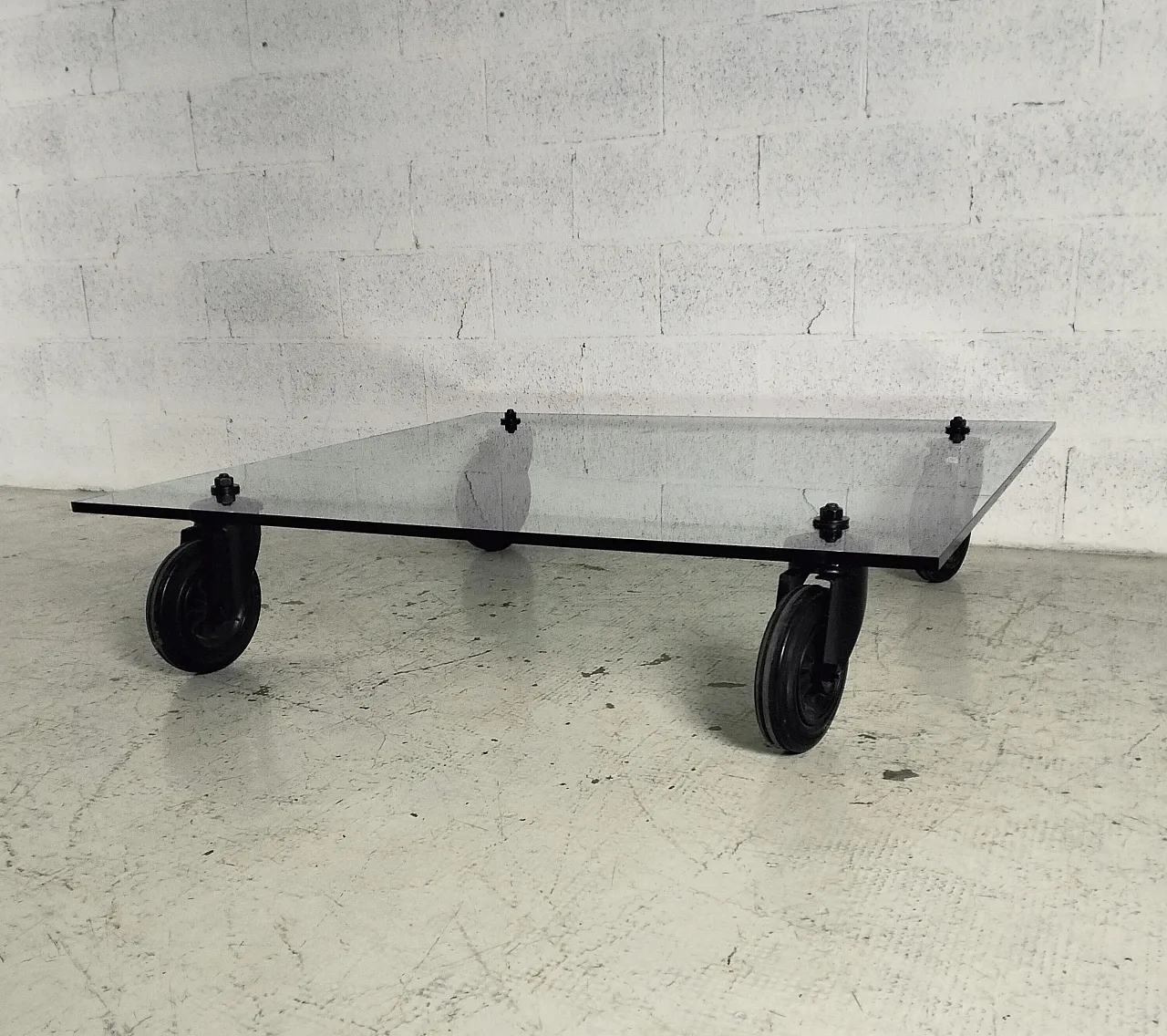
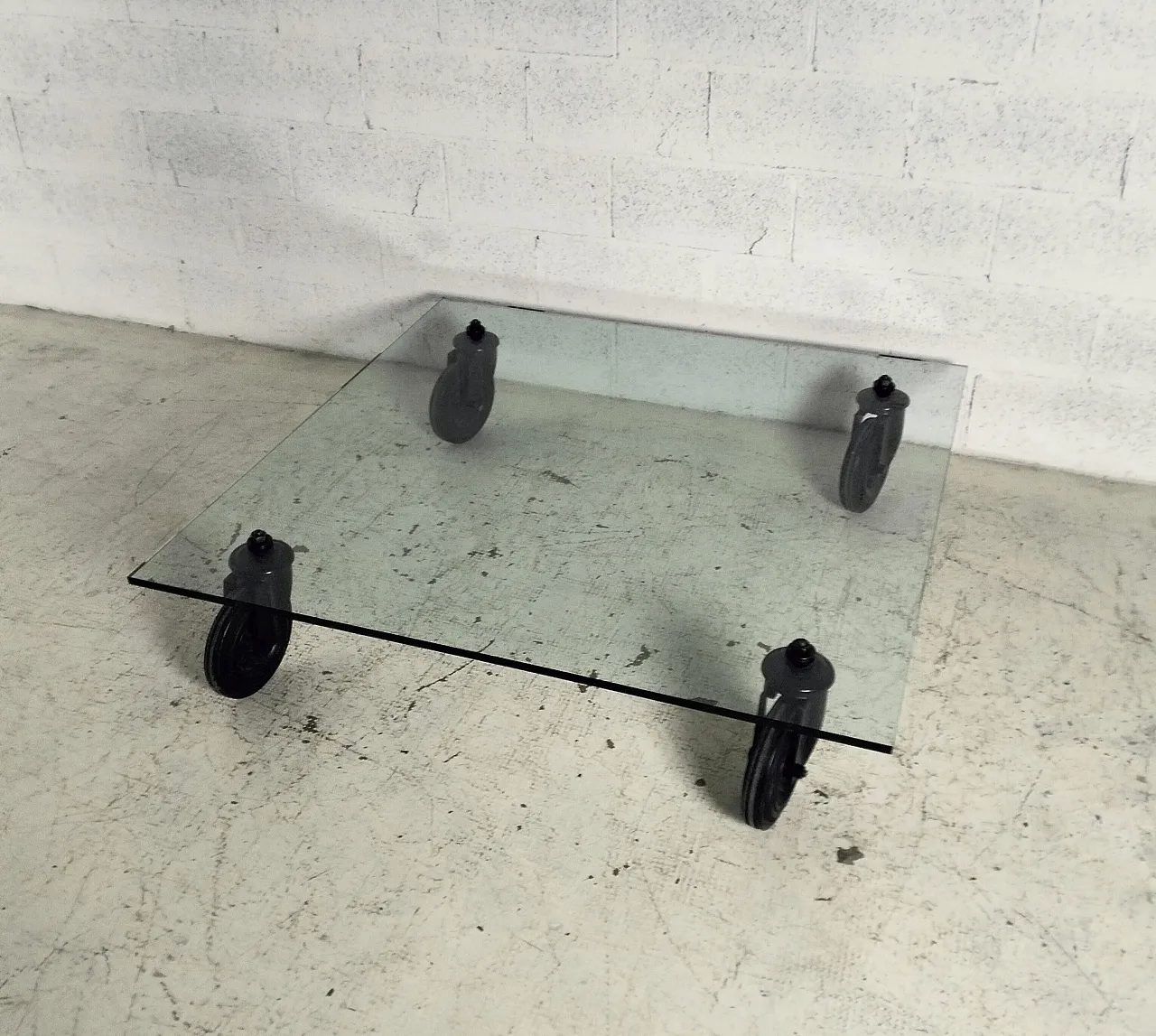
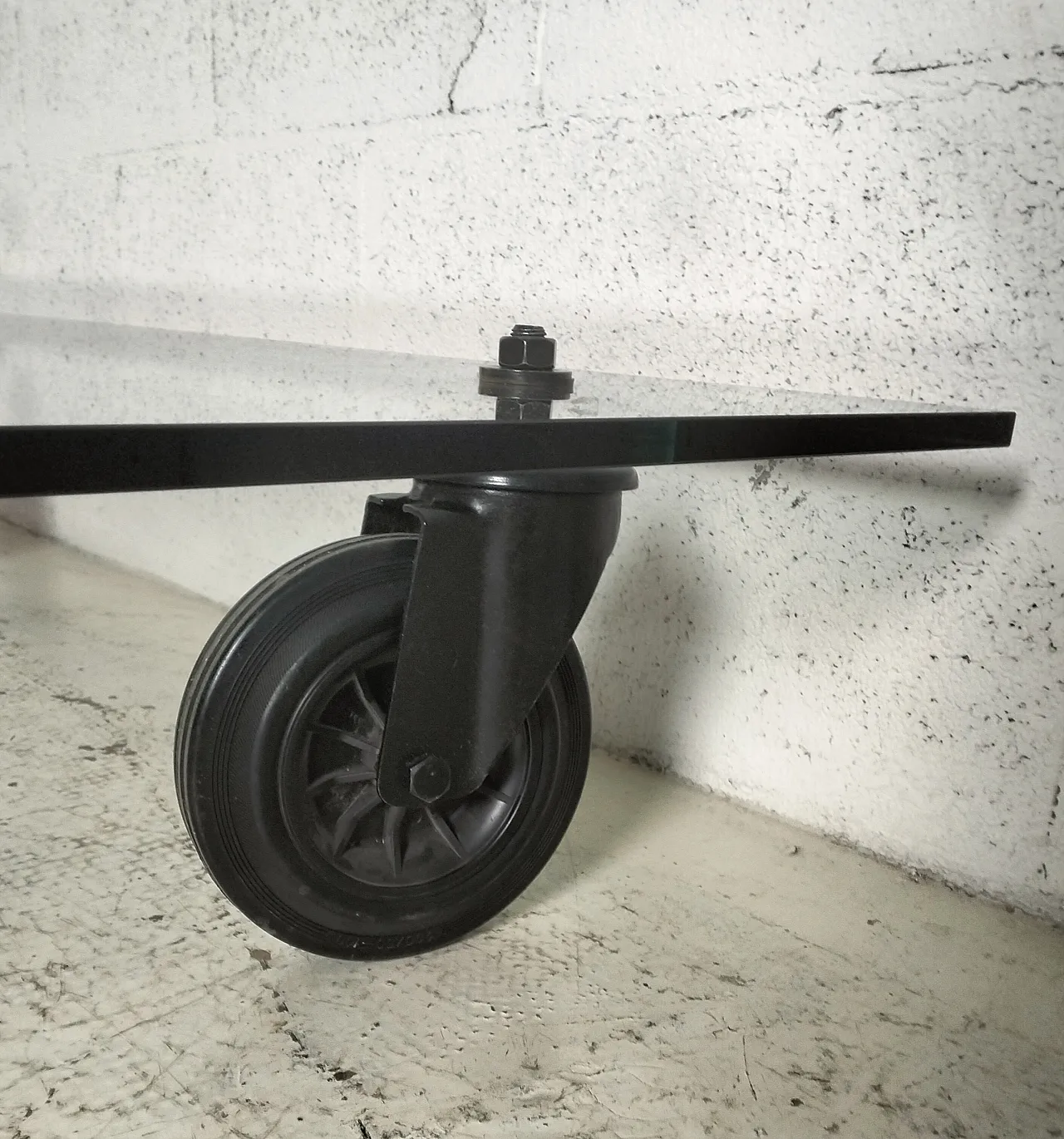
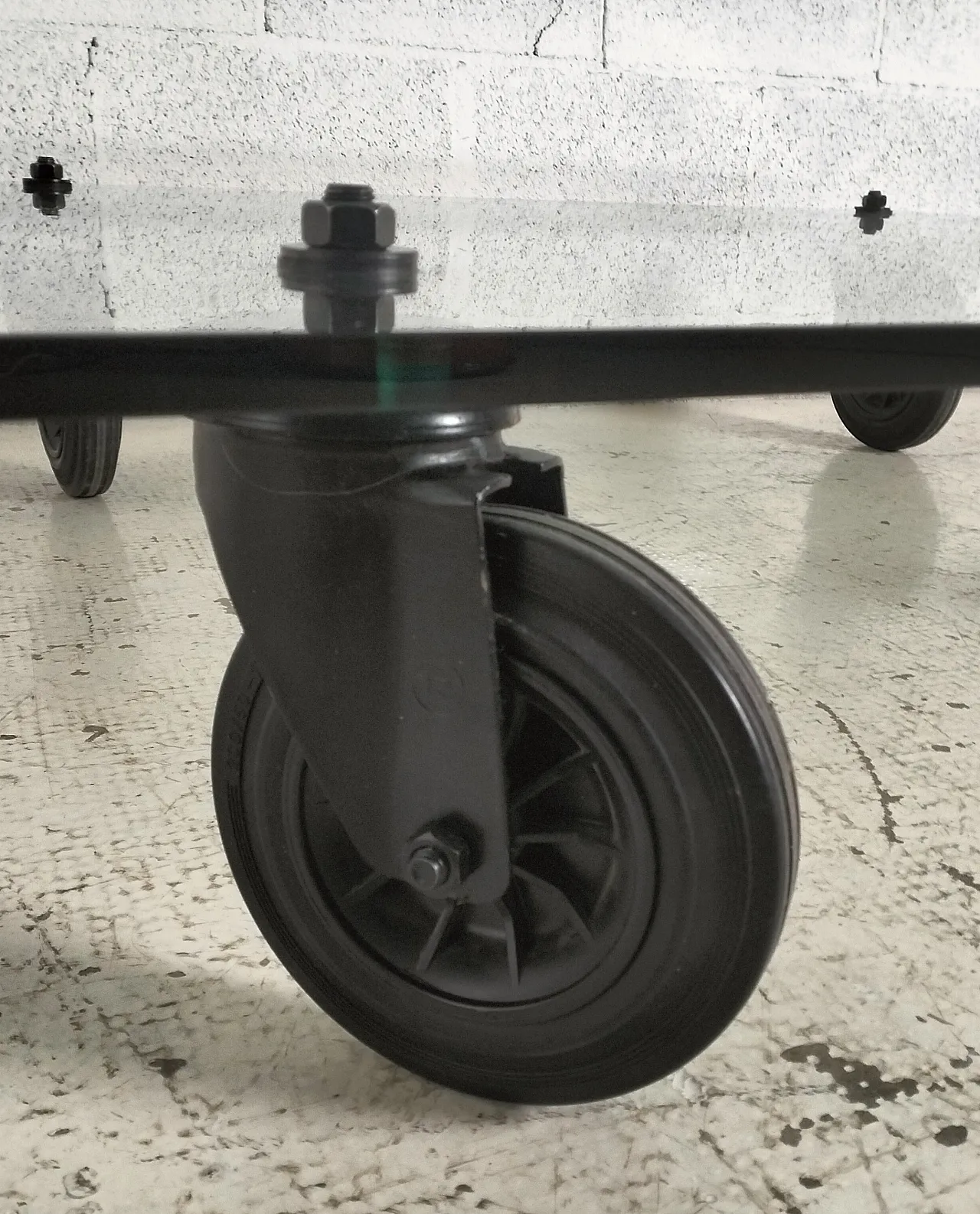
Tavolo con ruote (Table with Wheels, 1980): A groundbreaking piece for FontanaArte, inspired by an industrial trolley.
Locus Solus Chair: Designed for Exteta, famous for its curved steel tubular lines.
The relationship between Gae Aulenti and FontanaArte is one of the most significant chapters in the history of Italian design. Not only did she design some of the brand's most iconic pieces, but she also served as its Artistic Director from 1979 to 1996, leading a creative revival that put glass back at the center of production.
Iconic Pieces for FontanaArte
Tavolo con Ruote (Table with Wheels, 1980): Perhaps her most famous project for the brand. The inspiration came from watching industrial trolleys used in the FontanaArte factory to transport sheets of glass. Aulenti replaced the wooden top with a 15mm thick sheet of ground glass while keeping the large industrial rubber wheels. This "readymade" design is now part of the permanent collection at MoMA in New York.


.png)
 Venditore SILVER a Padova, Italy