Scrivania Direzionale – Anonima Castelli
Produzione: Anonima Castelli, Bologna - Anni '50
Larghezza: 190 cm, Profondità: 87 cm, Altezza: 77 cm.
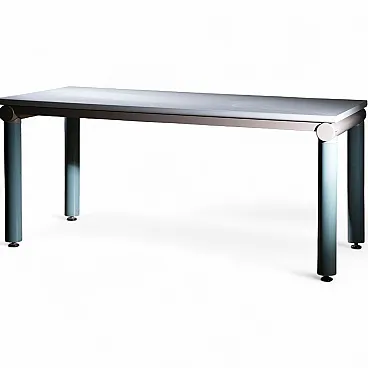
Materiali: Metallo laccato, alluminio e piano in laminato coevo.
Questa scrivania rappresenta un'importante testimonianza del passaggio dell'Anonima Castelli dalla produzione di mobili in legno a quella di arredi tecnici per l'ufficio moderno, settore in cui l'azienda bolognese sarebbe diventata leader mondiale.
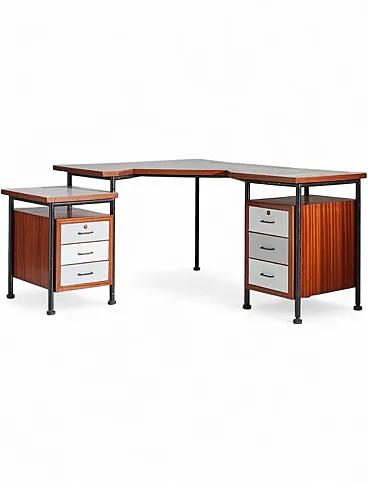
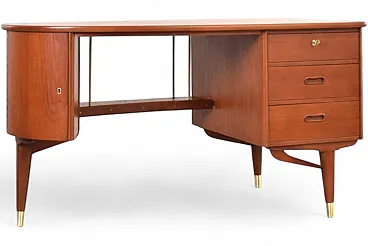
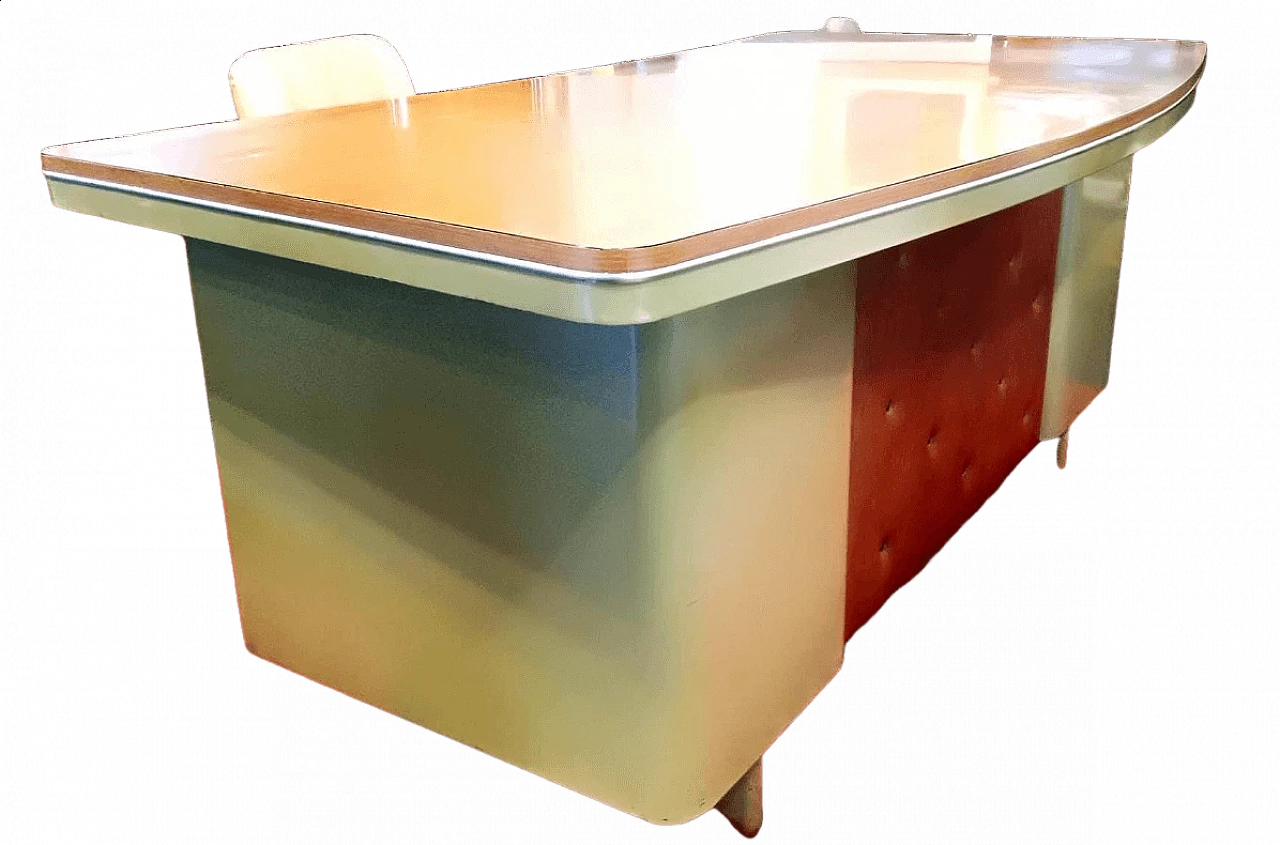
Struttura e Funzionalità: La scrivania si distingue per una linea asciutta e monumentale. La struttura è composta da due cassettiere laterali che fungono da sostegni portanti, collegate da una traversa centrale e dal grande piano di lavoro. La peculiarità tecnica risiede nella sua natura completamente smontabile, caratteristica che anticipa la logica modulare e logistica tipica del design industriale avanzato.
Estetica Industriale: Il metallo laccato (tipicamente in tonalità di grigio o verde ministeriale) è arricchito da dettagli funzionali che diventano elementi estetici: le maniglie a incasso o a bacchetta, i profili in alluminio lucido che bordano il piano e la base, creando un contrasto luminoso con la superficie opaca del metallo.
Dettagli Costruttivi: Il piano di dimensioni generose (190 x 87 cm) indica la natura "direzionale" del mobile, pensato per ambienti di rappresentanza. La profondità dei cassetti e la solidità del corpo metallico comunicano un'idea di efficienza e indistruttibilità.
Rilevanza Storica
Negli anni '50, l'Anonima Castelli collaborava con architetti e designer per ripensare lo spazio di lavoro. Questa scrivania è un pezzo di transizione fondamentale: mantiene l'eleganza degli arredi classici ma utilizza materiali e tecniche costruttive (metallo piegato e saldato) che guardano al futuro. Il fatto che il pezzo sia in ottime condizioni aumenta notevolmente il suo valore collezionistico. In particolare, la conservazione del rivestimento originale del piano e delle laccature di fabbrica è rara per arredi metallici di questo periodo, spesso soggetti a graffi o ossidazioni.
Completamente smontabile, cassettiere modulari.
Questa scrivania non è solo un mobile funzionale, ma un "oggetto architettonico" che definisce lo spazio. È ideale per un ufficio di alto livello che desidera comunicare solidità e una profonda cultura del design italiano. La sua provenienza bolognese la rende inoltre un pezzo di particolare interesse per la valorizzazione del patrimonio industriale locale.
--- Executive Desk – Anonima Castelli
Manufacturer: Anonima Castelli, Bologna - 1950s
Width: 190 cm, Depth: 87 cm, Height: 77 cm.
Materials: Lacquered metal, aluminum, and contemporary laminate top.
This desk represents an important testament to Anonima Castelli's transition from producing wooden furniture to producing technical furnishings for the modern office, a sector in which the Bologna-based company would become a world leader.
Structure and Functionality: The desk stands out for its clean, monumental lines. The structure is composed of two lateral drawer units that serve as load-bearing supports, connected by a central crosspiece and the large worktop. Its technical peculiarity lies in its completely disassembled nature, a feature that anticipates the modular and logistical logic typical of advanced industrial design.
Industrial Aesthetic: The lacquered metal (typically in shades of gray or ministerial green) is enriched with functional details that become aesthetic elements: the recessed or rod handles, the polished aluminum profiles that border the top and base, creating a luminous contrast with the matte metal surface.
Construction Details: The generously sized top (190 x 87 cm) indicates the "executive" nature of this piece, designed for representative spaces. The depth of the drawers and the solidity of the metal body convey a sense of efficiency and indestructibility.
Historical Significance
In the 1950s, Anonima Castelli collaborated with architects and designers to reimagine the workspace. This desk is a key transitional piece: it retains the elegance of classic furnishings but uses forward-thinking materials and construction techniques (bent and welded metal). The fact that the piece is in excellent condition greatly enhances its collectible value. In particular, the preservation of the original top coating and factory lacquer is rare for metal furniture from this period, which is often subject to scratches or oxidation.
Completely disassembled, with modular drawer units.
This desk is not just a functional piece of furniture, but an architectural object that defines the space. It is ideal for a high-end office that seeks to convey solidity and a profound culture of Italian design. Its Bolognese provenance also makes it a particularly interesting piece for enhancing the local industrial heritage.


.png)



 Venditore SILVER a Ferrara, Italy