Tavolino da Salotto Arts & Crafts
Inghilterra - Primi del '900 (Epoca Edoardiana)
Materiale: Rovere massiccio (Oak)
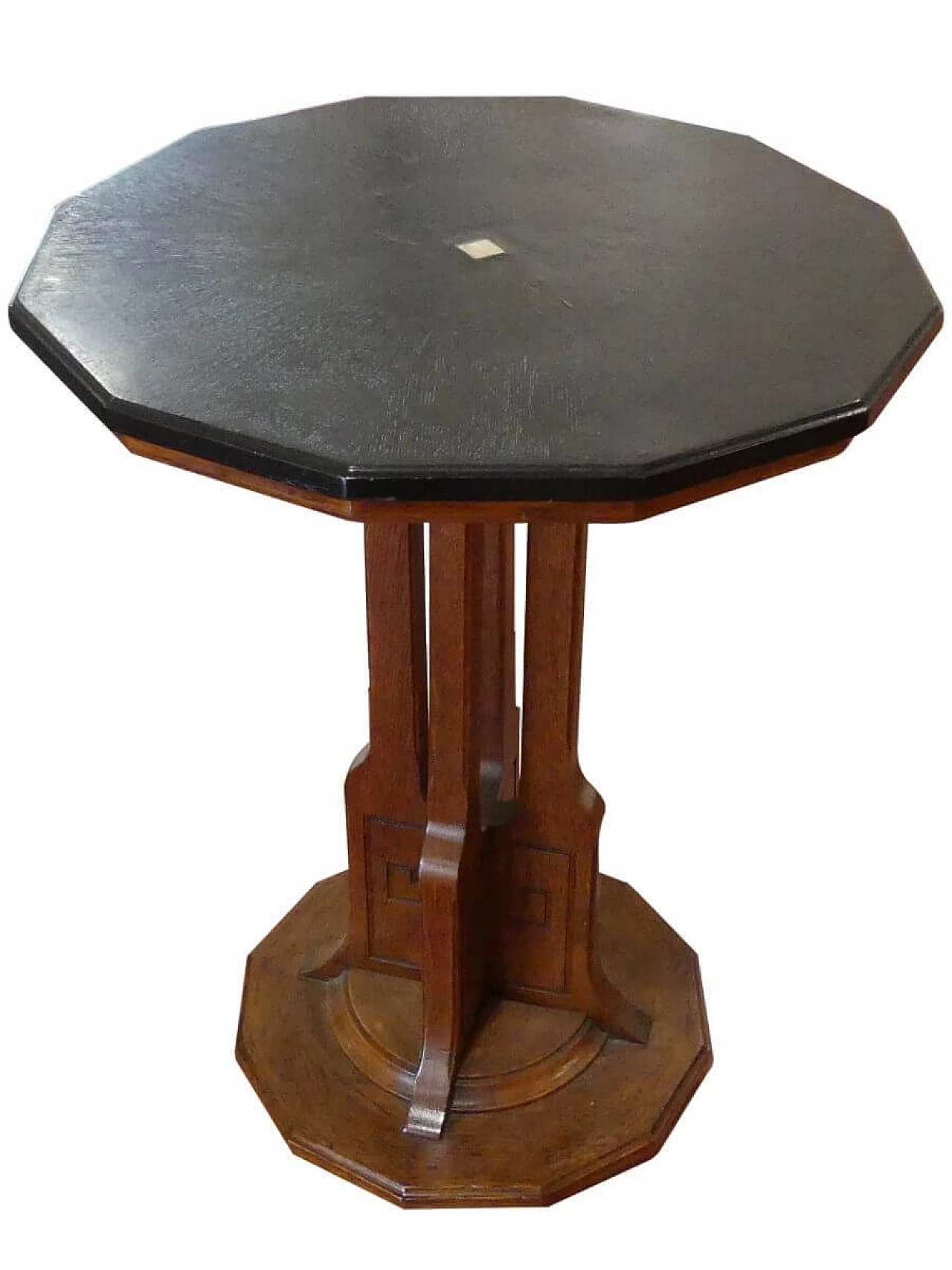
Questo tavolino è un esempio eccellente della filosofia di William Morris e dei suoi successori: il ritorno all'onestà dei materiali e alla chiarezza costruttiva contro la produzione industriale di massa.
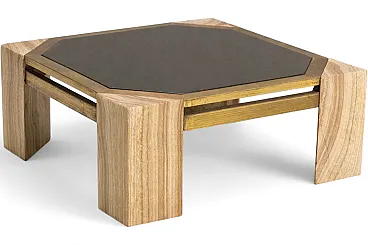
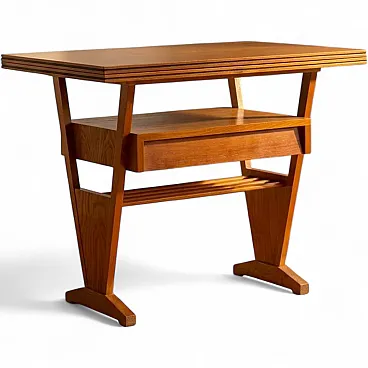
Il mobile è realizzato in rovere, il legno simbolo della tradizione artigianale inglese. La superficie presenta una "patina bionda" calda, tipica del rovere invecchiato naturalmente, che mette in risalto le venature larghe e i raggi midollari del legno.
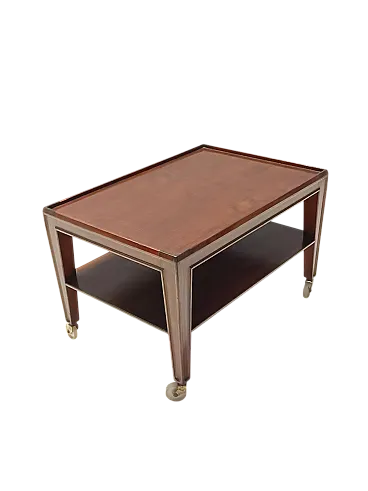
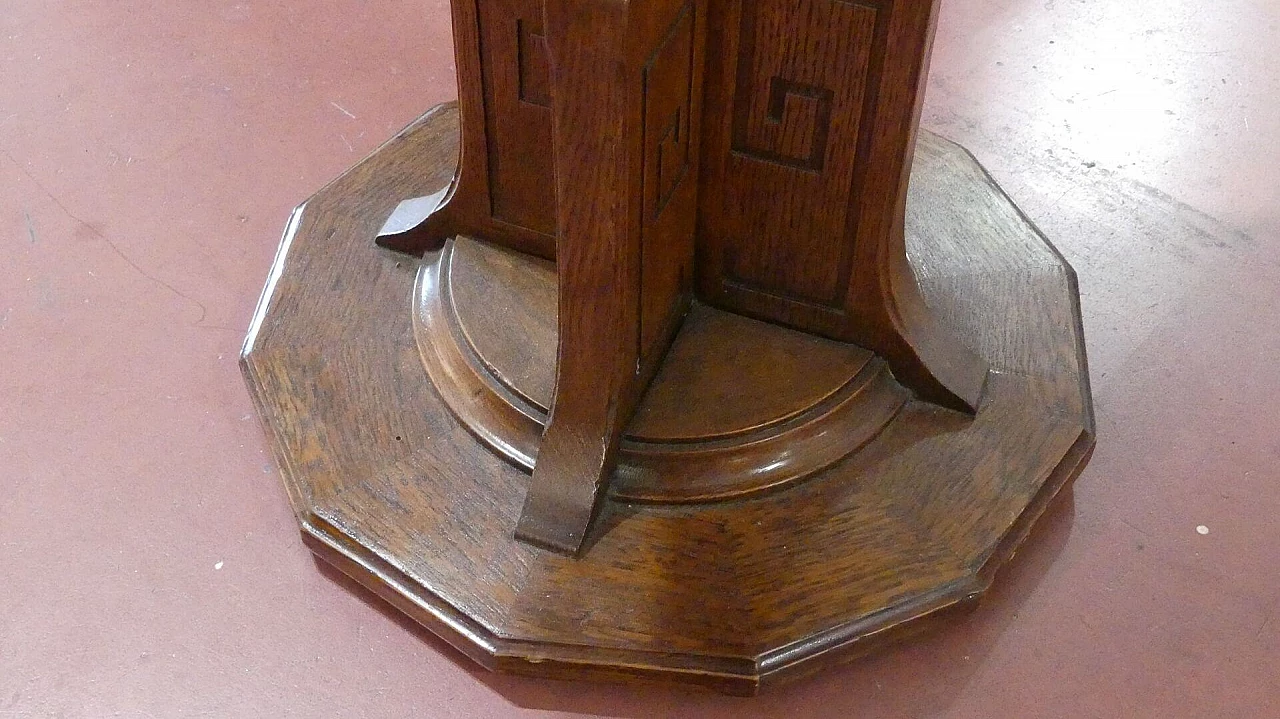
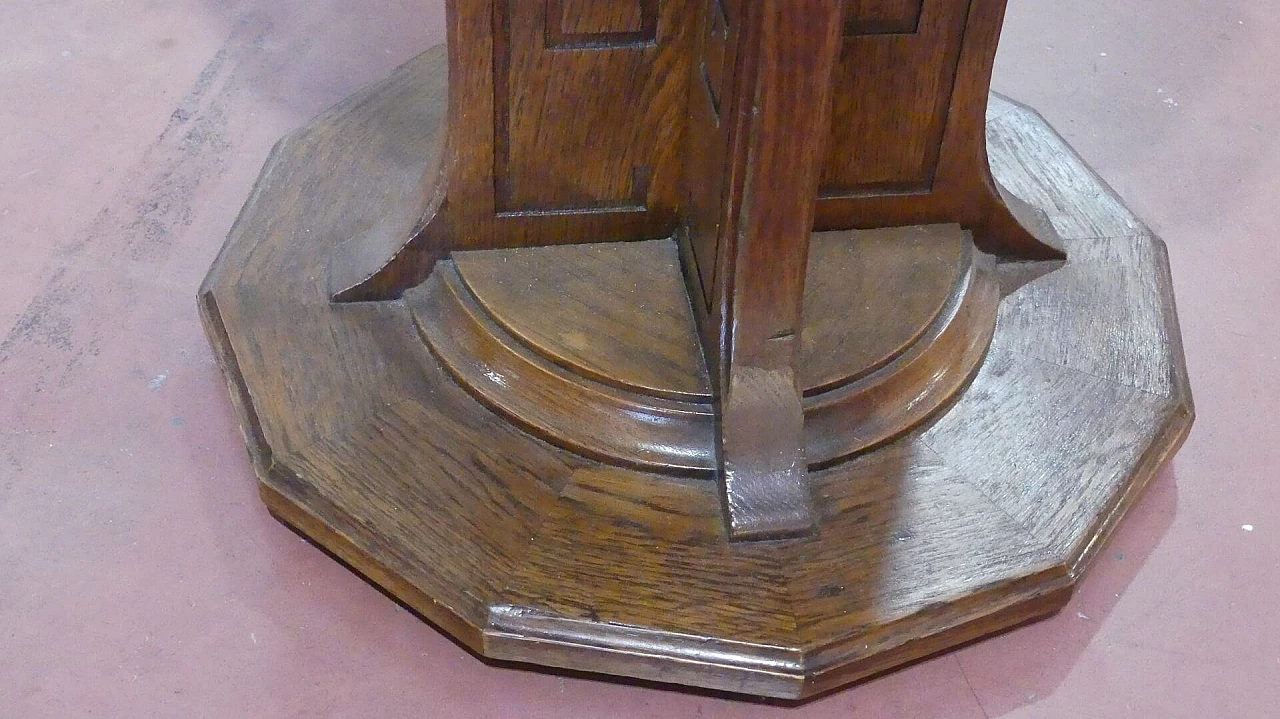
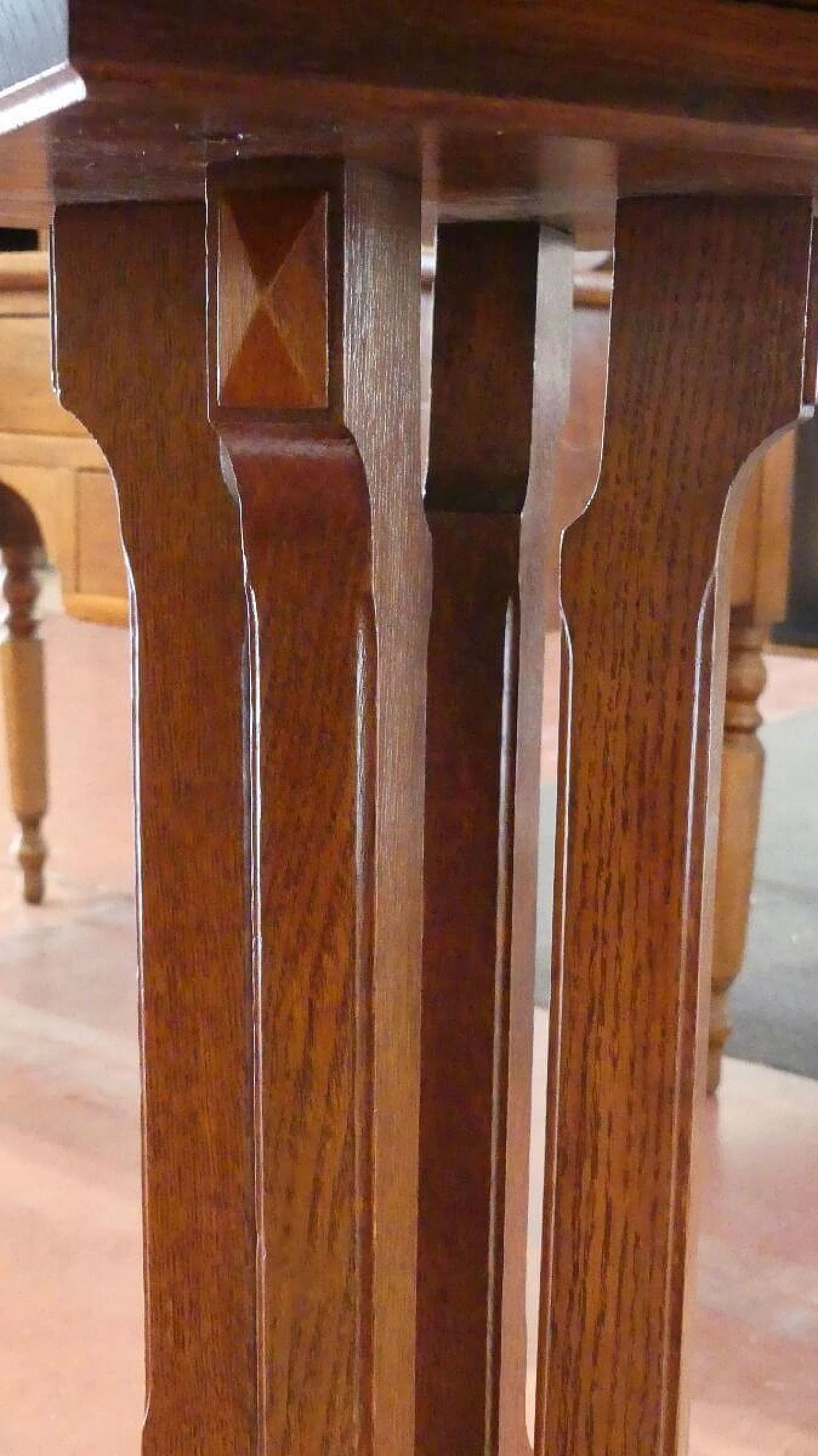
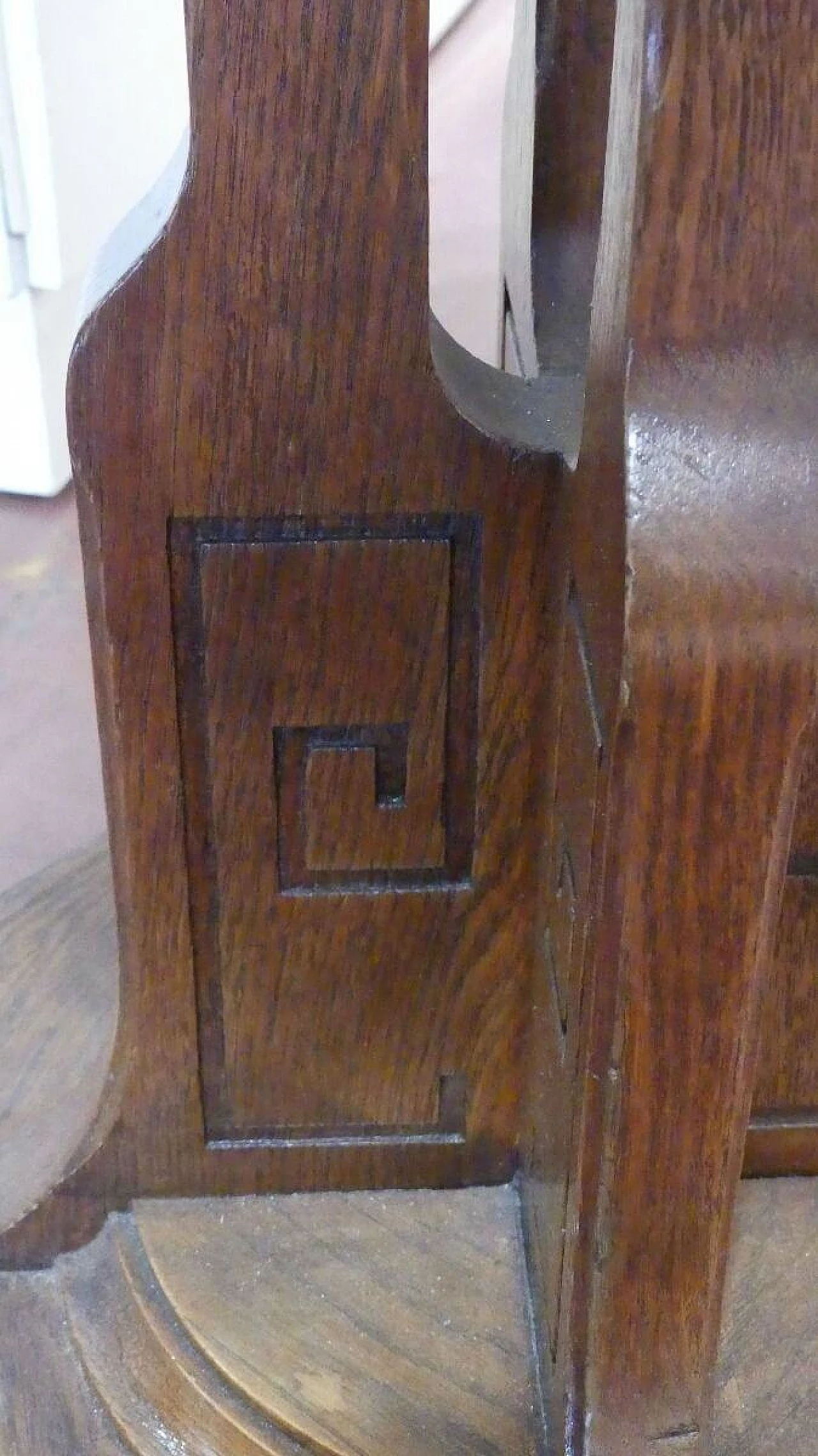
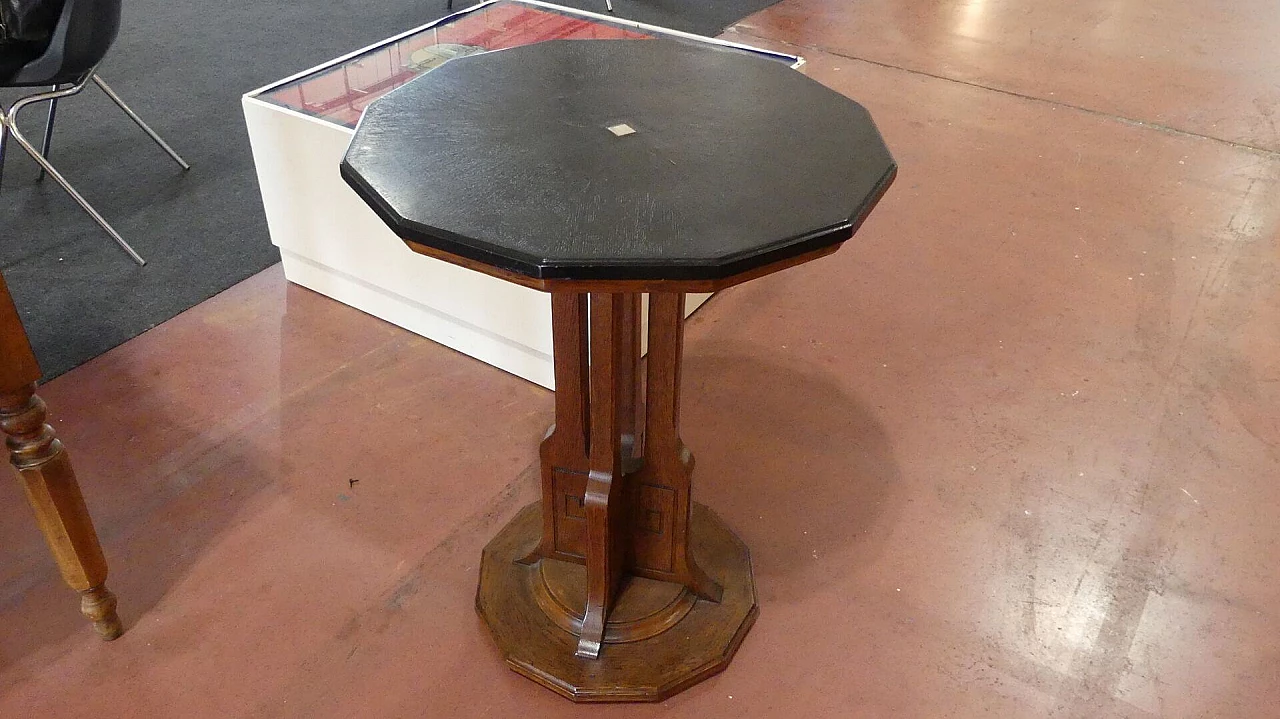
La forma è rigorosamente squadrata, priva di ornamenti superflui. La bellezza del pezzo risiede nelle sue proporzioni e nei dettagli strutturali a vista. Le gambe, a sezione quadrata, terminano con una leggera rastrematura verso il basso, conferendo stabilità visiva senza appesantire la linea. Un elemento distintivo dello stile Arts & Crafts presente in questo modello è il ripiano inferiore a doghe (o listelli), che non solo aggiunge funzionalità ma crea un gioco di luci e ombre tipico del design lineare di area britannica. Questo ripiano funge anche da elemento di rinforzo strutturale per le gambe.
Lo stile Arts & Crafts inglese dei primi del '900 influenzò profondamente la nascita del design moderno. In questo tavolino si percepisce l'influenza di designer come Charles Voysey o le produzioni della Liberty & Co. di Londra. L'enfasi è posta sulla solidità "onesta": l'oggetto deve apparire esattamente per ciò che è, un pezzo di eccellente falegnameria destinato a durare generazioni.
Il tavolino è in ottime condizioni conservative. Gli incastri sono saldi e la superficie mantiene la finitura originale a cera.
È un pezzo estremamente versatile. Grazie alla sua linea pulita, si inserisce perfettamente sia in un salotto classico che in un ambiente contemporaneo, dove il calore del rovere antico funge da contrappunto a materiali freddi come l'acciaio o il vetro.
Il valore di questi pezzi inglesi risiede nella loro atemporalità. A differenza del Liberty continentale, più sinuoso e decorato, l'Arts & Crafts britannico rimane moderno per sempre grazie al suo rigore geometrico. È un acquisto di sostanza, sia estetica che materiale.
----Arts & Crafts Coffee Table
England - Early 1900s (Edwardian Period)
Material: Solid Oak
This coffee table is an excellent example of the philosophy of William Morris and his successors: a return to honesty of materials and clarity of construction, opposed to industrial mass production.
The piece is crafted from oak, the wood symbolic of traditional English craftsmanship. The surface features a warm "blond patina," typical of naturally aged oak, which highlights the wood's broad grain and medullary rays.
The shape is rigorously square, free of superfluous ornamentation. The beauty of the piece lies in its proportions and exposed structural details. The square legs taper slightly downward, lending visual stability without weighing down the line. A distinctive element of the Arts & Crafts style found in this model is the slatted lower shelf, which not only adds functionality but also creates a play of light and shadow typical of linear British design. This shelf also serves as a structural reinforcement for the legs.
The English Arts & Crafts style of the early 1900s profoundly influenced the birth of modern design. This coffee table reveals the influence of designers like Charles Voysey and the production of Liberty & Co. of London. The emphasis is on "honest" solidity: the object must appear exactly as it is, a piece of excellent woodwork designed to last for generations.
The coffee table is in excellent condition. The joints are secure, and the surface retains its original wax finish.
It is an extremely versatile piece. Thanks to its clean lines, it fits perfectly in both a classic living room and a contemporary setting, where the warmth of antique oak serves as a counterpoint to cold materials like steel or glass.
The value of these English pieces lies in their timelessness. Unlike continental Liberty, which is more sinuous and ornate, British Arts & Crafts remains eternally modern thanks to its geometric rigor. It is a purchase of substance, both aesthetically and materially.


.png)
 Venditore SILVER a Ferrara, Italy