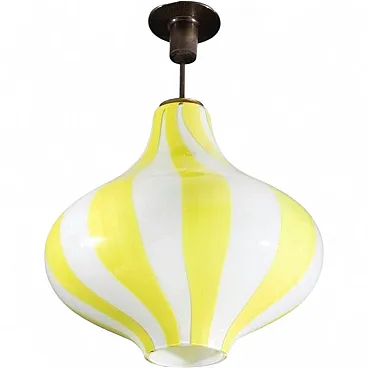
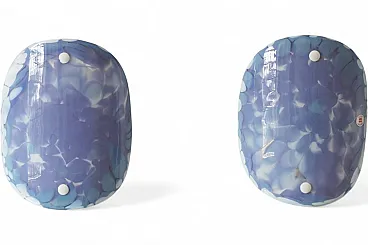
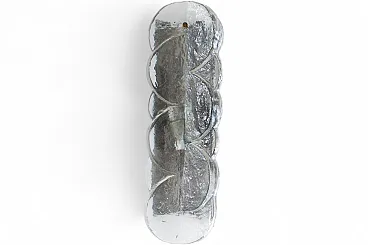
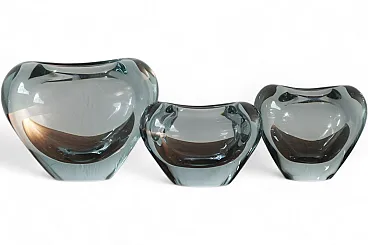
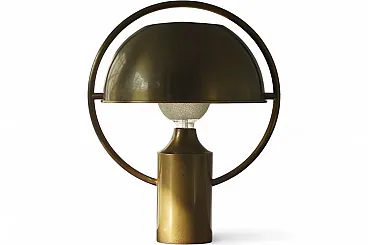
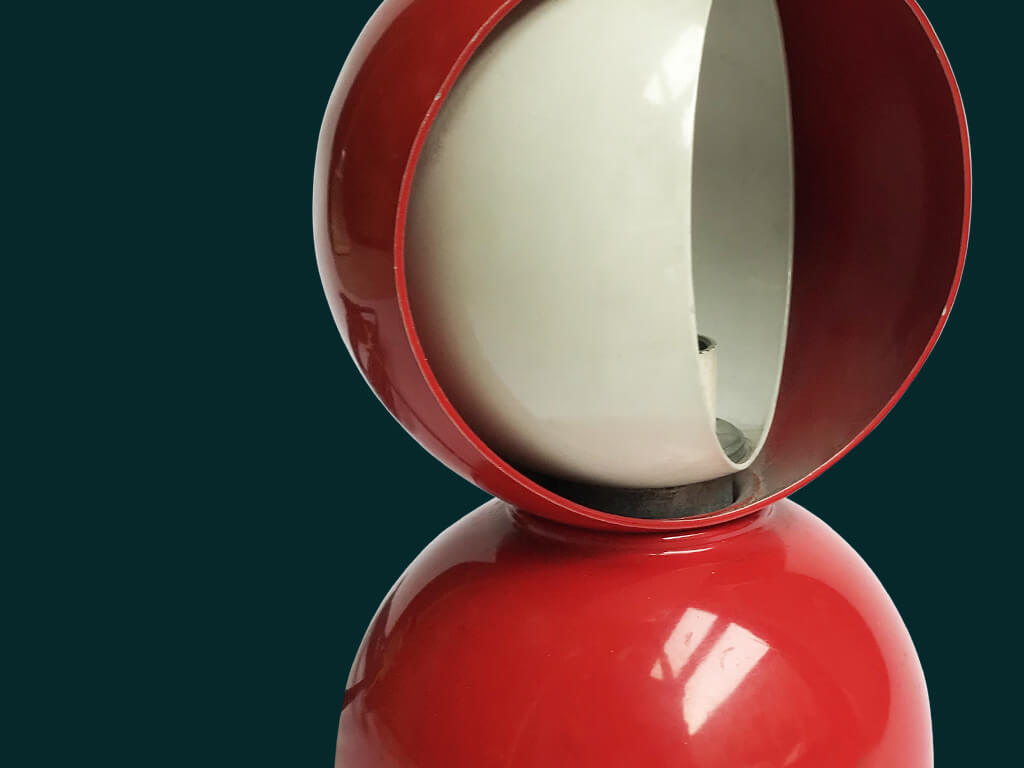
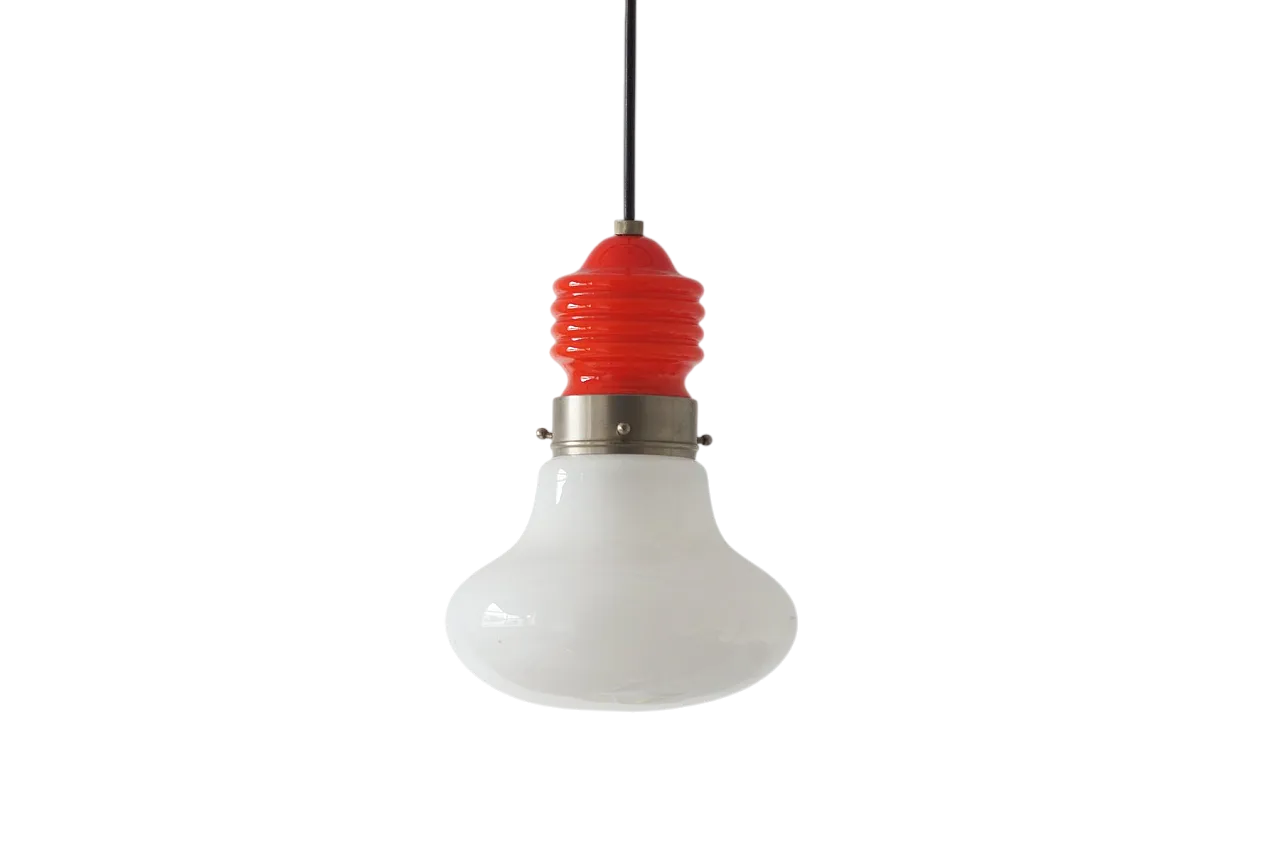
A lamp in the shape of a light bulb - a simple but brilliant concept. Design that turned the world's head as early as the 1960s, becoming a symbol of courage, a sense of humor and love of industrial aesthetics. The forerunner of this trend is considered to be German designer Ingo Maurer, who in 1966 created the legendary “Bulb” lamp - that is, a light bulb in a light bulb. The design was a manifesto - Maurer elevated an everyday, invisible object to the status of art. He embedded a classic light bulb in a large glass form, creating a pop art icon in the lighting edition. Interestingly - Maurer was inspired by Marcel Duchamp, as well as the spirit of ready-made. The "Bulb" lamp was later included in the collection of the Museum of Modern Art (MoMA) in New York and recognized as a classic of the 20th century. The lamps look like enlarged light bulbs, but have the soul of design. Simple form, brilliant play of associations. It was part of the growing love of industrial aesthetics in the 1960s and 1970s: visible cables, concrete, glass and metal. The form of the light bulb became a metaphor for an idea, an inspiration, a “Eureka!” moment. - ideal for creative spaces. The designers wanted to expose what was usually hidden - and so the light bulb, previously camouflaged in lampshades, became the star of the evening. The first “Bulb” from 1966 was a pioneering ready-made in light, and later models are creative developments of the theme. Here, the presented minimalist Italian version with stunningly precise glass


.png)


 SILVER Seller in Powiat Warszawa, Poland