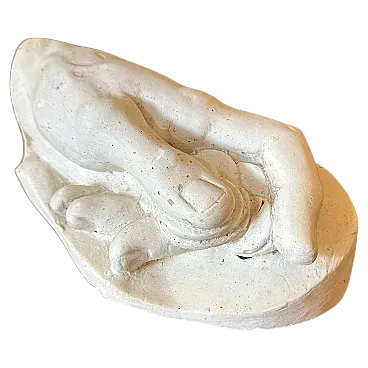







Neoclassical revival alabaster sculpture of a foot, last 19th century



.png)
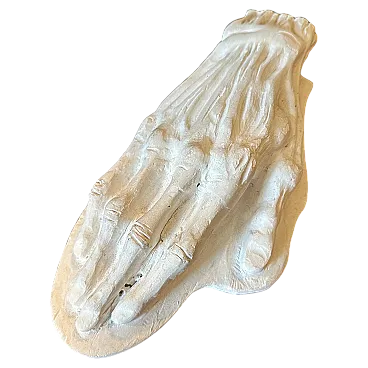
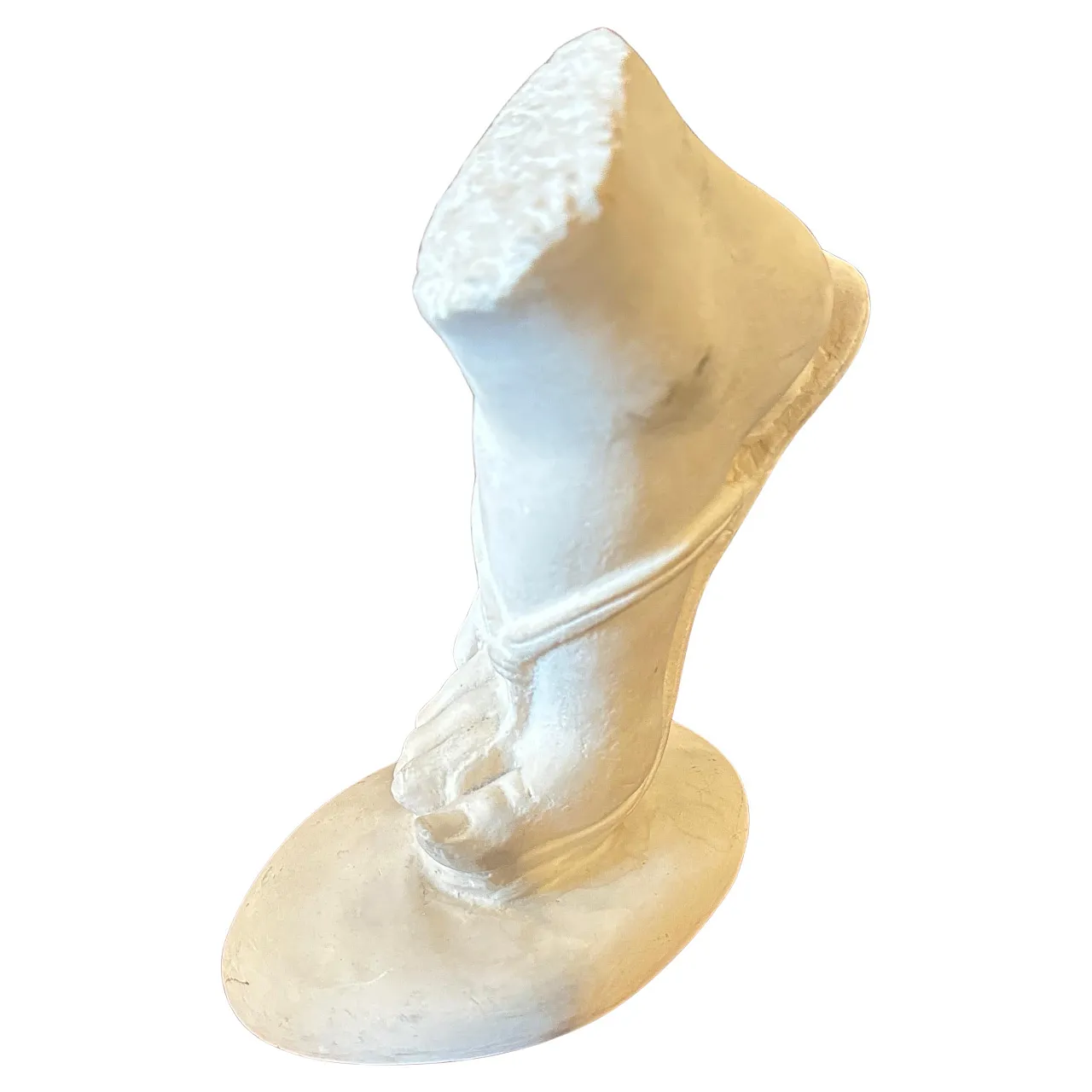
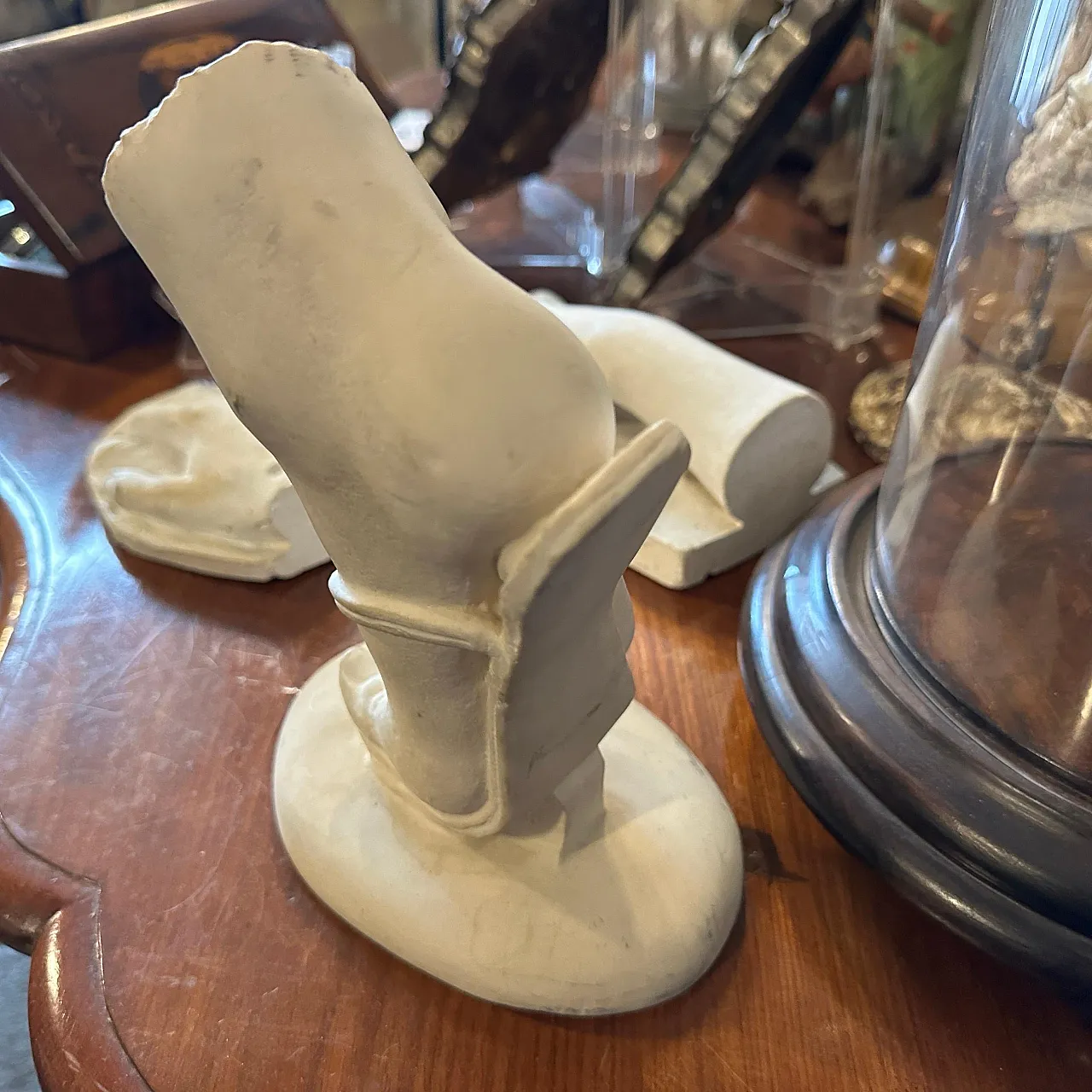
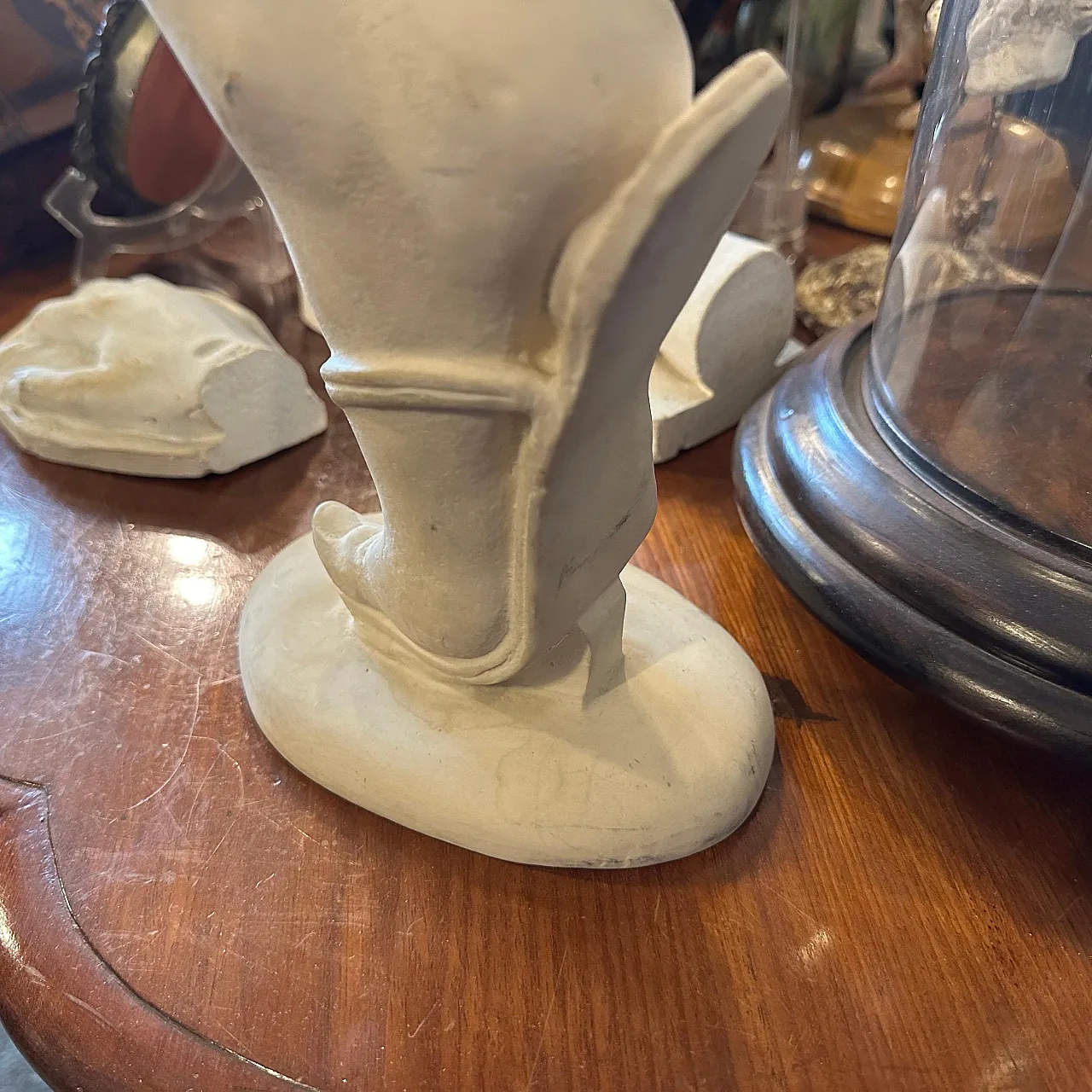
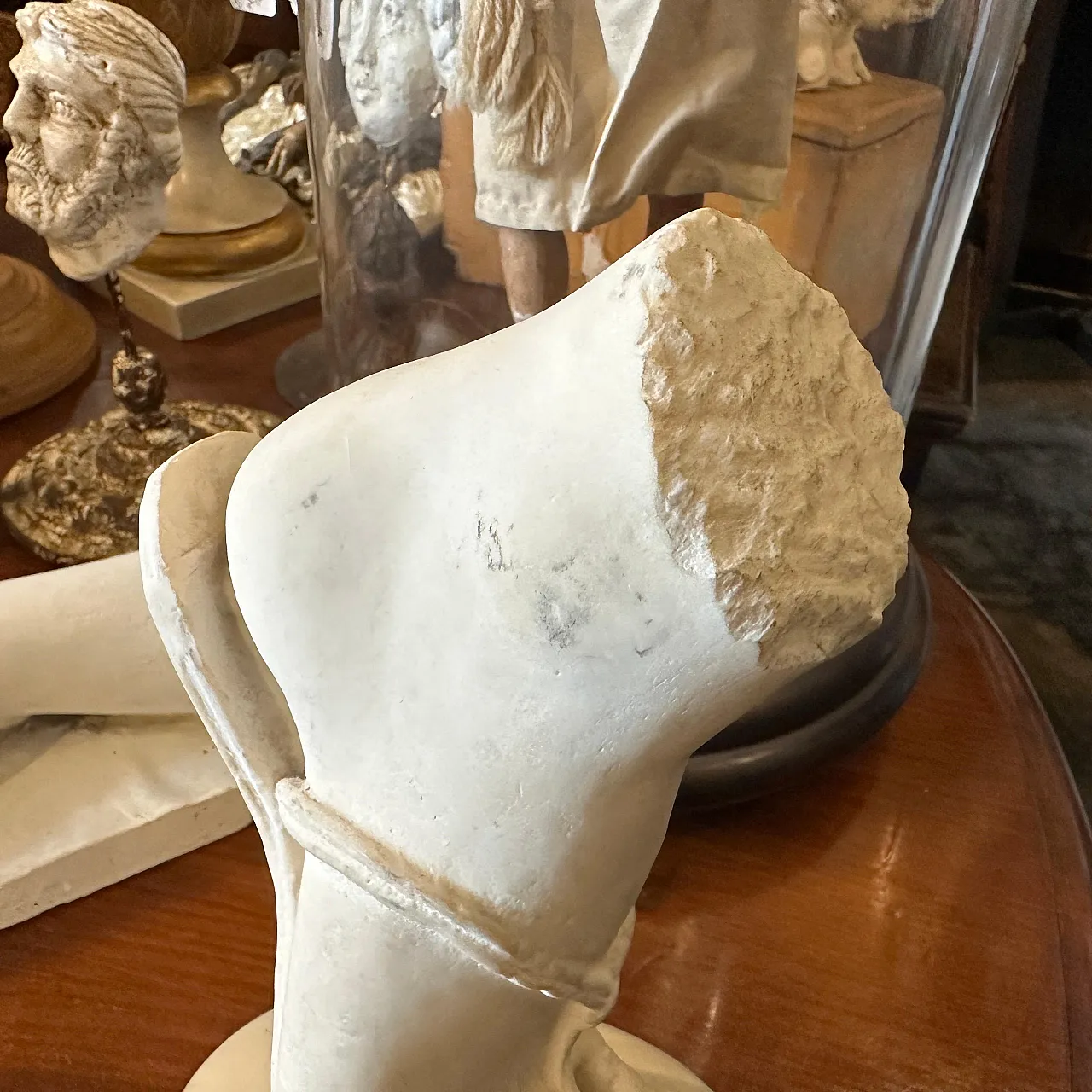
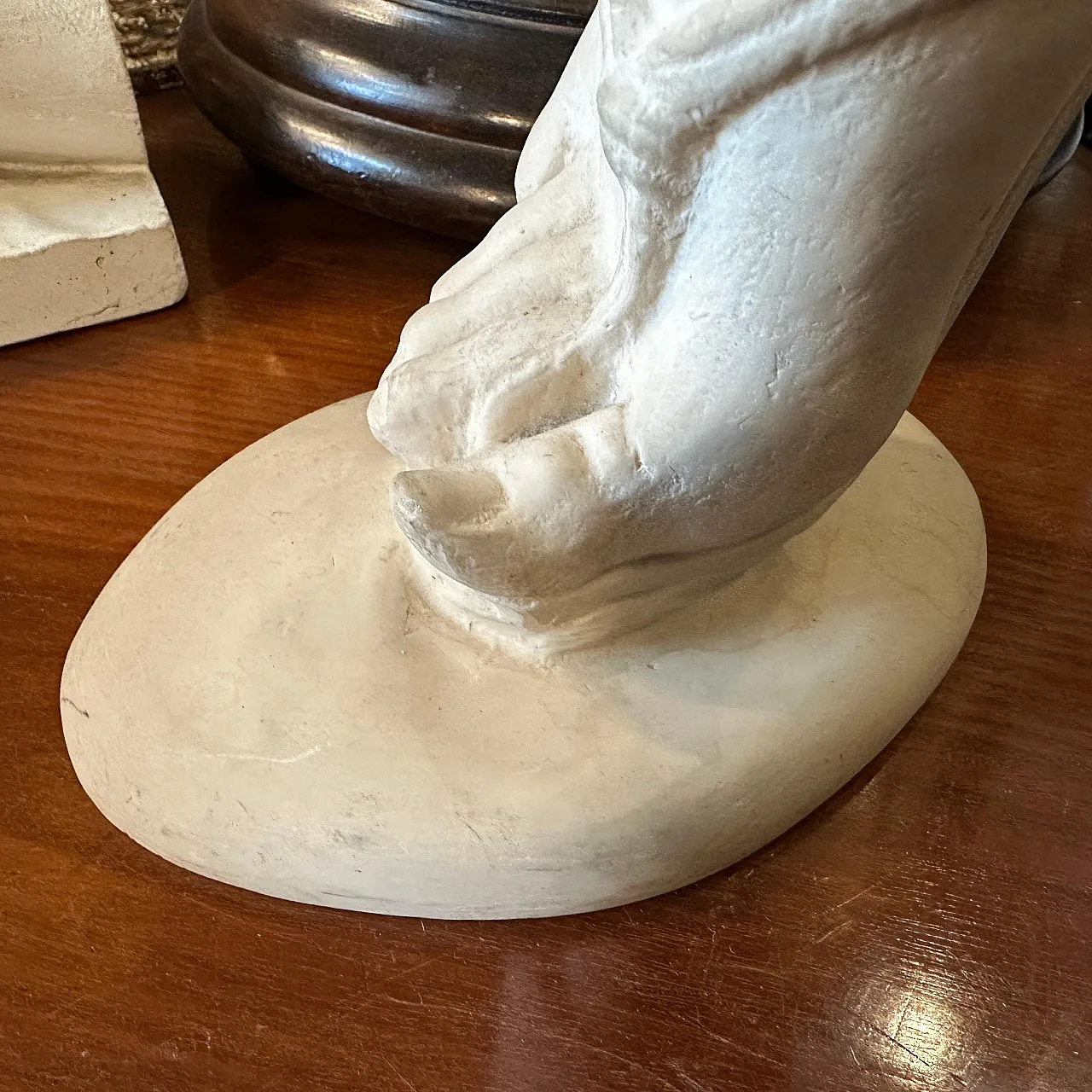
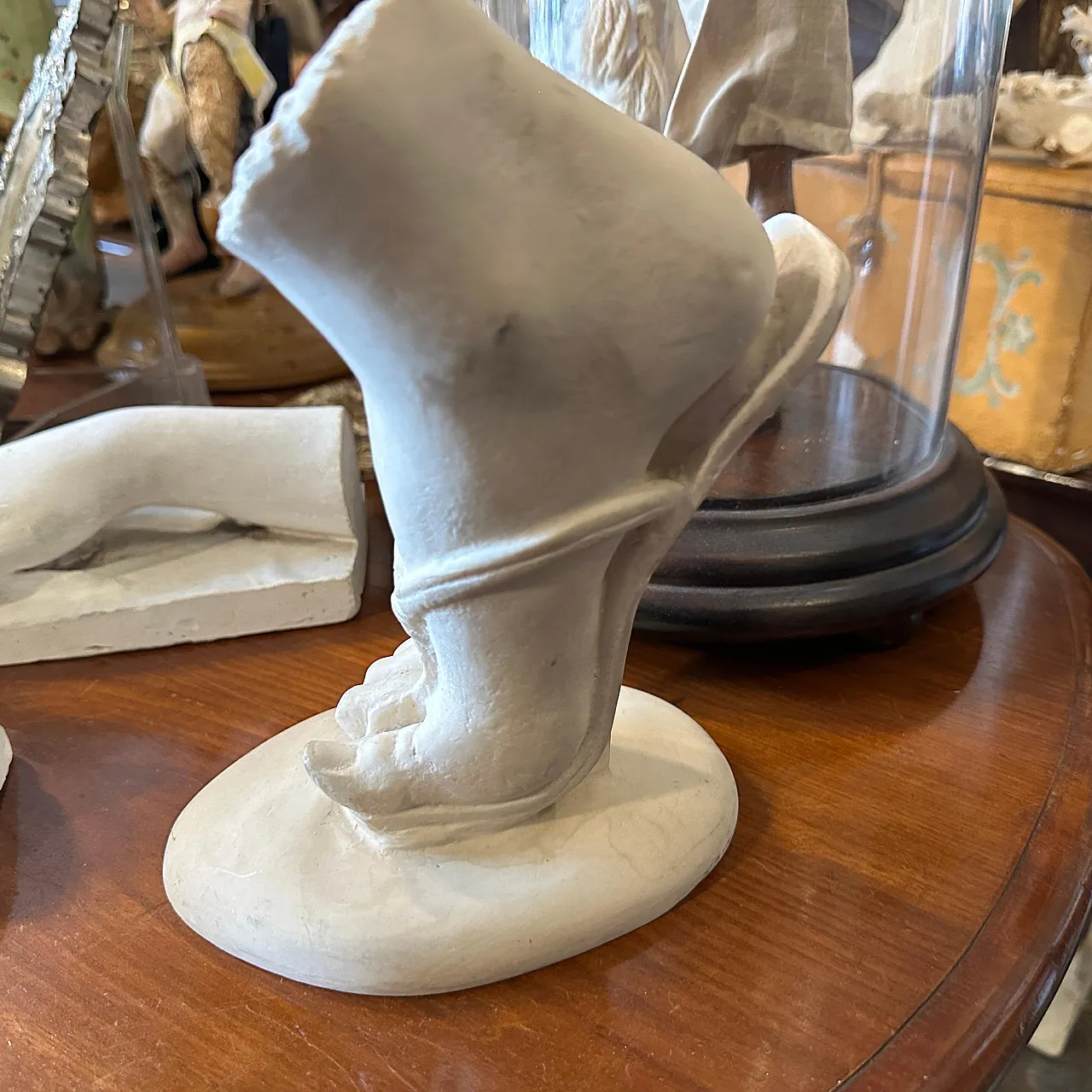
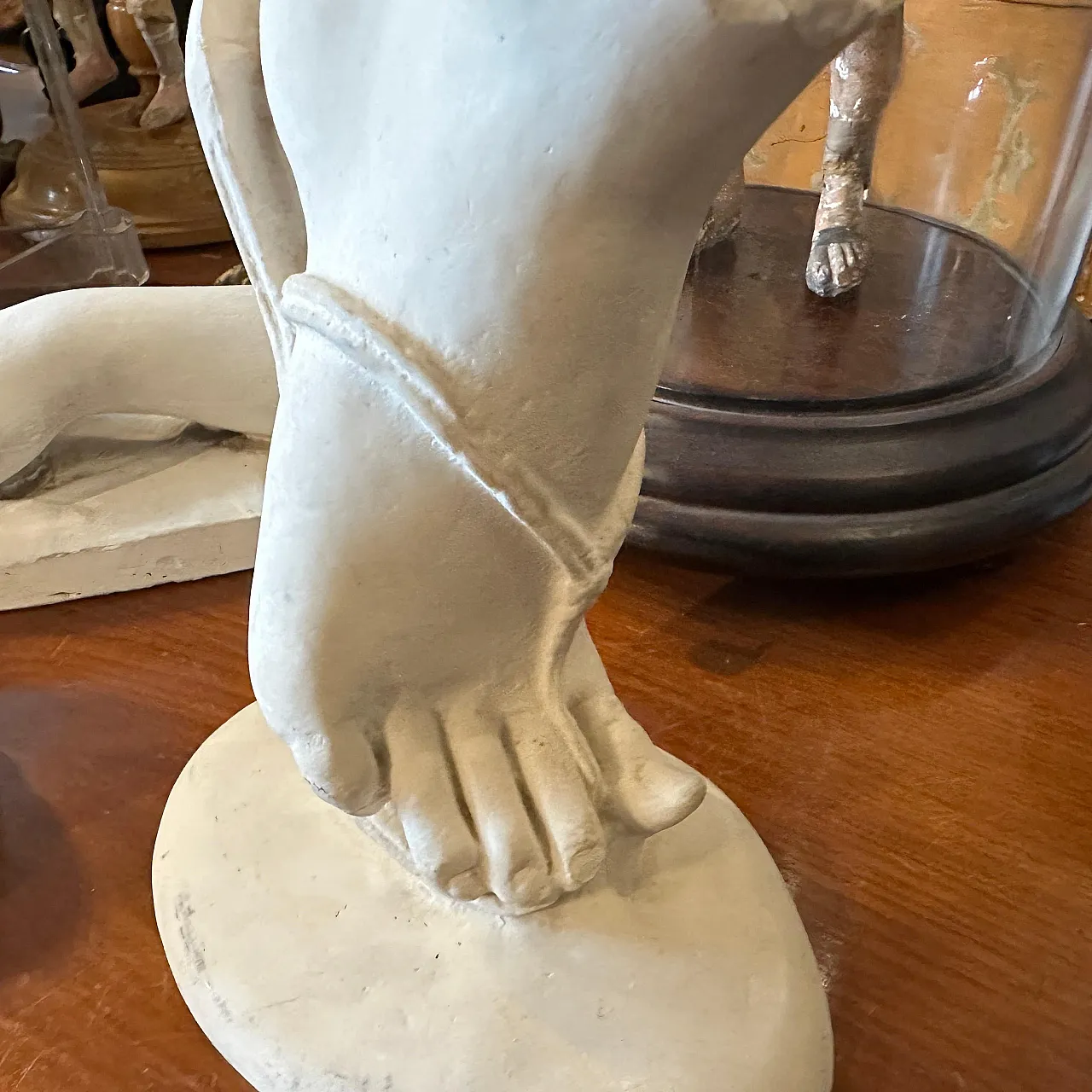
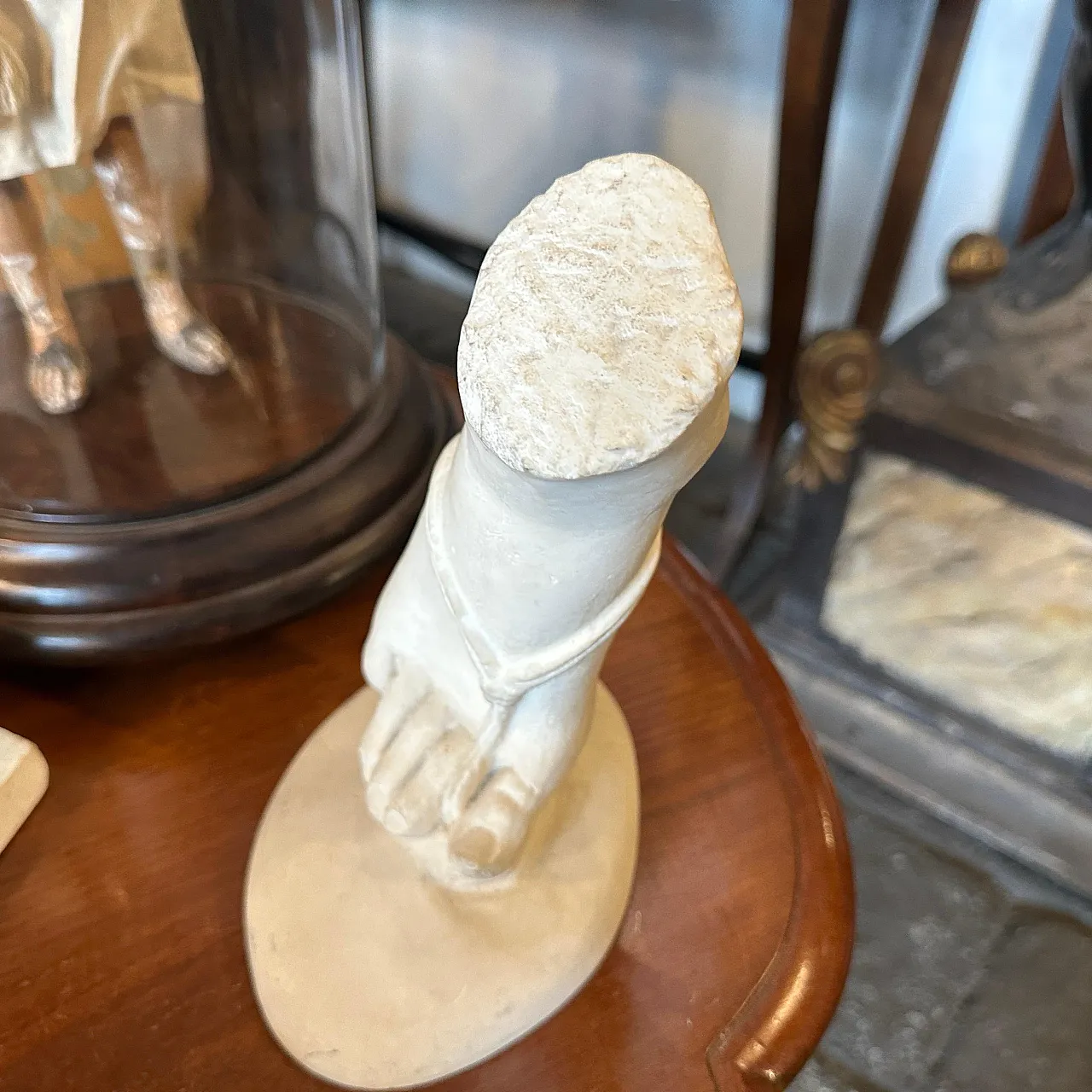
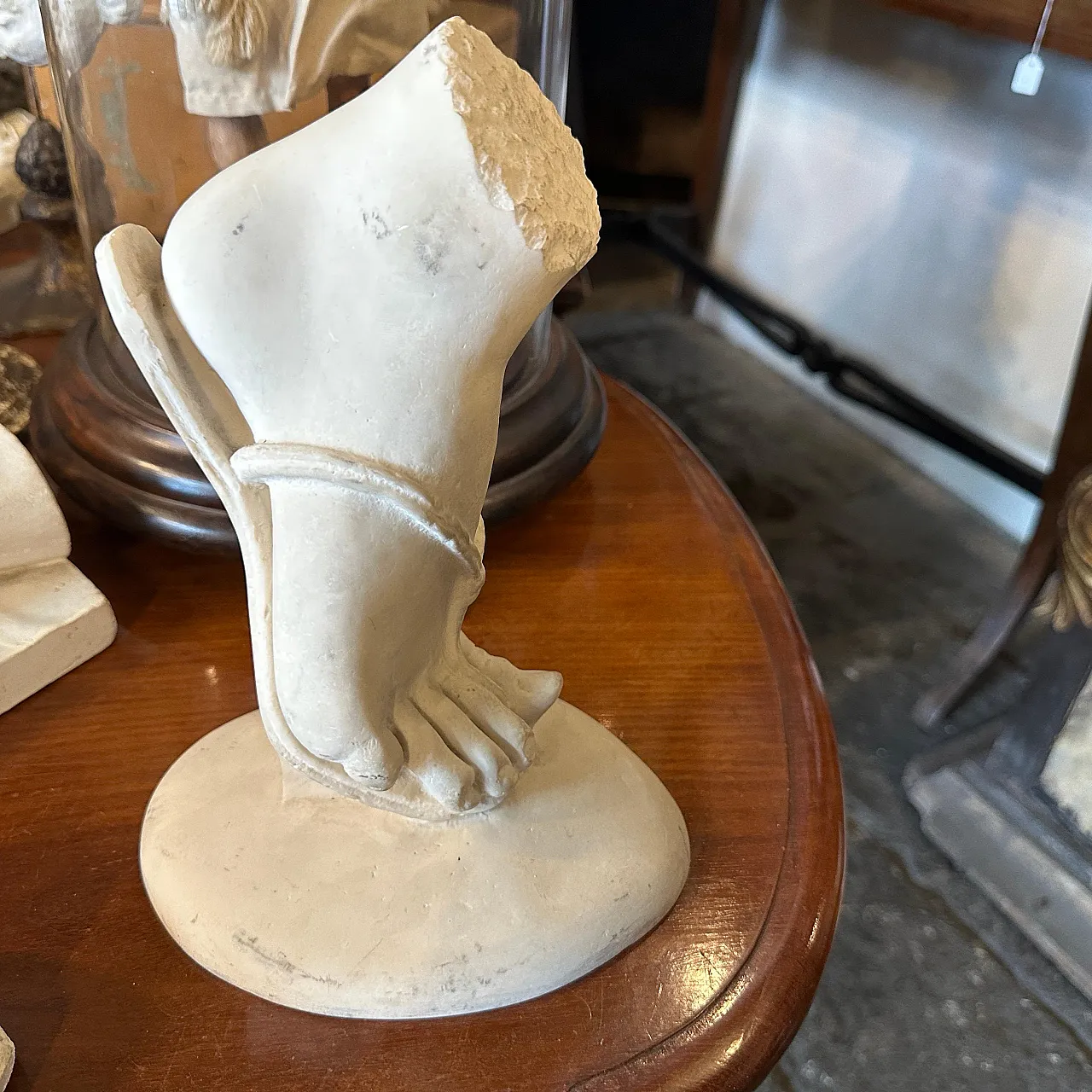
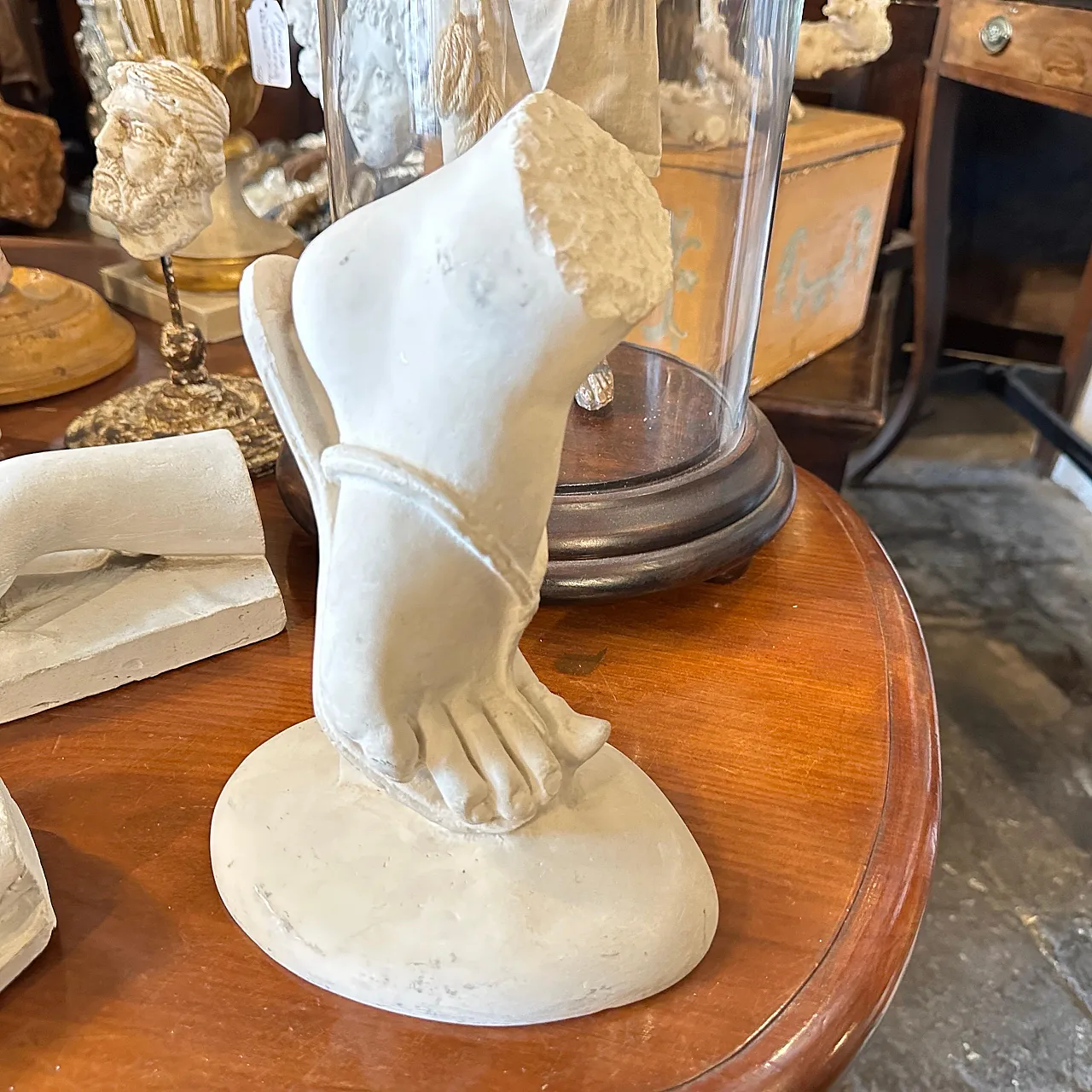
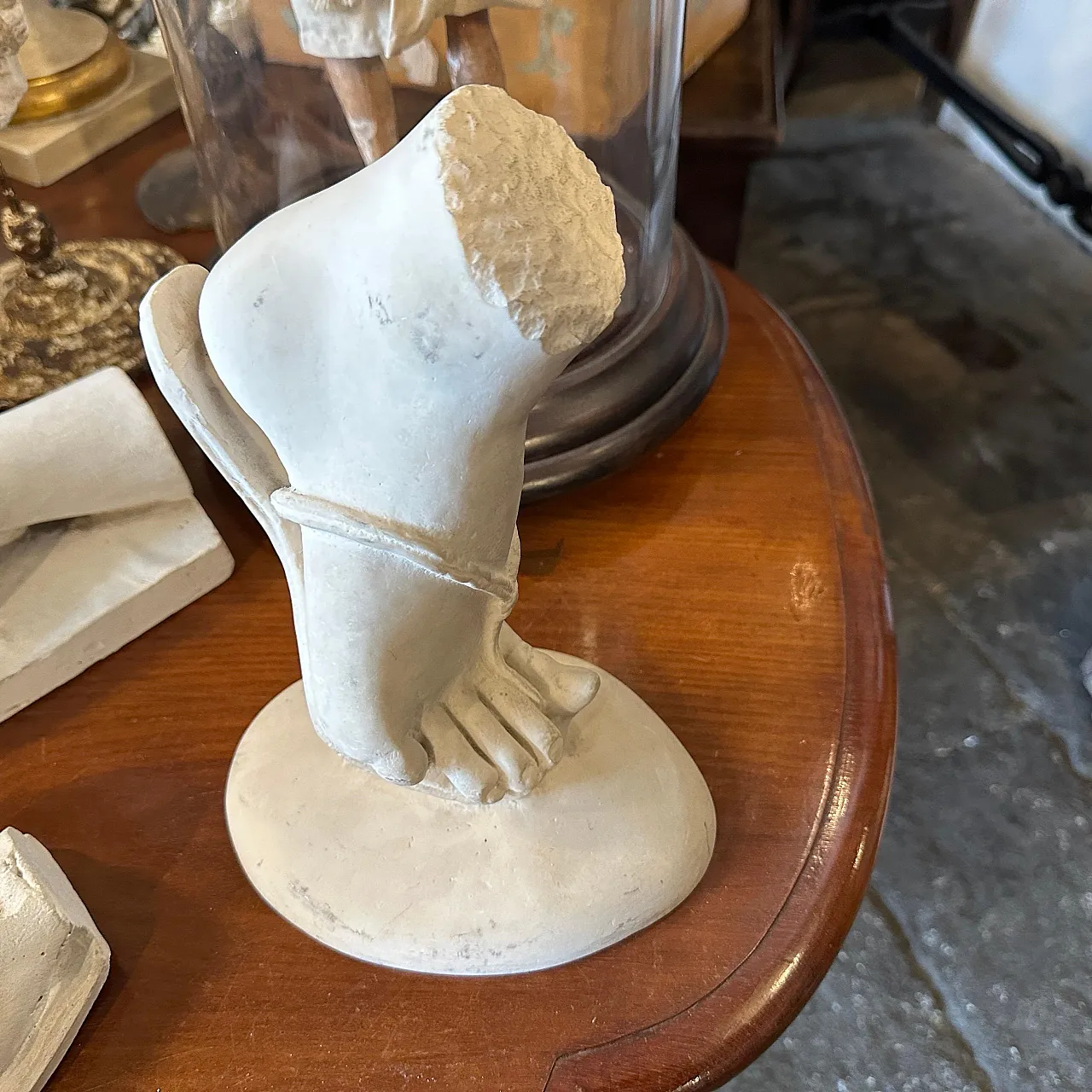
This is a 19th-century alabaster Italian sculpture depicting a foot wearing a classical sandal. During the 19th century, particularly in Europe, there was a strong Neoclassical revival in art. Inspired by the rediscovery of ancient Roman and Greek art through archaeological finds (like Pompeii and Herculaneum), artists and sculptors began emulating classical forms, themes, and techniques. The sculpture is highly detailed, showcasing the anatomical realism typical of neoclassical art from that era. The foot is positioned as if stepping forward, with the sandal's thong wrapping around the toes and ankle in a manner consistent with Greco-Roman footwear. The piece is on a simple oval base, and the top of the sculpture is roughly hewn, indicating it may be a fragment of a larger statue or intentionally created as a study or decorative fragment. The craftsmanship highlights the delicate carving typical of alabaster, a soft stone often used for detailed sculpture work in the 19th century. The unfinished or broken upper part adds to the classical fragment aesthetic, which was very much in vogue in the 1800s, emphasizing the beauty of time-worn ruins. It's in original condition with normal signs of use and age.
ID: 28678-1744970552-122496
Time period

 SILVER Seller in Catania, Italy