A precious and extremely rare collection of cutlery adorned with heraldic crests is a true treasure, combining both aesthetic and historical value. These sets, often made from precious metals such as silver or gold, symbolize high status and provide a fascinating glimpse into the history and traditions of the noble families to which they belonged. Below is an overview of their key features and significance:
Collection Features
Precious Materials:
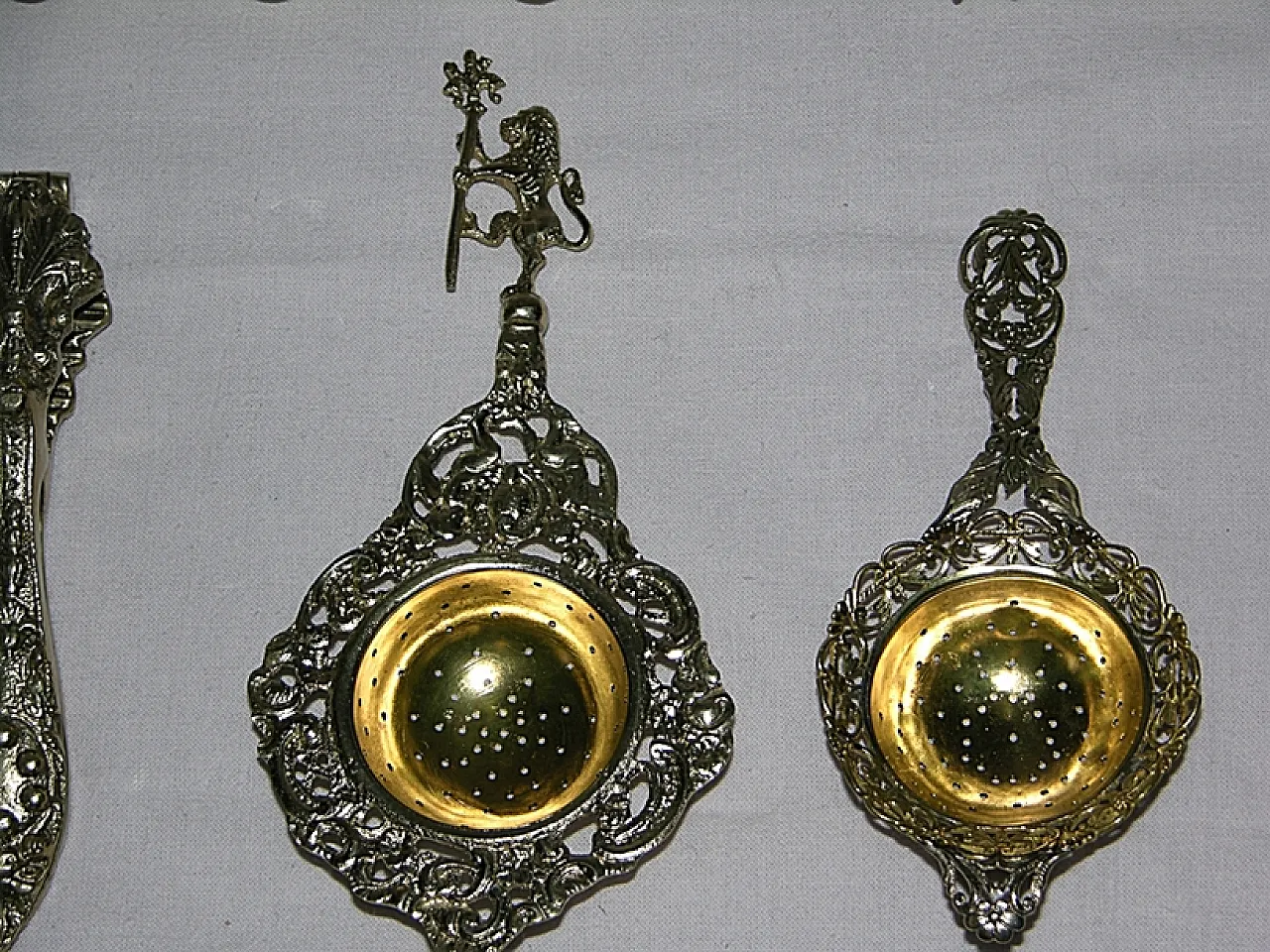
Period cutlery with heraldic crests is often crafted in solid silver, sometimes accented with gold, mother-of-pearl, or enamel. The use of noble materials not only ensures elegance and durability but also reflects the prestige of the owning family.
Heraldic Details:
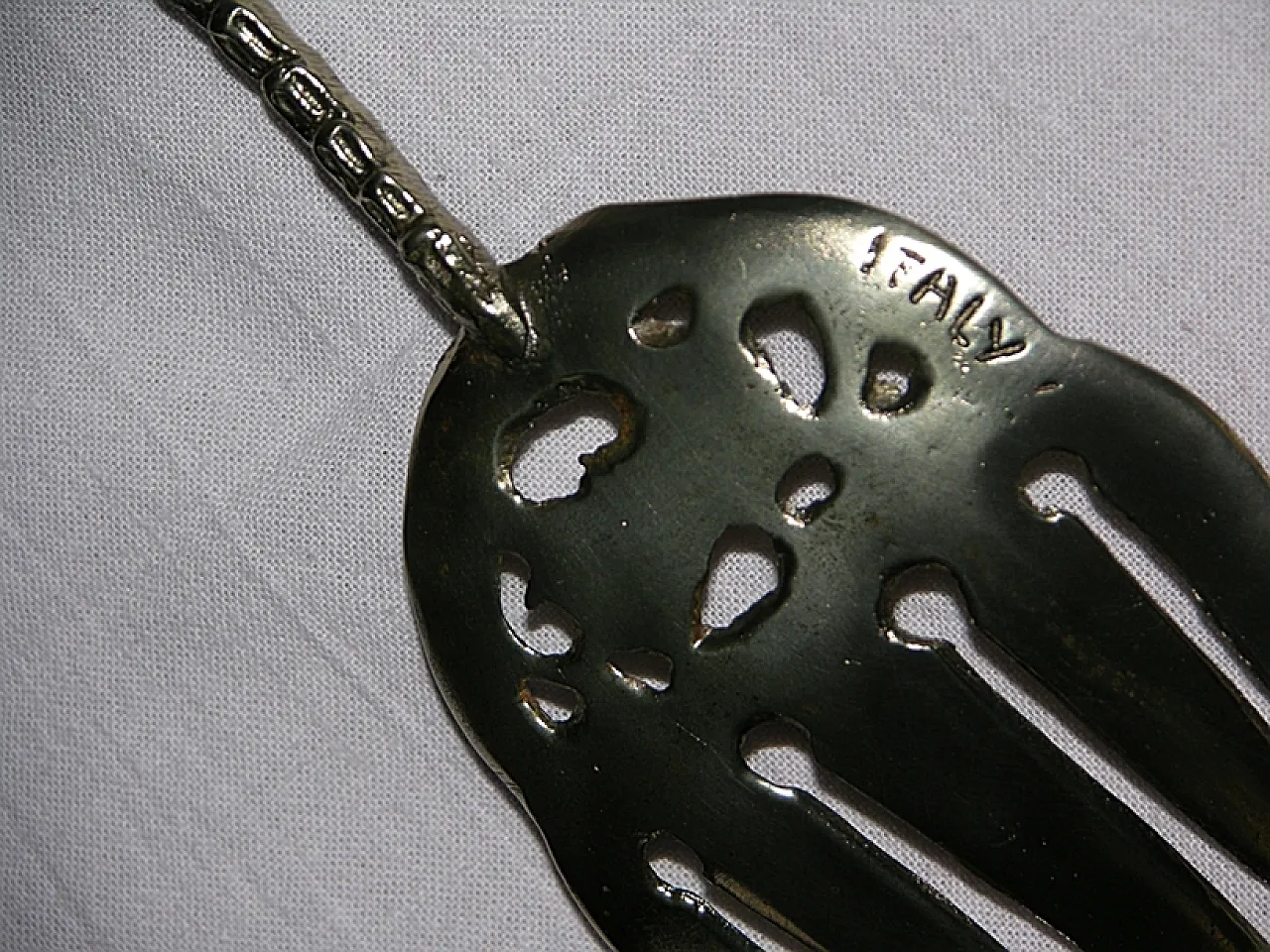
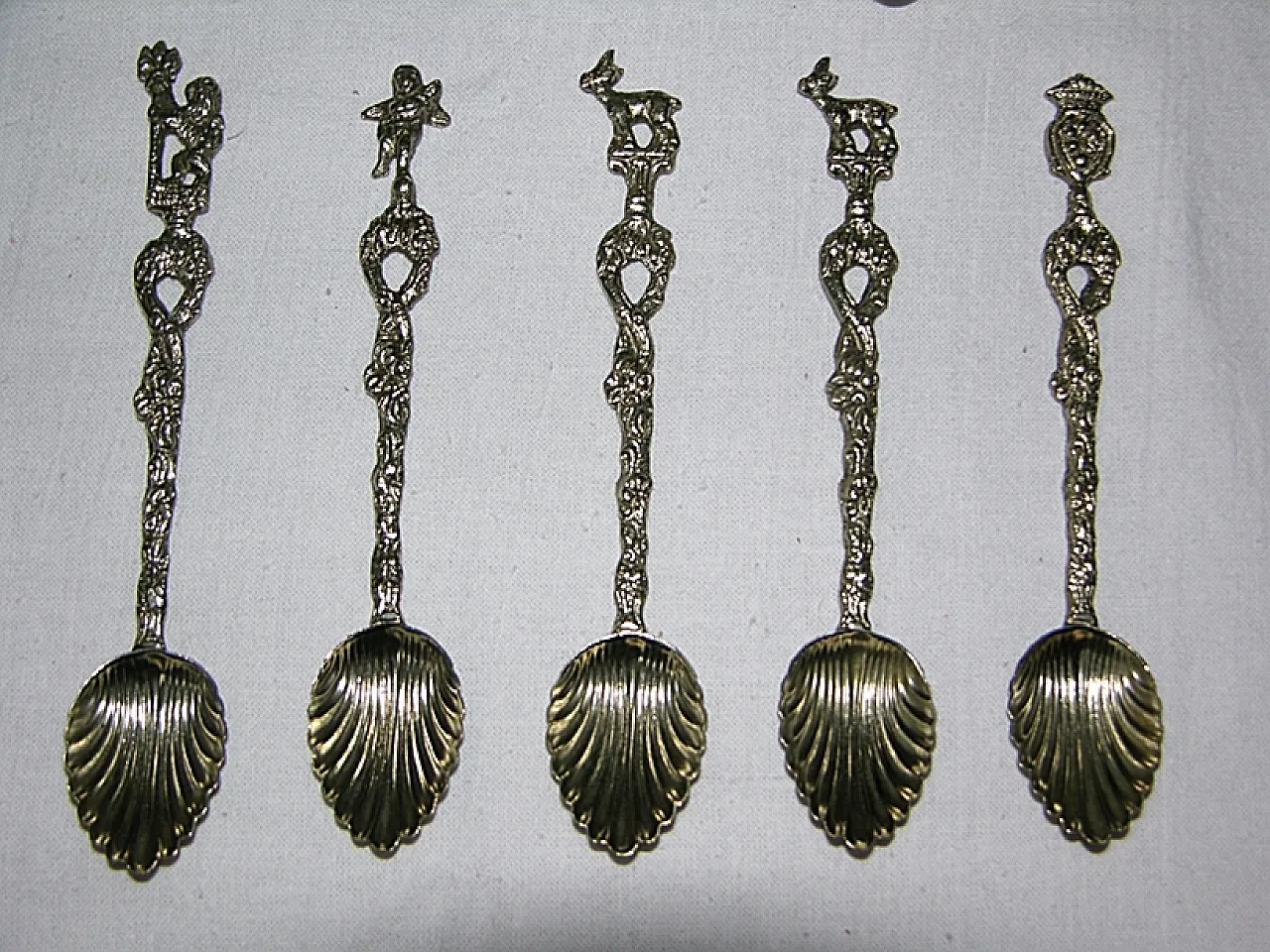
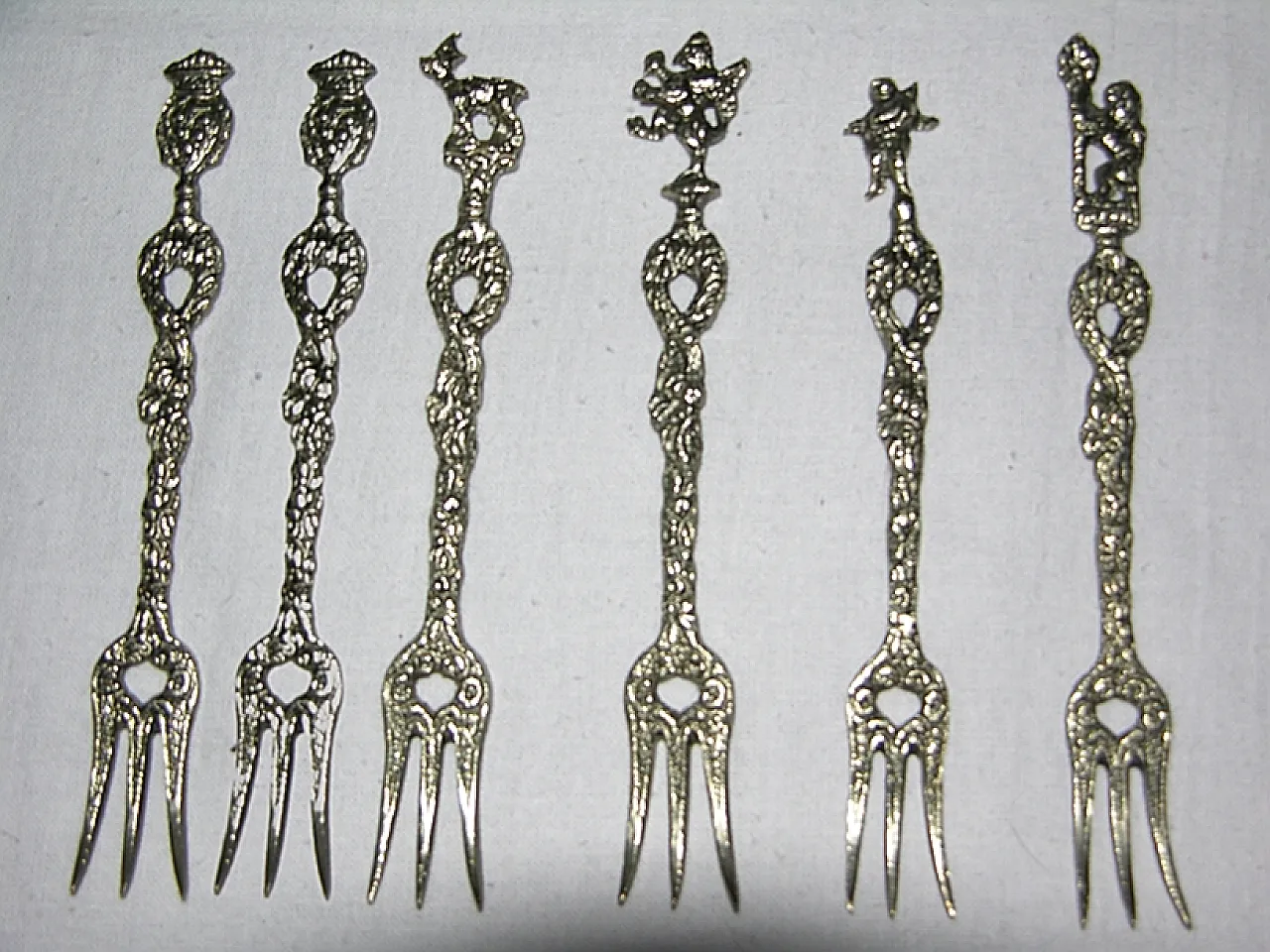
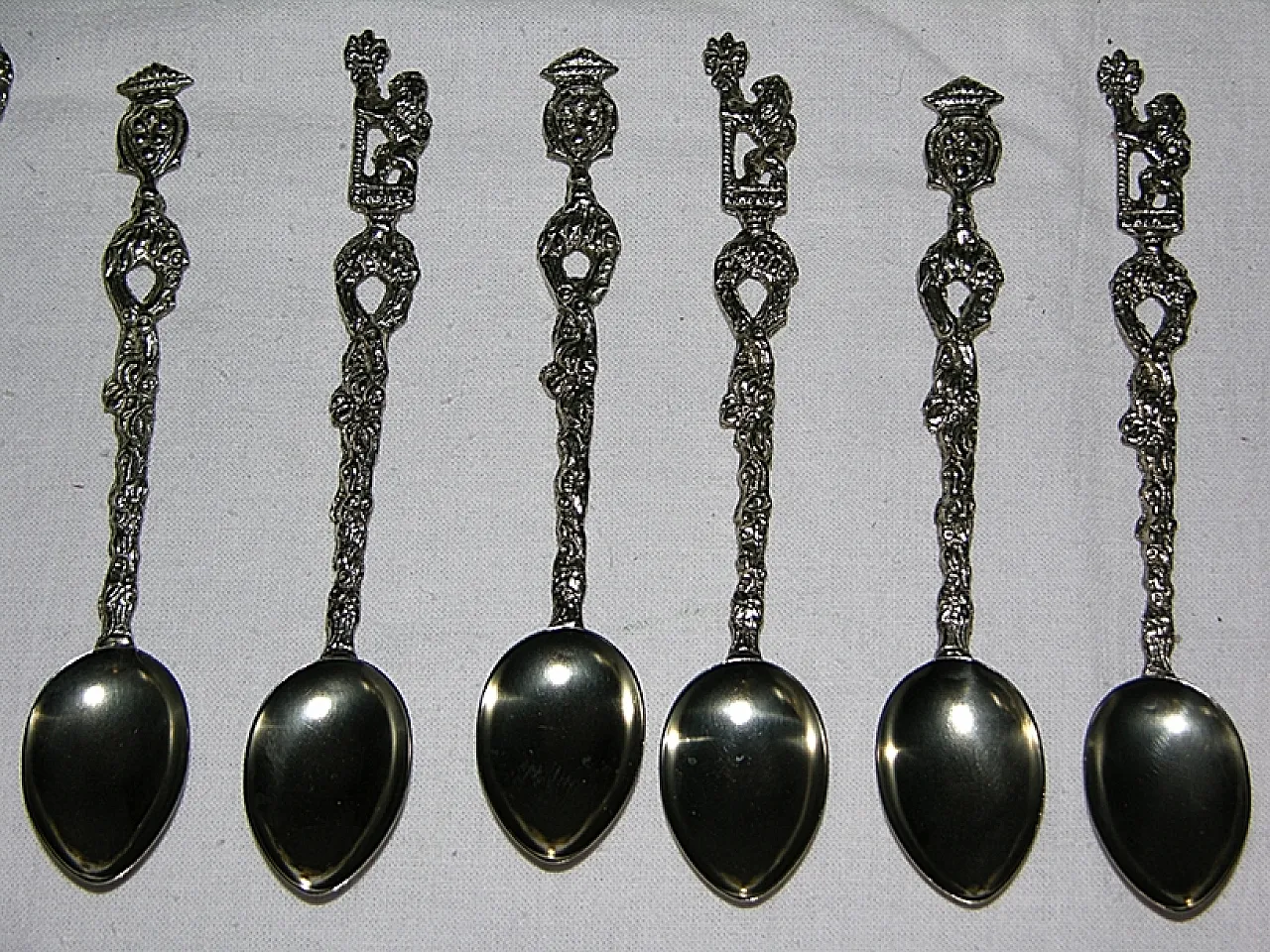
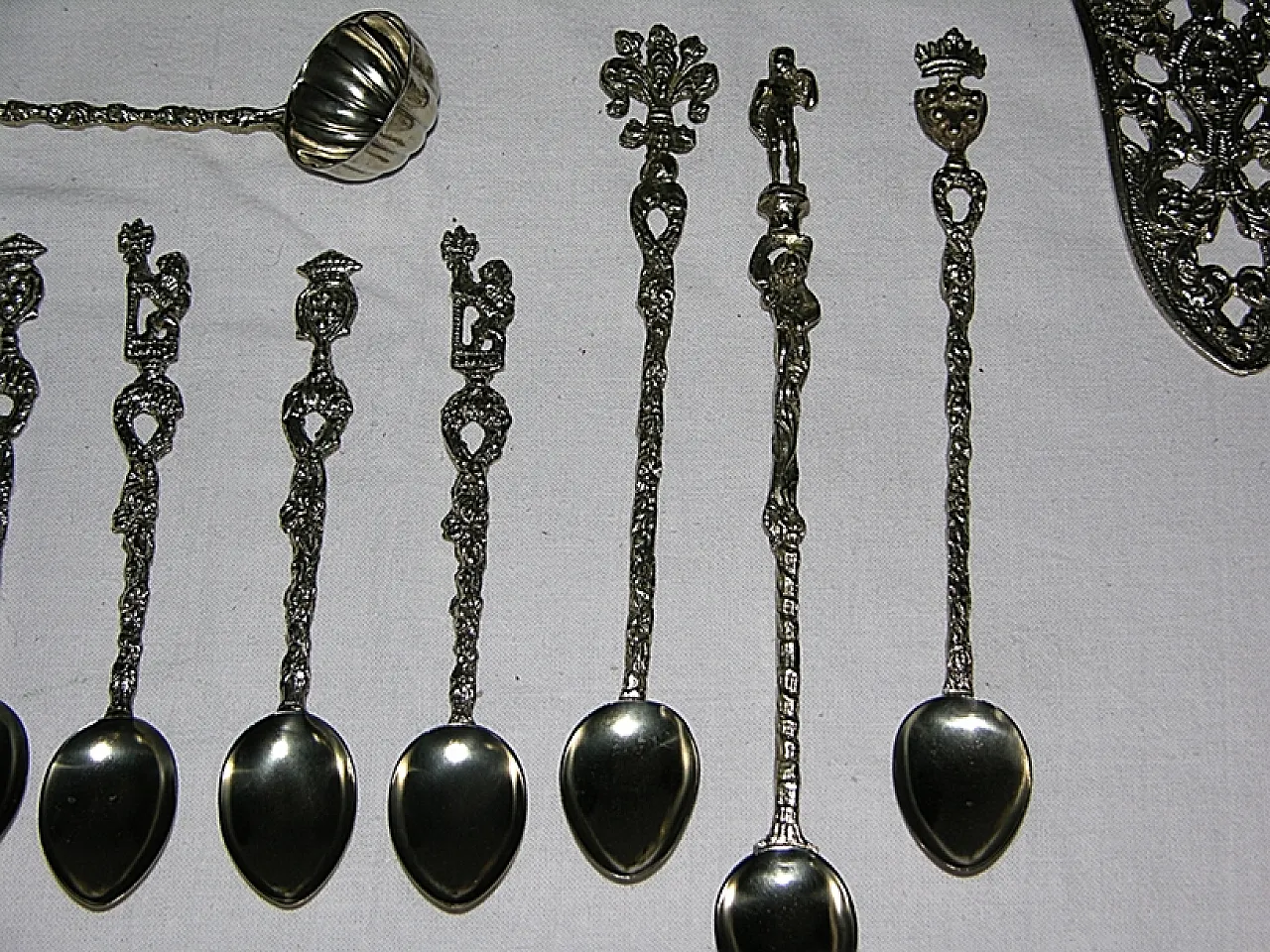
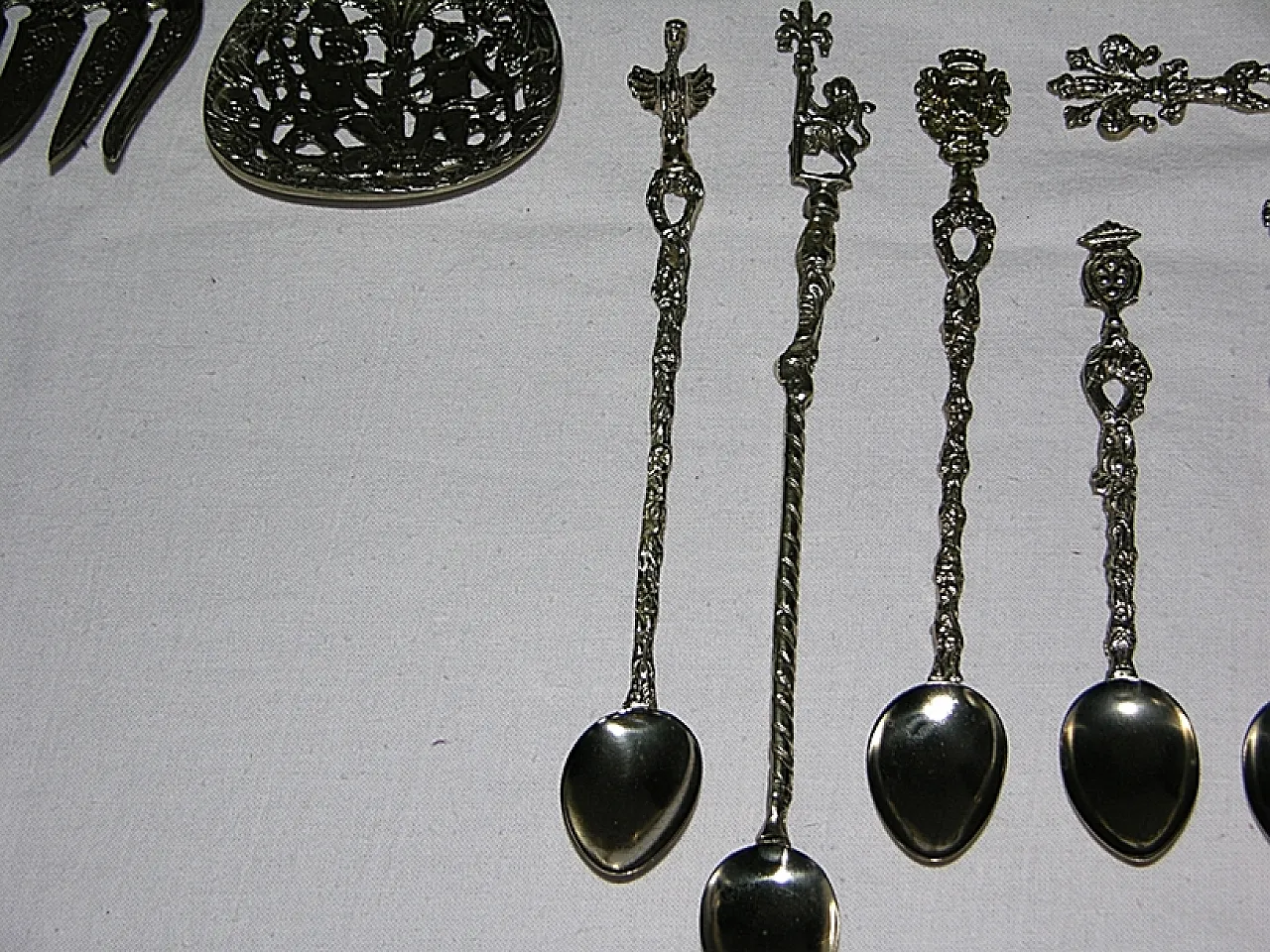
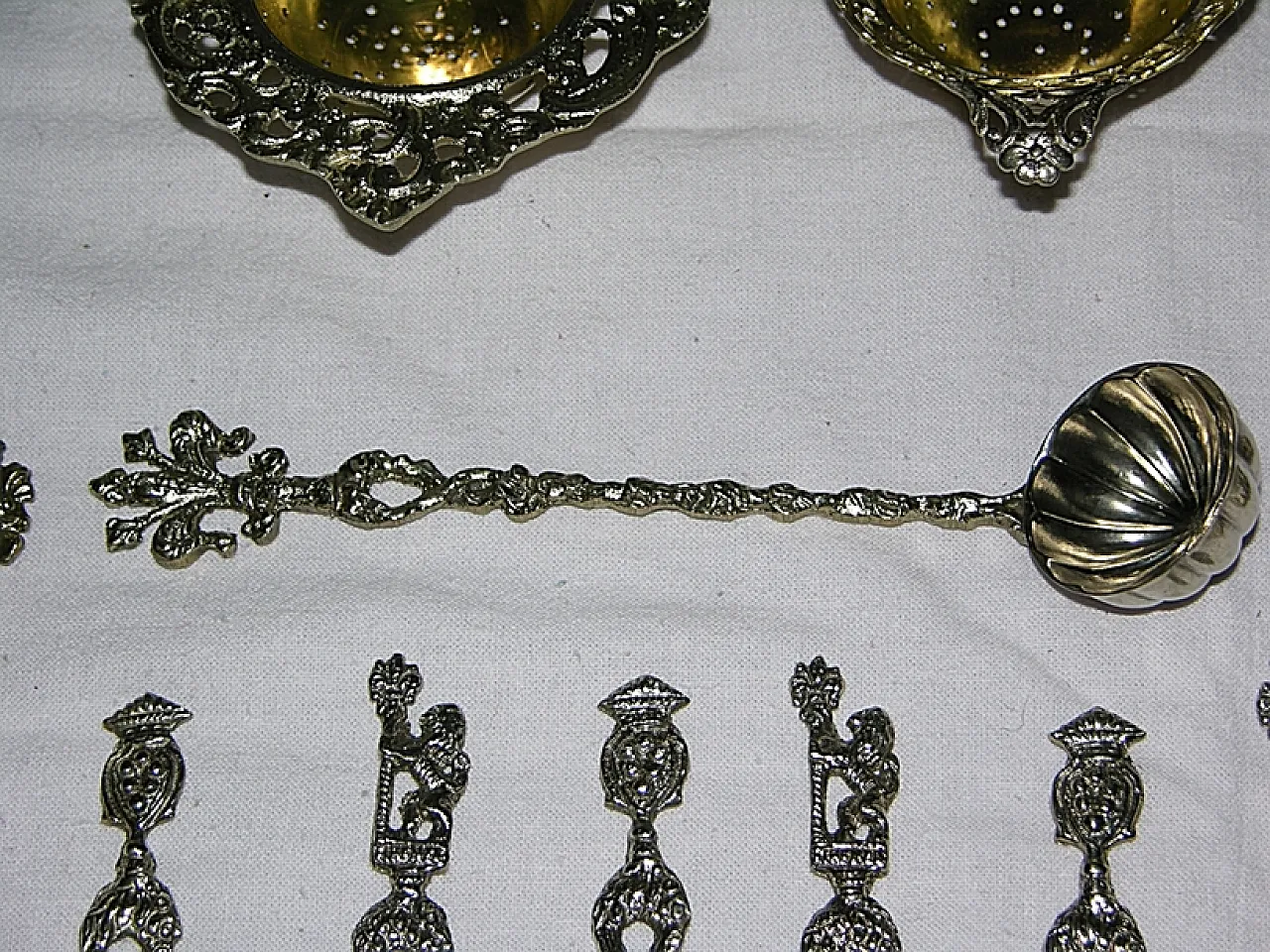
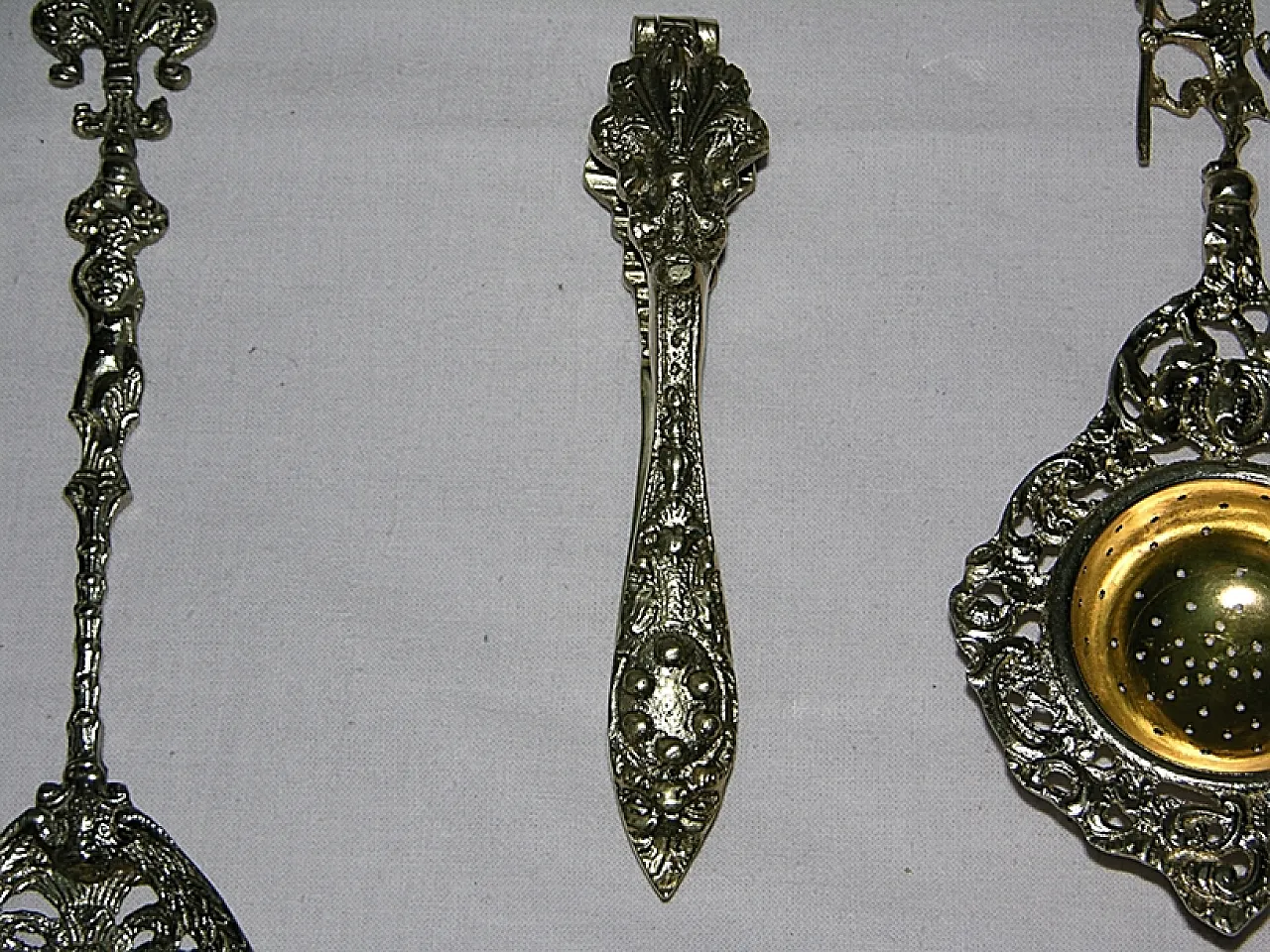
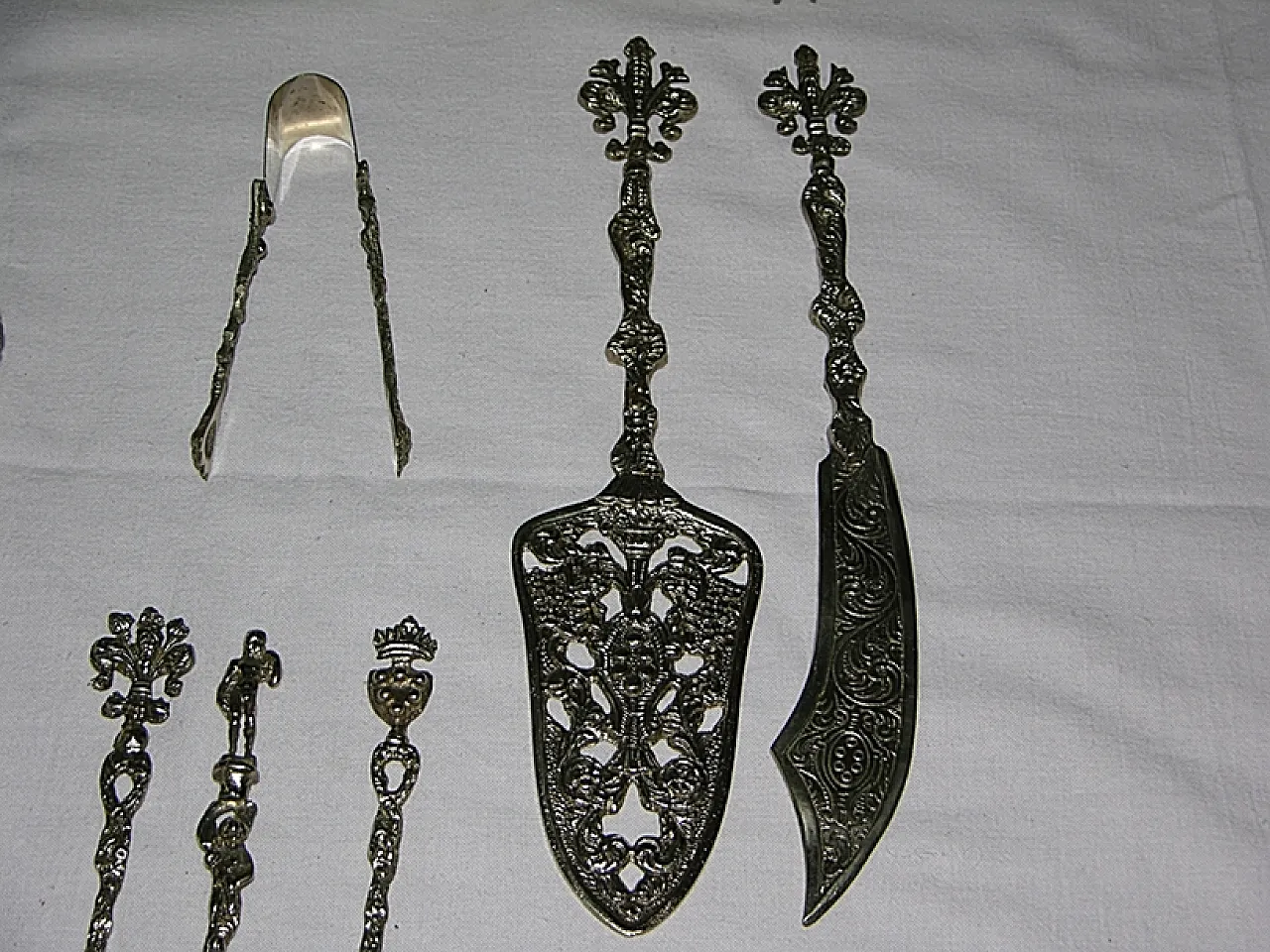
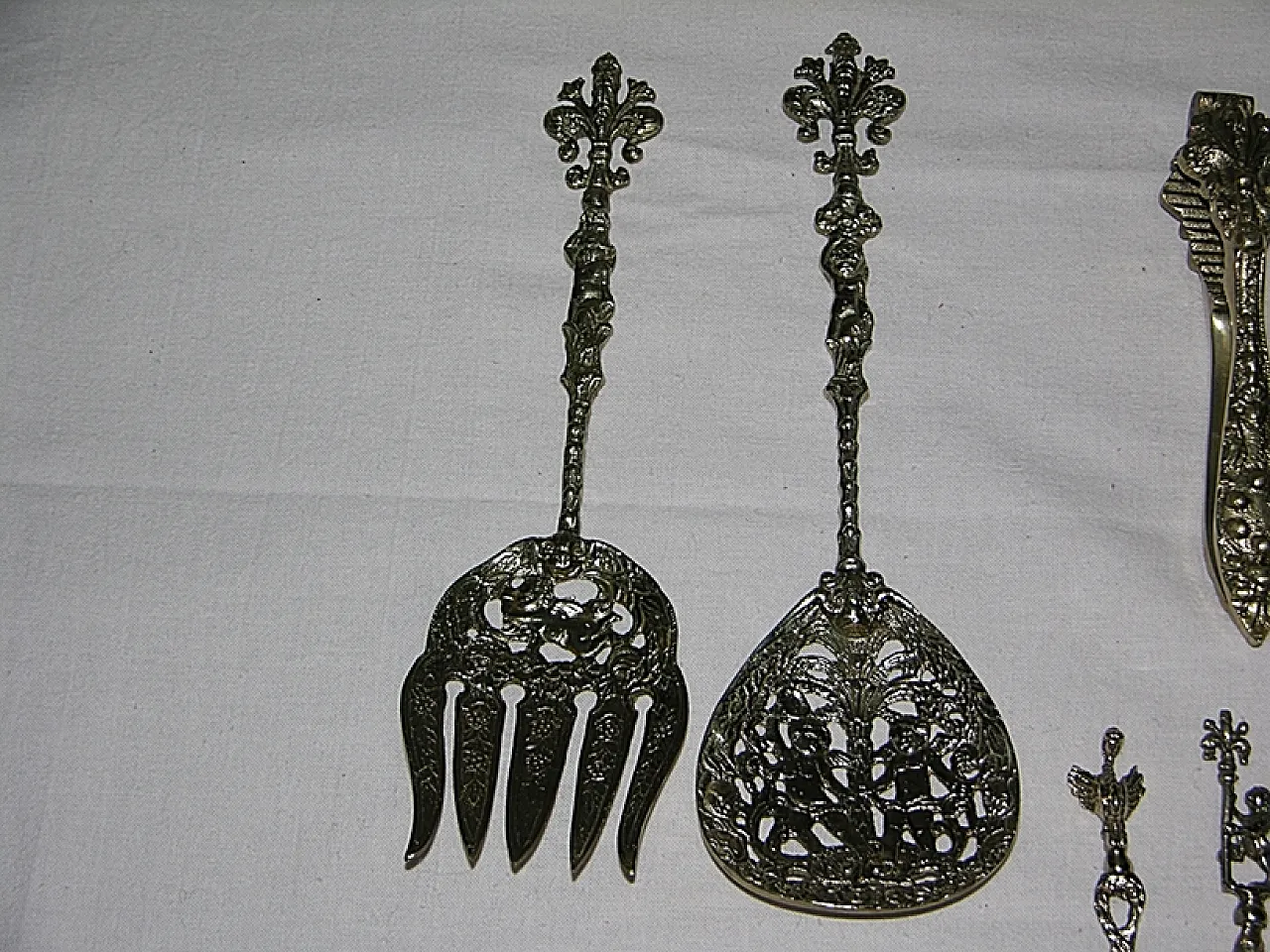
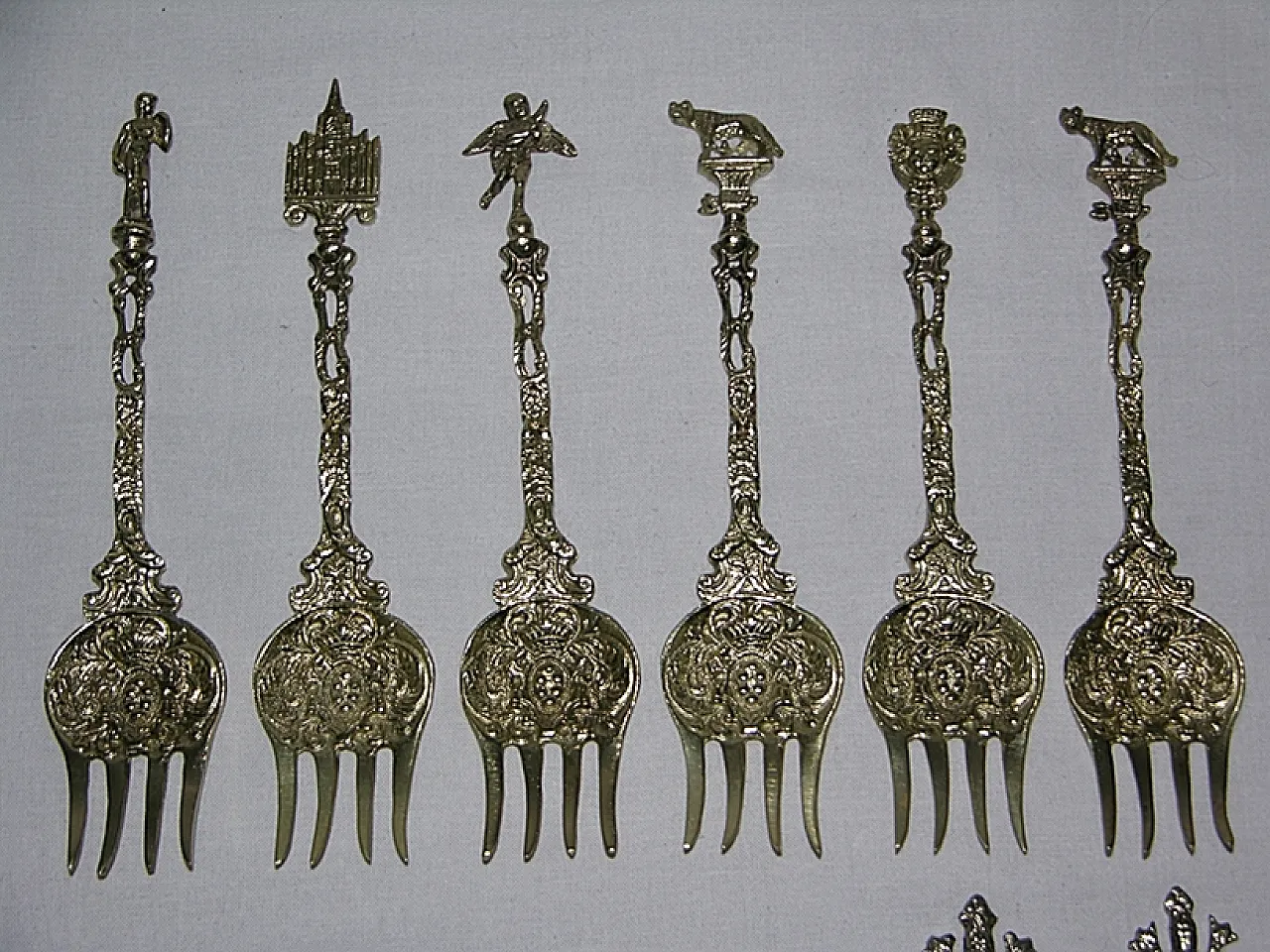
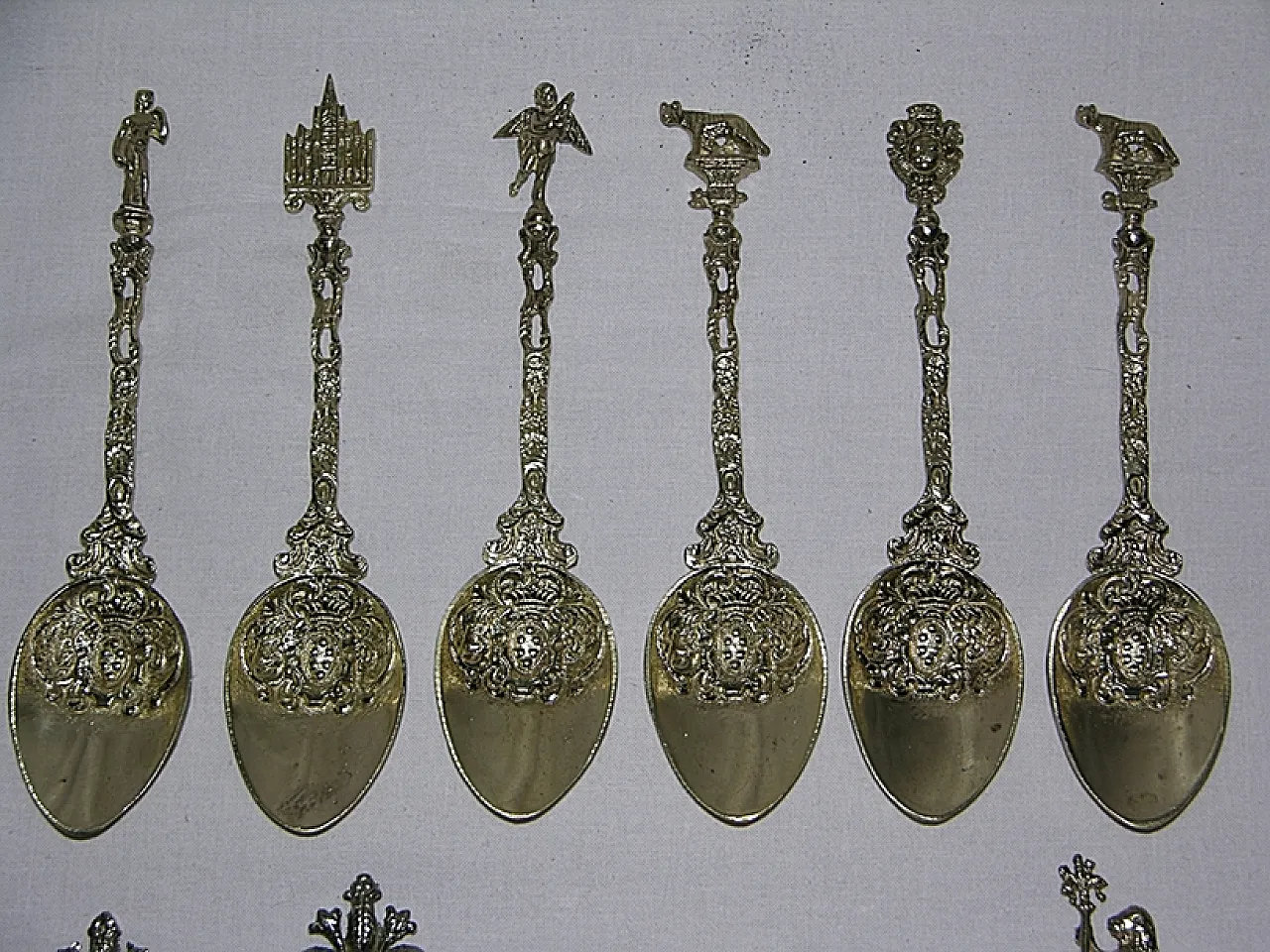
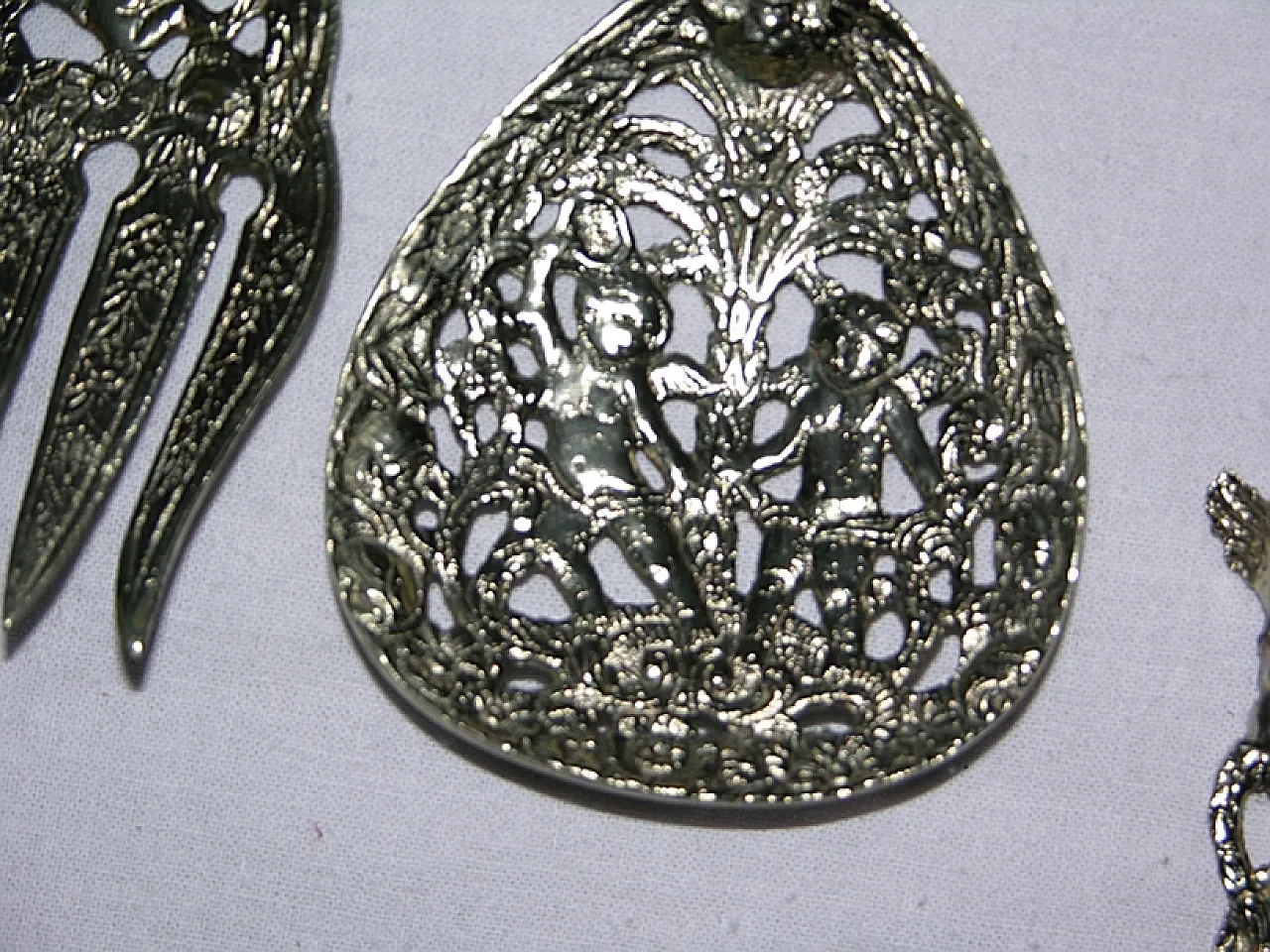
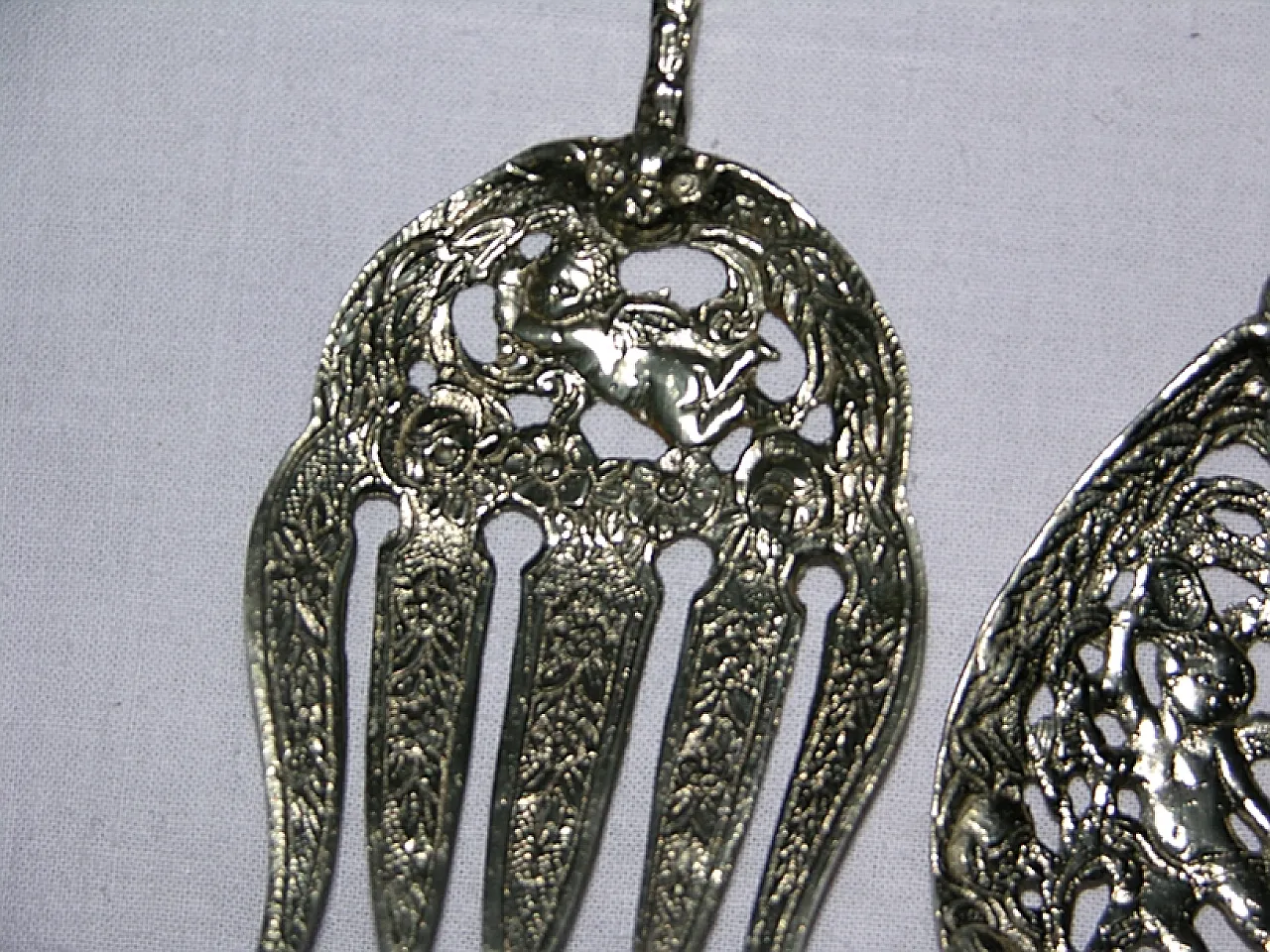
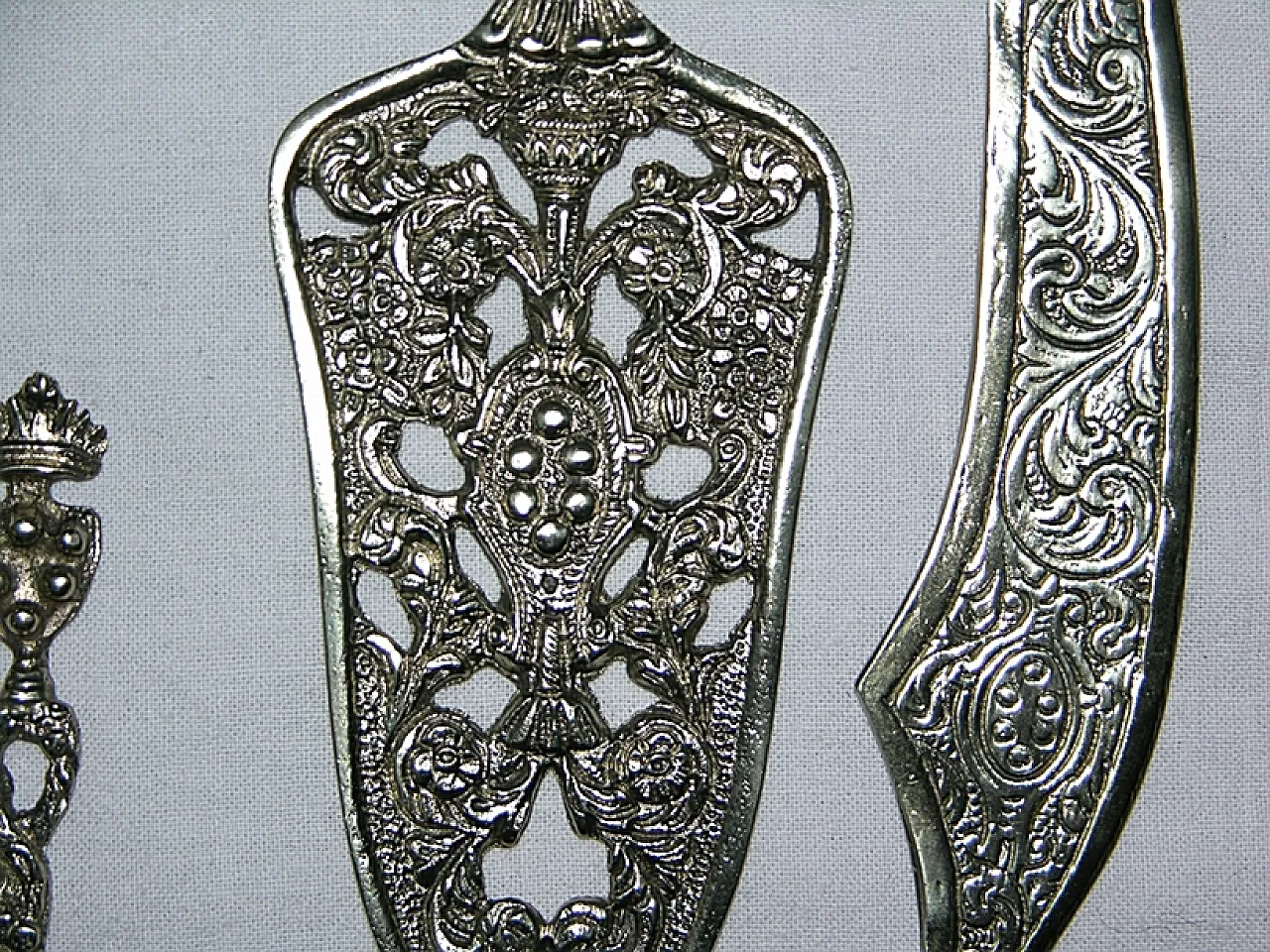
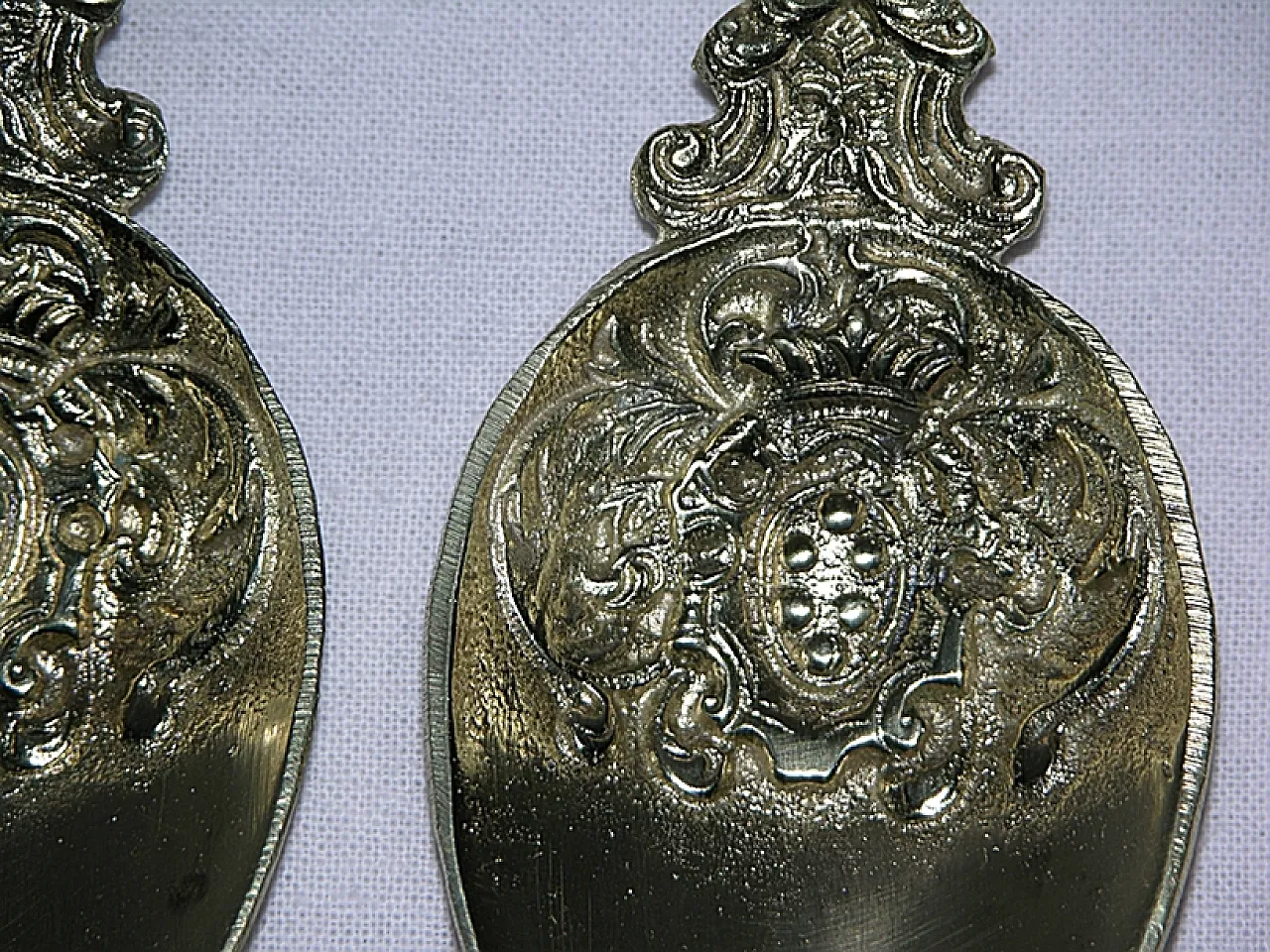
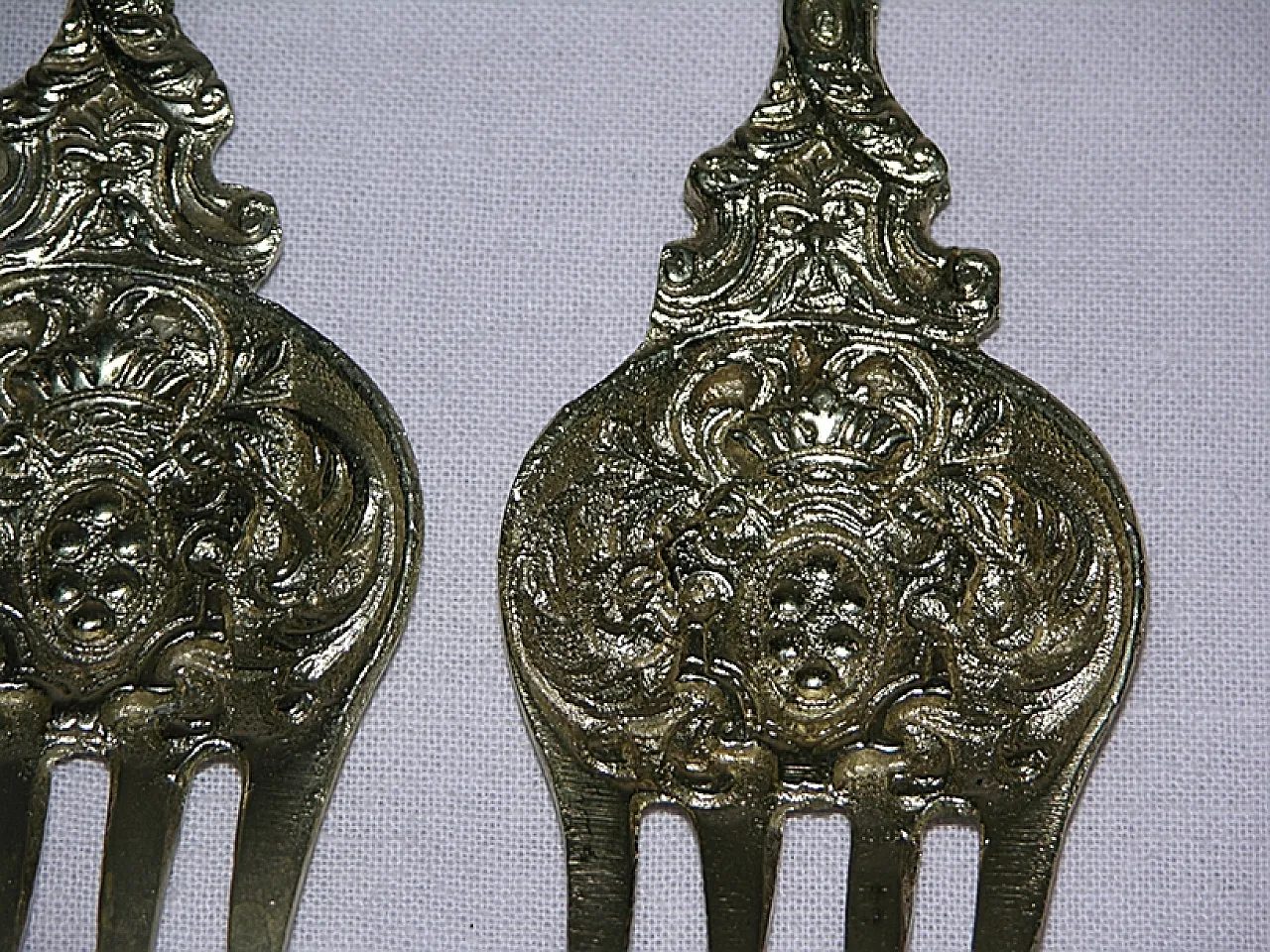
Heraldic crests are typically engraved or embossed on the handles or ends of the cutlery. These symbols represent the identity of the family and often include motifs such as lions, eagles, shields, and crowns, accompanied by mottos or inscriptions. Each heraldic detail tells a story about the family, its origins, and alliances, creating a unique connection to the history of nobility.
Design and Craftsmanship:
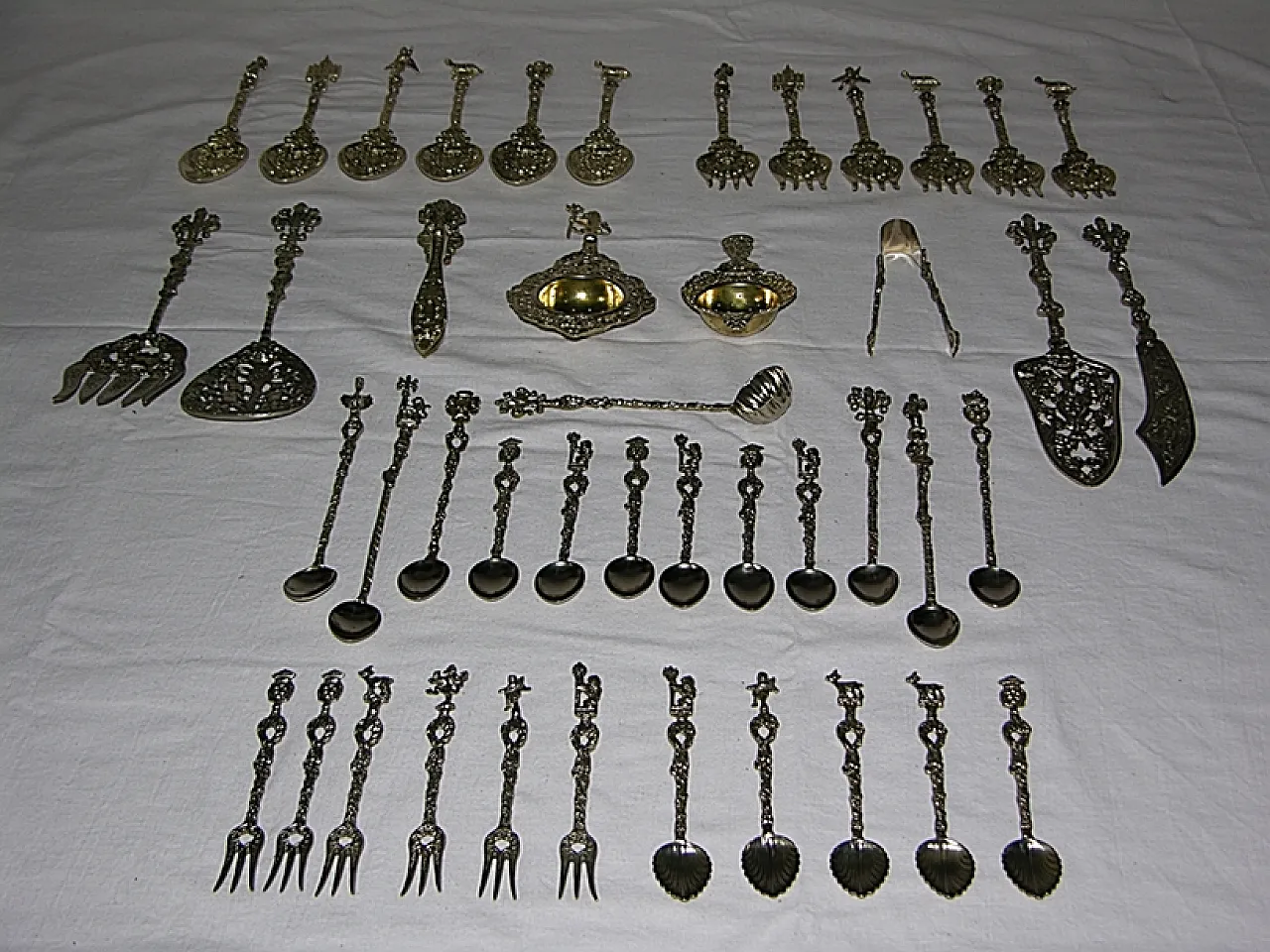
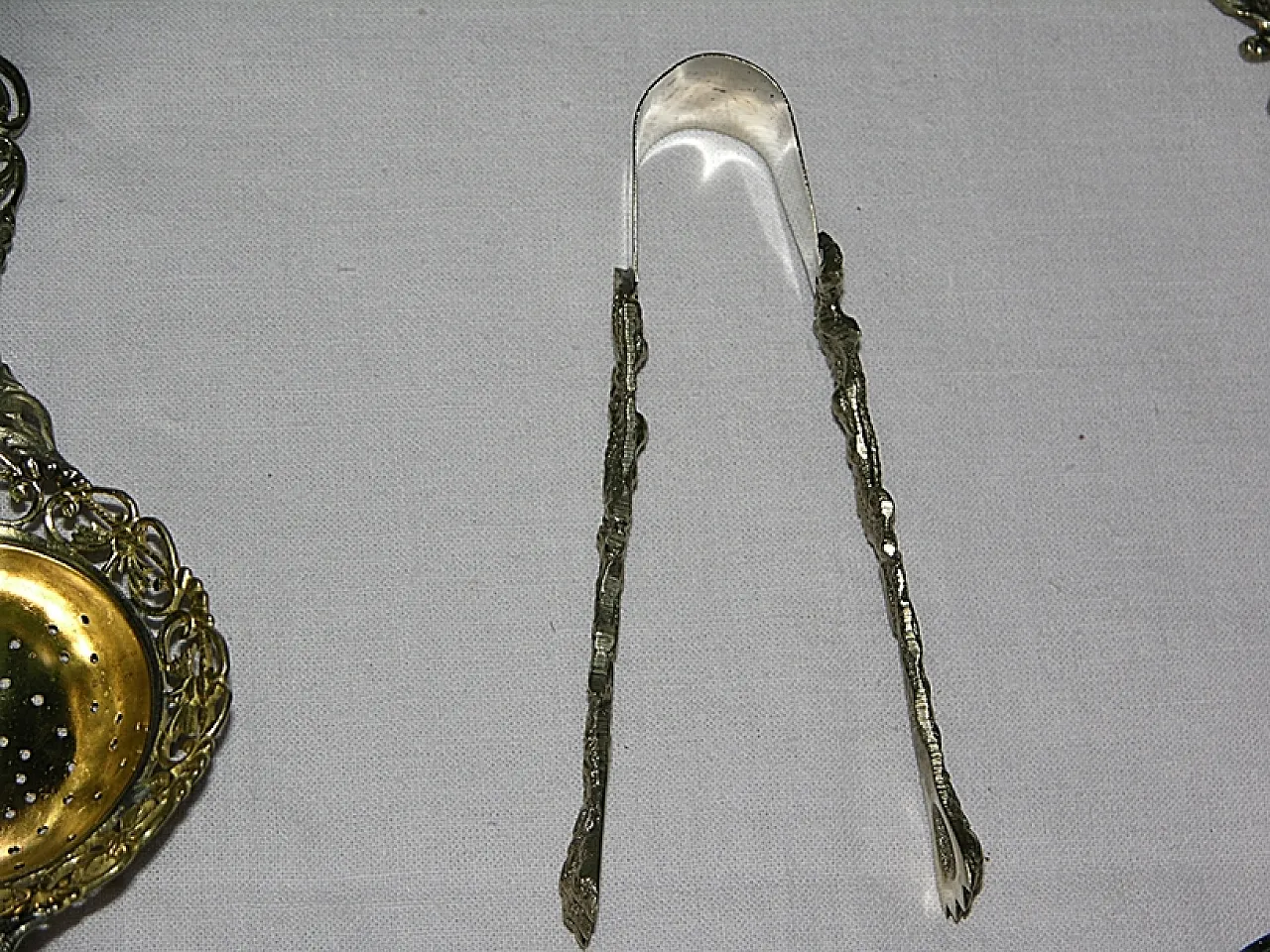
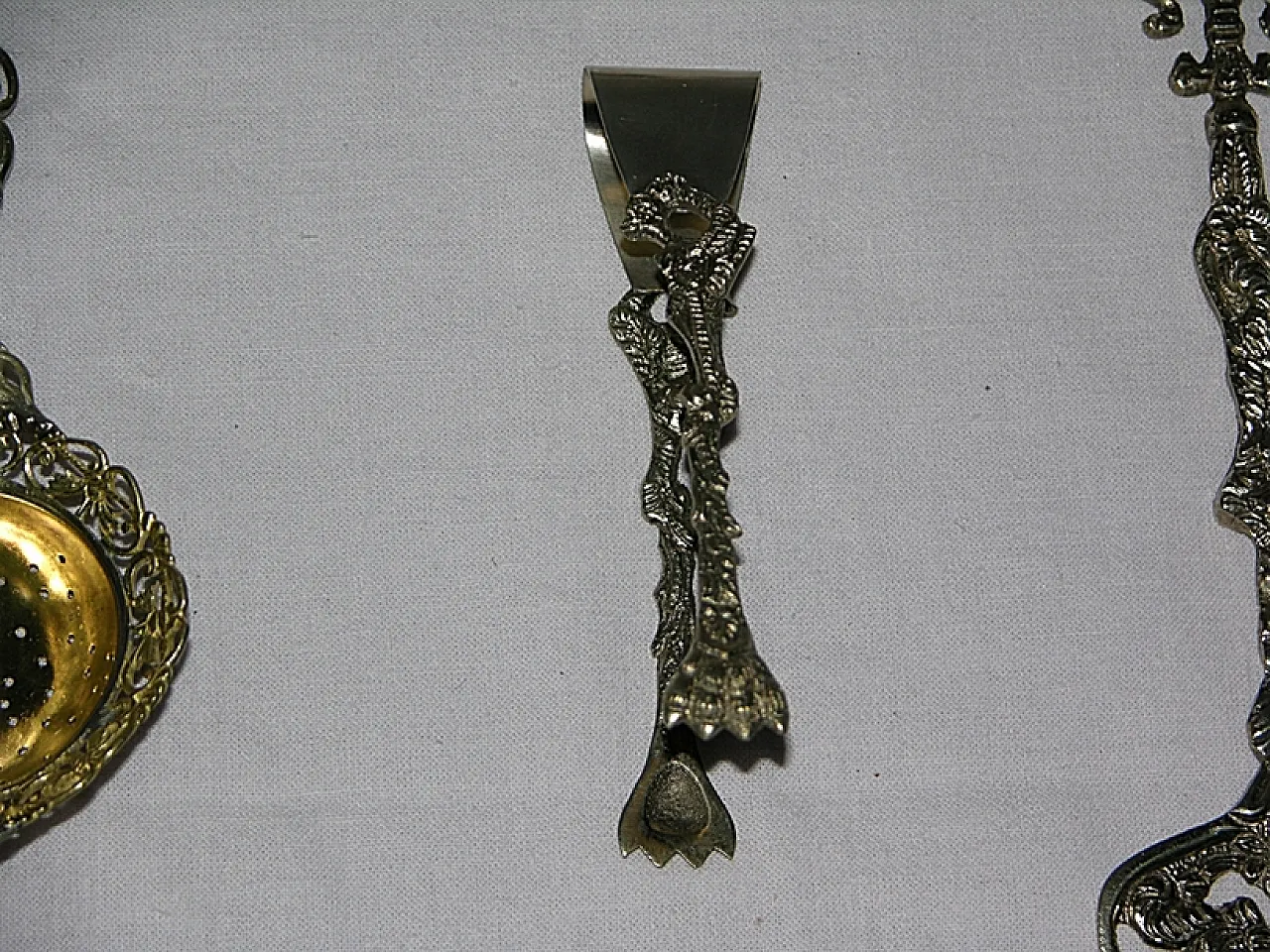
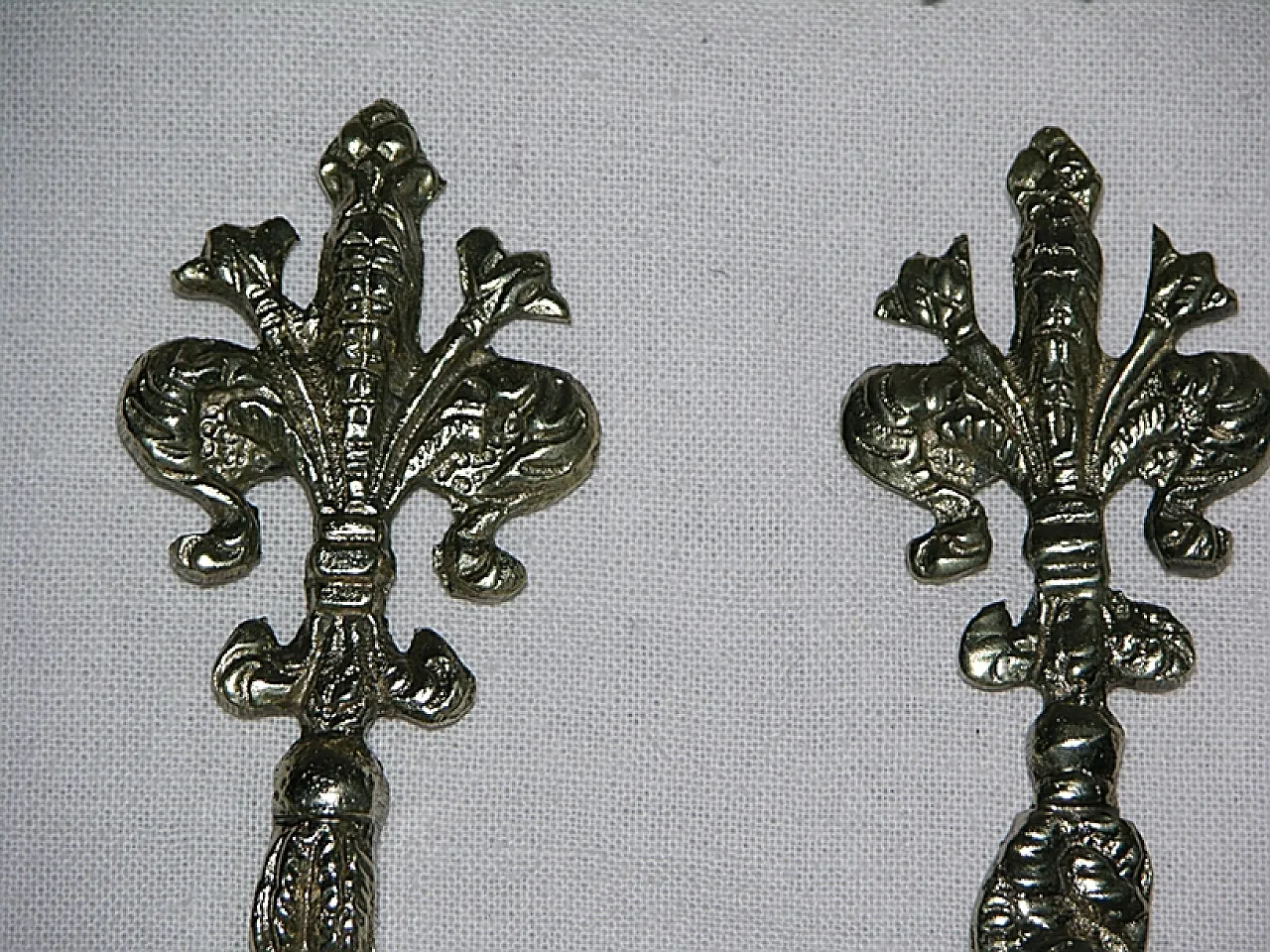
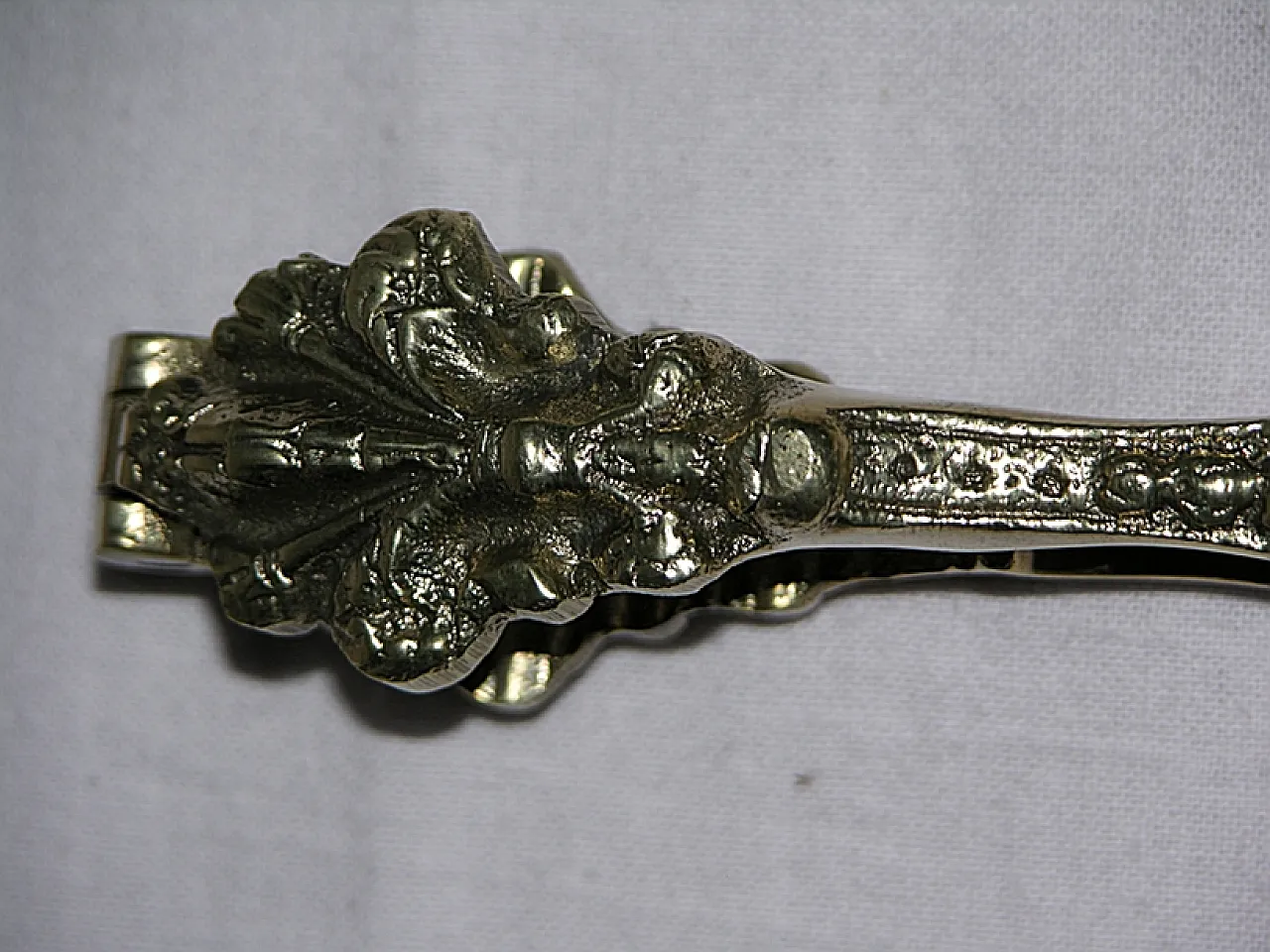
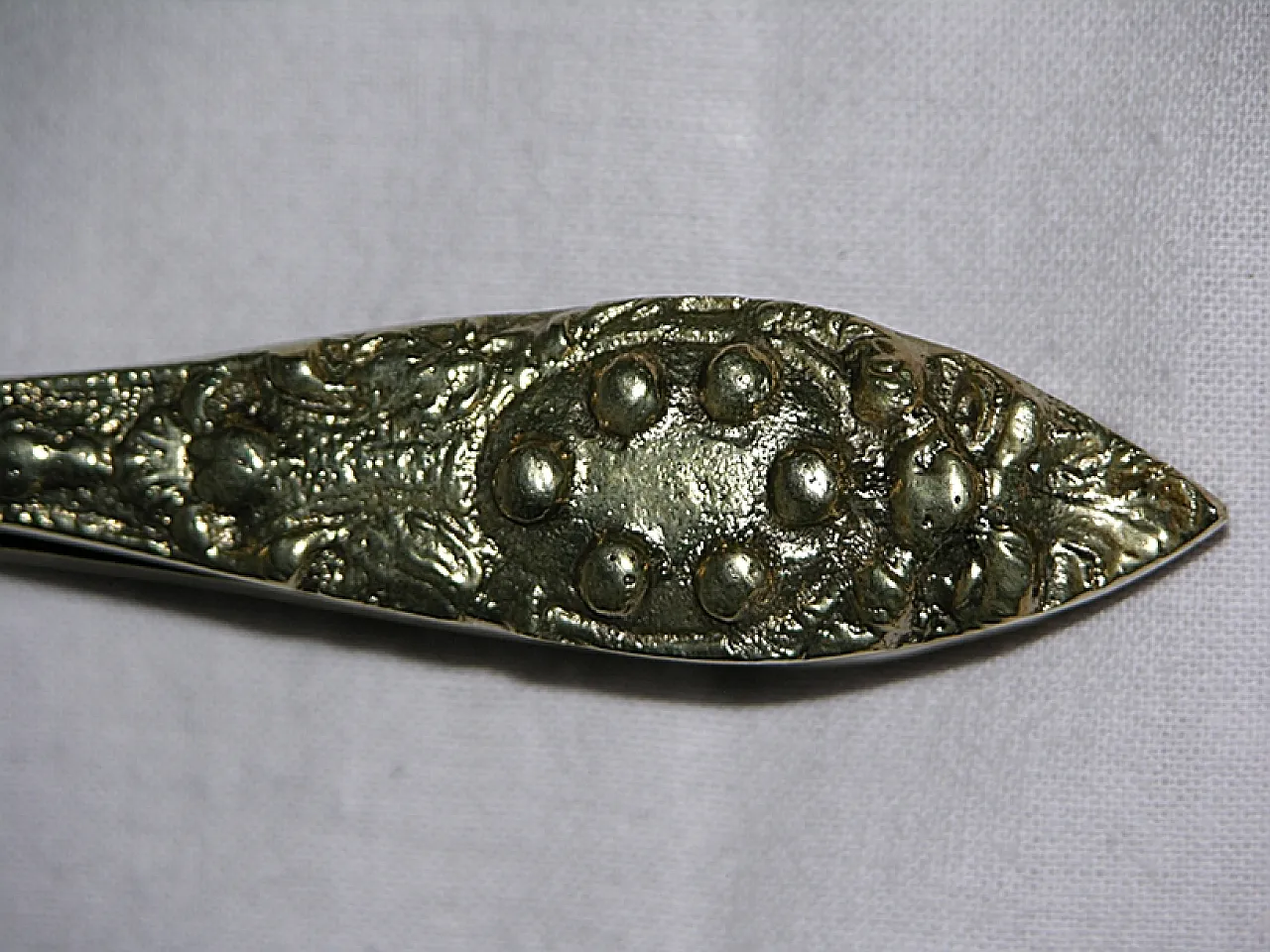
These sets are more than functional utensils—they are true works of art. The hand-crafted heraldic details require exceptional goldsmithing skill, with intricate and stylized decorations that highlight the crest without compromising its legibility. Some sets include specialized utensils, such as fish forks, dessert spoons, and butter knives, designed for a refined aristocratic table.
Historical and Collectible Significance
Heraldic Value:
The engraved crest makes each piece unique and attributable to a specific family or lineage, enhancing the historical and collectible value of the cutlery. They may represent a particular era and the story of a given family, carrying a strong sense of identity.
Rarity:
The limited number of period cutlery sets with heraldic crests, combined with high-quality materials and meticulous craftsmanship, makes these collections extremely rare. They are highly prized by collectors and museums and can achieve significant values at auction.
Cultural Heritage Importance:
These cutlery sets represent a chapter of noble culture, in which the dining service was an extension of social display and prestige. Often passed down through generations, they bear witness to family heritage, values, and traditions of an entire era.
Collector Tips
Authenticity and Provenance:
Documentation of provenance and a certificate of authenticity are essential to establish the historical value of the cutlery.
Preservation:
Silver or gold-accented pieces should be carefully maintained to prevent oxidation and metal deterioration.
Market Evaluation:
For collectors and investors, a professional appraisal of the collection’s current value is recommended, as these period cutlery sets tend to appreciate over time, especially if associated with historically prominent families.
This collection is far more than a simple set of cutlery: it is a piece of history that tells the story of a noble family’s life, prestige, and traditions, while also showcasing the exceptional craftsmanship of its era.



.png)







 SILVER Seller in Torino, Italy