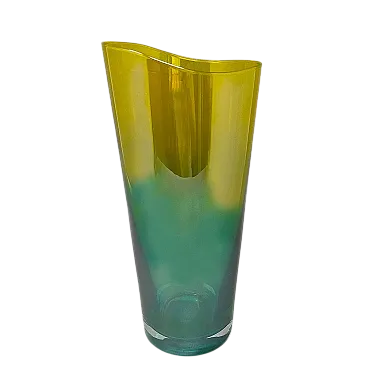



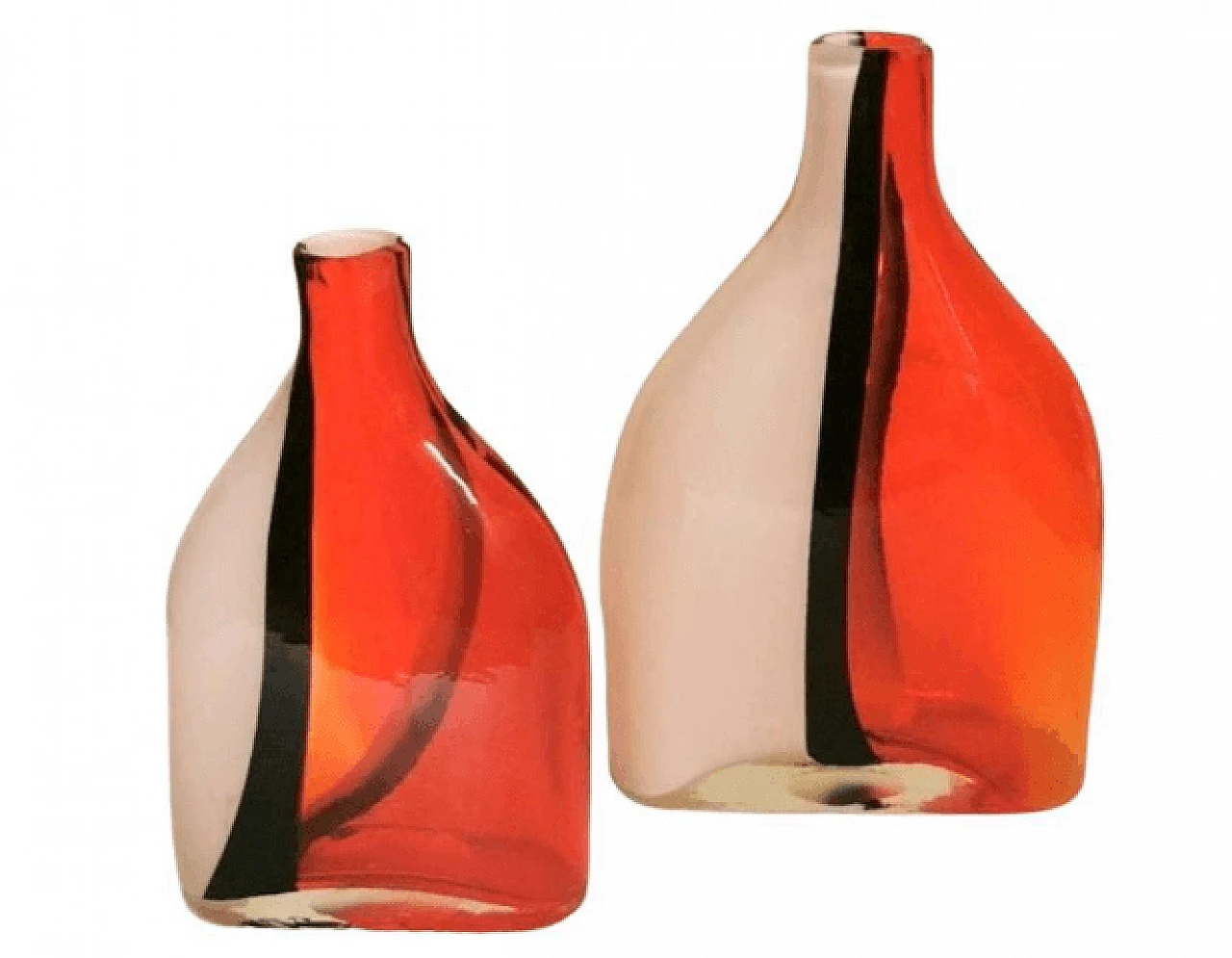
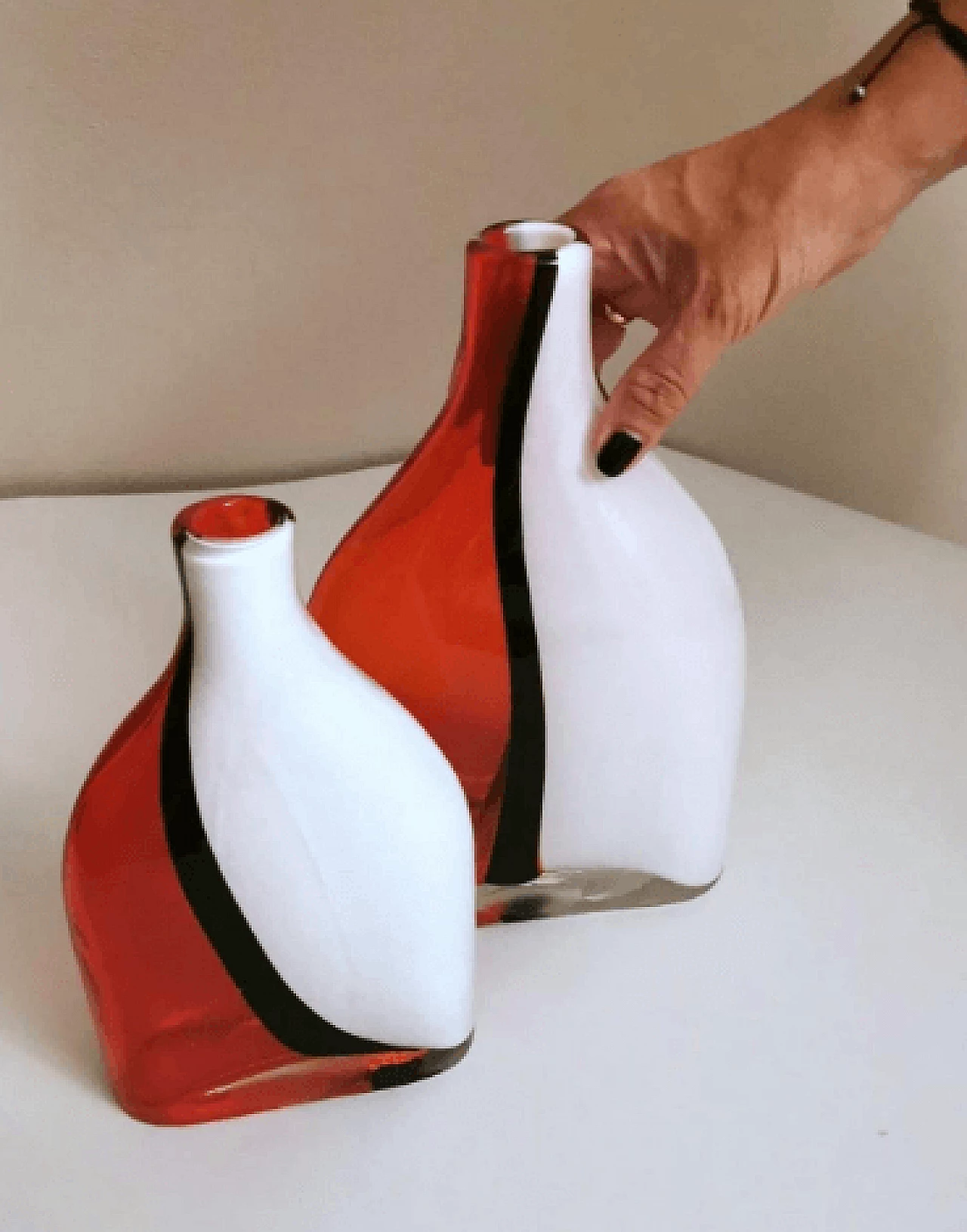
Pair of Murano glass vases in the style of Gino Cenedese, 1960s
.png)
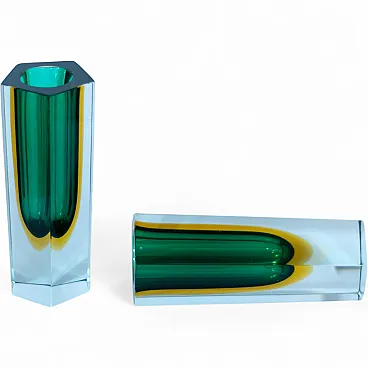
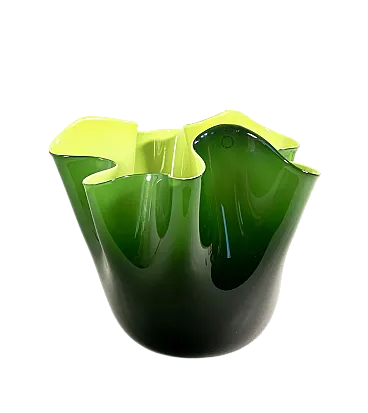
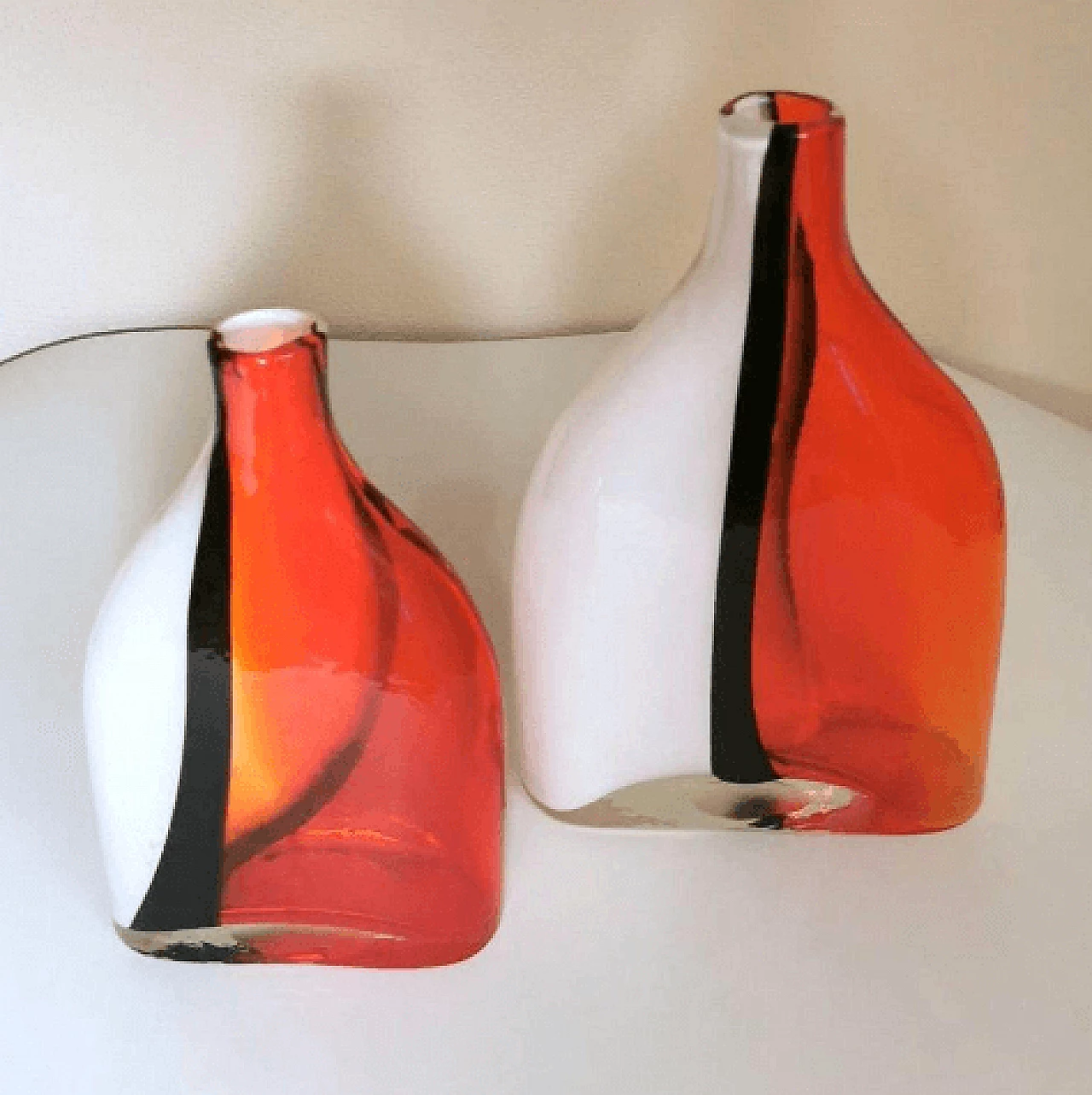
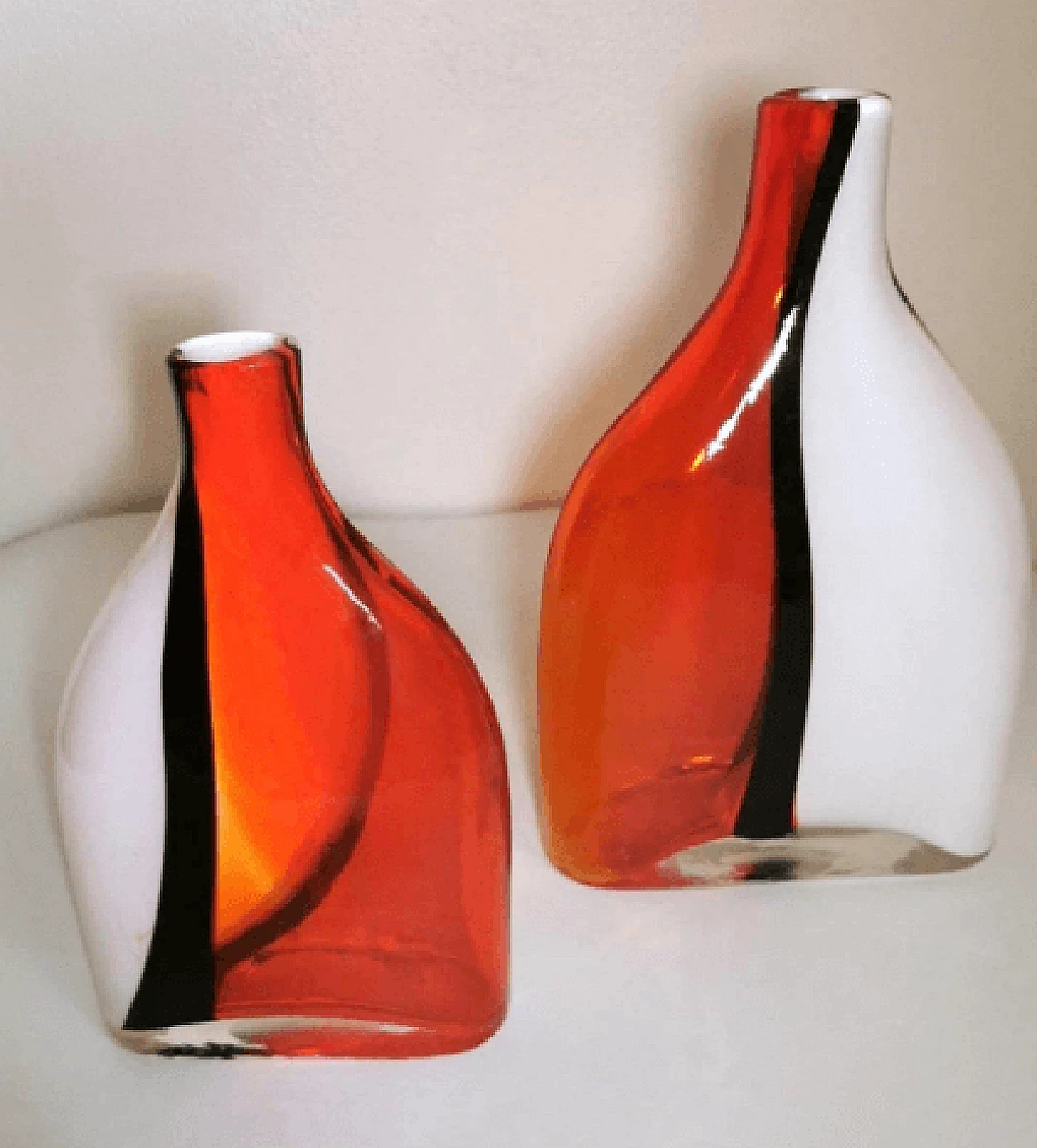
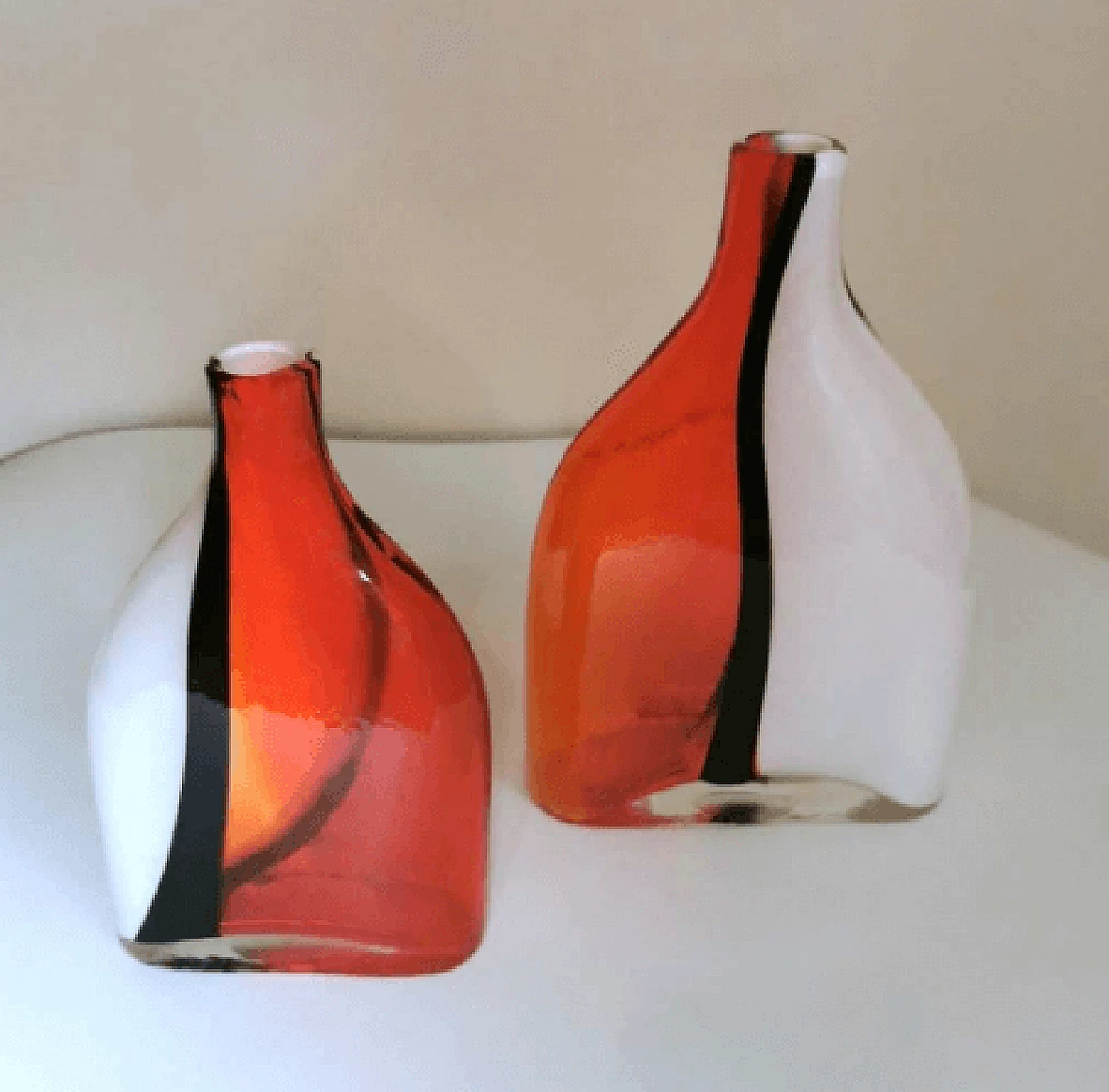
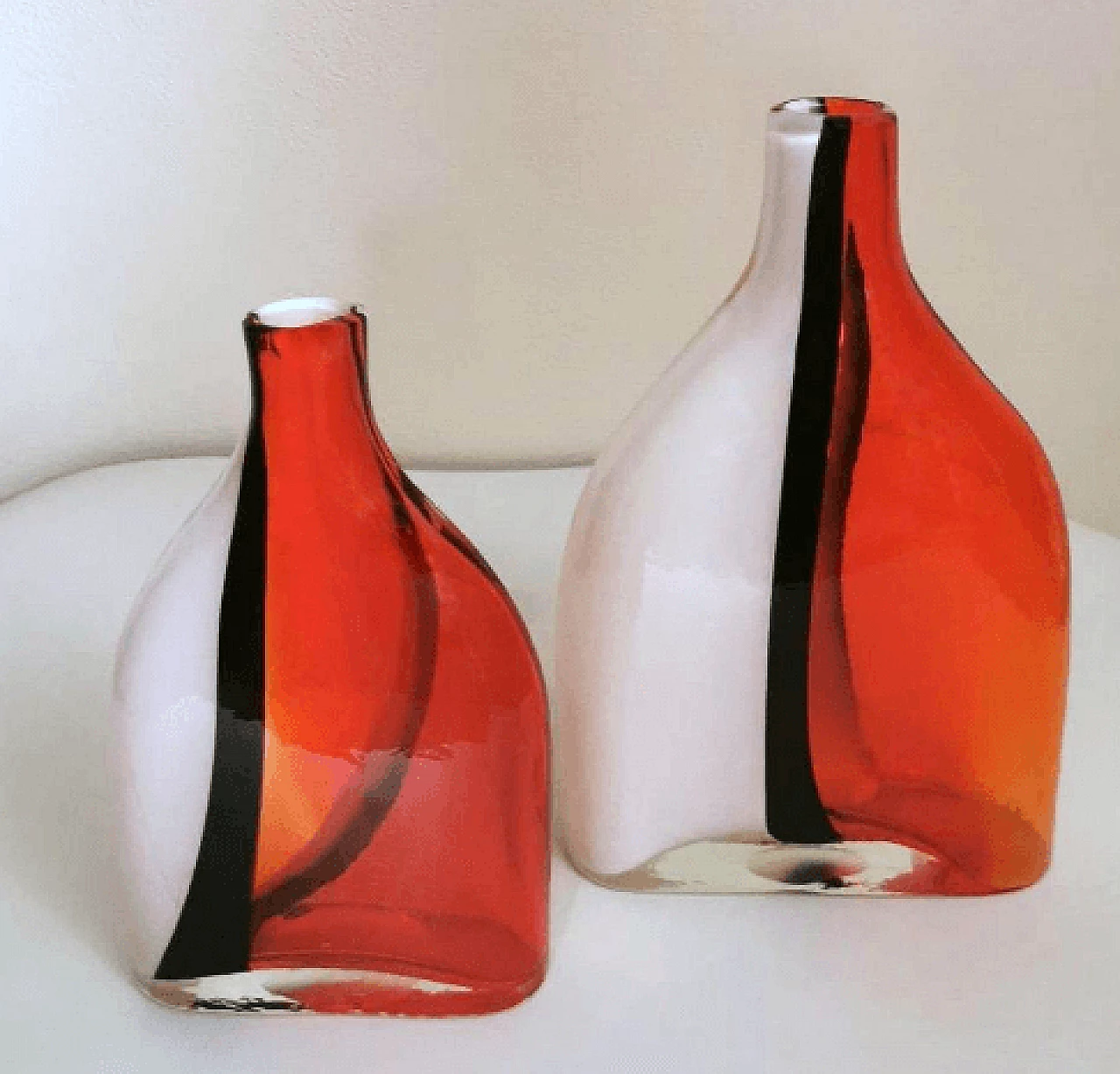
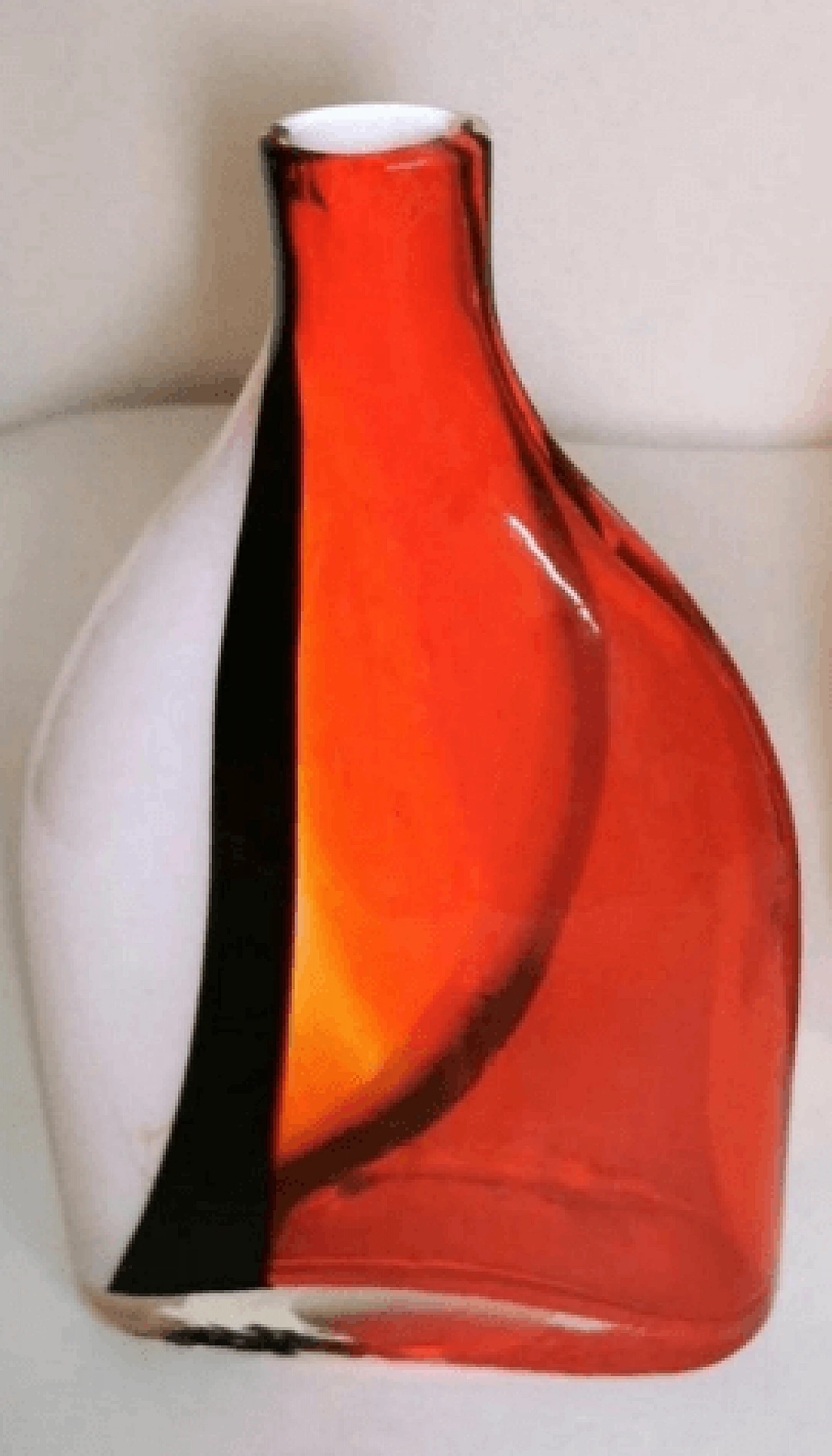
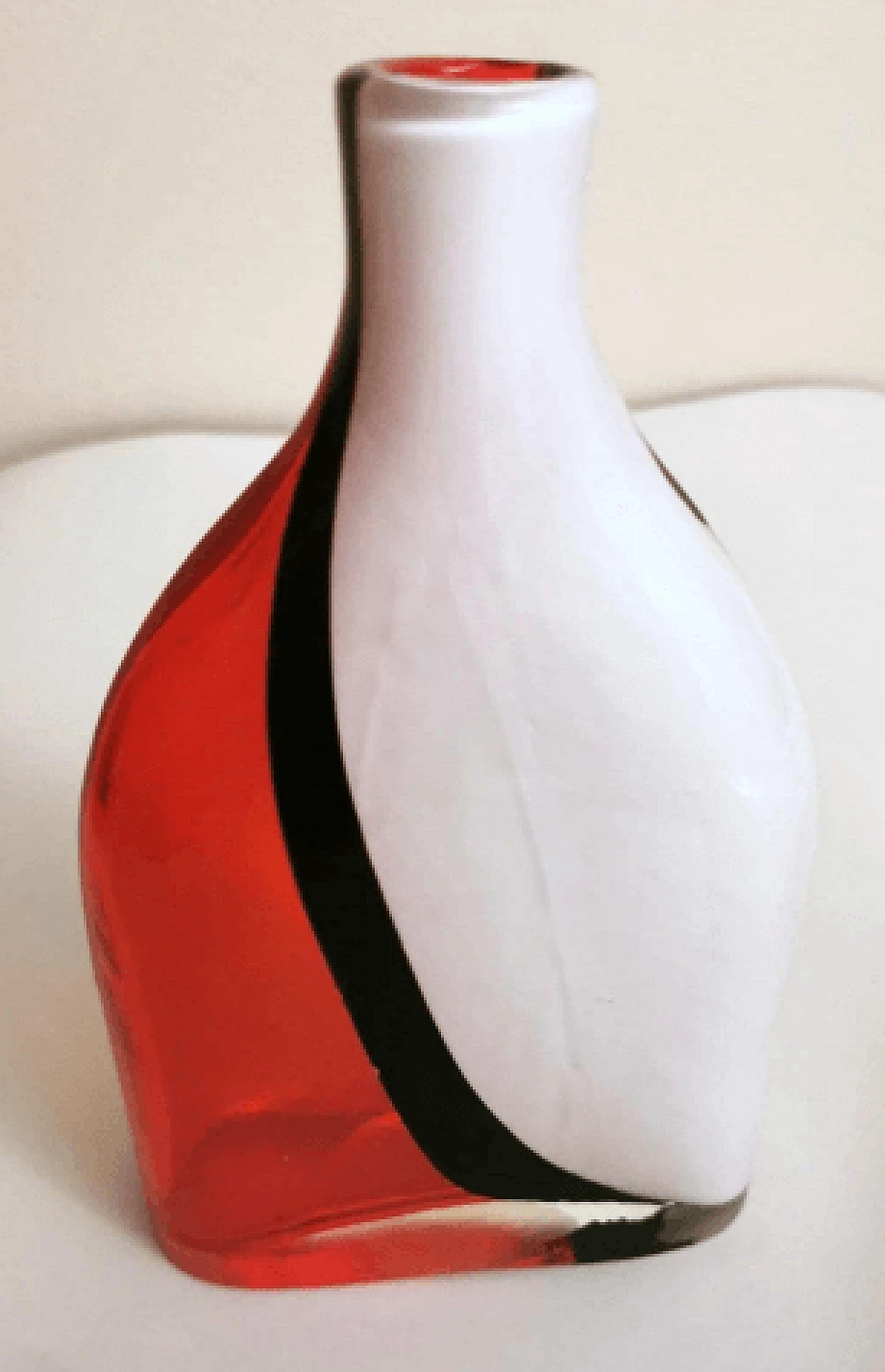
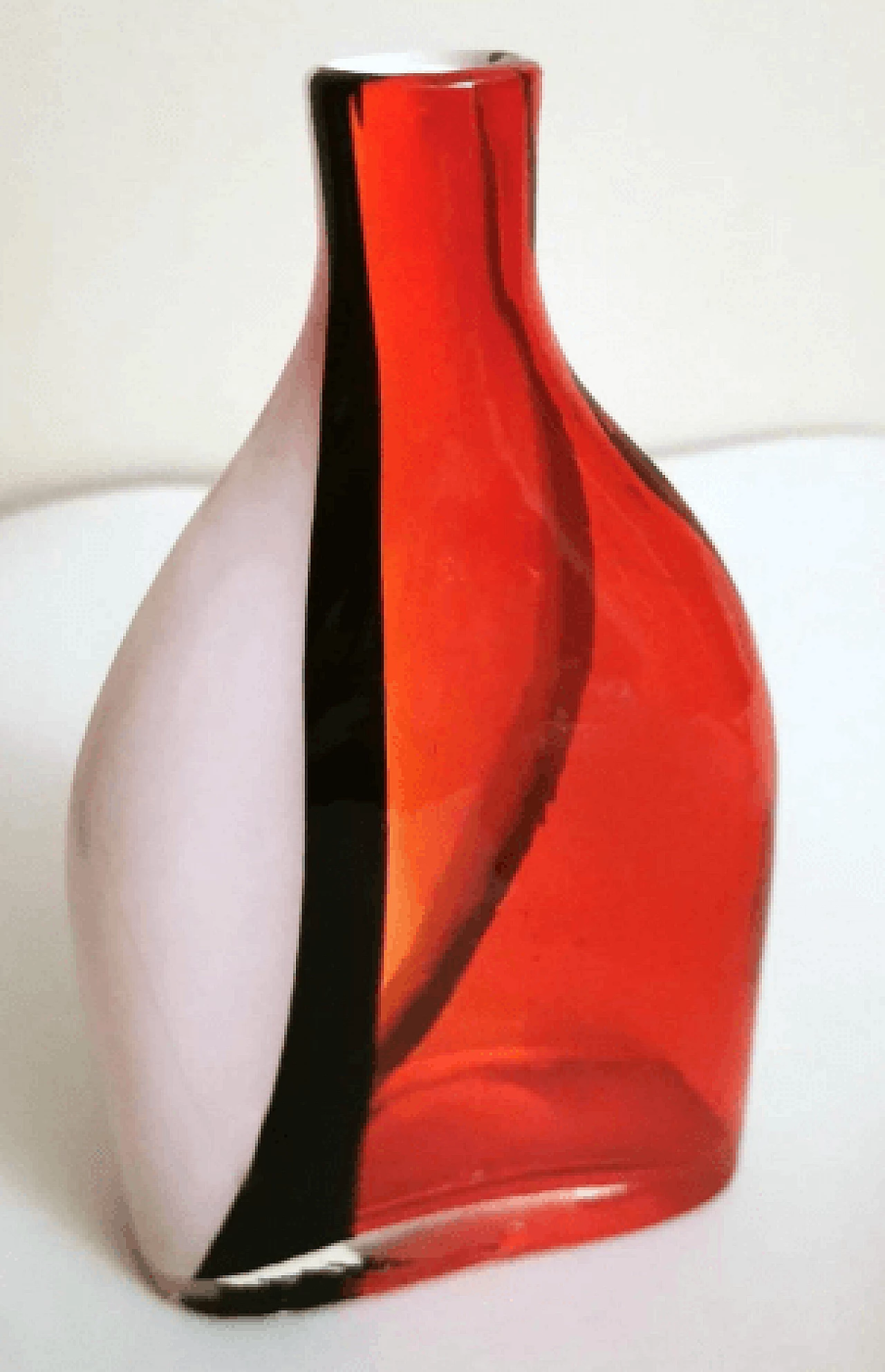
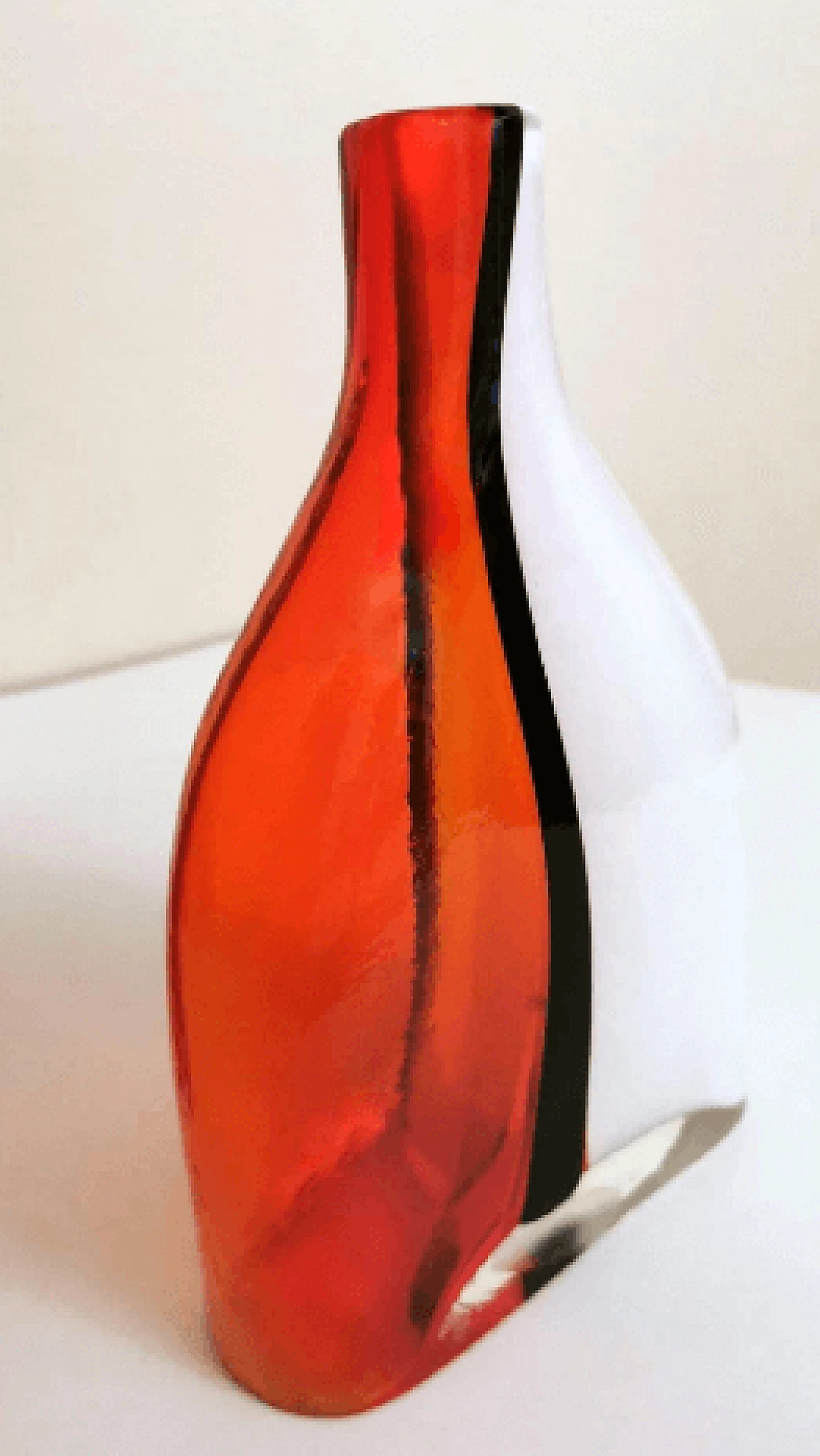
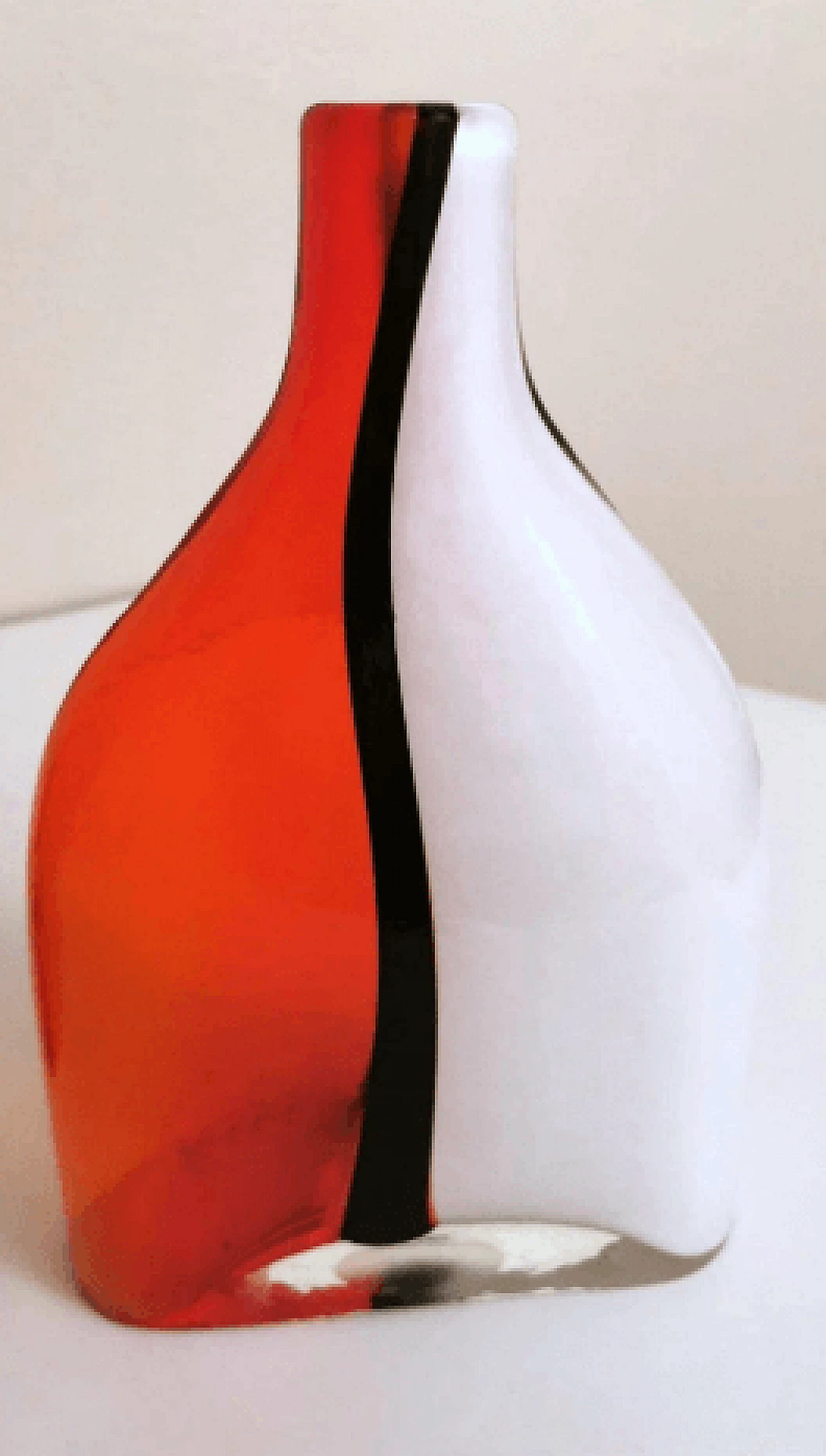
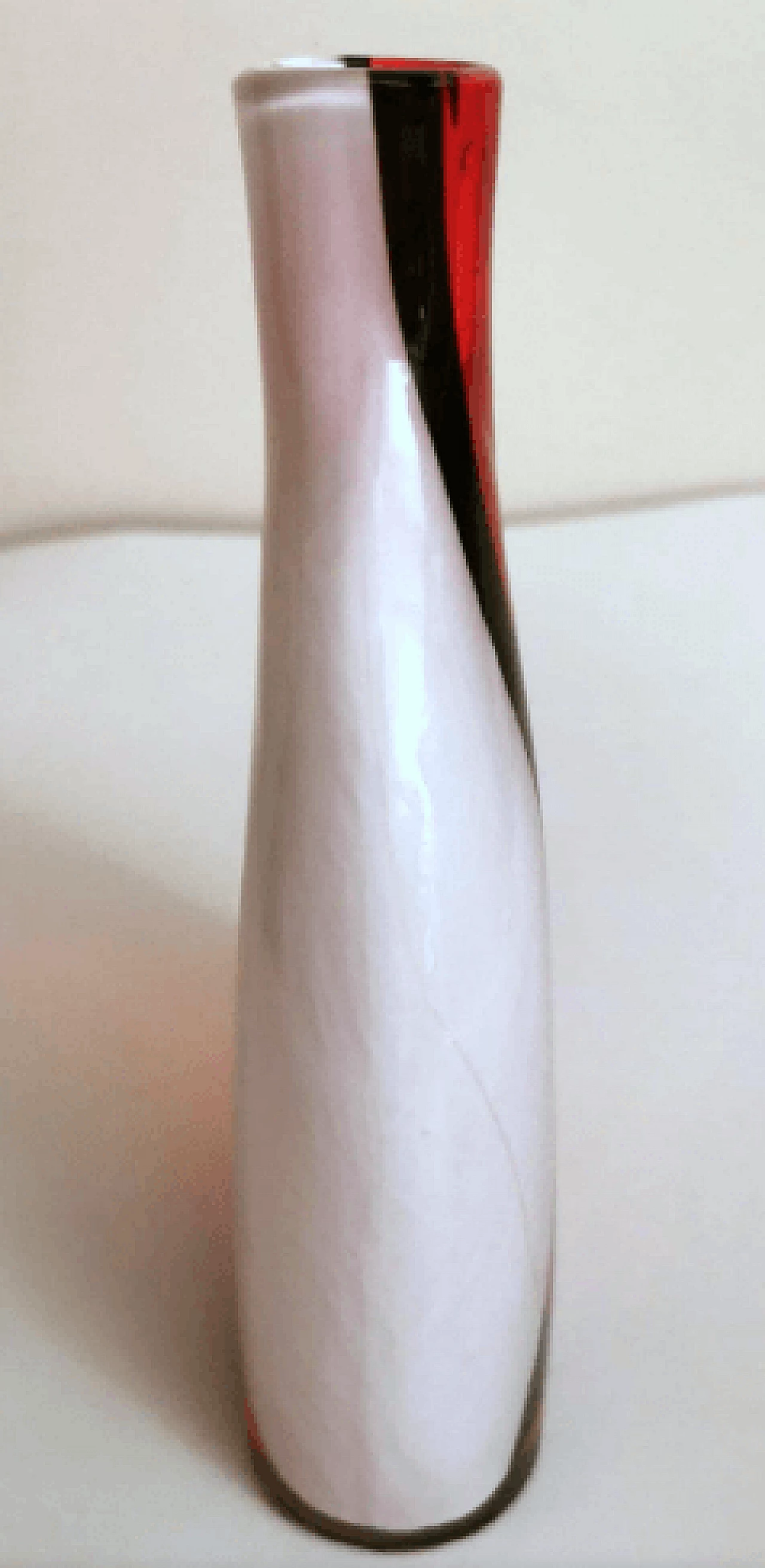
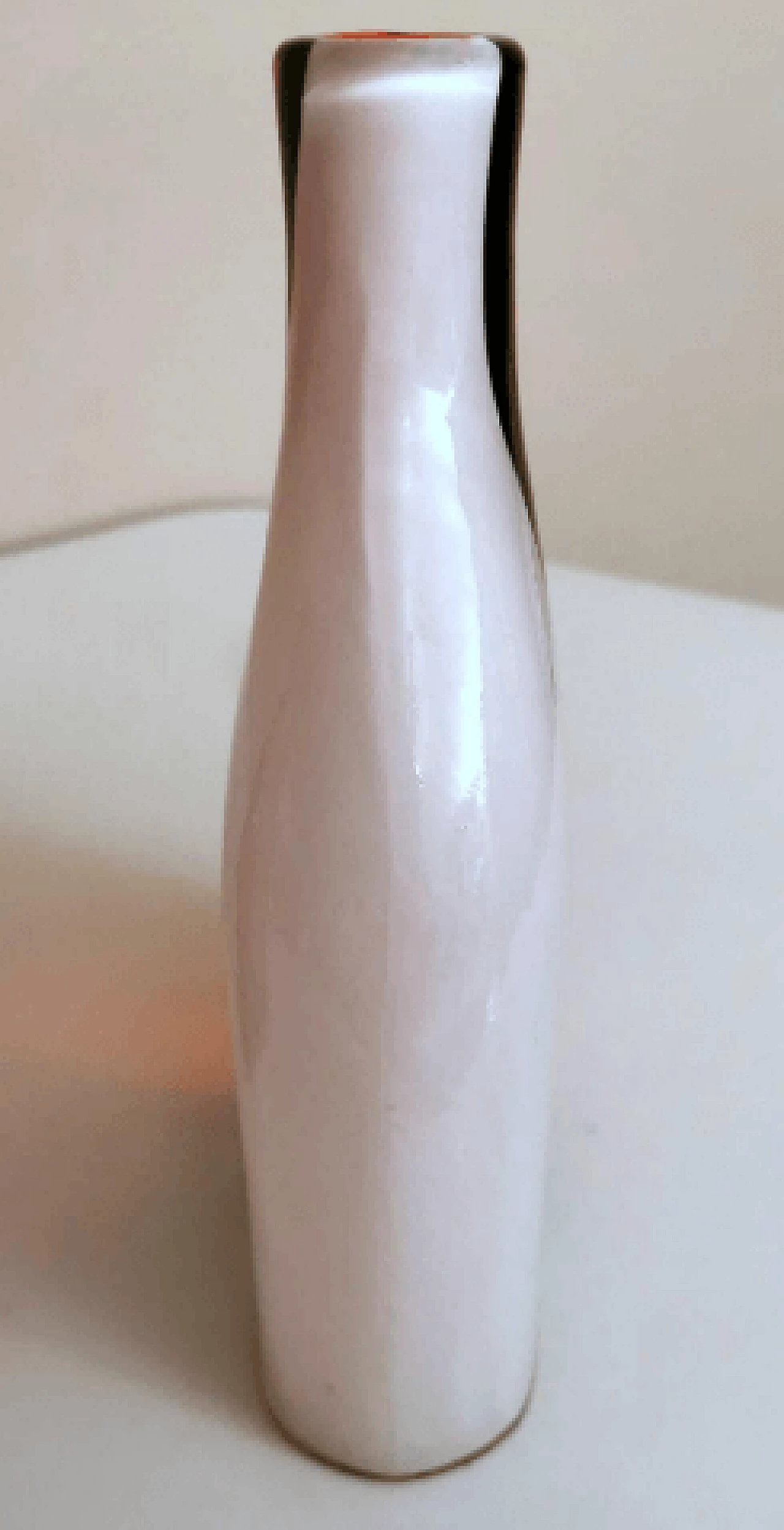
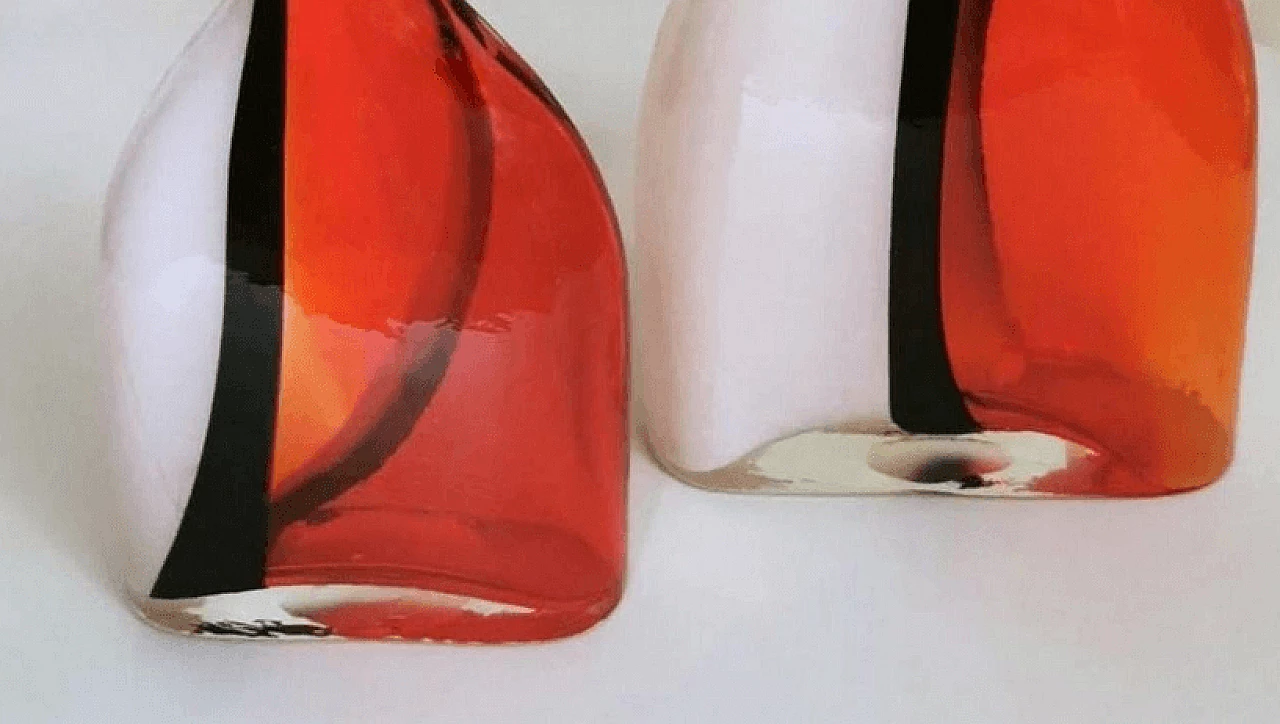
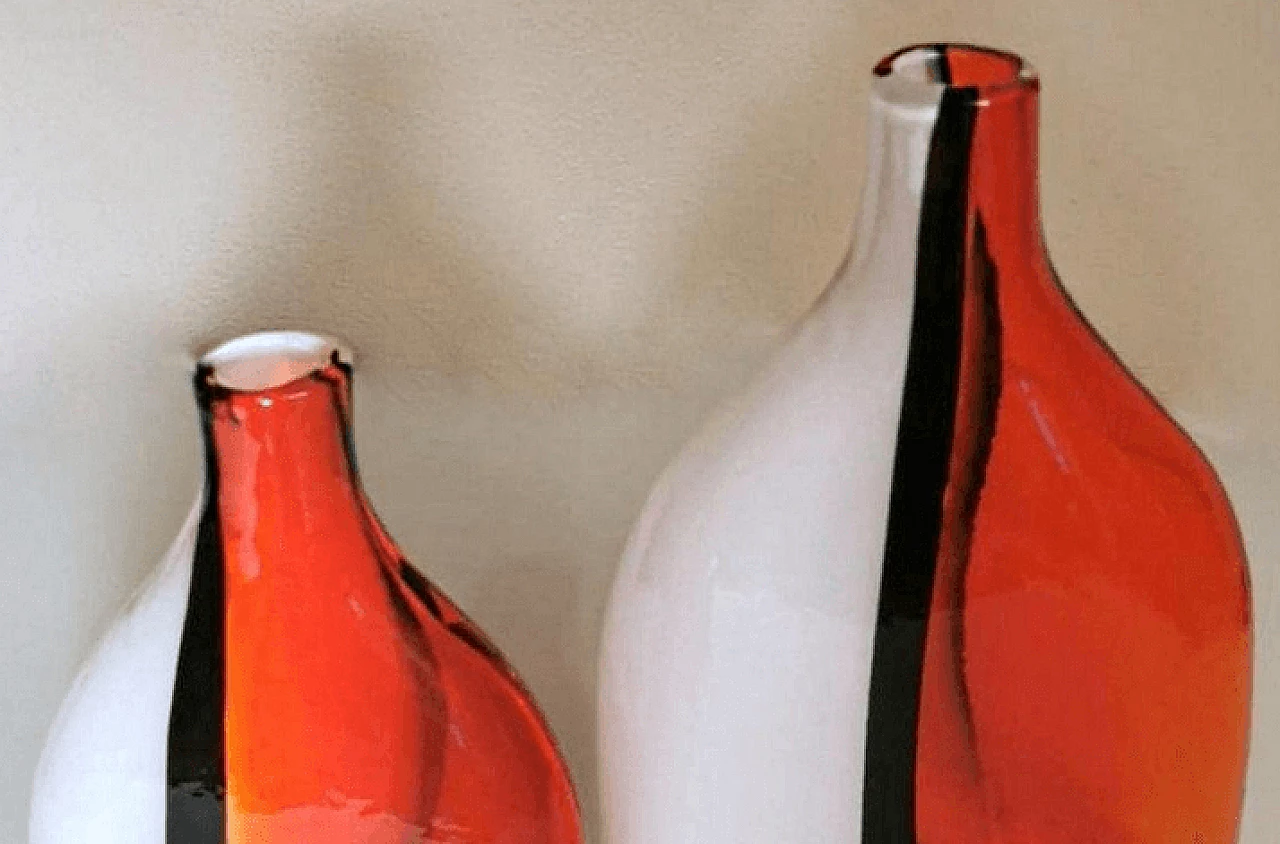
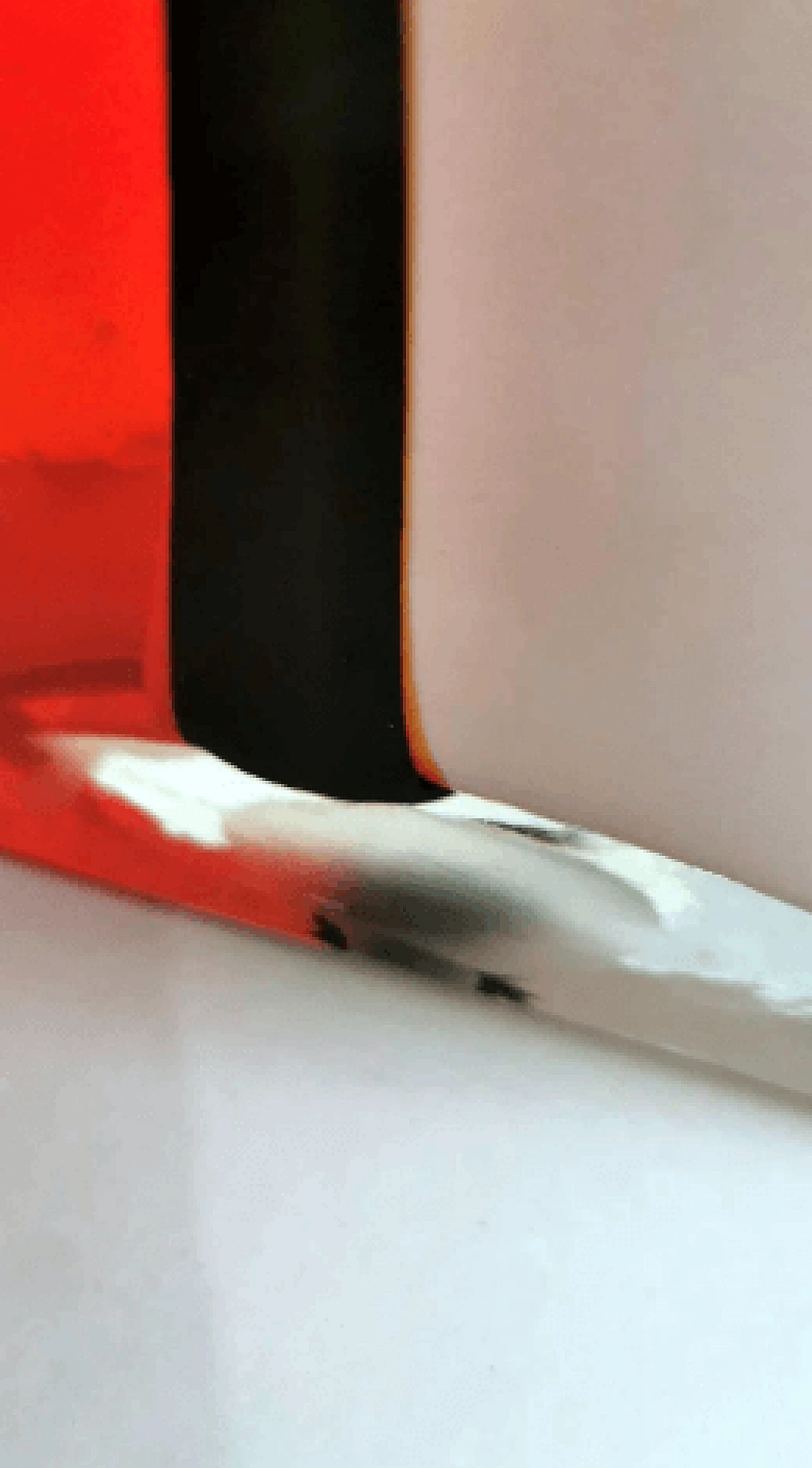
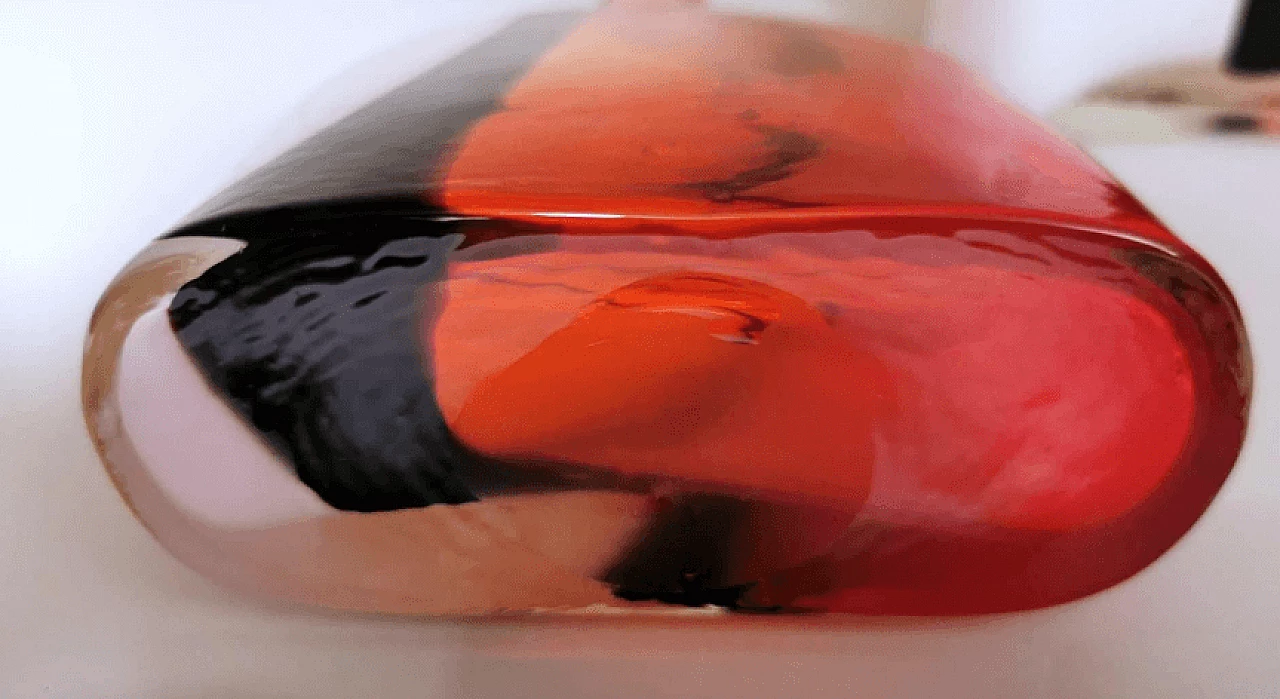
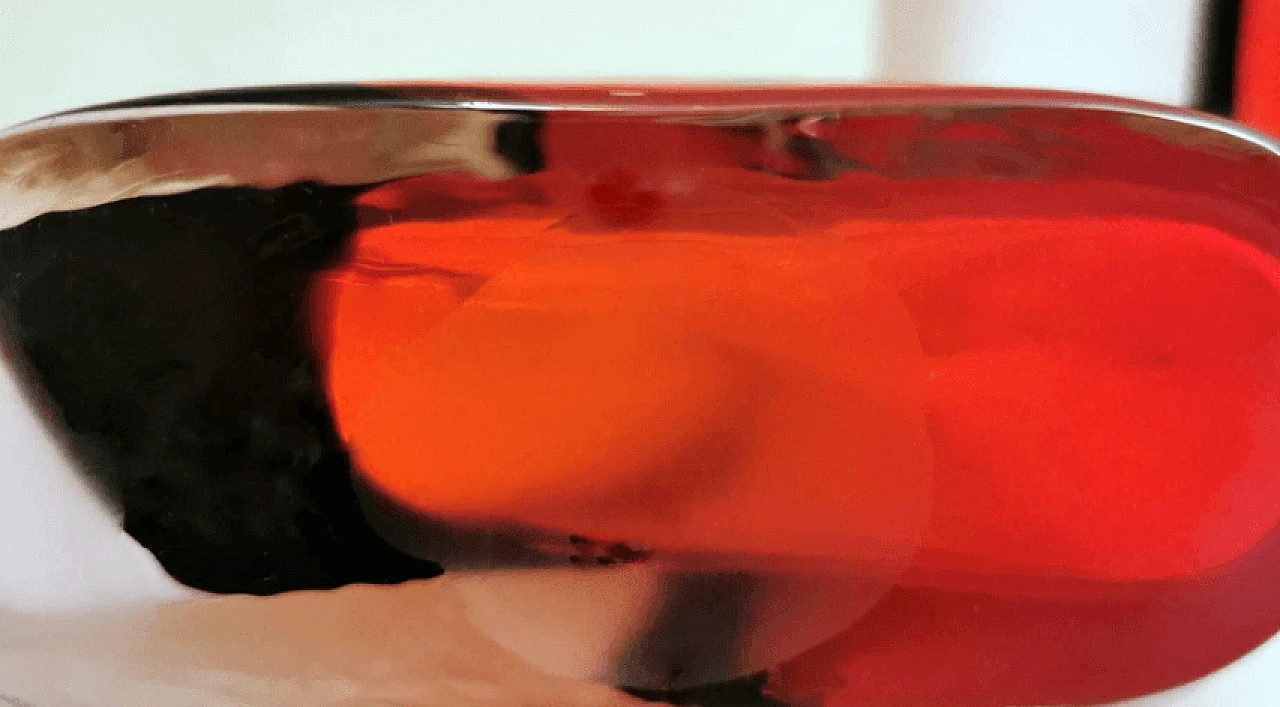
A colorful and lively pair of glass vases made in a small furnace in Murano (Italy) with the "submerged glass" technique. Their bottle shape makes them slim and pleasant. The "submerged glass" was invented in Murano in the late 1930s but became popular in the 1950s thanks to the skill and inventiveness of the Murano master craftsmen. In this type of processing, the glass consists of a layer of variable thickness on which one or more layers of different colors are superimposed when heated, obtained by immersing the glass in crucibles of different colors. The artifact is thus made up of several layers of different thickness and color. The two vases were made by skilled craftsmen between 1960 and 1965 who were inspired by the work of the Ars Cenedese company. Founded in 1946, Ars Cenedese Murano, thanks to the high quality and exclusivity of its production, soon established itself internationally as one of the most prestigious companies on the island of Murano, the world capital of handmade artistic glass. On the one hand, it has continued the ancient tradition of Murano glass - with blown glass, goblets, vases, plates and Venetian chandeliers - and on the other it has welcomed the suggestions of contemporary art, establishing intense relationships with the artistic and cultural of the time. He participated in various editions of the Biennale, the Milan Triennale and other important international exhibitions, collaborating with various artists. In the 1950s it made use of the stable contribution of personalities such as Napoleone Martinuzzi and from the 1960s Antonio Da Ros. The Cenedese company worked in close collaboration with internal and external workers, constituting one of the largest employment complexes in Murano. We like to quote a sentence written by Simone Cenedese, the founder of the company, as evidence of the great love and passion that the people of Murano have for their work: "I perceive it walking through the calli of Murano, looking at the colors of the houses, the the fire of the furnaces, the smell of the forges, the hands of the Masters, the shapes reflected in the water, everything is glass". What may appear to be small defects inside or outside the glass (bubbles, lumps, streaks, etc.) are instead evidence of craftsmanship. The largest vase is 26 cm high, 17 cm wide and 7 cm deep; the other one is 21 cm high, 14 cm wide and 5 cm deep.
ID: 4672-1666541699-48833
Time period

 SILVER Seller in Prato, Italy