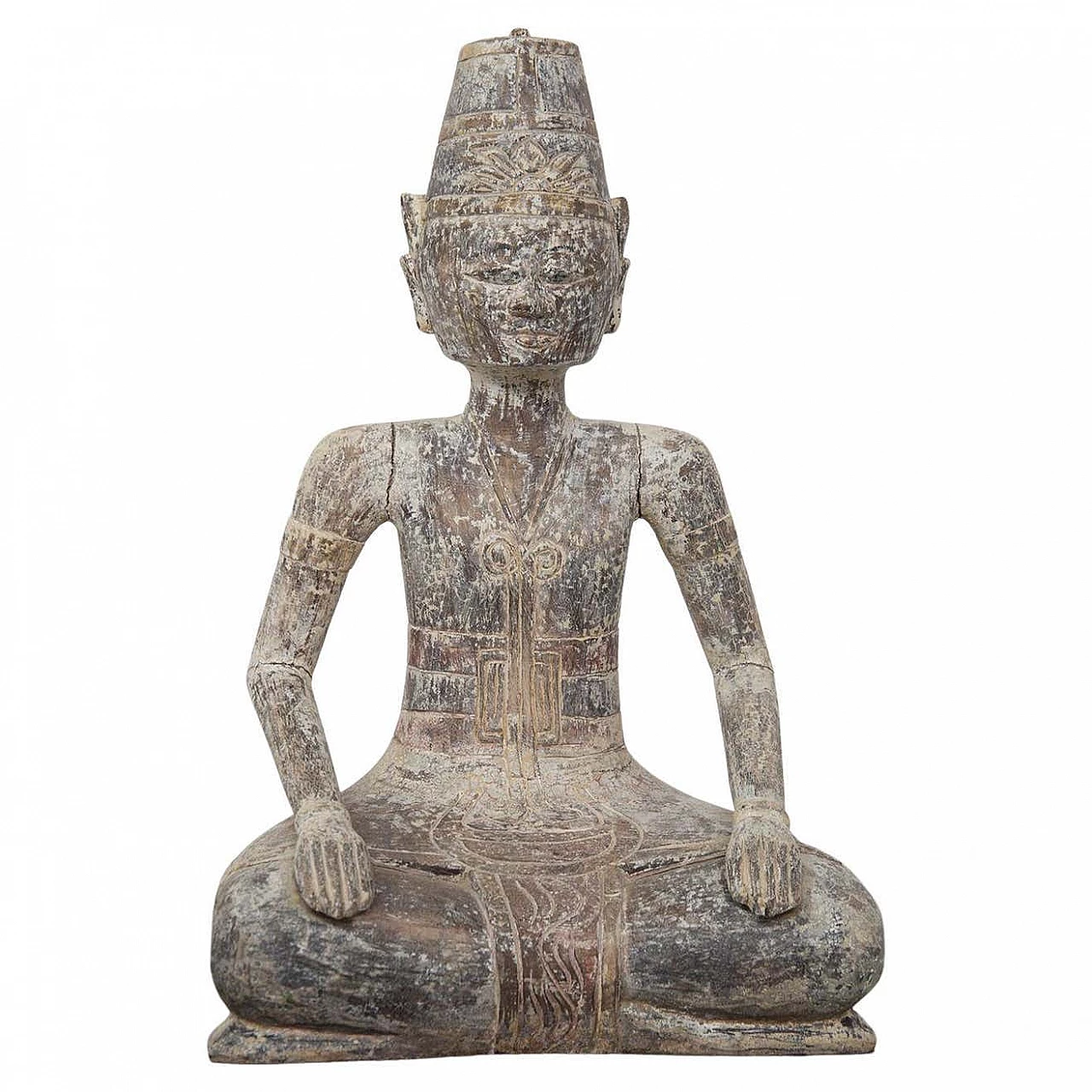
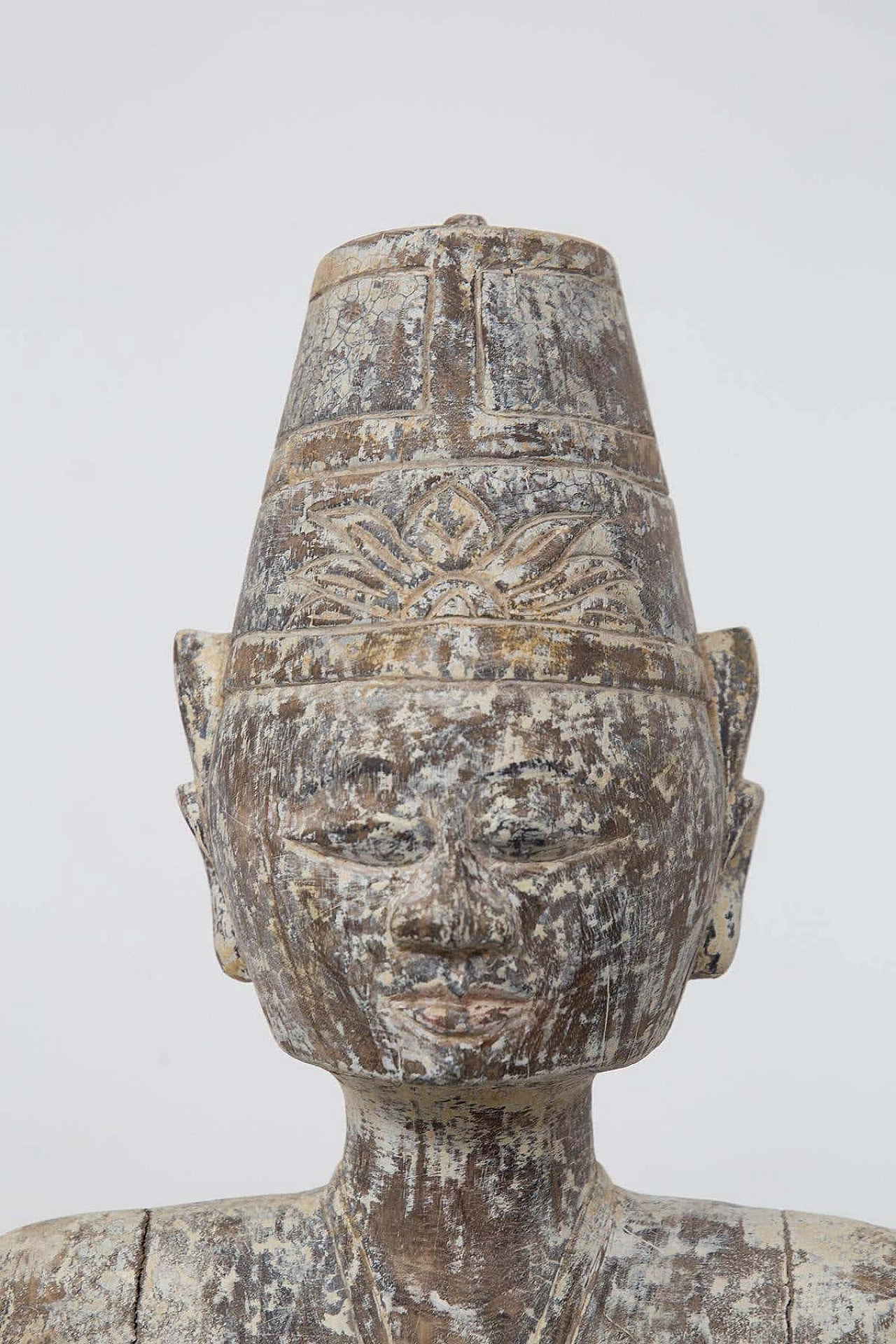
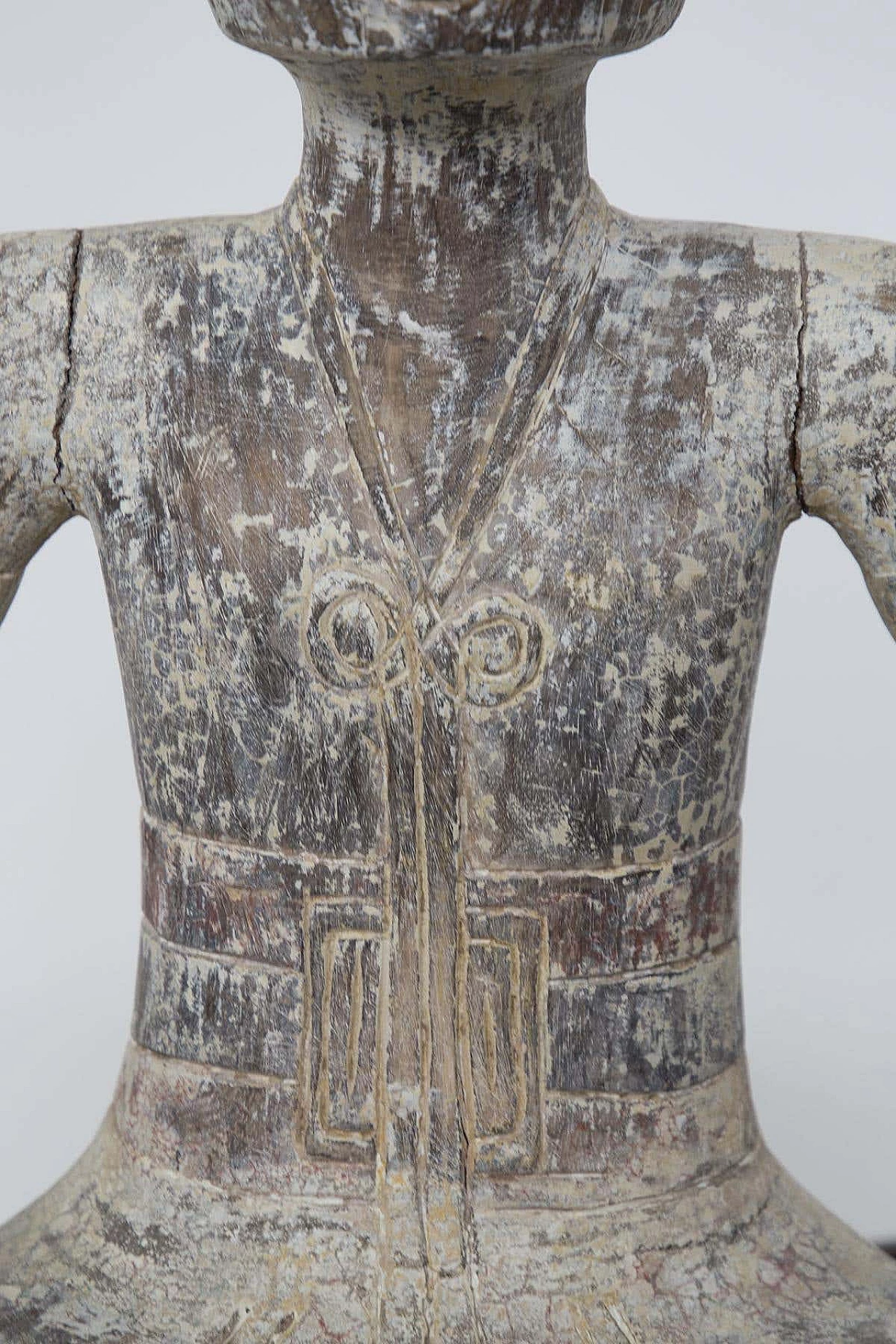
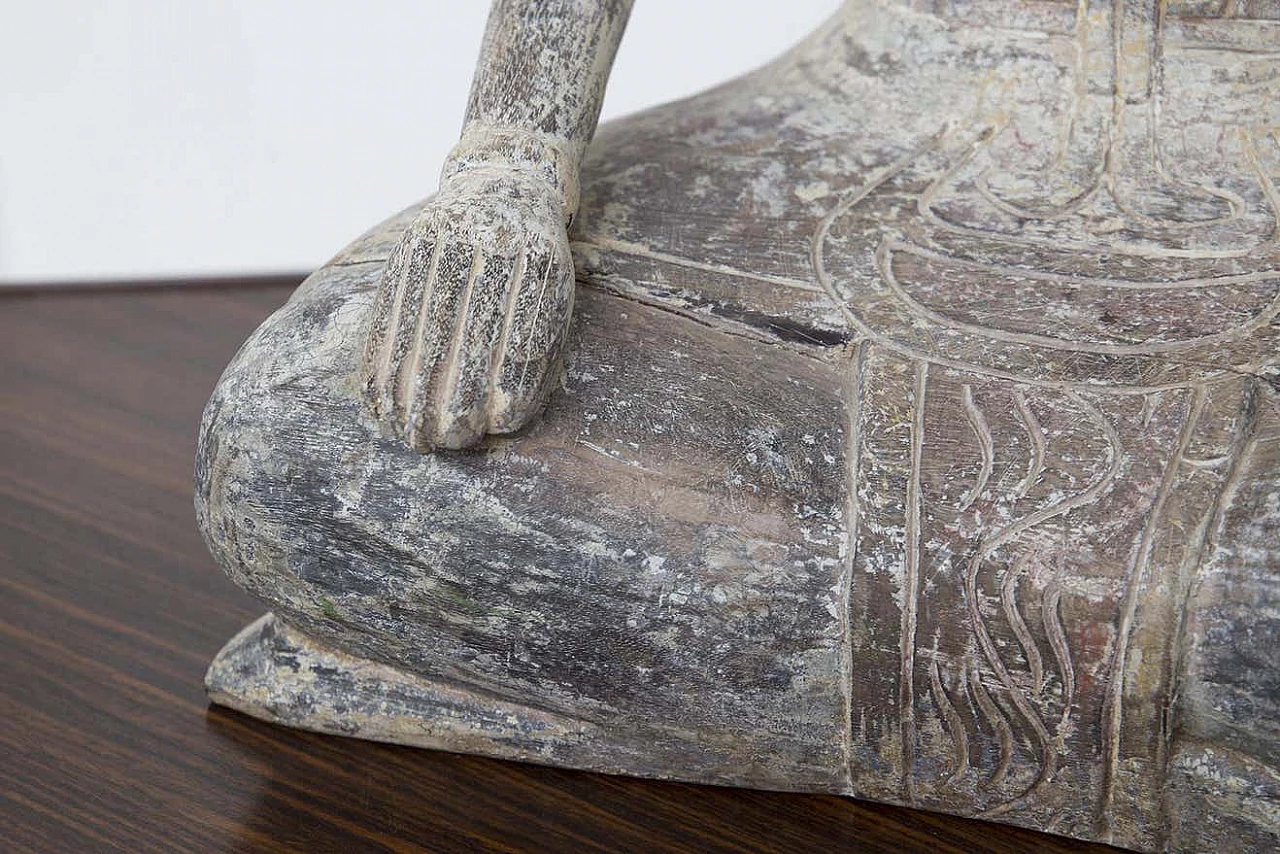
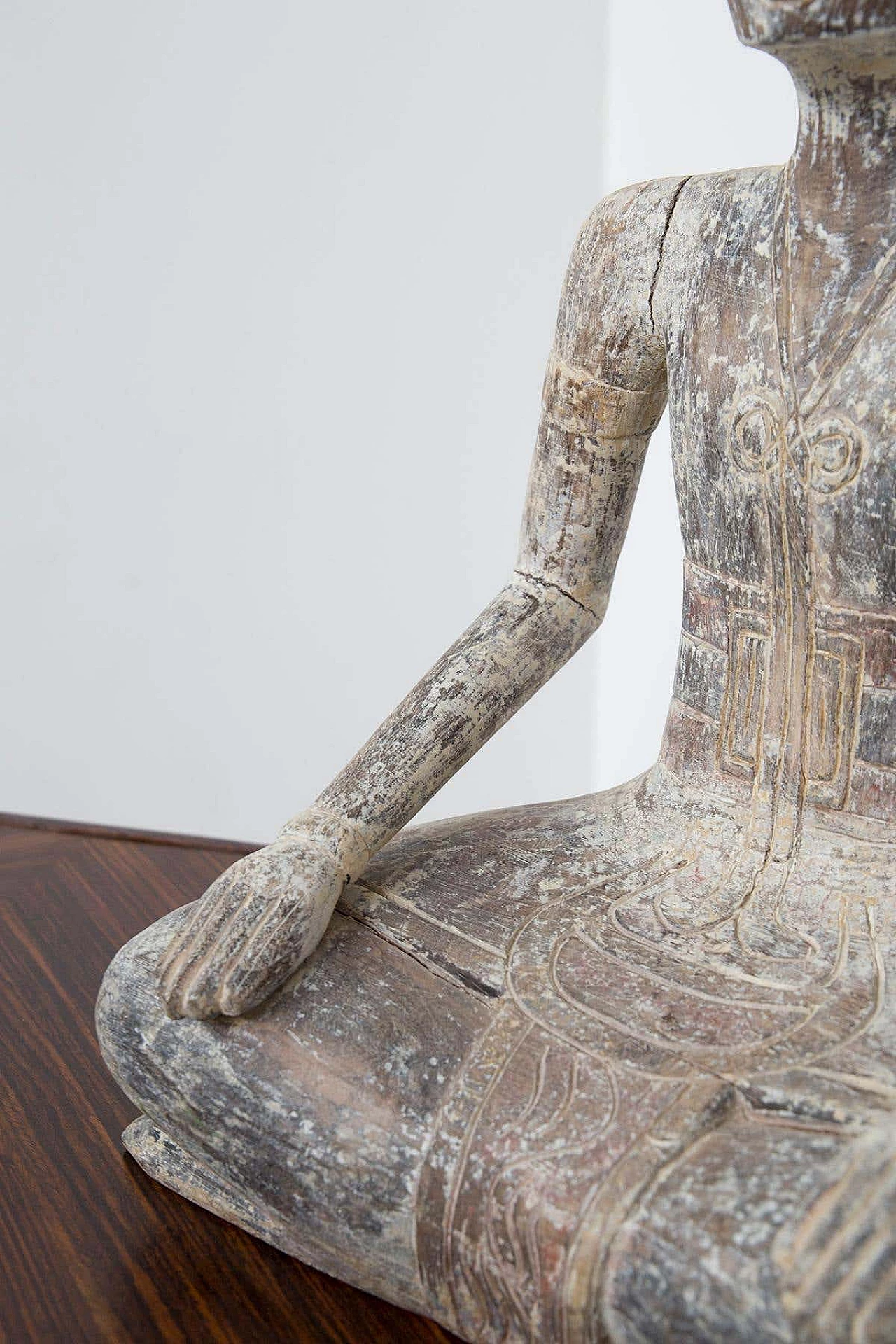
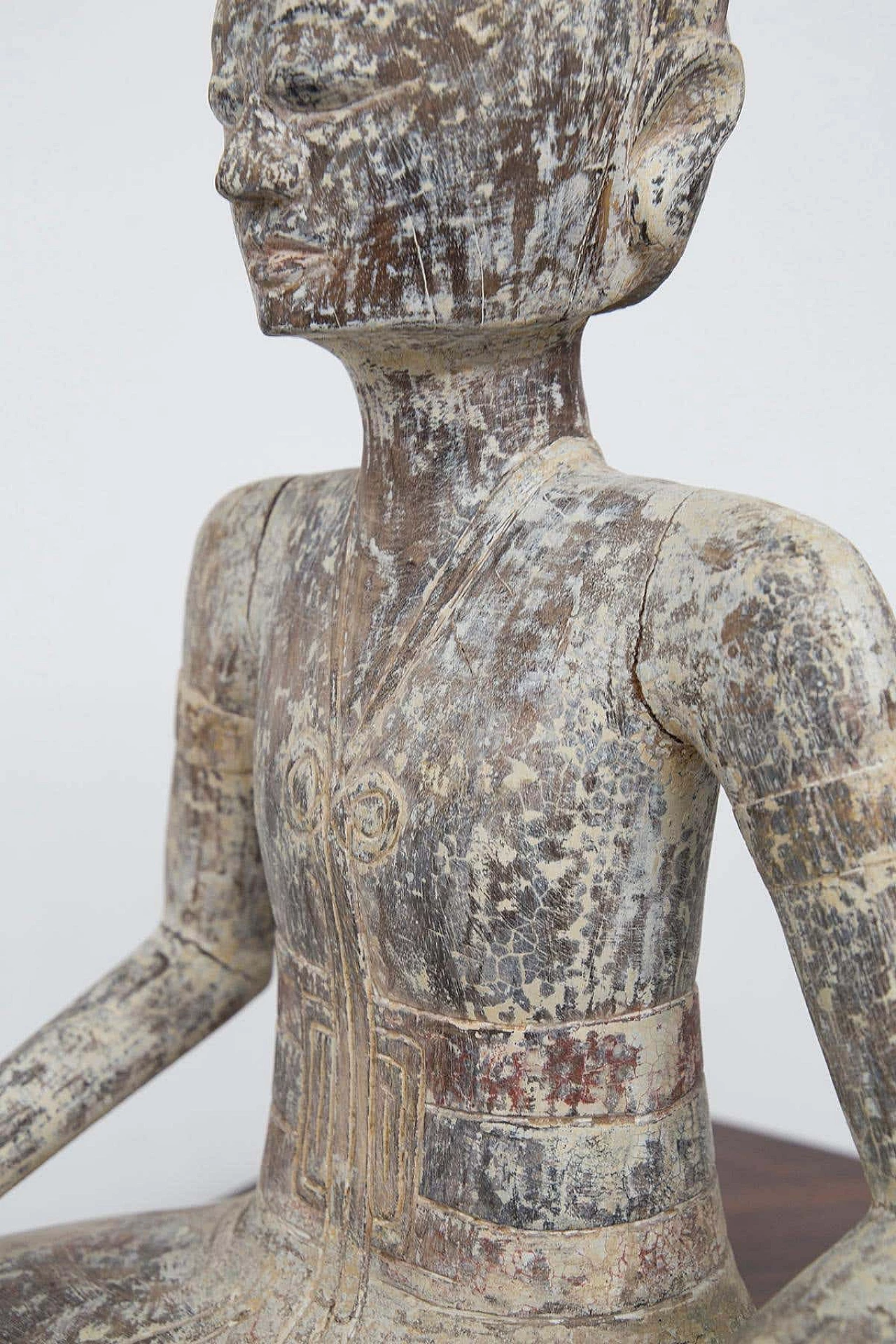
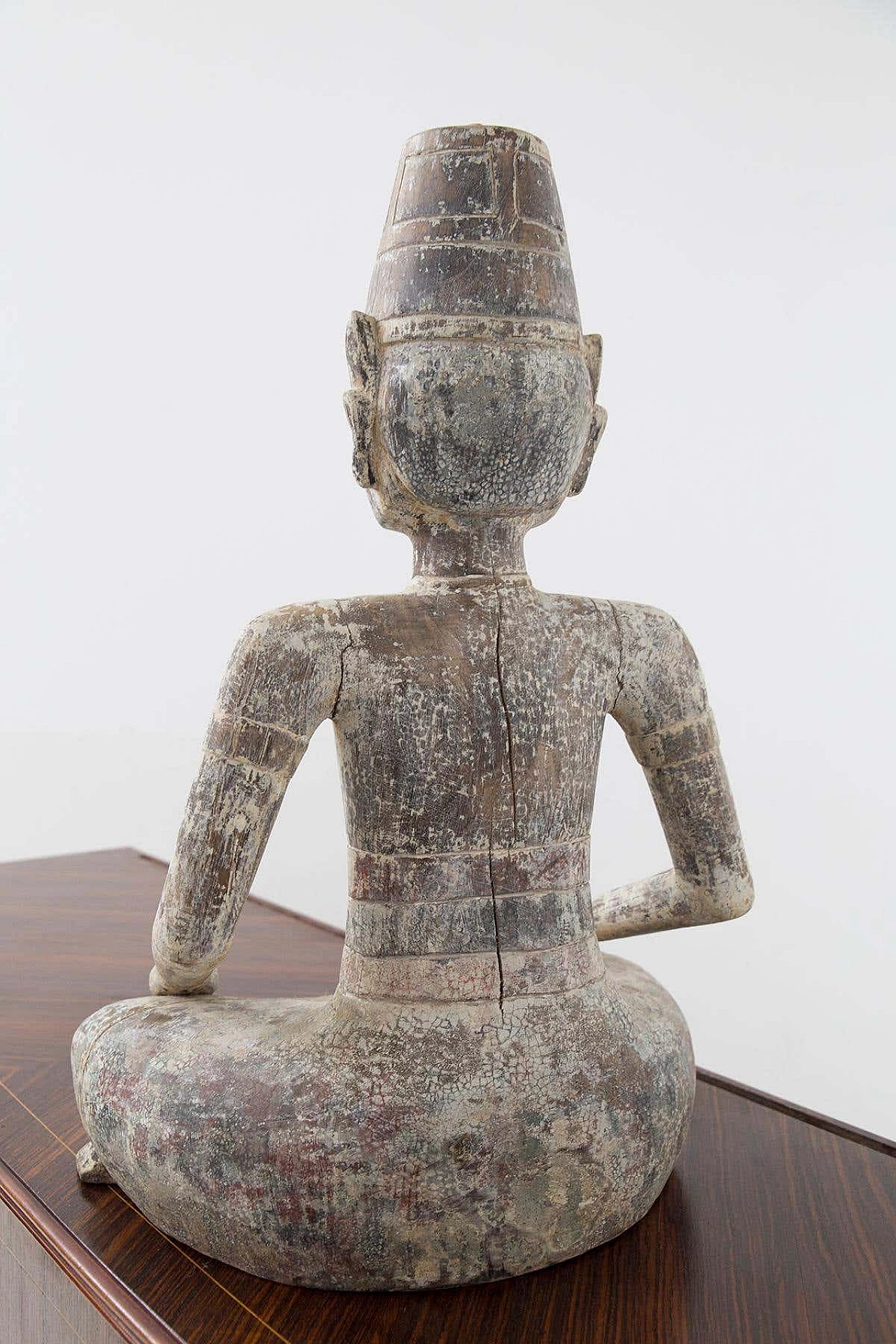
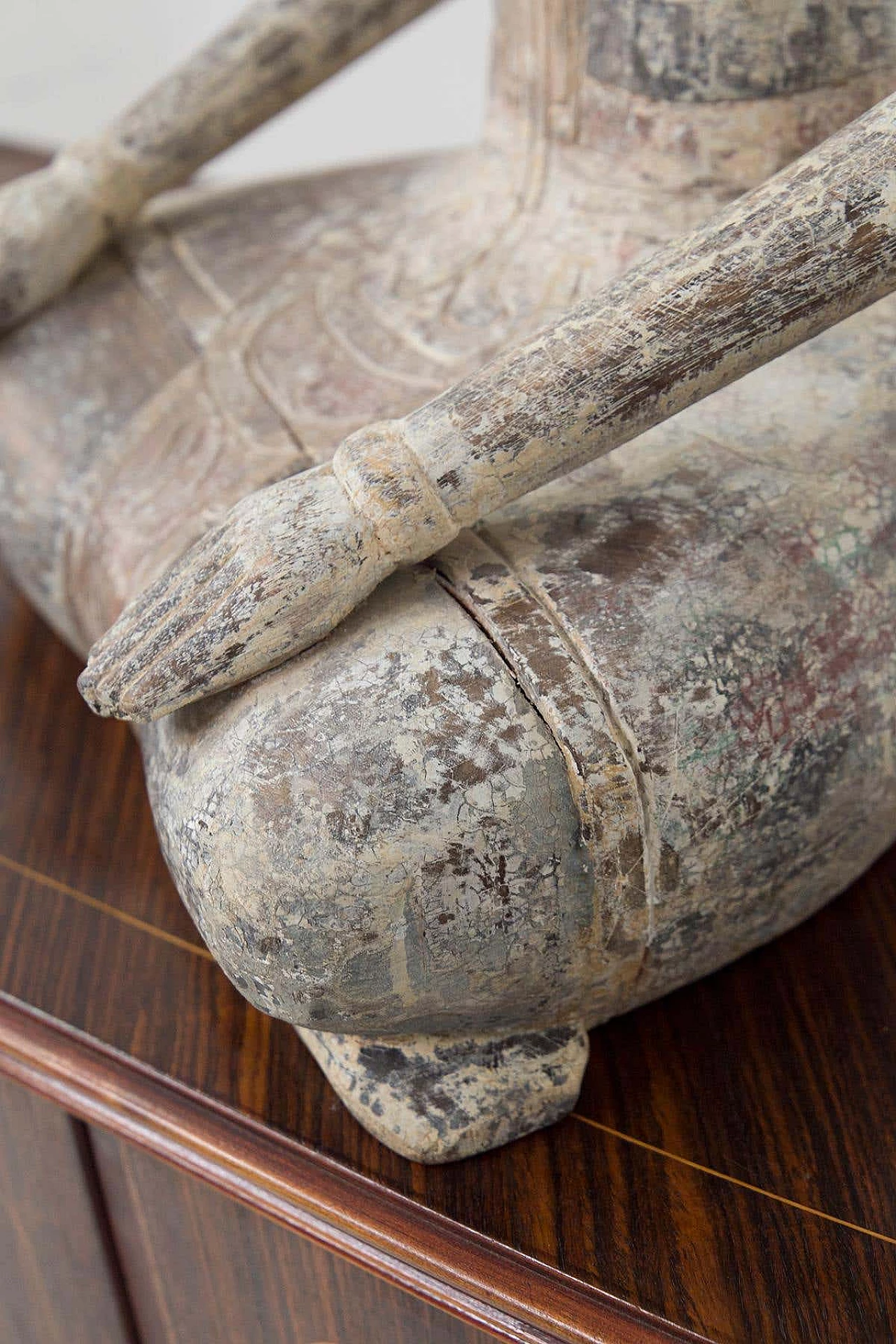
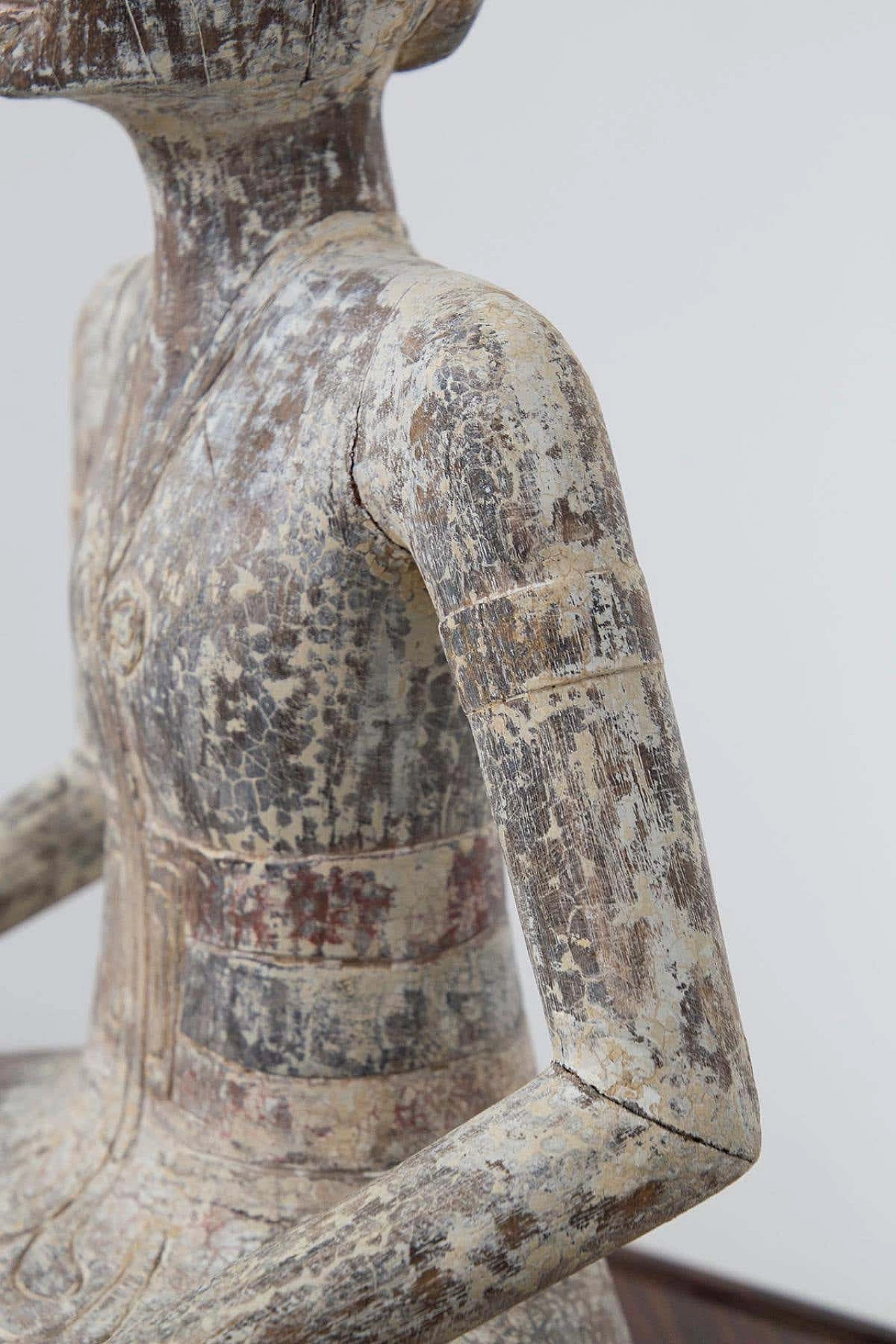
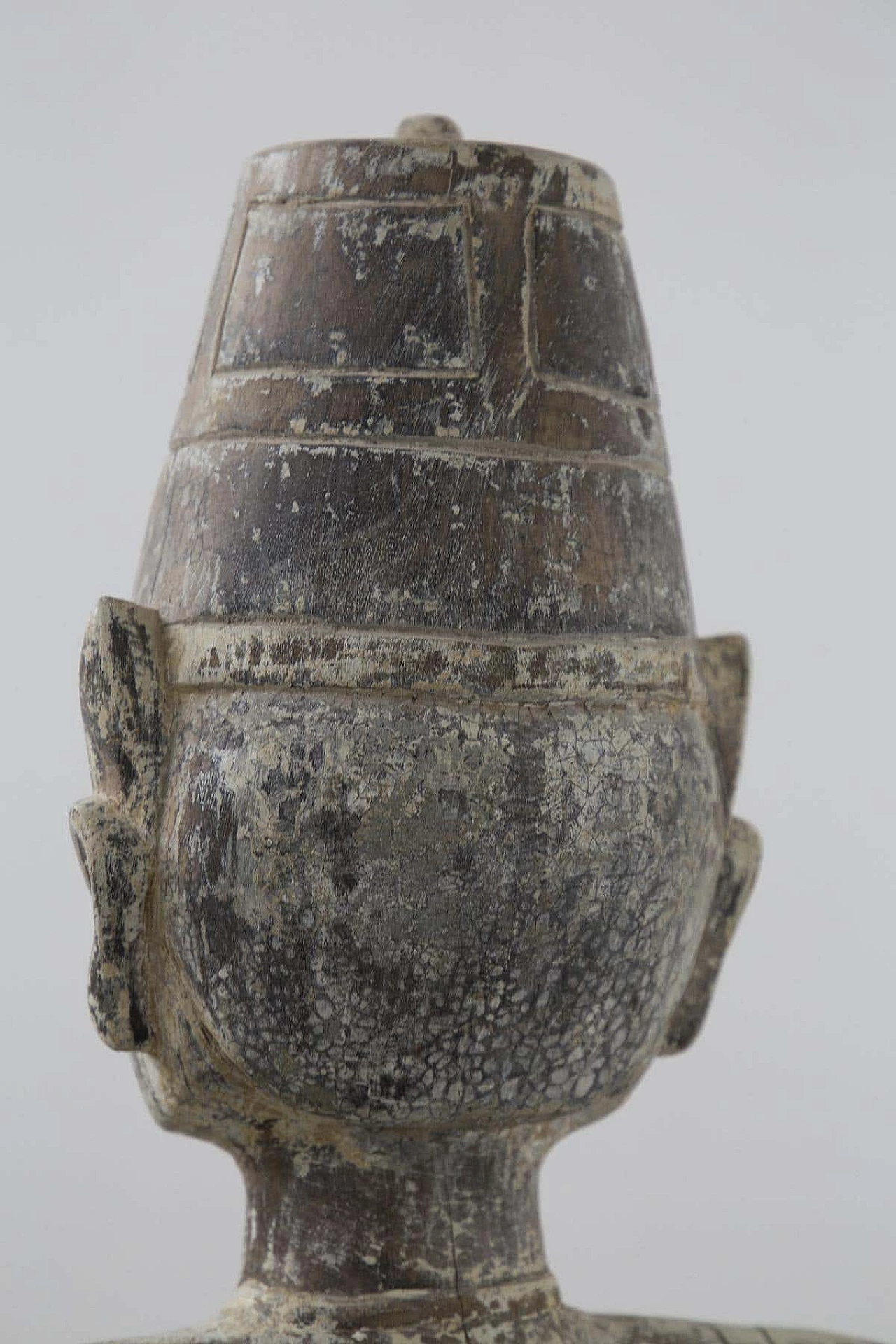
Statuary, together with mask production, is the other typical expression of African plastic art. Unlike the mask, it is rarely displayed in public and its use is not strictly related to collective representations; it is mostly employed in private rituals, with the exception of large statues that are owned by the village and kept in consecrated places such as temples. Generally made of wood, African sculptures depict, in most cases, the idealised ancestor, but they may also uphold the power of a spirit, beneficent or malefic, whose strength must be channelled in a positive direction through propitiatory offerings. Only in the presence of centralised political structures can statuary depict sovereigns or important court figures. Although each ethnic group represents an aesthetic universe in its own right, endowed with quite singular stylistic autonomies, it can be said that African sculpture, to be effective, must possess certain general formal characteristics: abstraction, luminosity, harmony, symmetry, hieraticity, verticality, frontality, staticity. These, far from representing a sterile academic exercise, contribute to its value, enhancing its social and religious significance. The statue is believed to have been made in the 18th century, entirely of painted and modelled teak. With regard to the headdress on the head of the man depicted, it can be assumed that he is an important personage for the tribe, a chief or religious member. The arms are resting on the knees as a symbol of royal importance. The statue is a collector's piece, an object of study, suitable for those who madly love African art.


.png)
 SILVER Seller in Milano, Italia