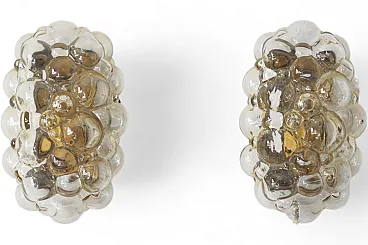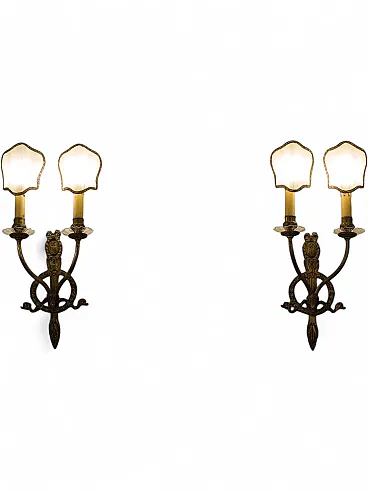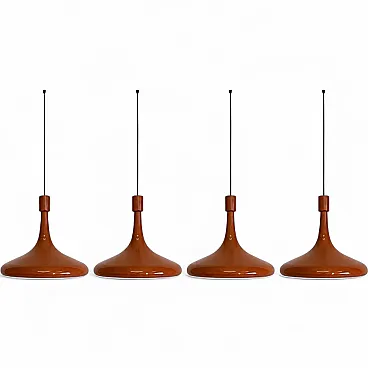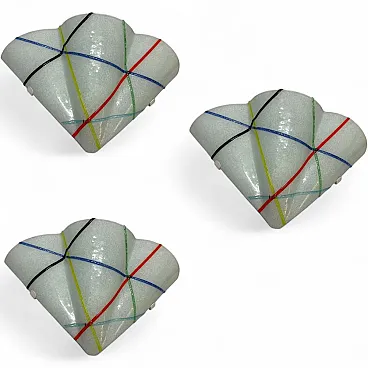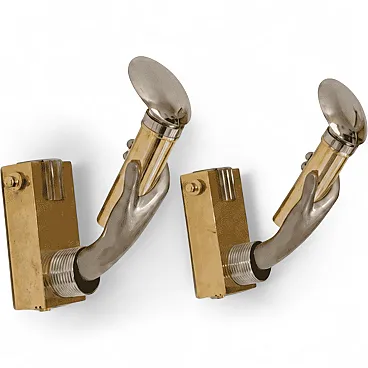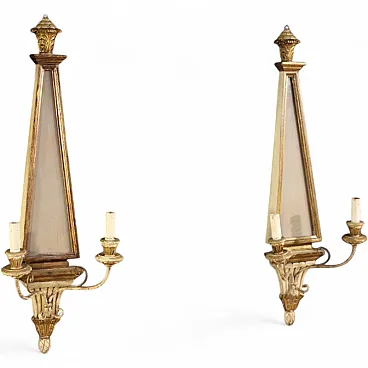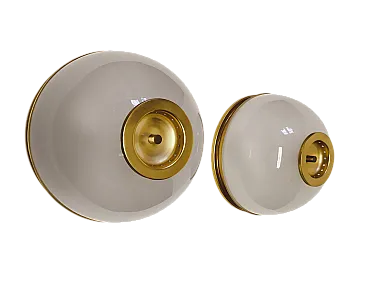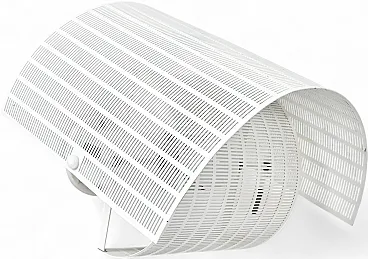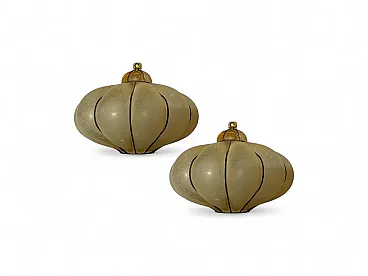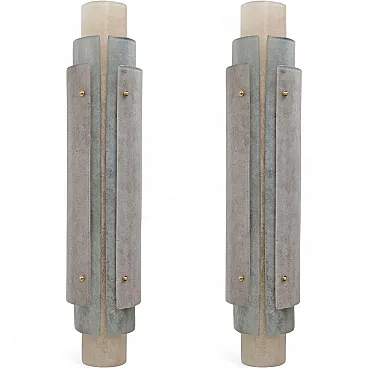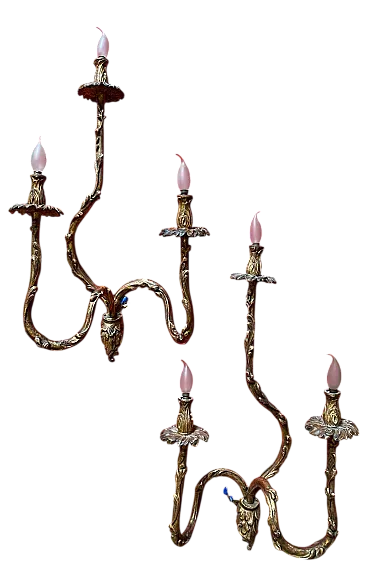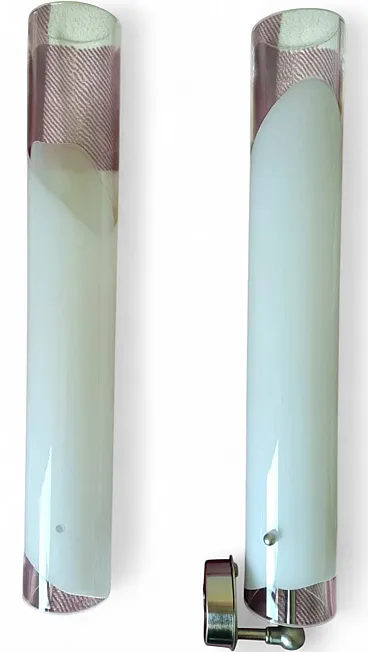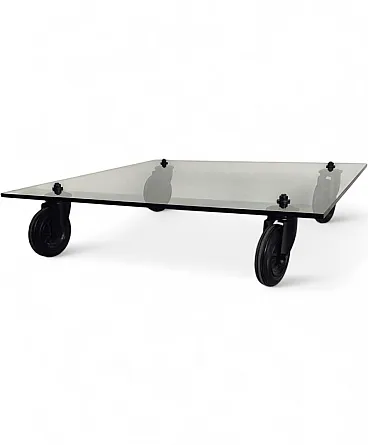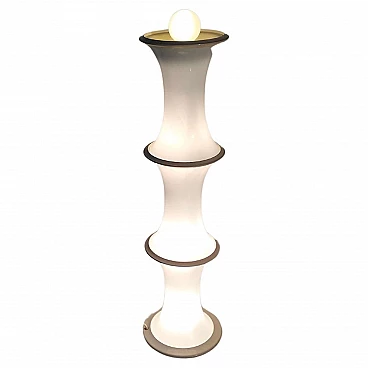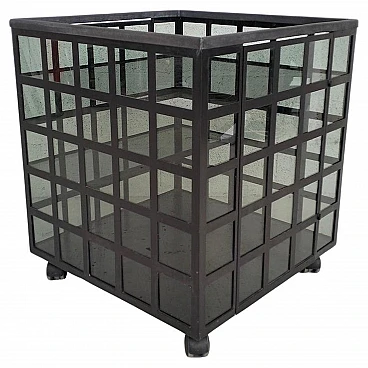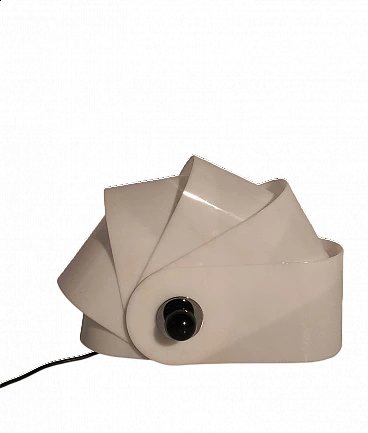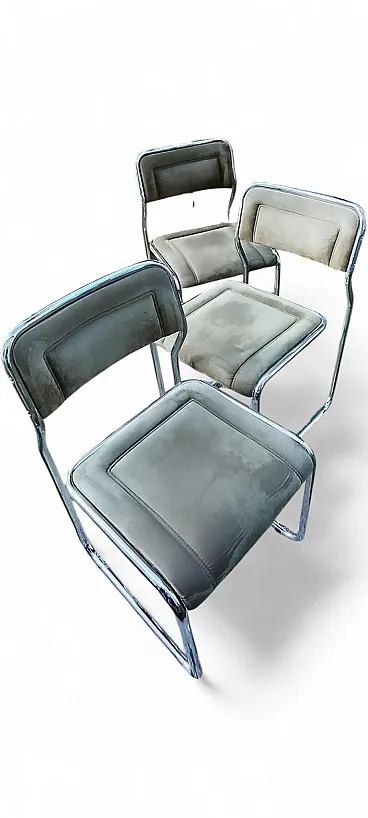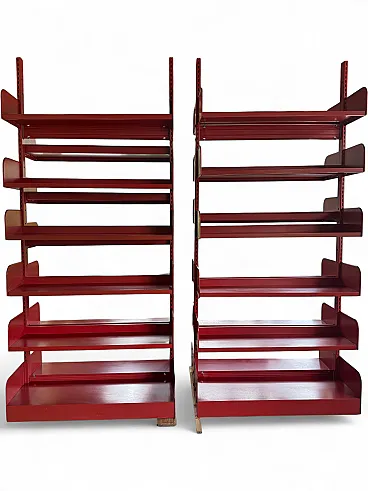



Sconce Poliedri di Carlo Scarpa per Venini, anni '50


.png)
The Polyiedri Durre/Applique Designed by Carlo Scarpa for Venini in the Late 1950s is an excellent Example of Mid - Century Italian Design, Combining The Artis Tradition of Murano Glass with Elegant Metalwork and Geometric Form. Here's a Breakdown of What Makes It Special - Its Design, History, Technique, and meaning. Designer & Context Carlo Scarpa (1906-1978) was a Venetian Architect and Designer with Deep Ties to Murano and the Glass Tradition; His Work Is Known for Combining Rigorous Formal Clarity With Rich Material and Craft. Venini is one of the mouter important Glass Manufacturers on Murano, Known for Collaborative With Architects and Artists (Scarpa Among Them) to push What Coule Could Do, Not Just Decoratively But in Stucutural/Formal and Lighting Design. The 1950S and Early 1960s Were in Highly Experimental Time in Italian Design, Espencially in Lighting. Designers Were Exploring How Light Interacts With Form, Texture, And Material; Glass was a medium with both challenges and possibility. The Name "Poliedri" Means "Polyhedra" in Italian - This is meaningful because the pieces are made of Glass Elements Shaped Into Faceted (Polyhedral) forms. The Notary/Appliques Use Multiples of These Faceted Glass Modules ("Drops" or "Vessels") Arranged Together Over a Metal Frame. The Arrangement Creates Texture, Shadow, and Sparkle As Light Passes Through and Refracts in the Glass.
ID: 16769-1757601469-131381
Time period

 SILVER Seller in Padova, Italy