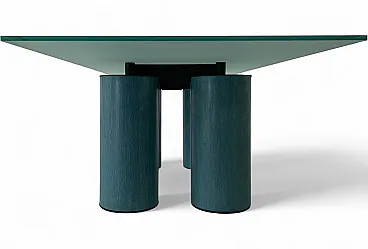
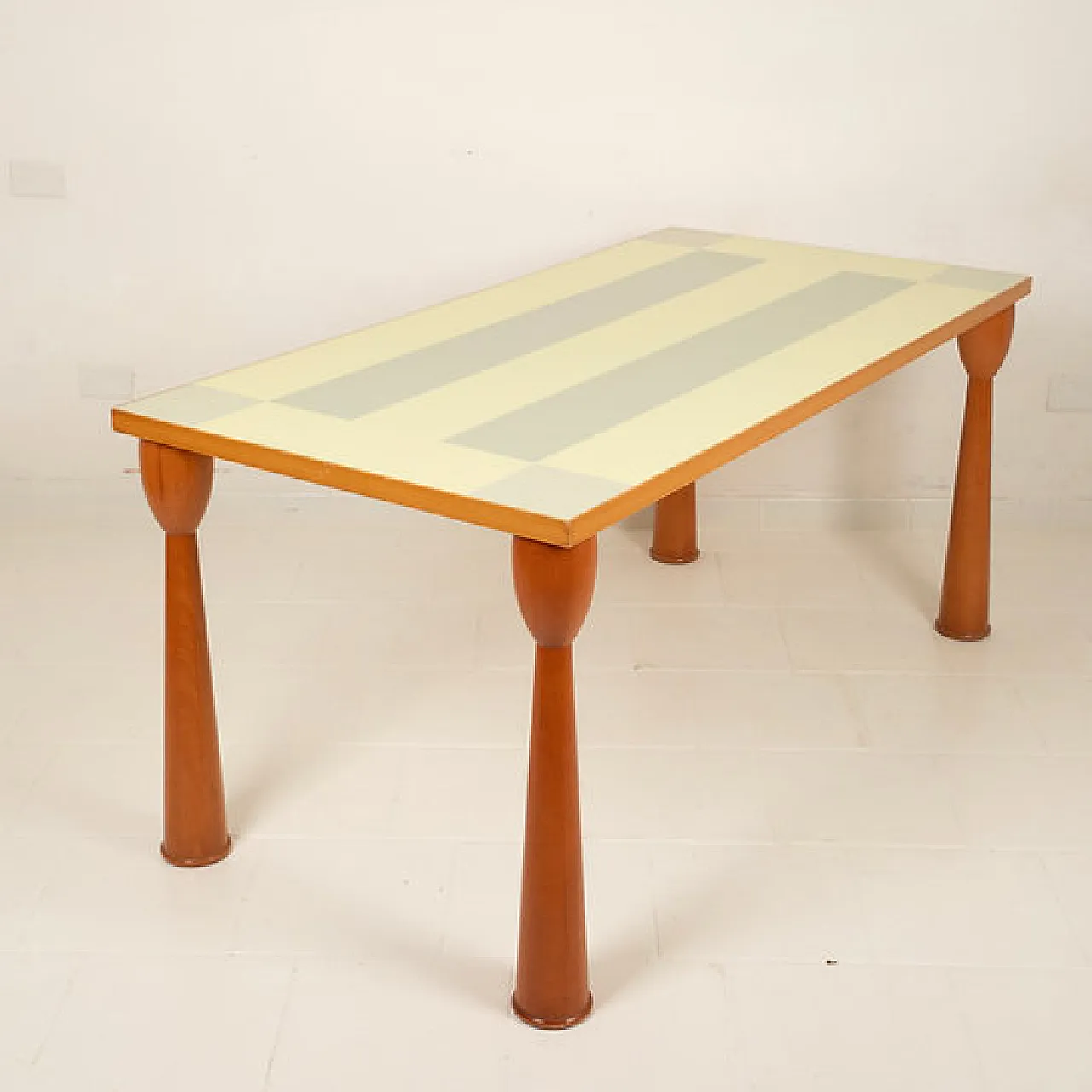
Designed by Ettore Sottsass and produced by Zanotta in the early 1990s, the Alicudi table represents one of the finest testimonies of the master's research into the language of colour, shape and symbol within the domestic world.
Created after the period in which Sottsass founded the Memphis group, Alicudi fits fully into that climate of design freedom and experimentation that marked the rebirth of Italian design in the 1980s, with works that are not limited to function but become aesthetic declarations and cultural.
The table is part of the famous series dedicated to the Aeolian Islands — Alicudi, Filicudi, Lipari and Panarea — conceived as a small archipelago of shapes and colours, a poetic homage to Mediterranean light and geography reinterpreted through the lens of design. In this collection, Sottsass abandons all modernist rigor to construct a new language, where the object is no longer anonymous but loaded with emotional, spiritual and symbolic references.
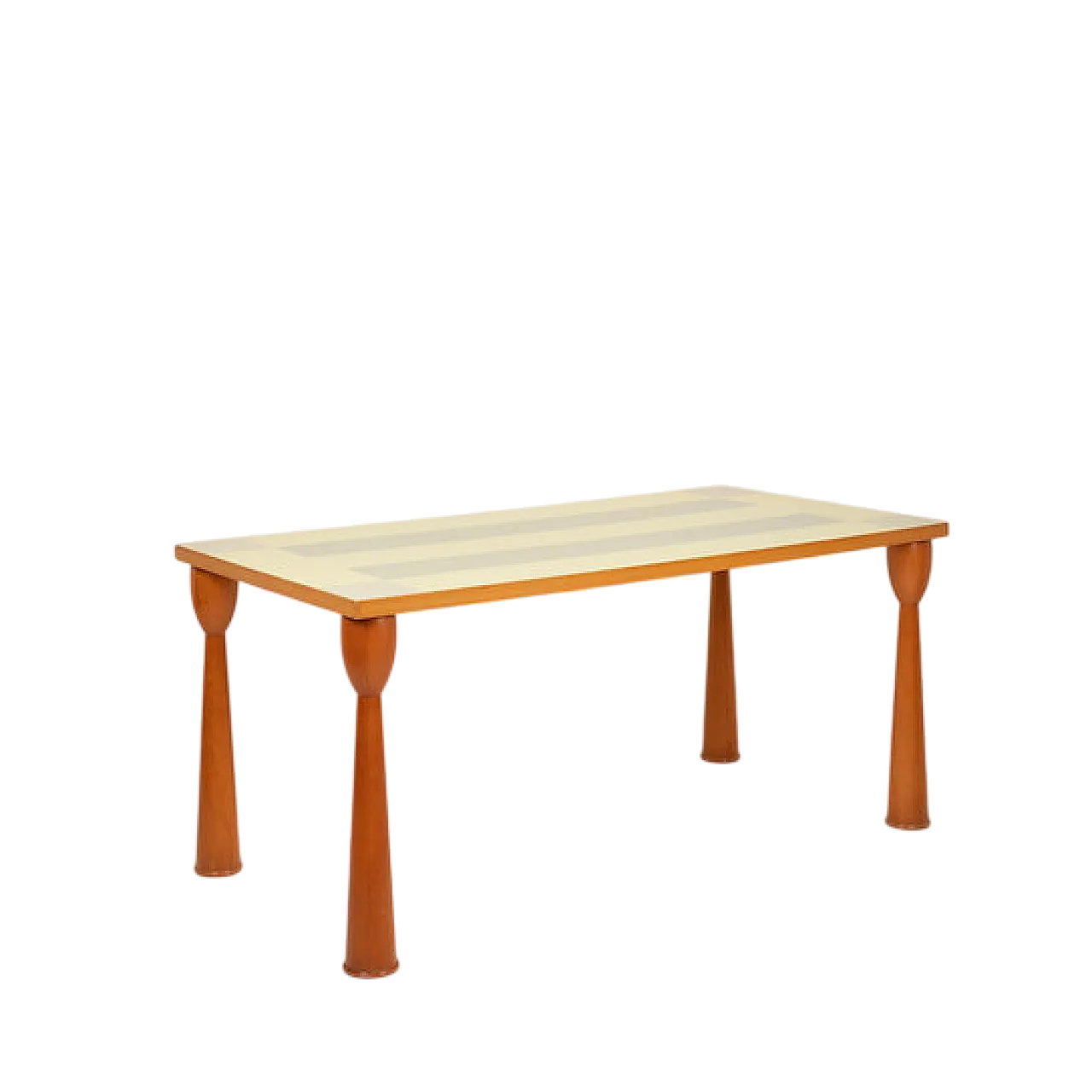
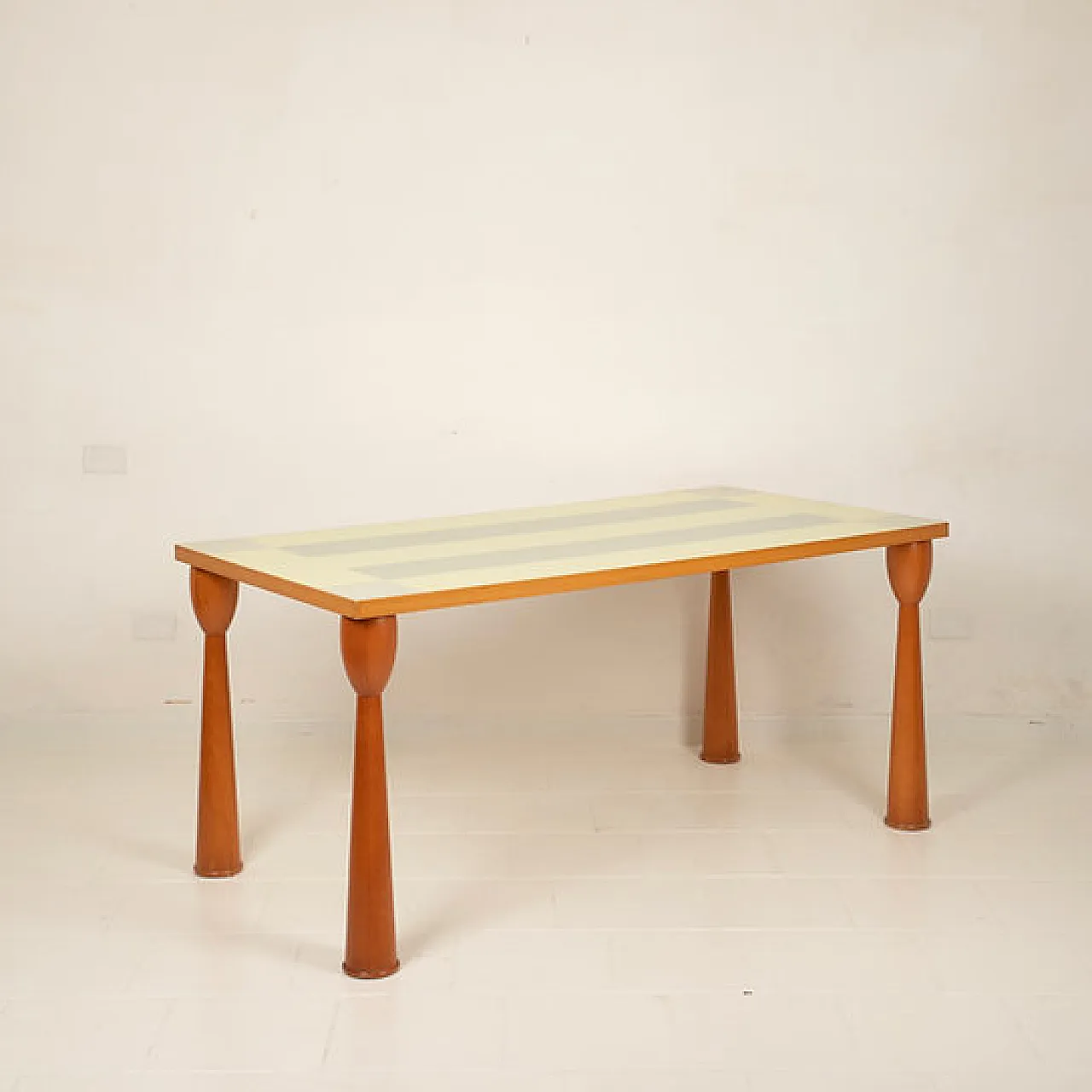
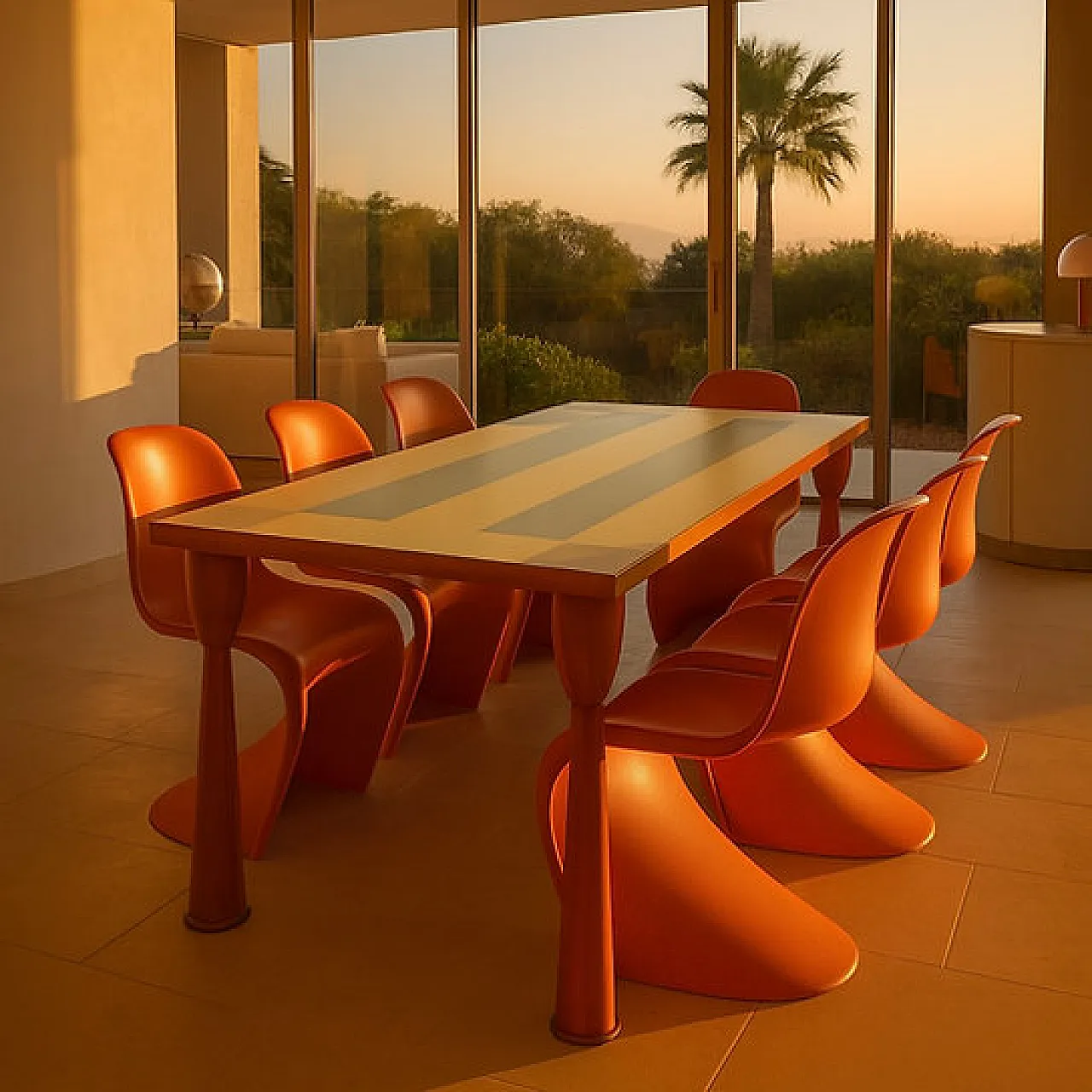
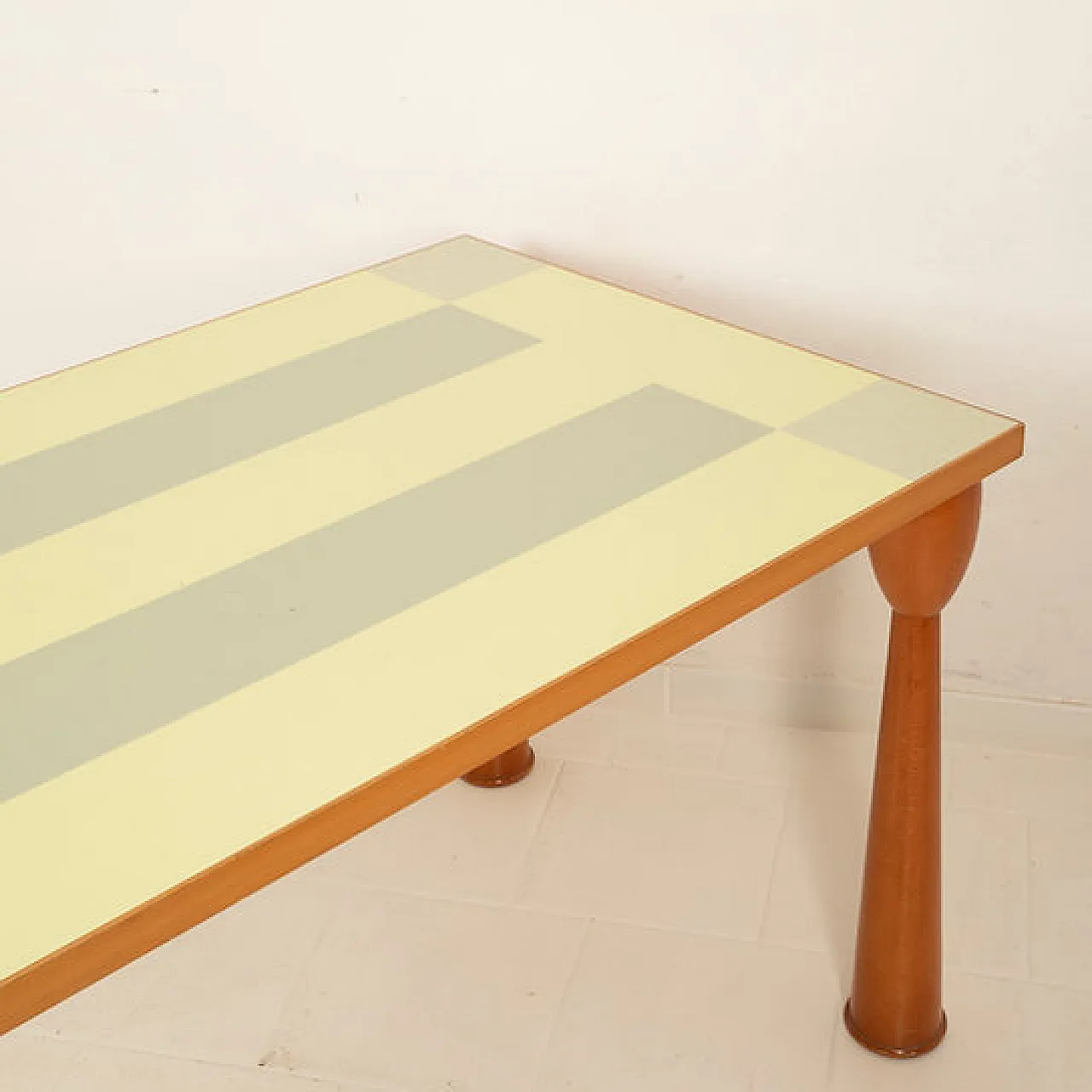
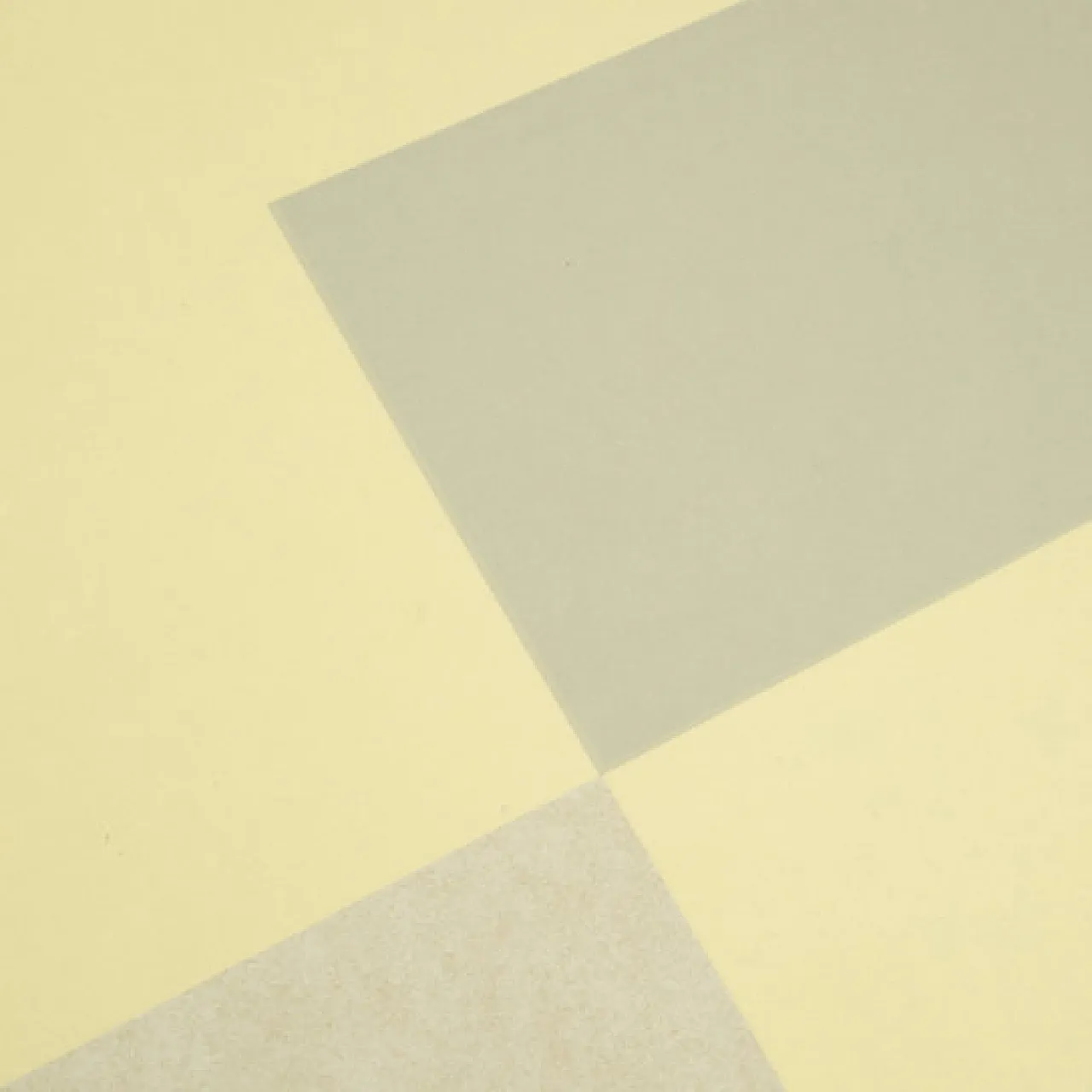
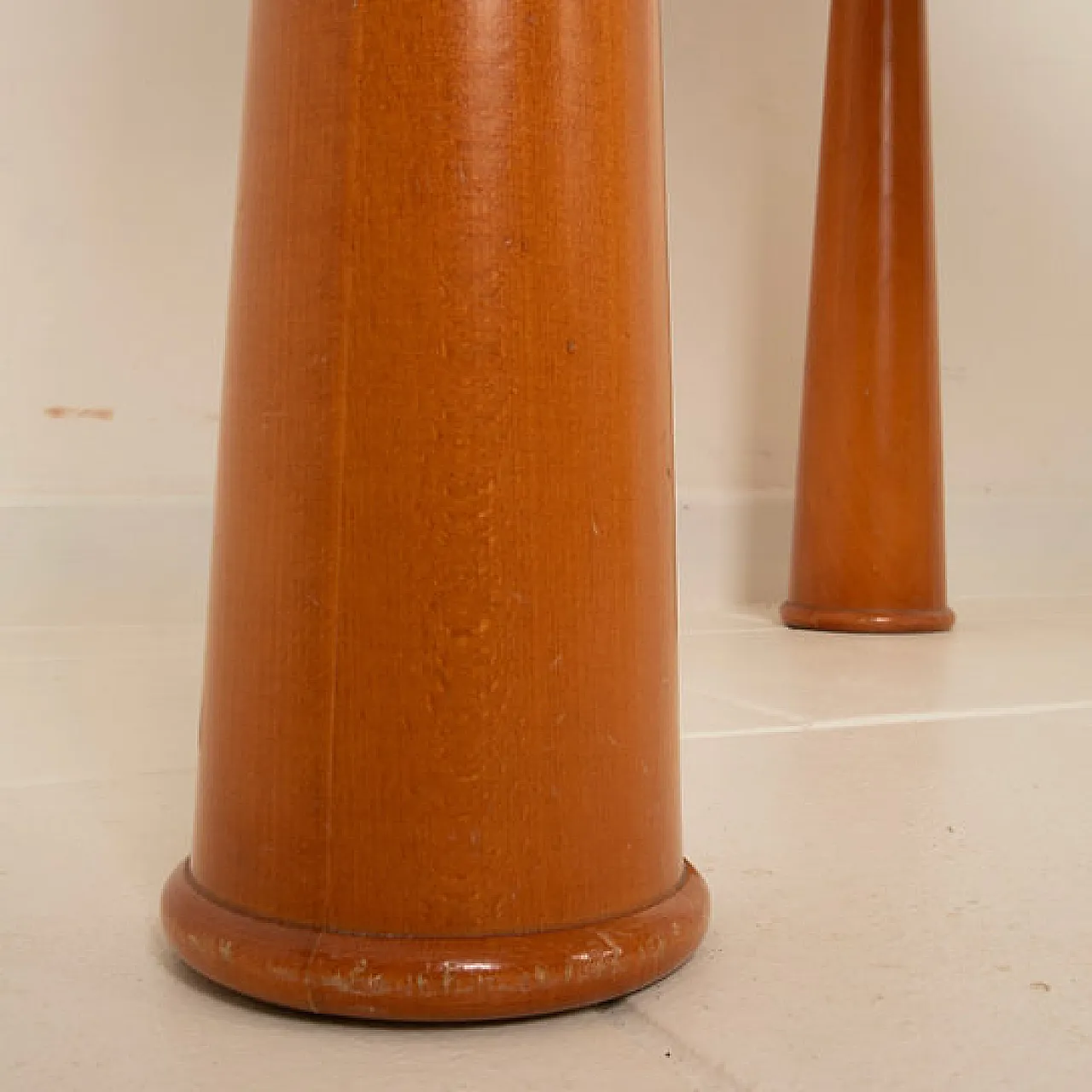
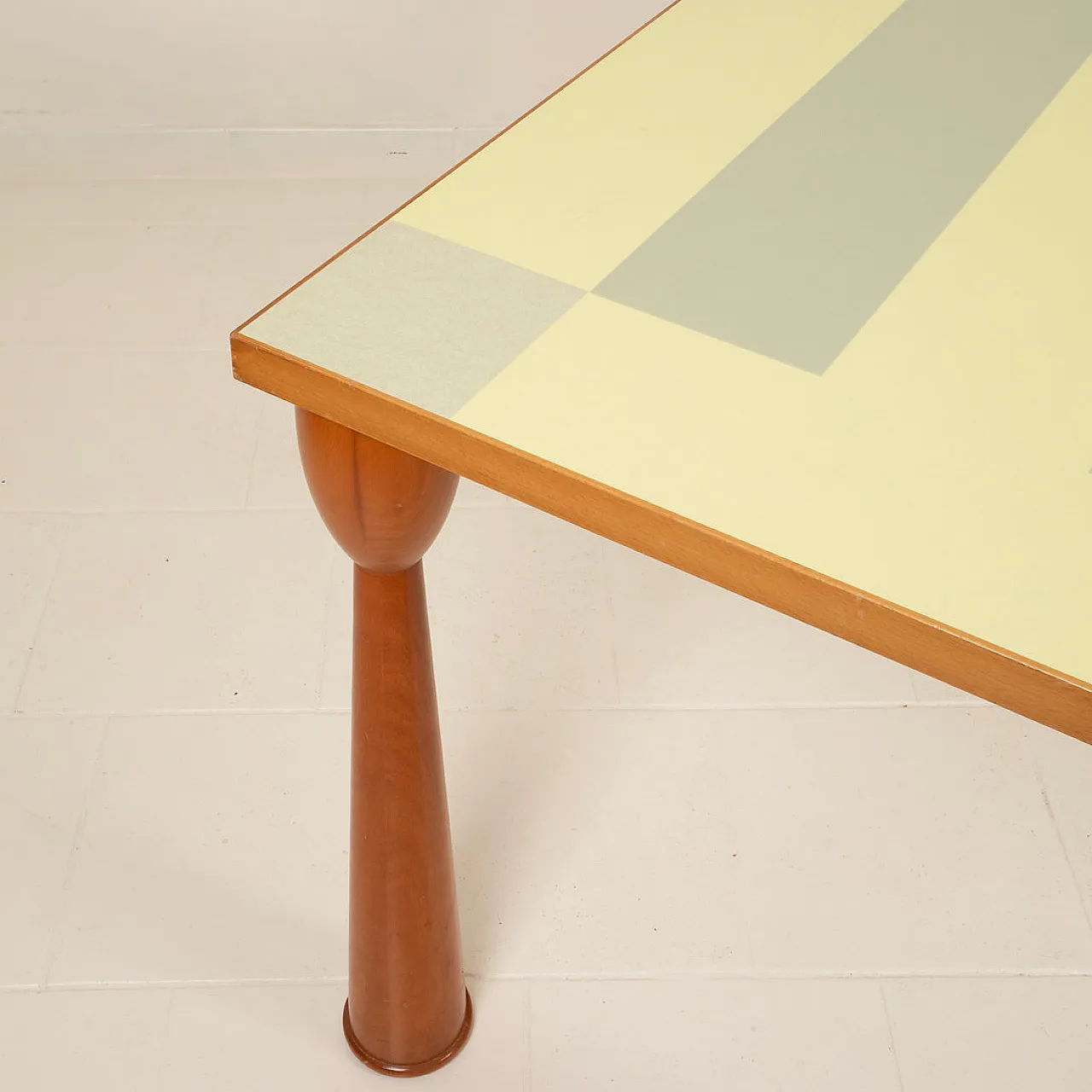
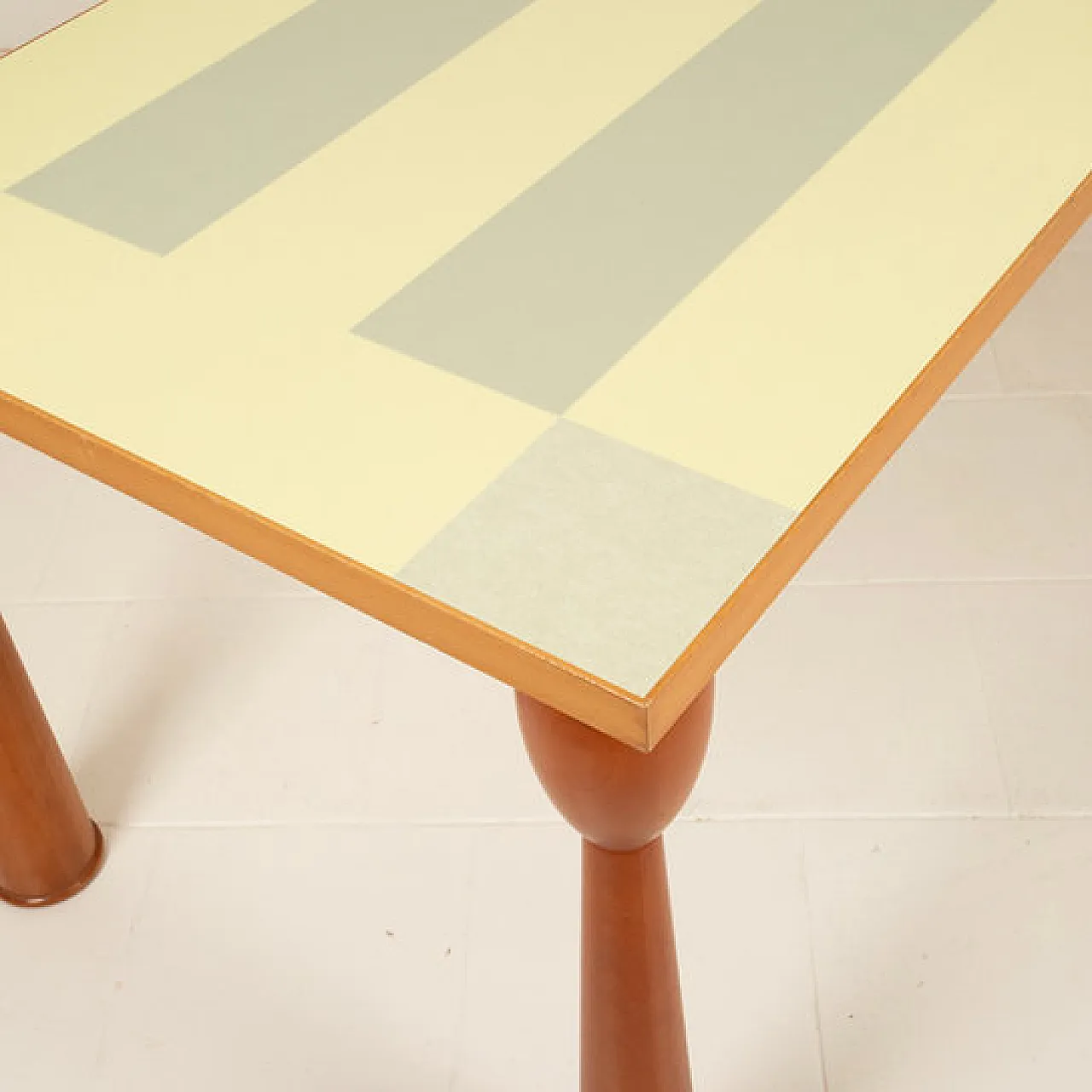
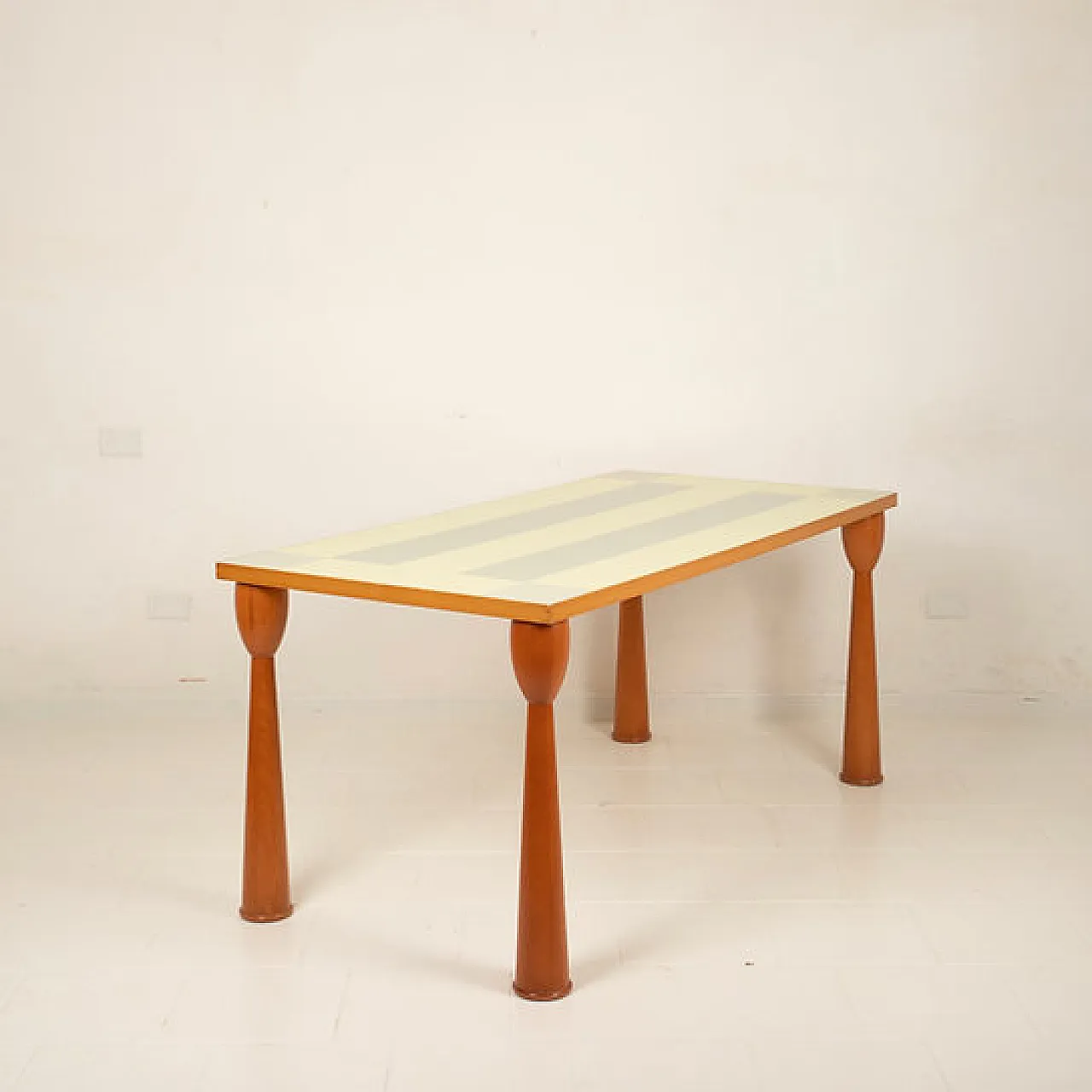
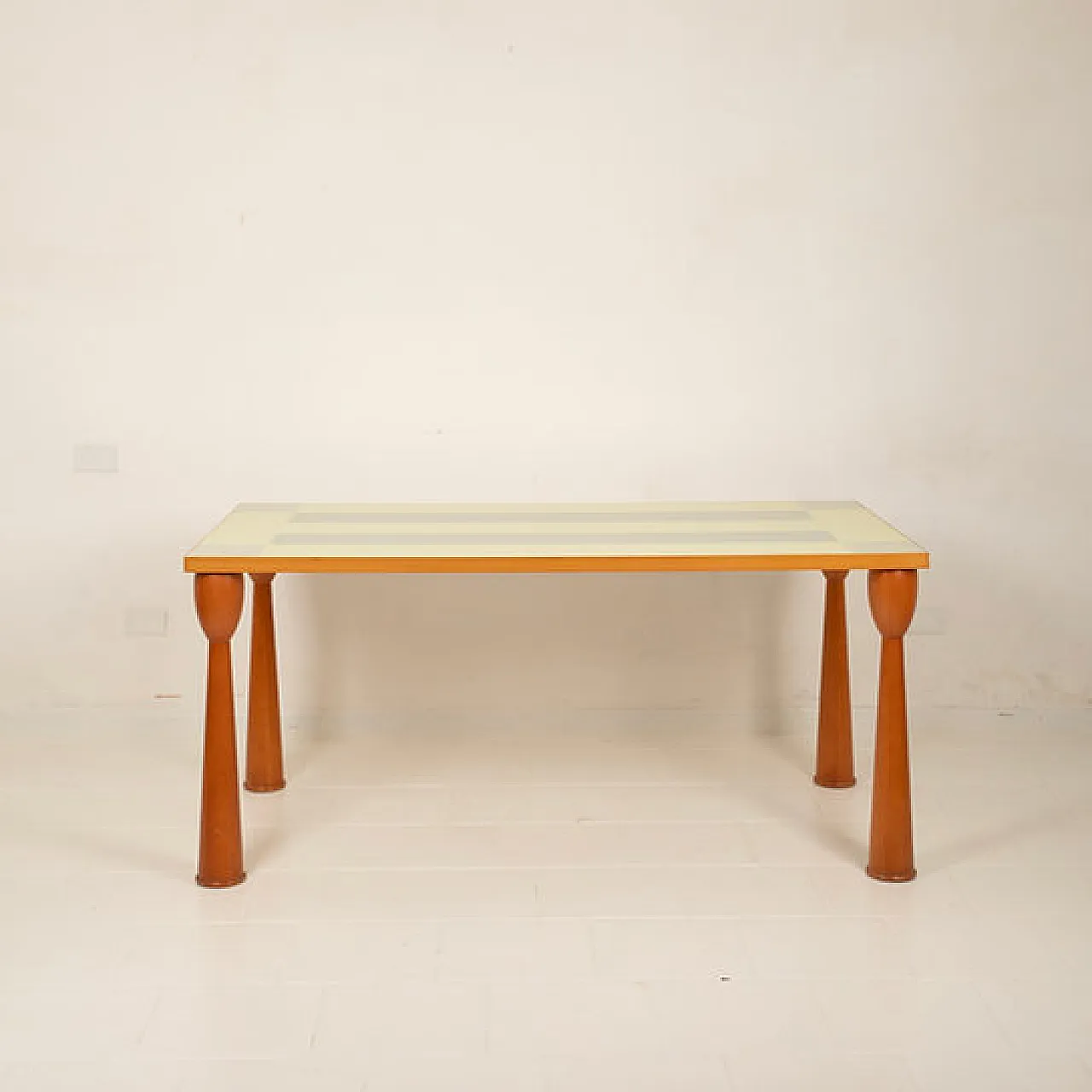
The solid cherry wood structure is supported by four turned legs with a conical section, with a bulbous upper attachment that accentuates the verticality and plastic strength of the whole. These pure and totemic, almost primitive shapes evoke the columns of a small temple, while the rectangular top in decorative plastic laminate introduces a counterpoint of graphic rigor and chromatic lightness. The parallel bands in muted light yellow and sage grey tones create a sophisticated balance between measure and invention, light and matter, evoking the sweet and sensual Mediterranean aesthetic filtered through Sottsass's intellectual vision.


.png)




 SILVER Seller in Bari, Italy