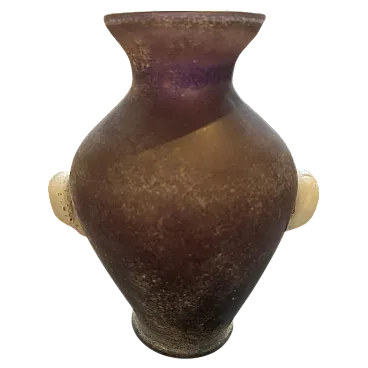
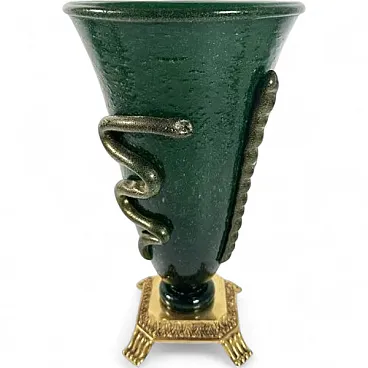
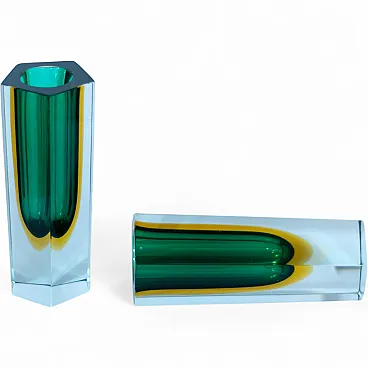
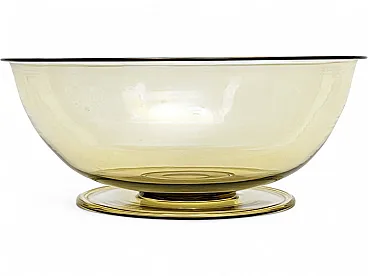
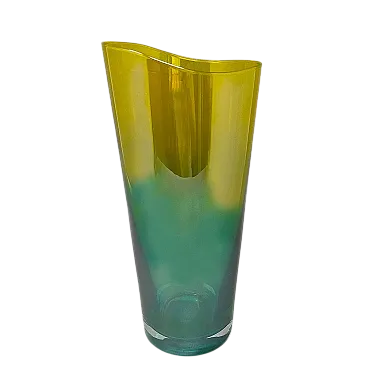
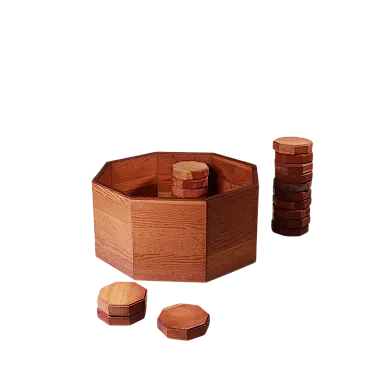
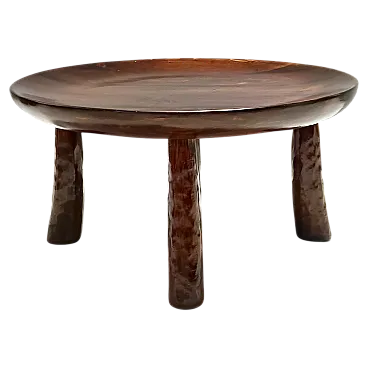
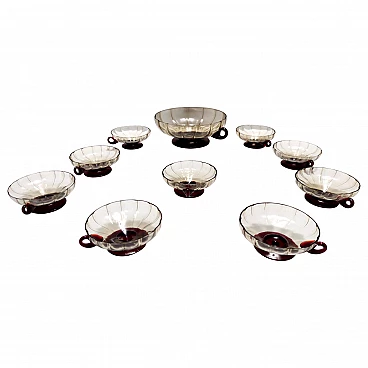
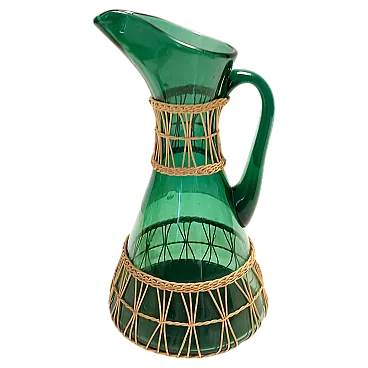
Between 1932 and 1933 the Milanese architect Tomaso Buzzi, a spirited protagonist of the Milanese "neoclassical" movement, friend and partner of Gio Ponti and partner of Il Labirinto, established a fruitful collaboration with the Venini glassworks, which will continue, albeit episodically, in the following years. The architect's creative contribution was evident both in the shapes of the glass and in their innovative production technique. When Buzzi arrived at the Venini company in Murano, in 1932, he brought with him a considerable cultural background and an in-depth knowledge of ancient art, in particular of the Etruscan period, where he sought inspiration with the aim of creating new and original artifacts. .
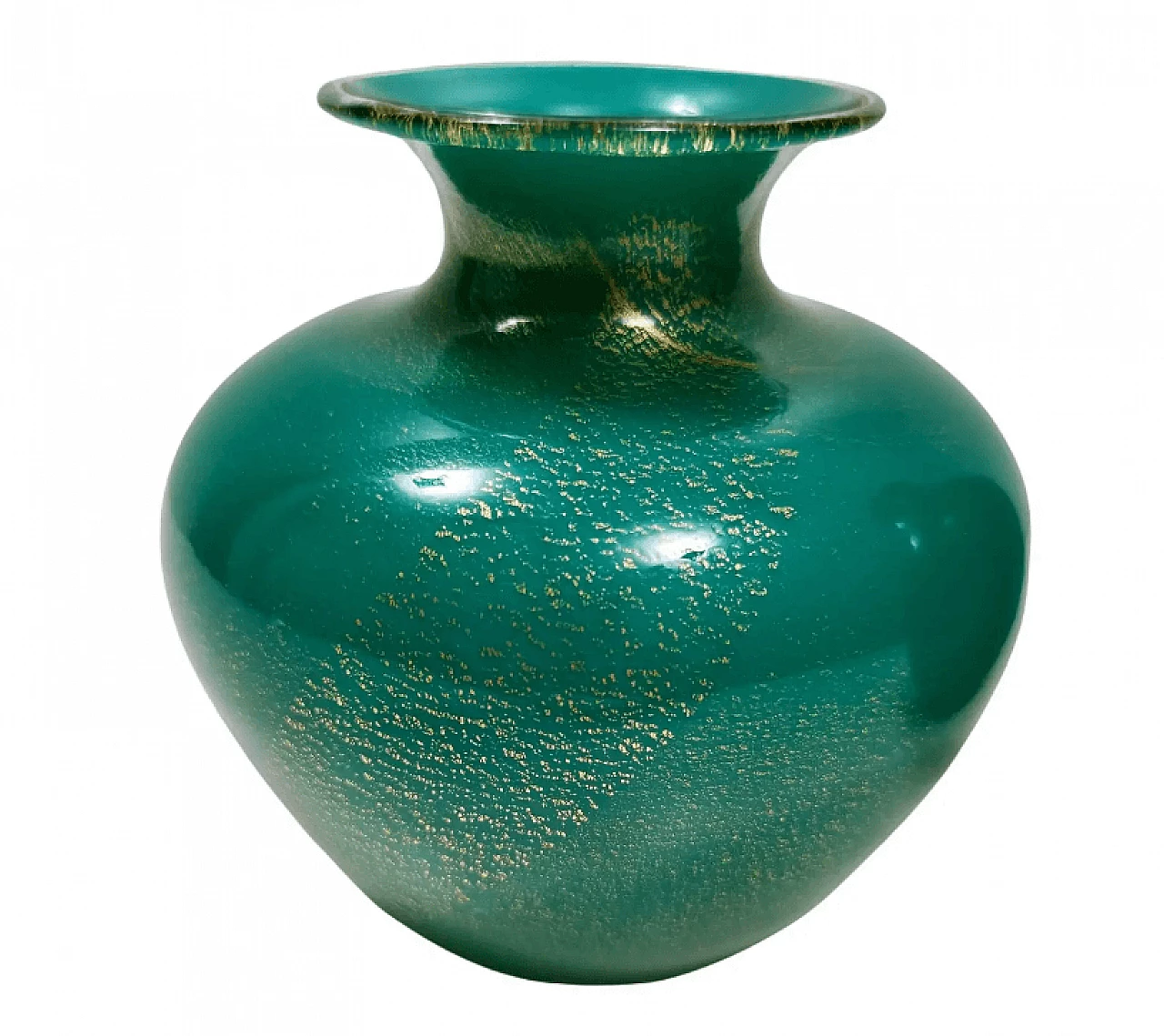
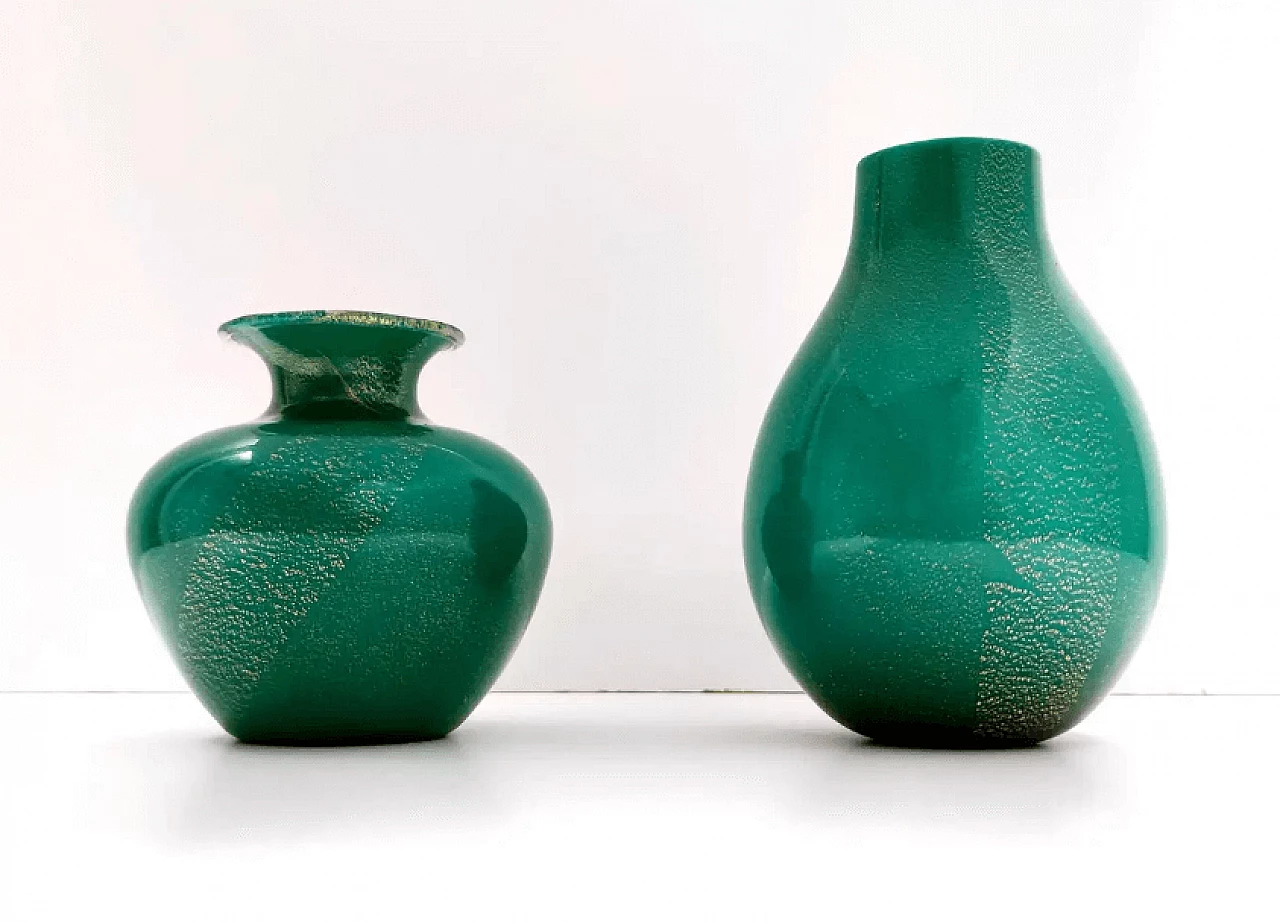
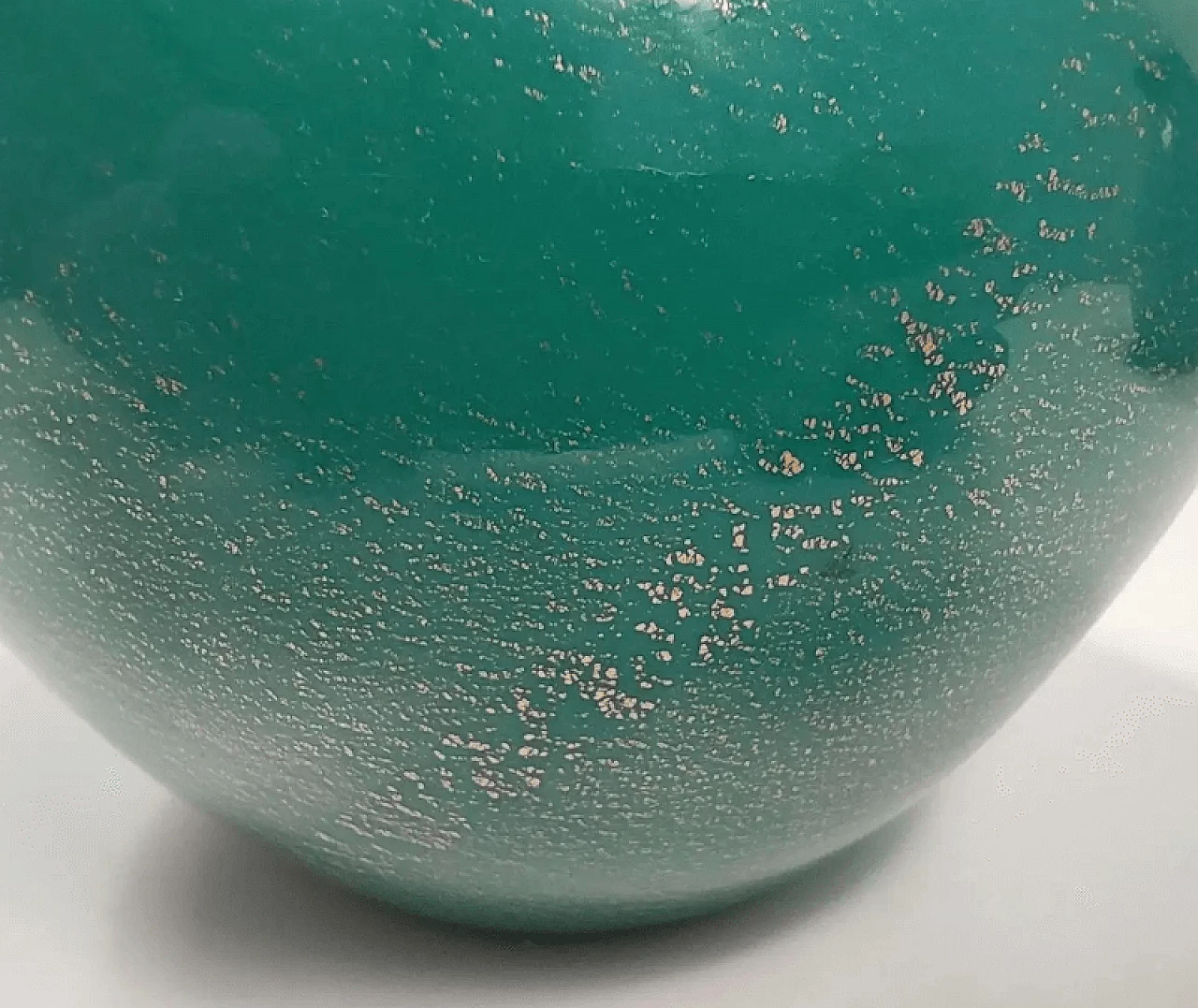
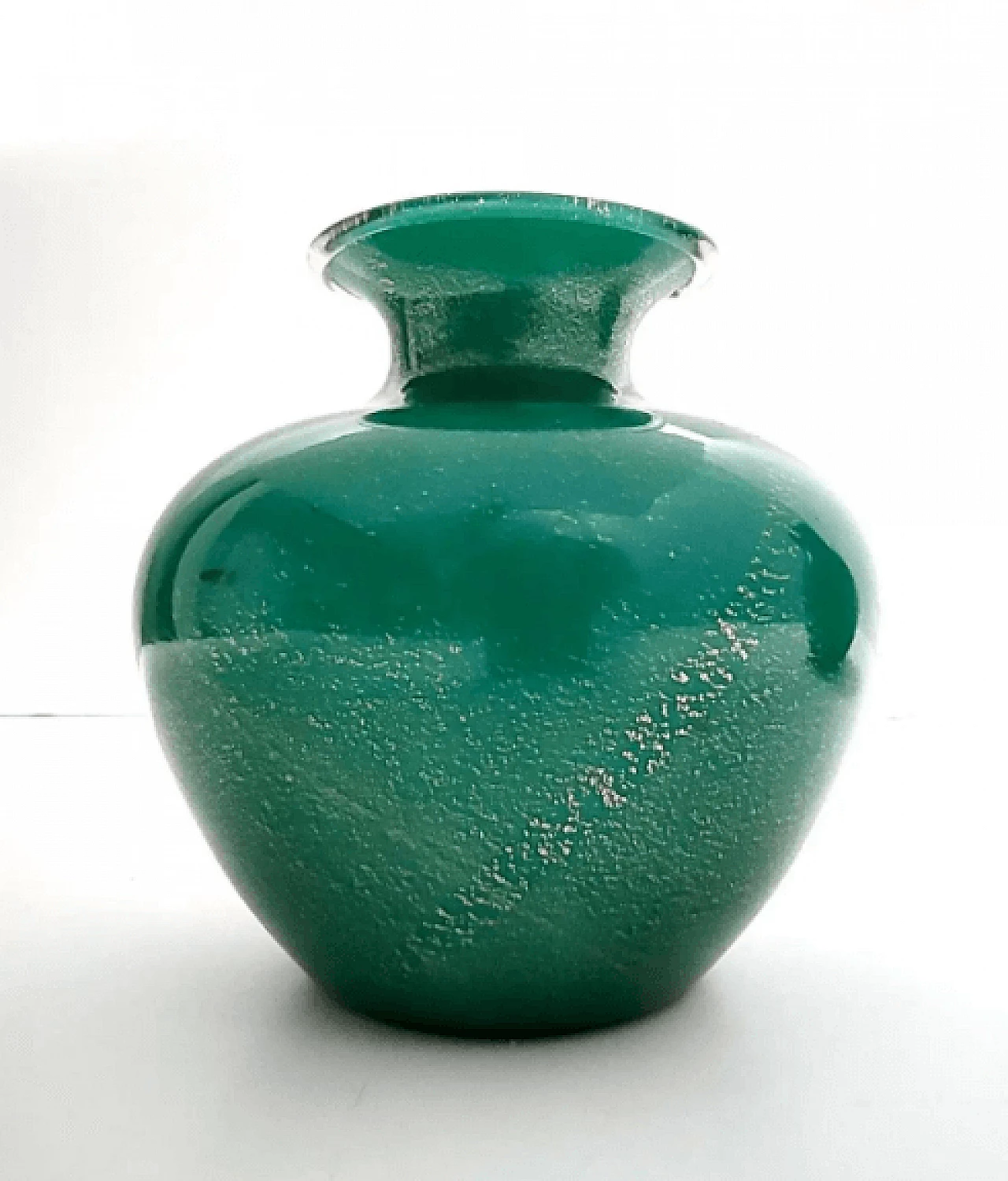
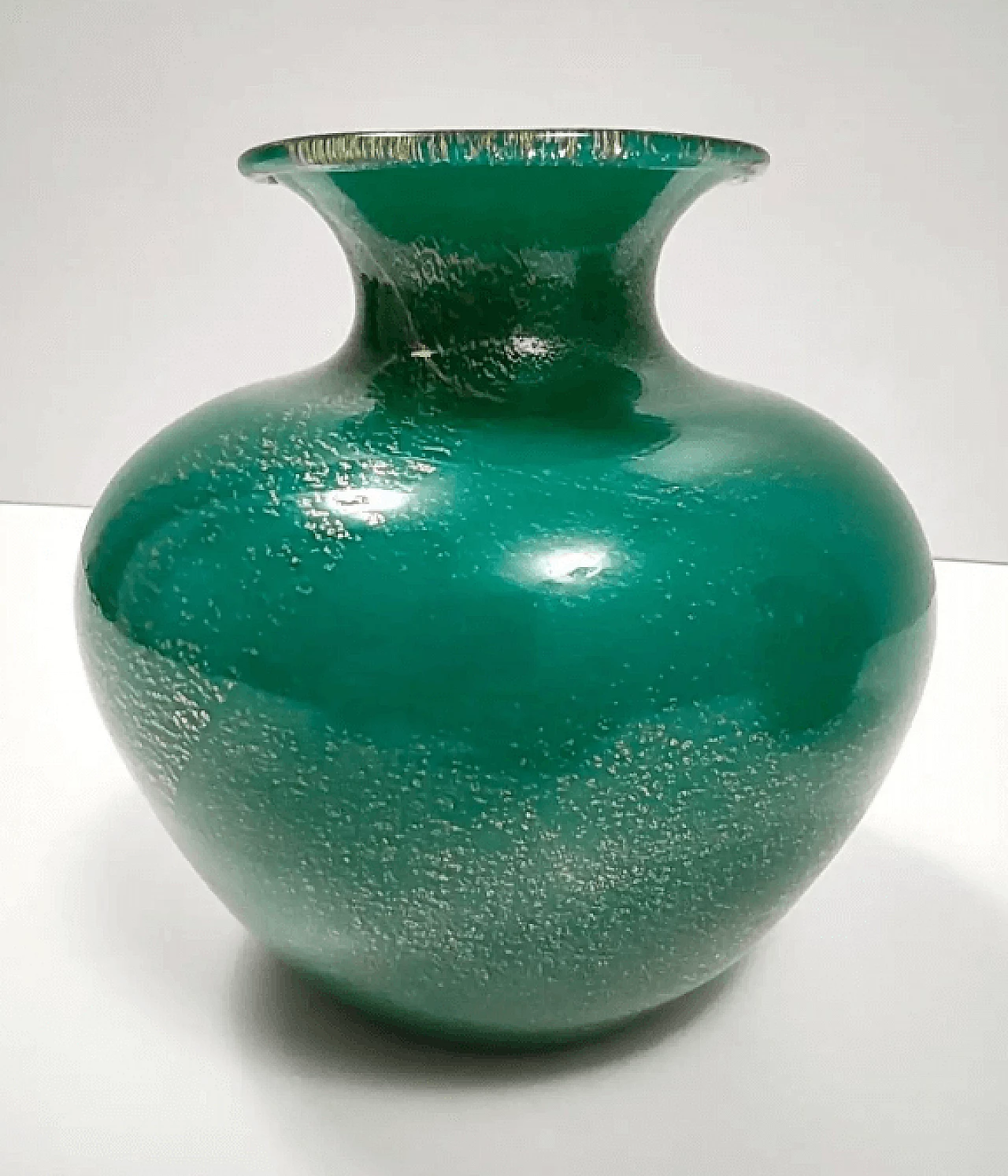
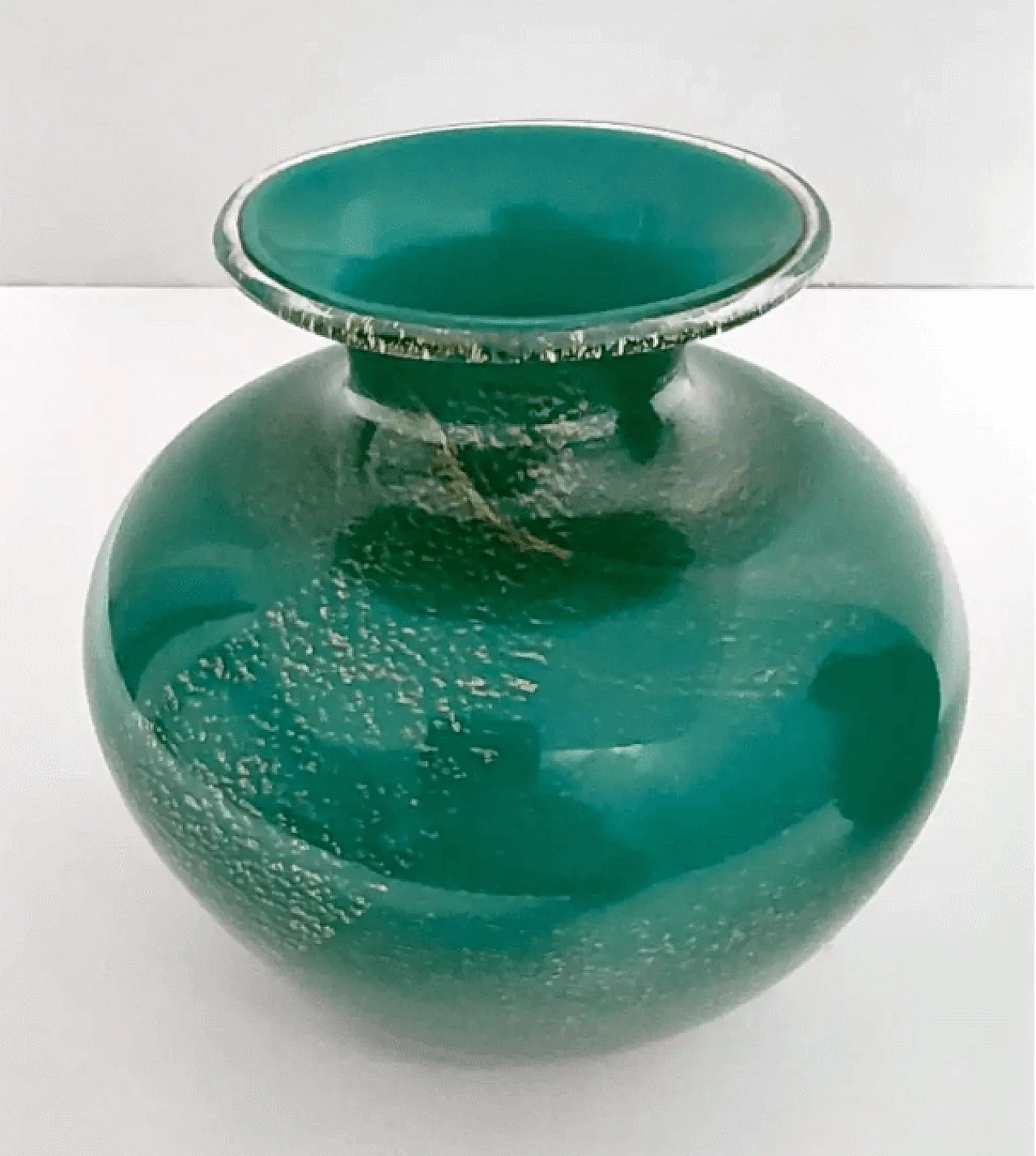
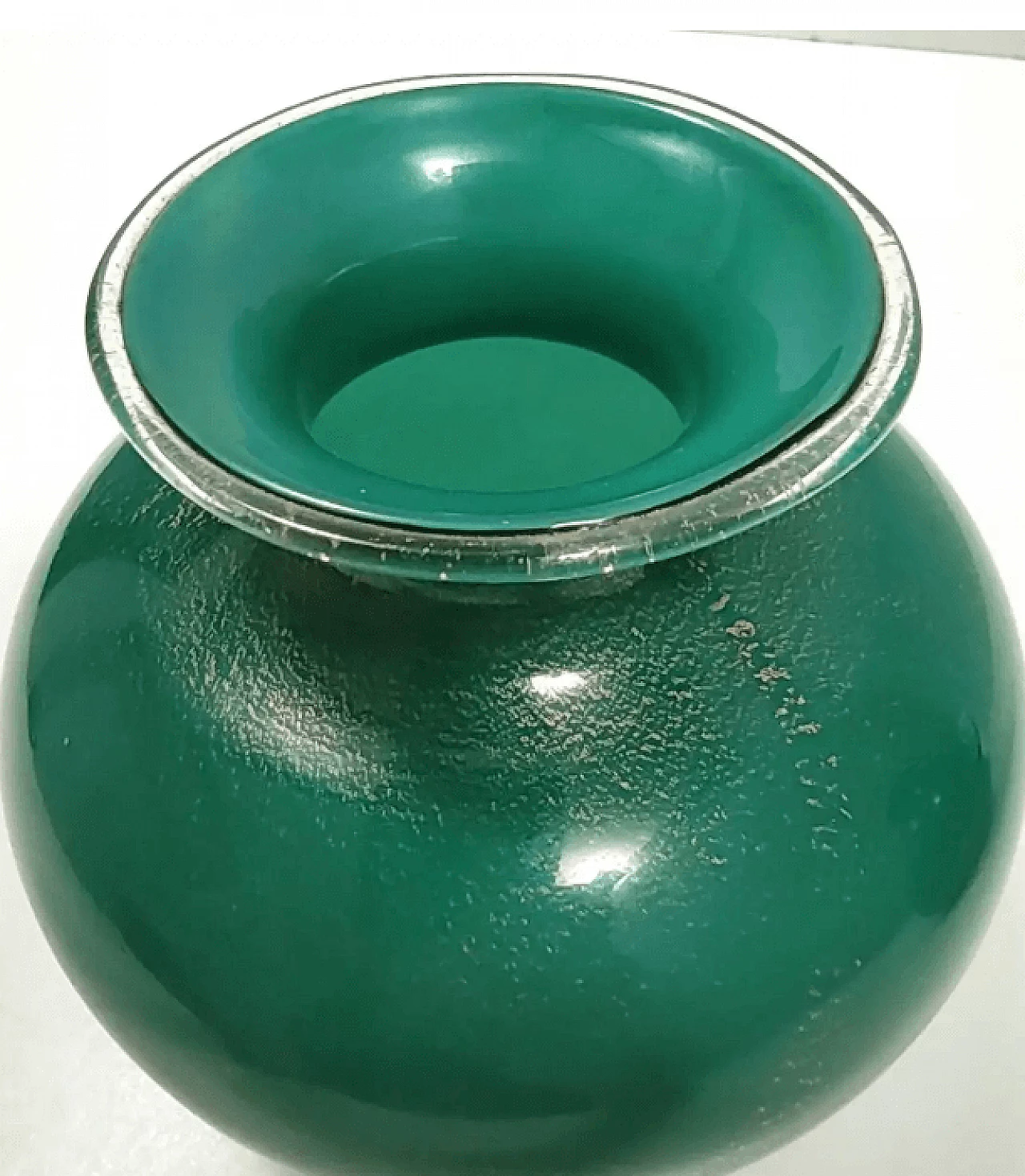
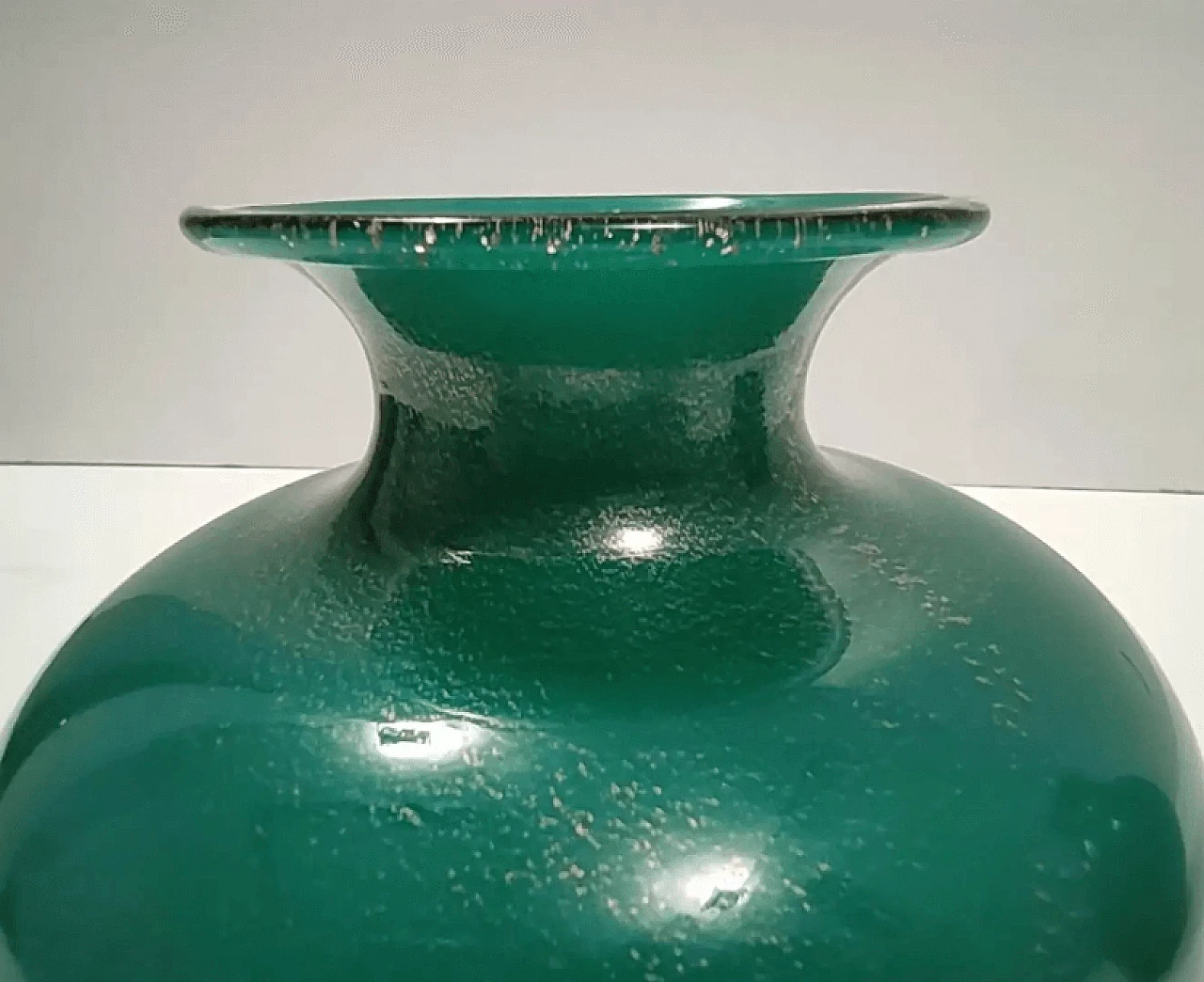
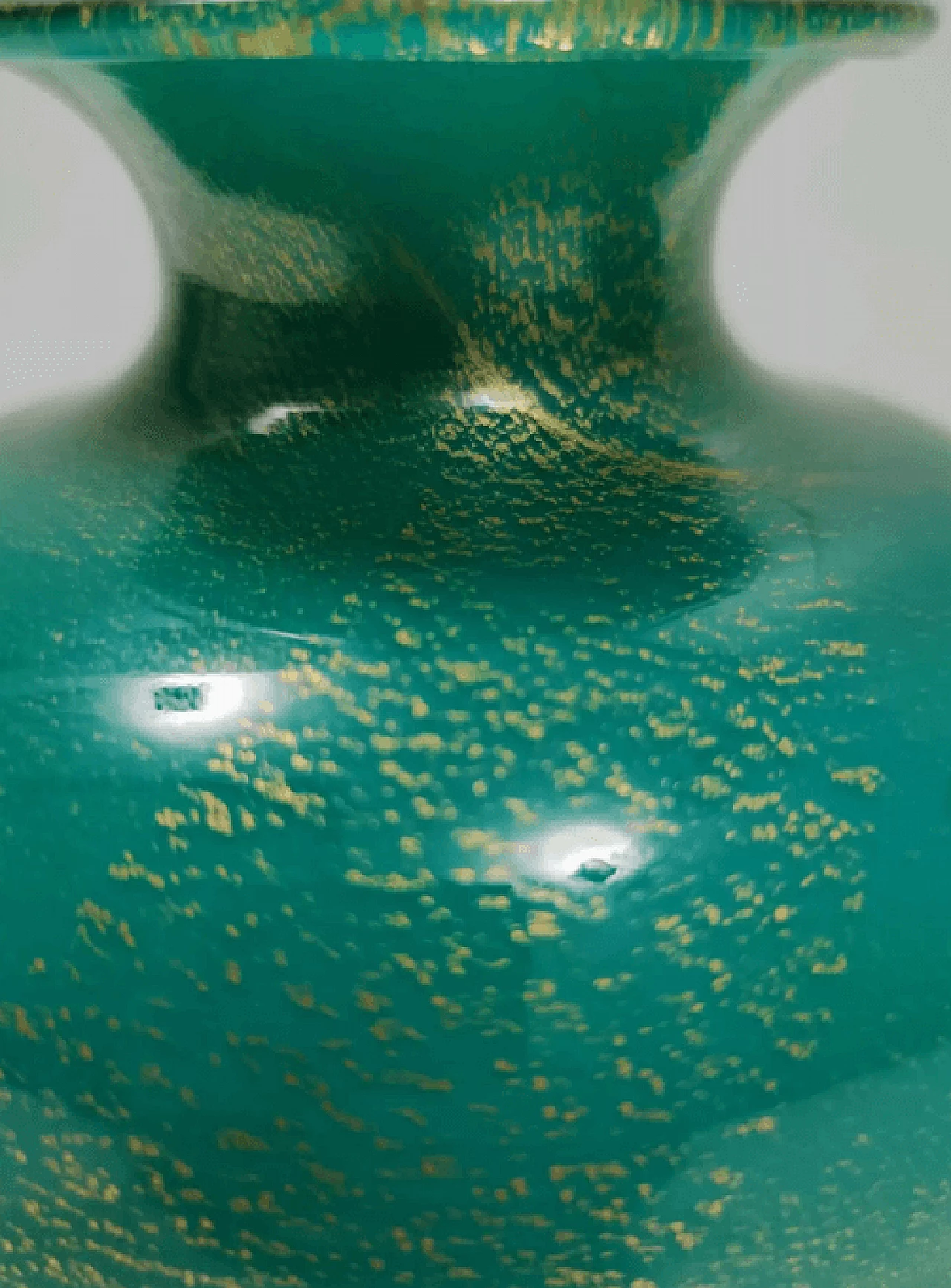
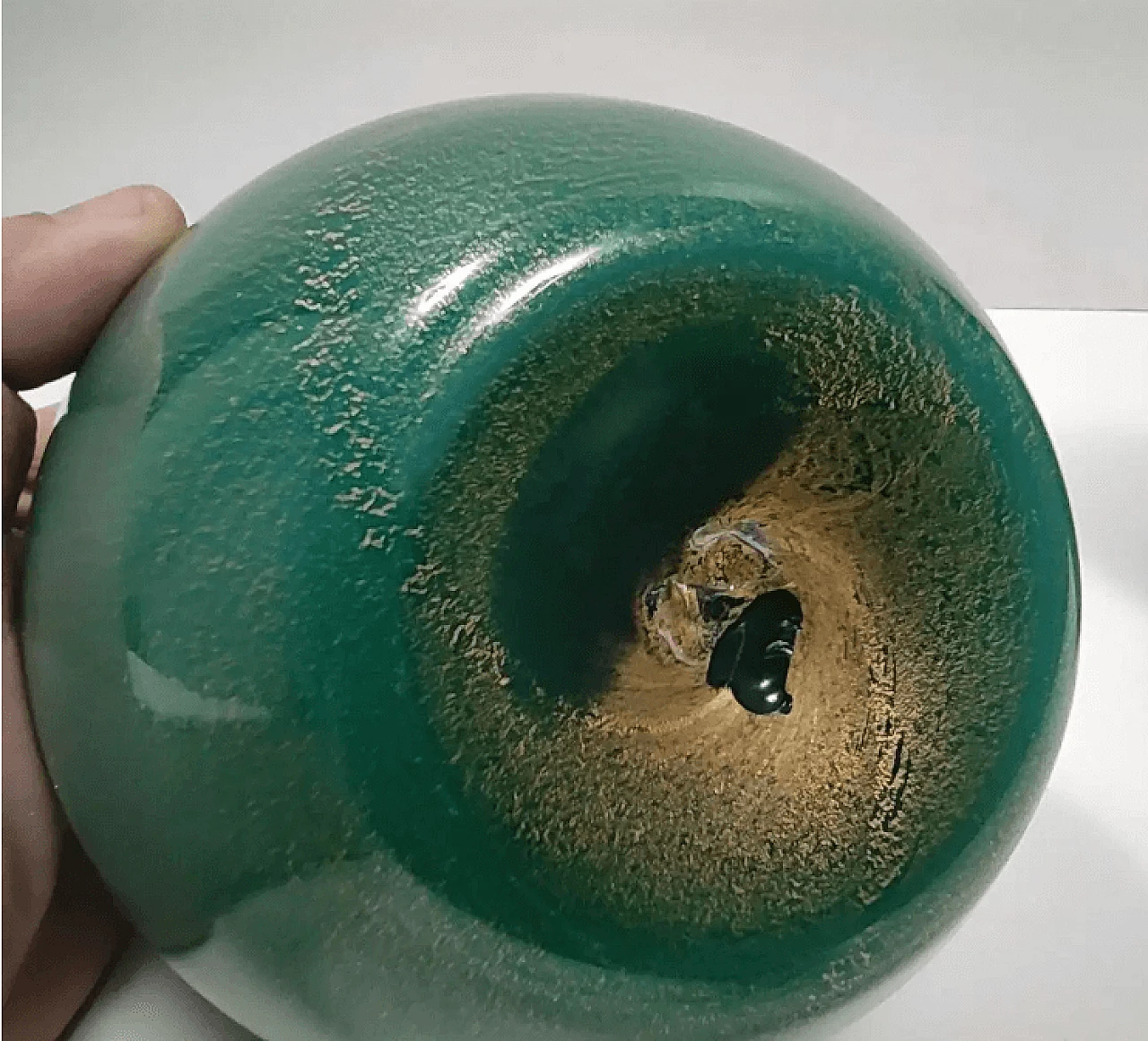
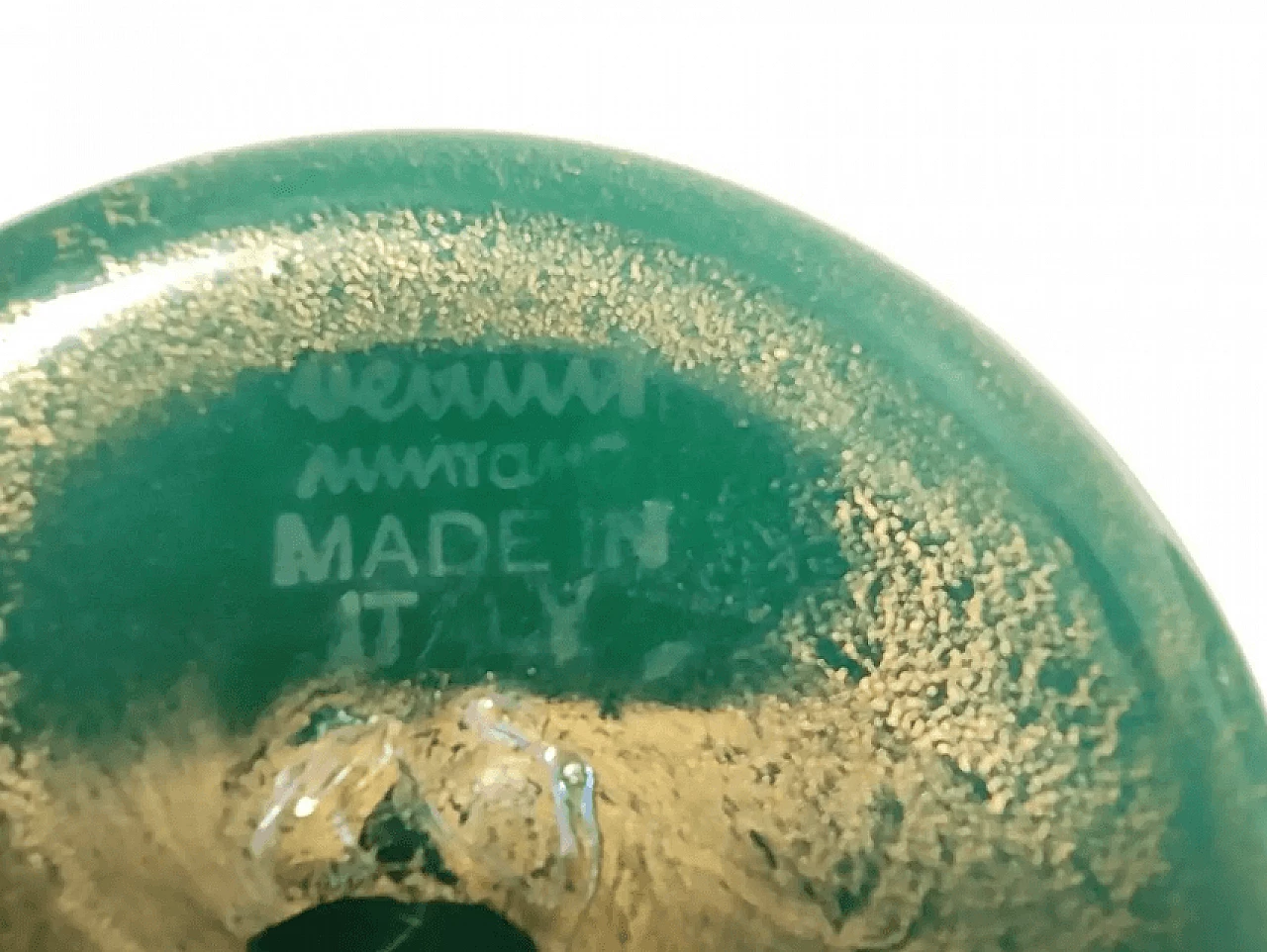
This happened through the experimentation of a new glass material, the "incamiciato glass", with different layers of color and gold leaf. This technique radically changed the appearance of the glass produced by Venini, contributing to the drive for innovation of the Murano glass company and reaffirming its vocation to produce elegant and refined glass.
Buzzi introduced objects often inspired by ancient art and devised a type of opaque glass with different colored layers and a gold leaf finish, which, depending on the shade, gave rise to the lagoon, sunrise, seaweed and sunset glasses.


.png)
 SILVER Seller in Milano, Italy