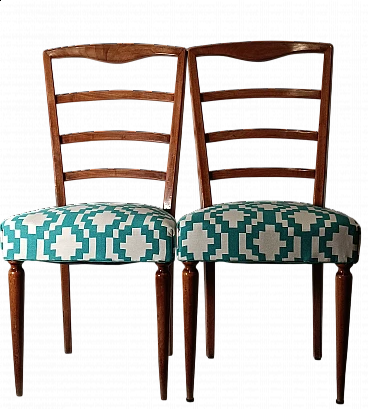
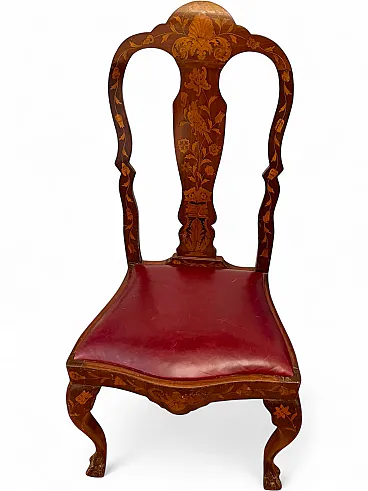
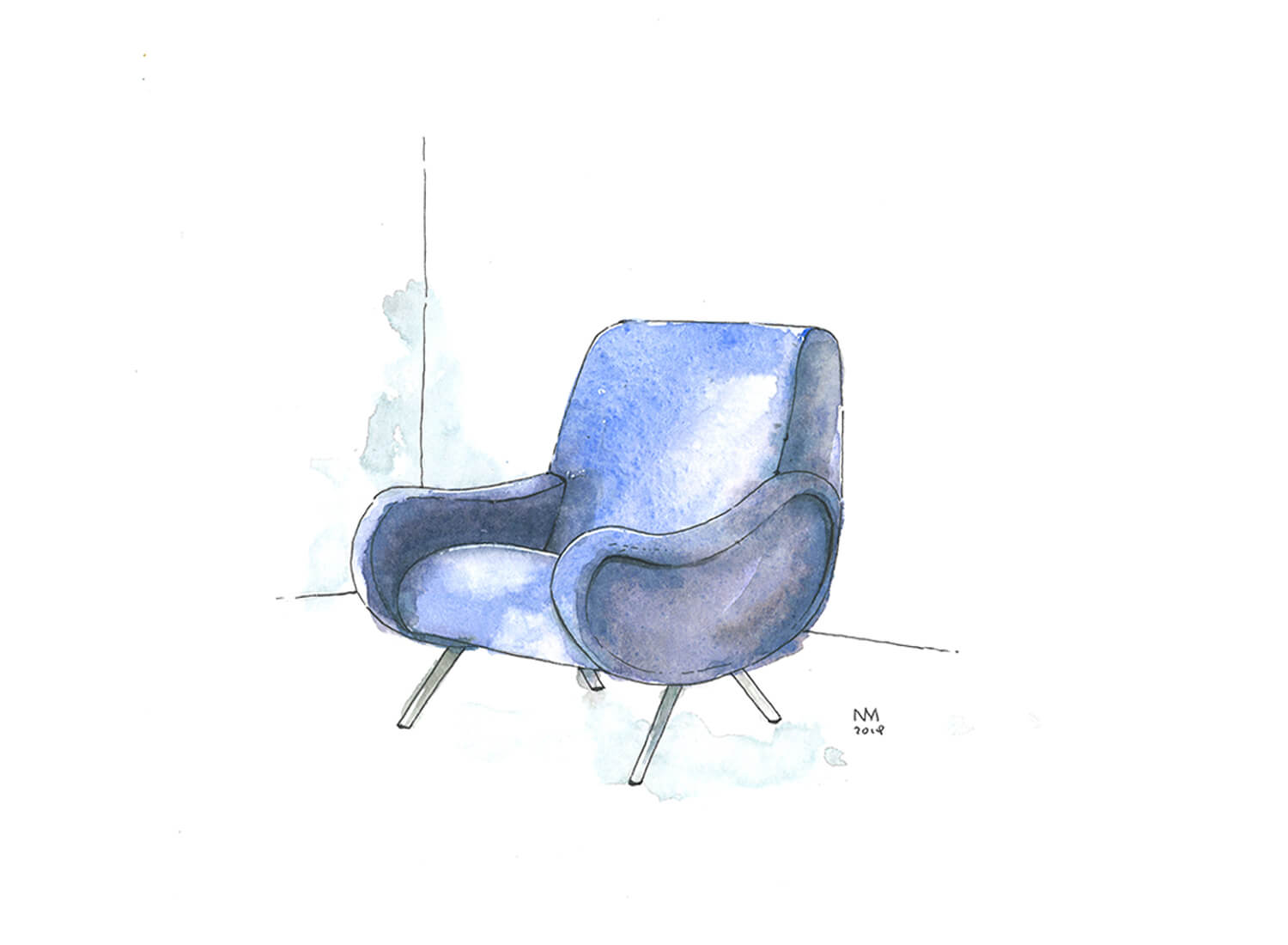
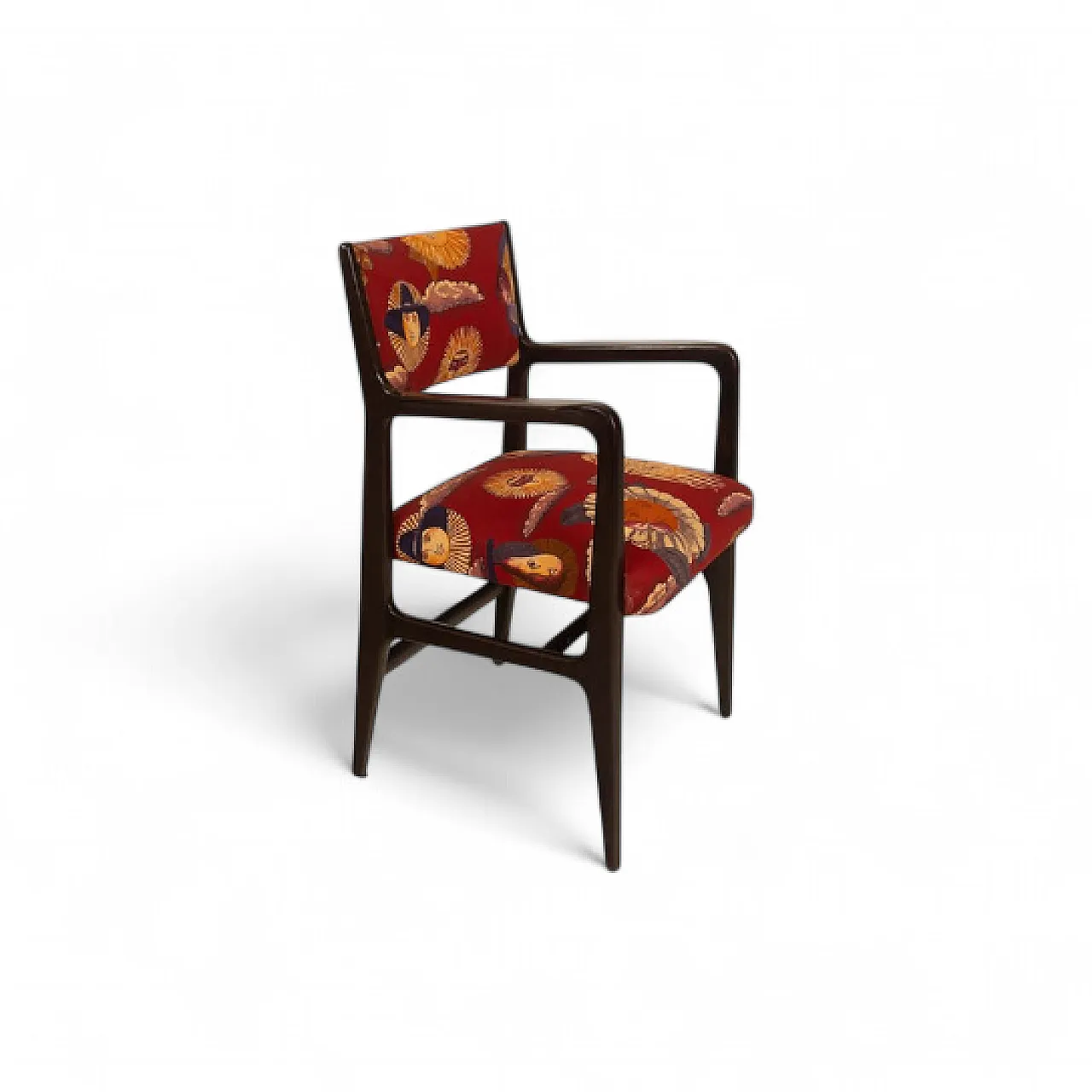
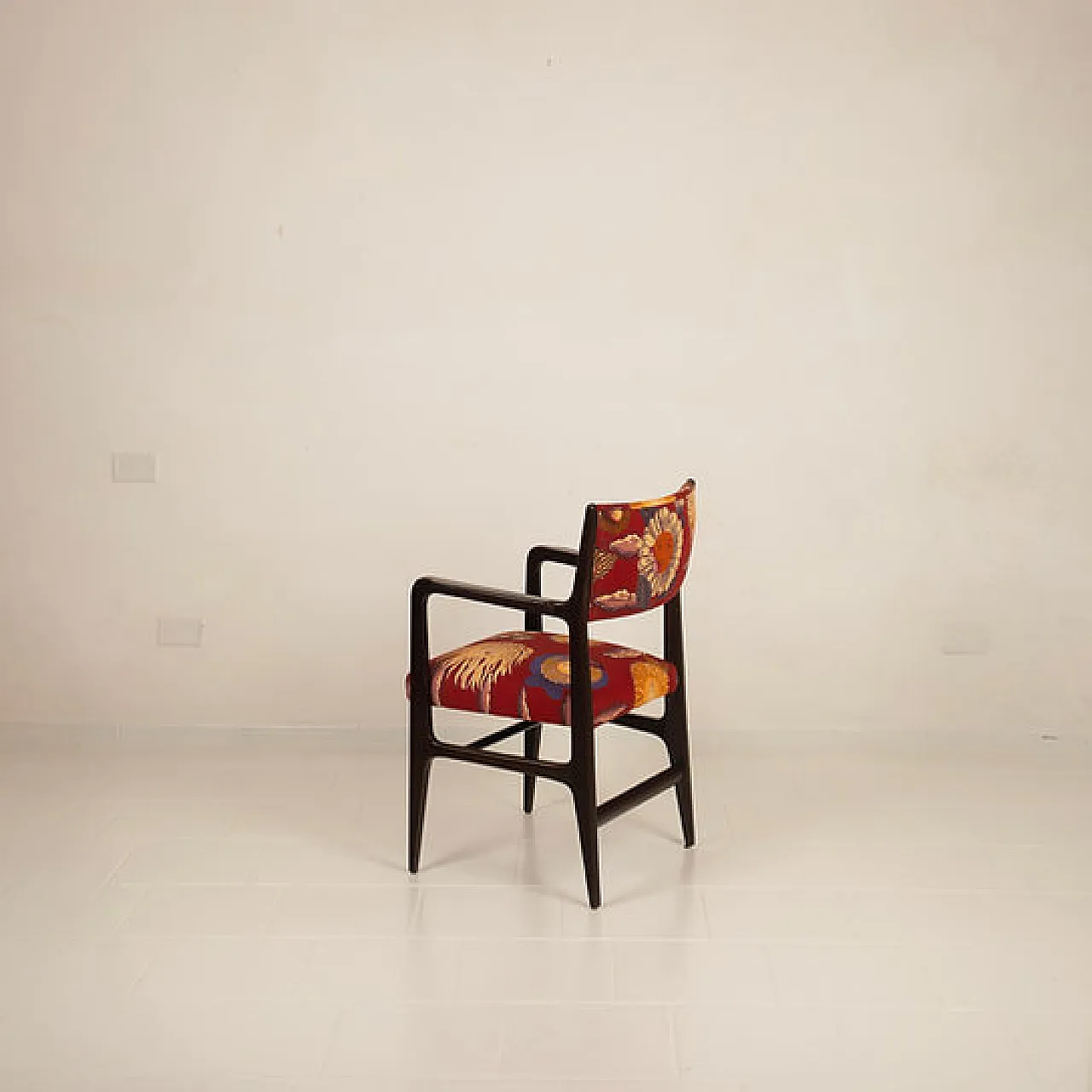
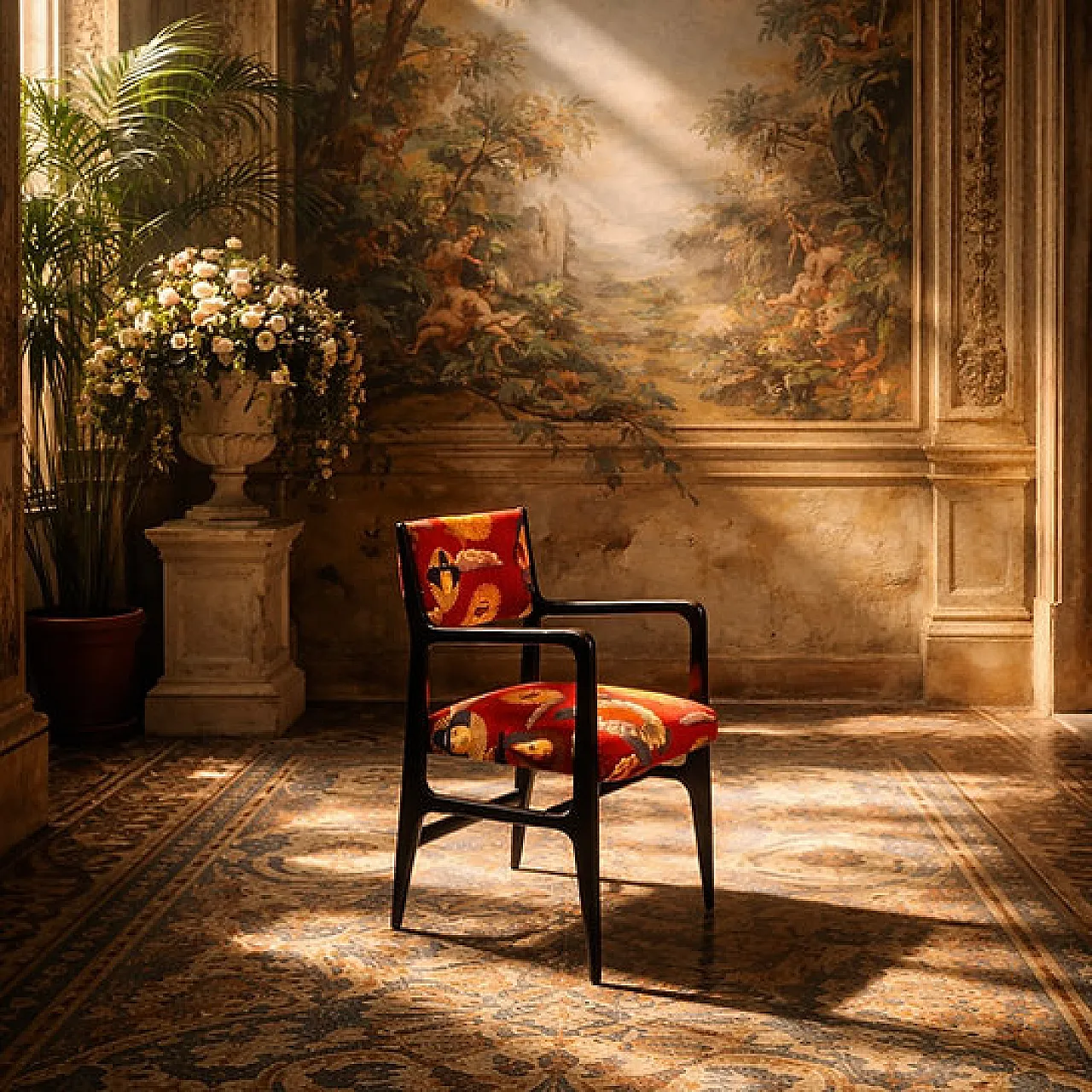
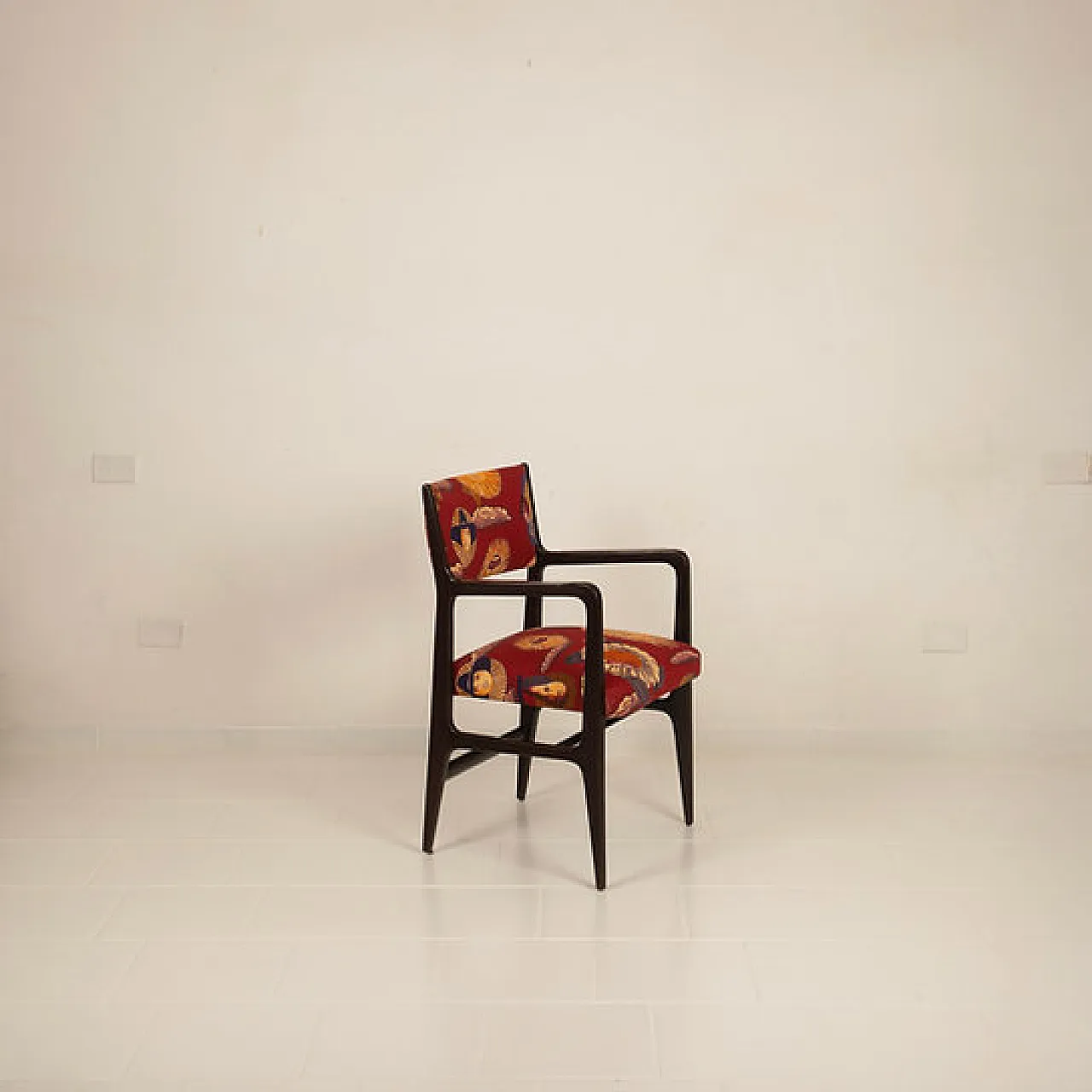
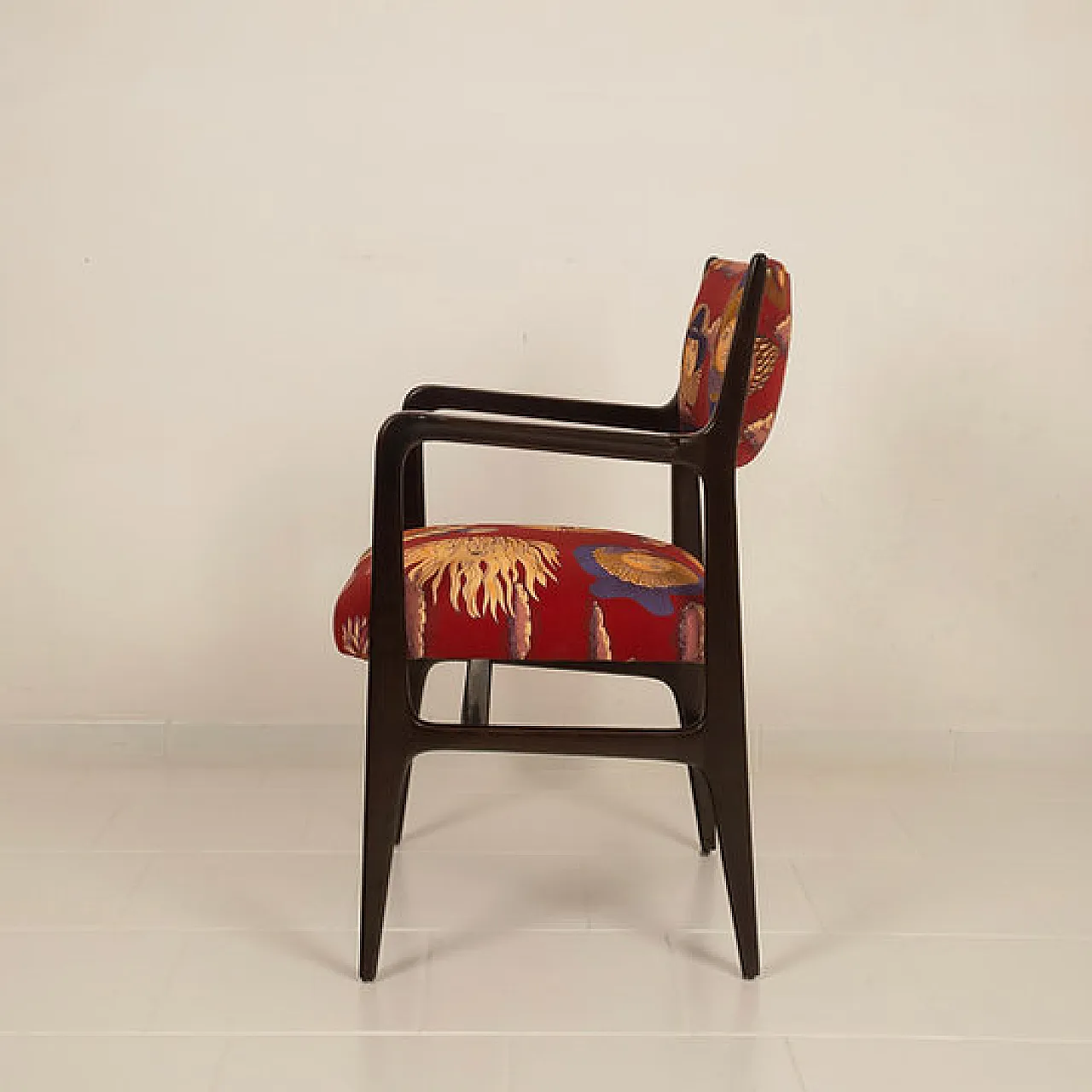
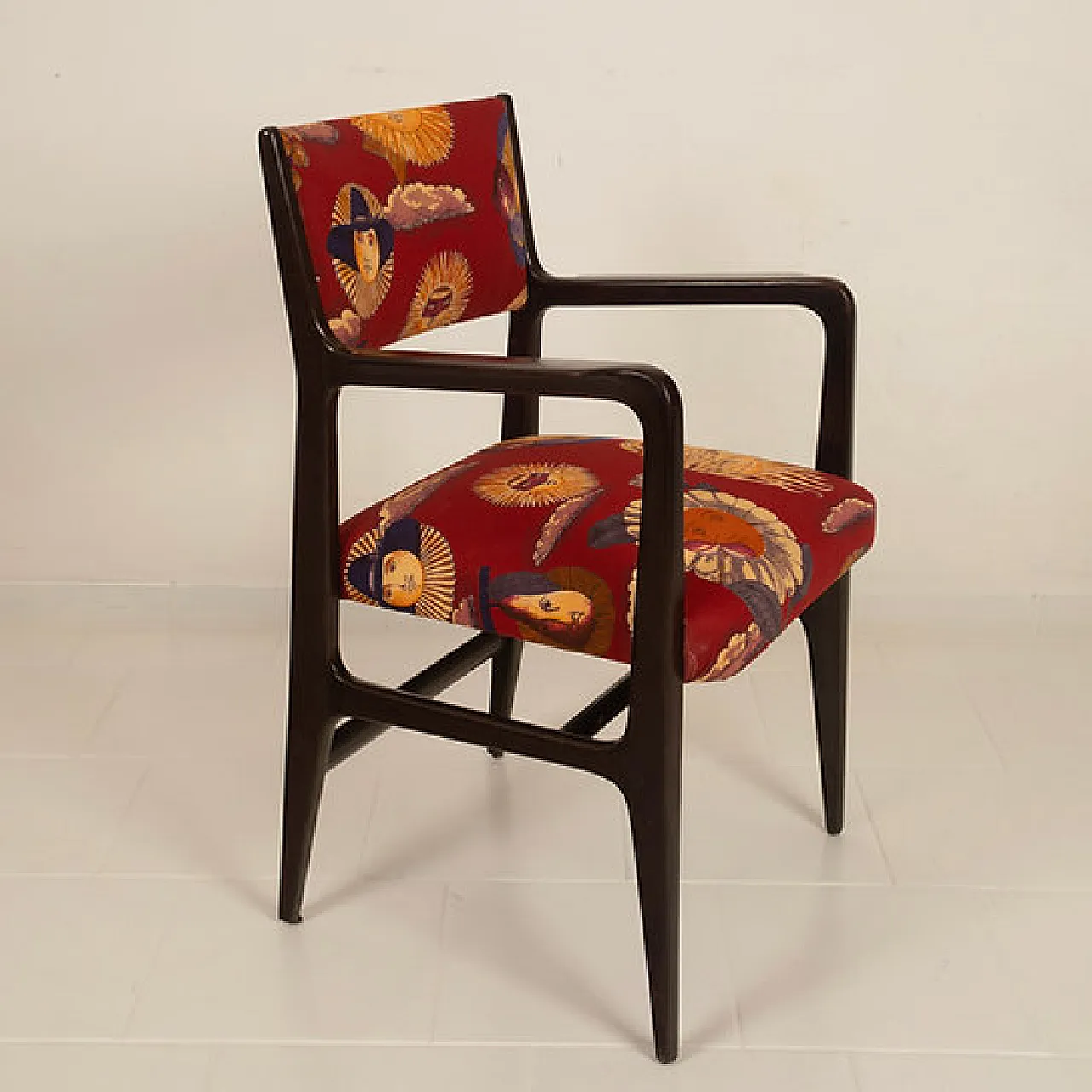
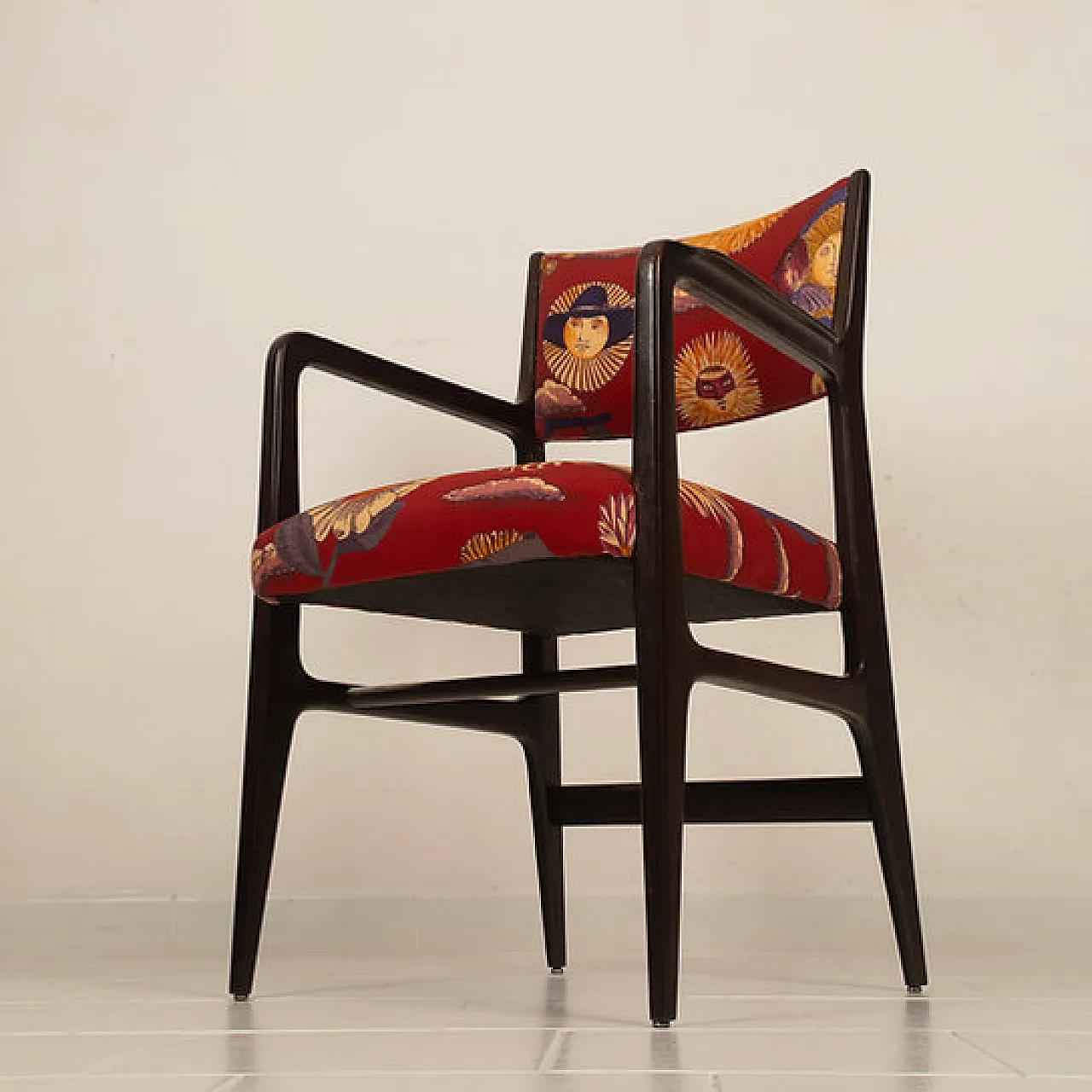
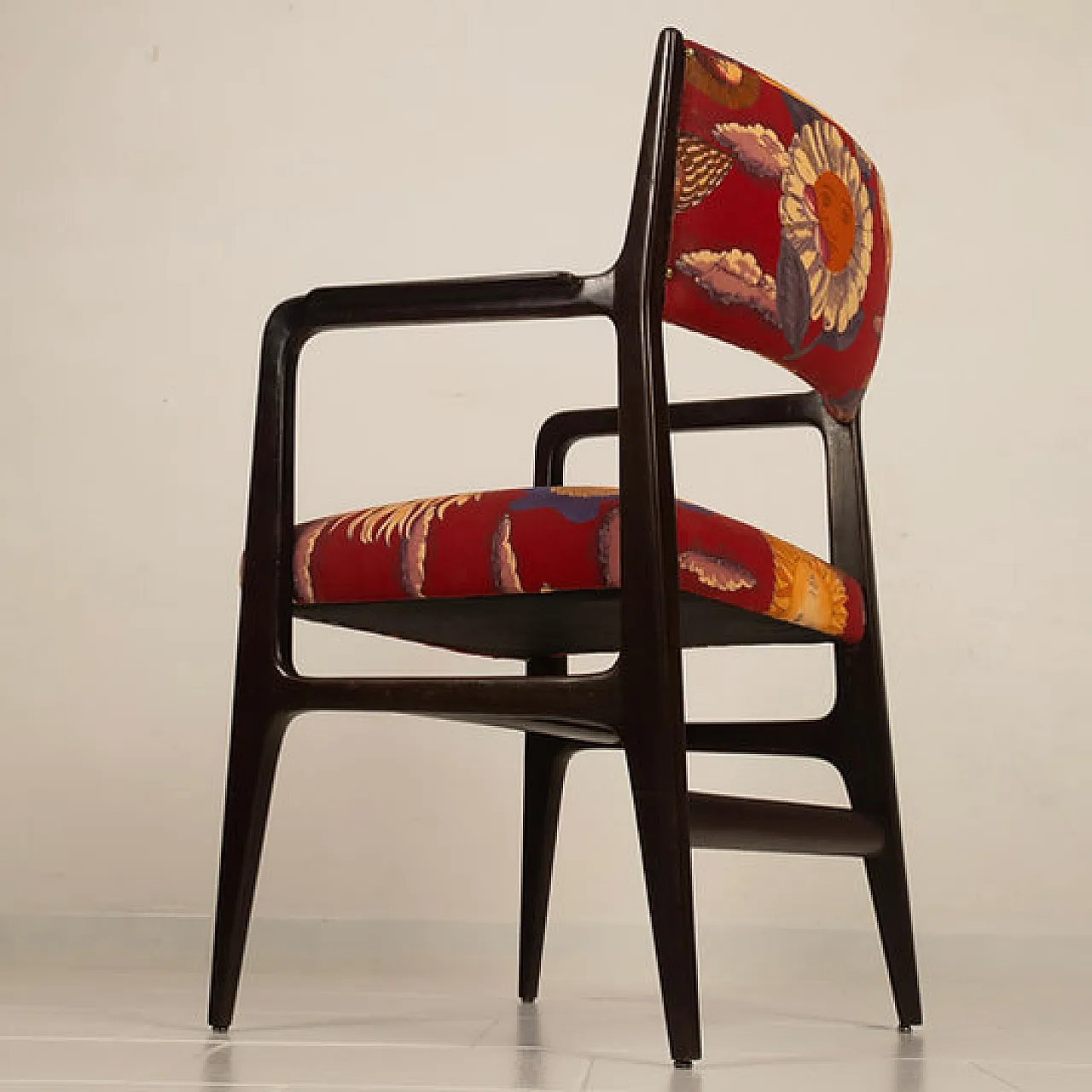
Extraordinary Model 110 chair, designed by Gio Ponti in 1951 and produced by Cassina, unanimously recognized as one of the highest and most refined expressions of Italian postwar design.
This model represents a masterful synthesis of Ponti’s thinking: structural lightness, geometric rigor, and a timeless elegance that transcends simple function to become architectural language. The Model 110 chair is not merely a piece of furniture, but a true cultural device, capable of embodying the innovative and visionary spirit of Italian Mid-Century design, a period in which design became a tool of modernity, representation, and national identity.
Its presence recurs in some of Gio Ponti’s most celebrated and significant projects: from the Casa di Fantasia to the Appartamento Lucano, created in collaboration with Piero Fornasetti, to the famous Hotel Room presented at the 1951 Milan Triennale. It was also chosen as the courtesy chair of Studio Ponti, a recurring element in his workspaces and representative interiors.
Model 110 was also employed in contexts of the highest institutional and symbolic prestige: from the interiors of the ocean liners Conte Biancamano, Oceania, and Africa—true floating ambassadors of Italian design worldwide—to the gaming tables of the Casino di Sanremo, and the bedroom of the Fornasetti house. The cited sources represent only a portion of the many documented contexts in which this chair appears, attesting to a selective yet culturally central diffusion.
Produced in limited numbers and difficult to find on the market today, the Model 110 chair is considered a rare example of great prestige and museum-level relevance, sought after by collectors, institutions, and architects for its historical importance and the absolute quality of its design.
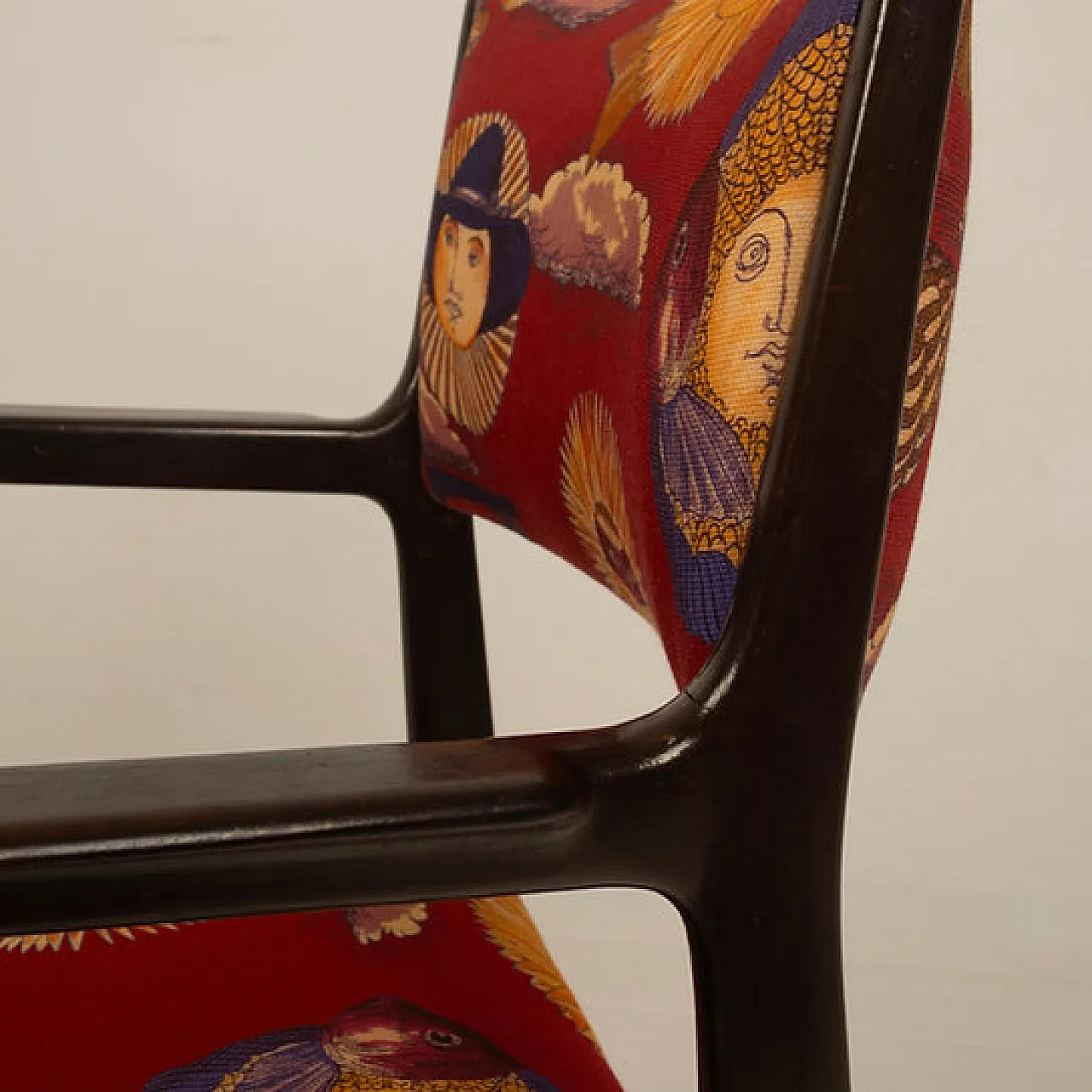
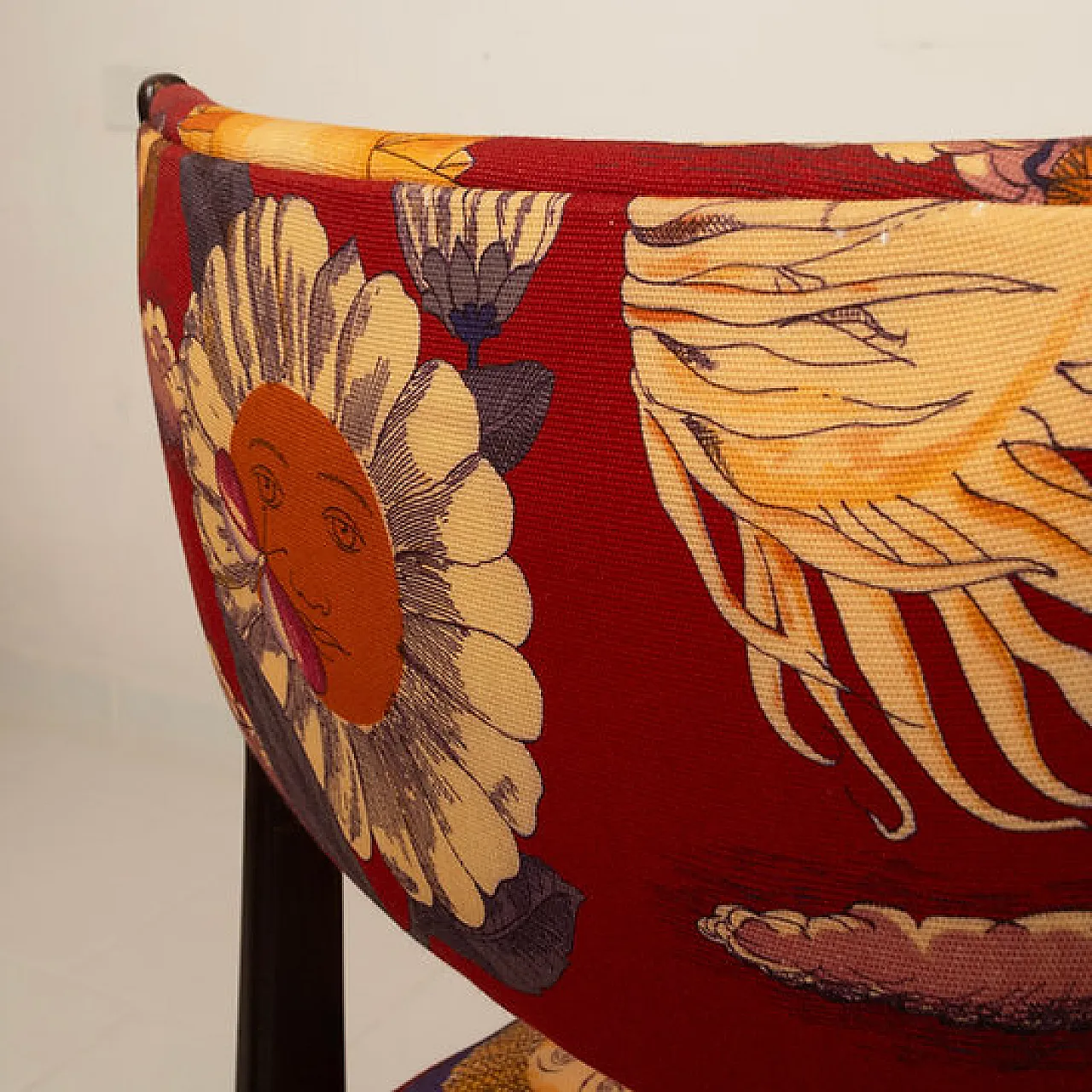
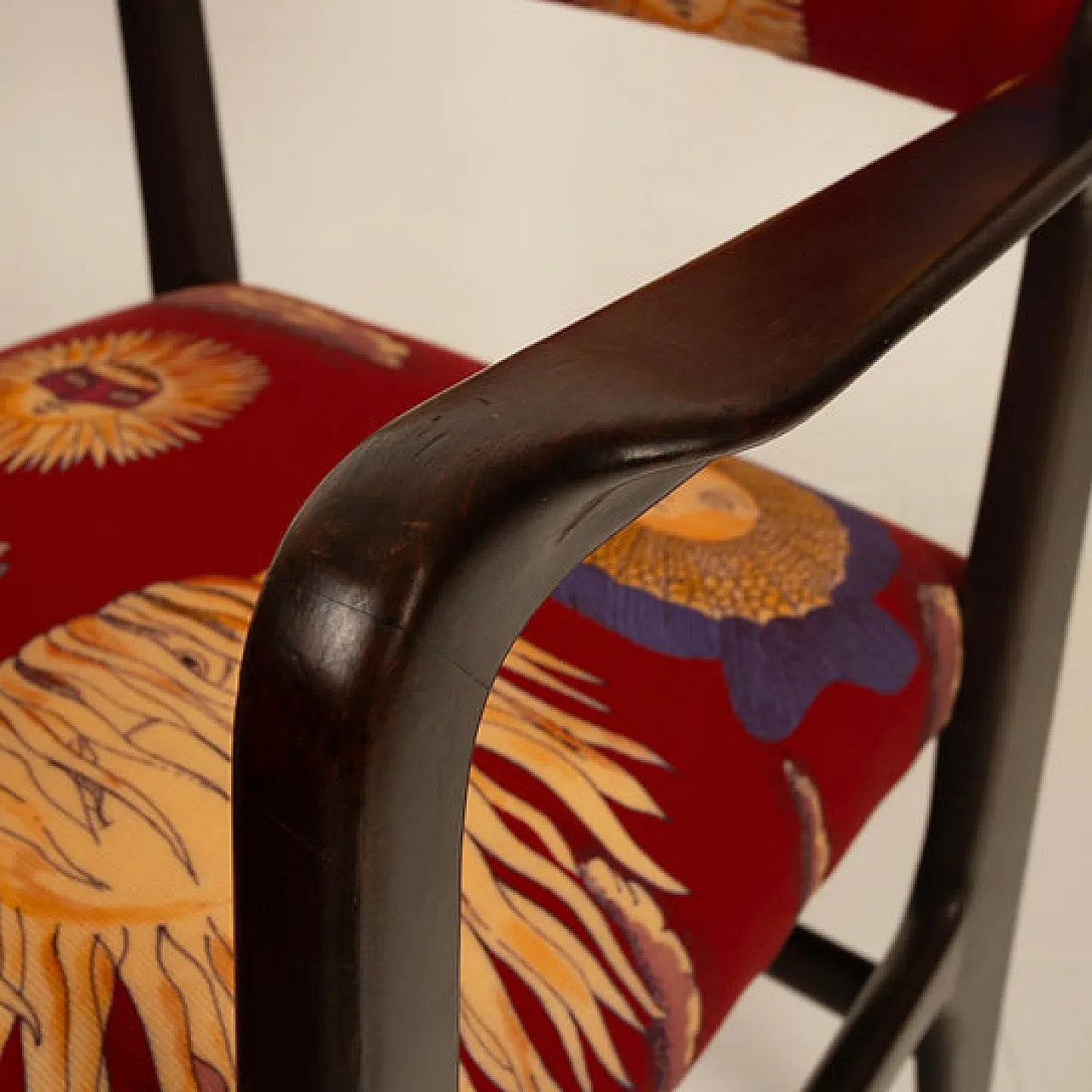
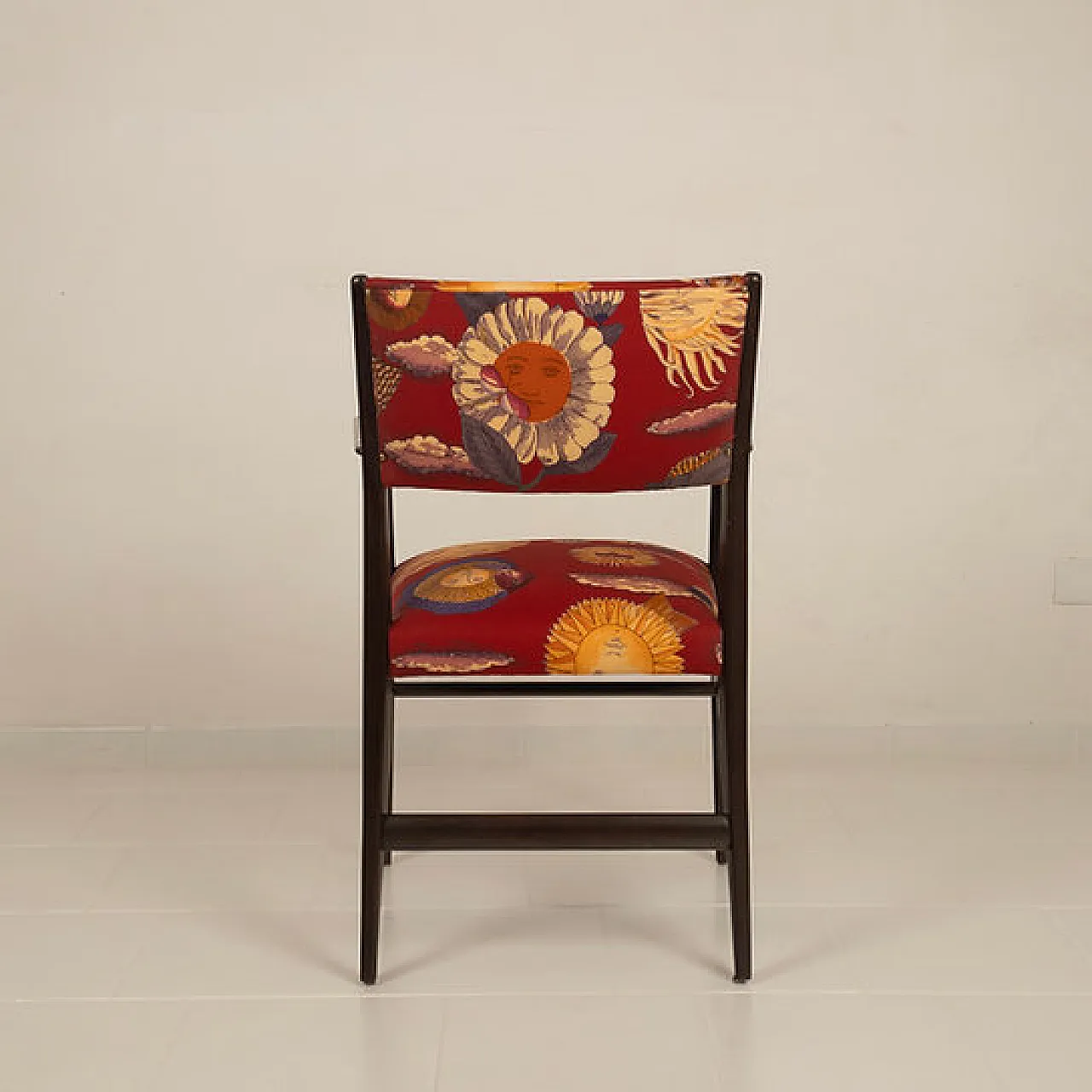
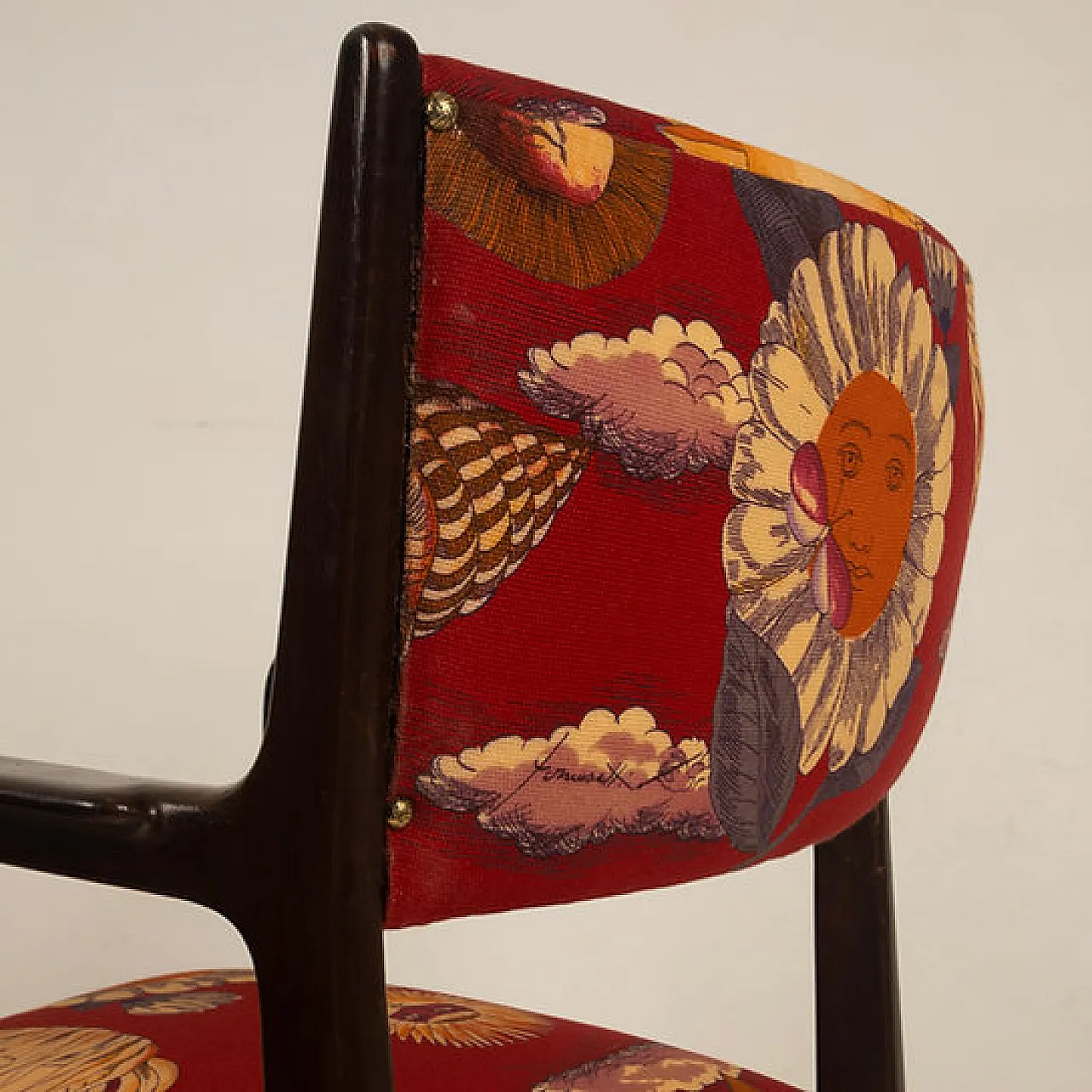
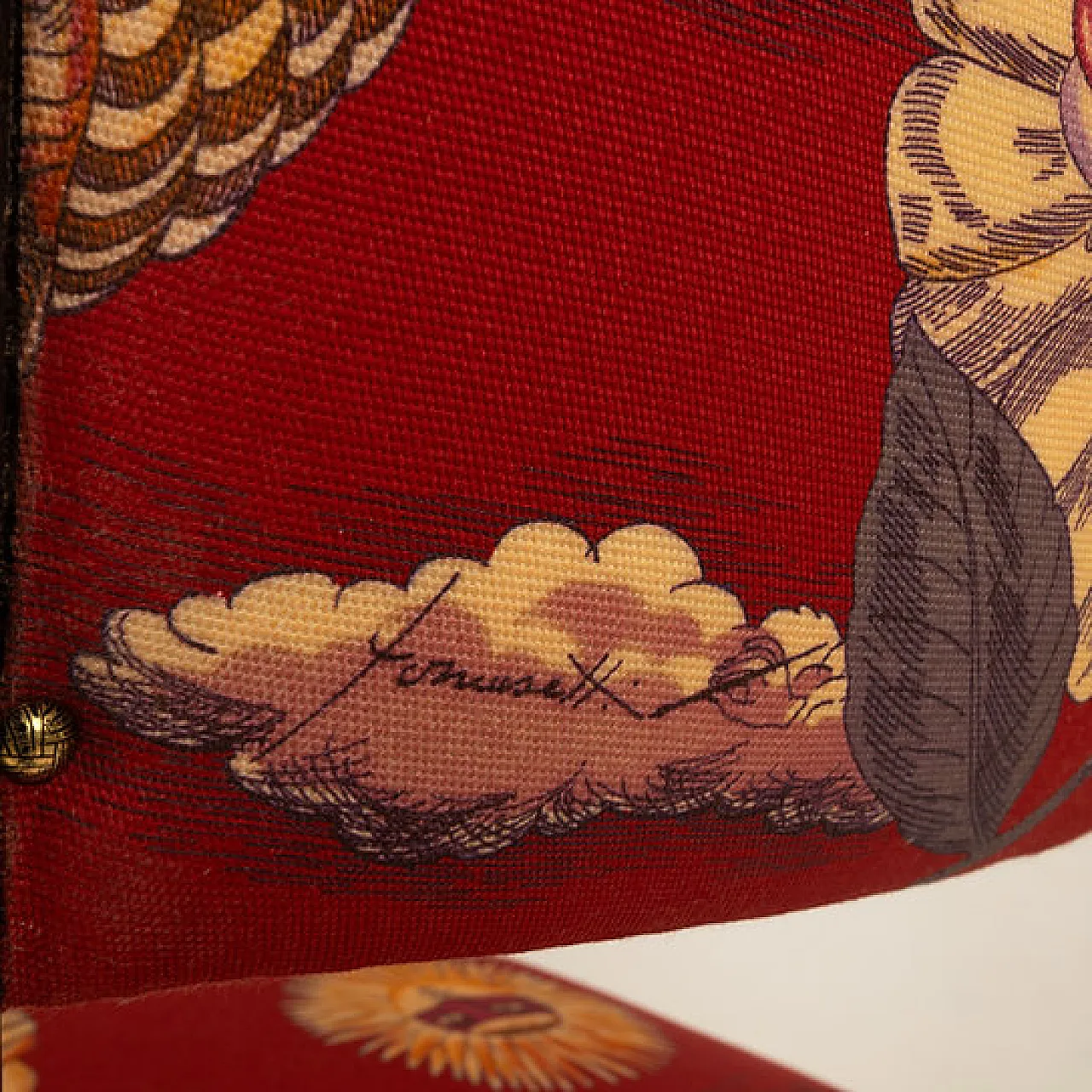
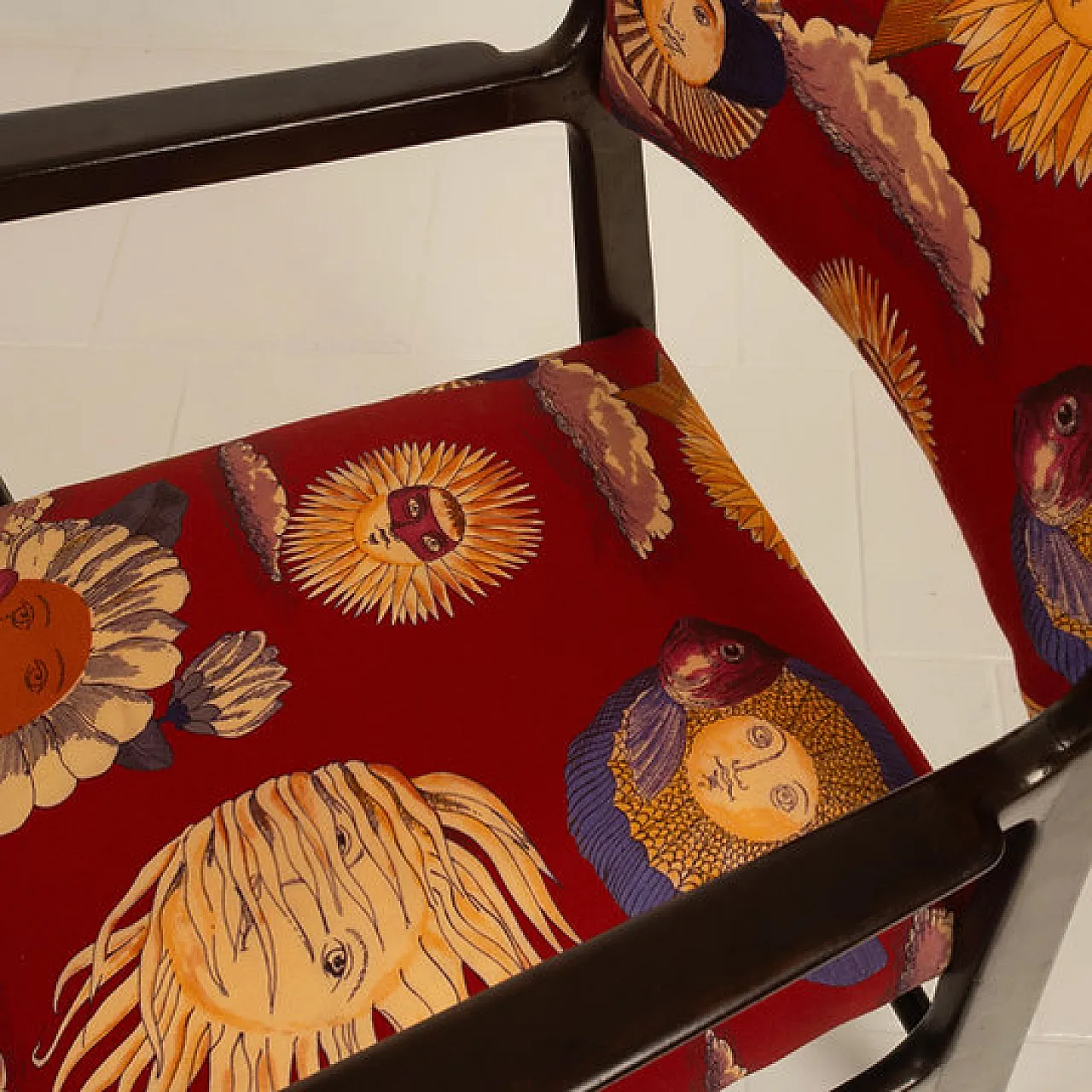
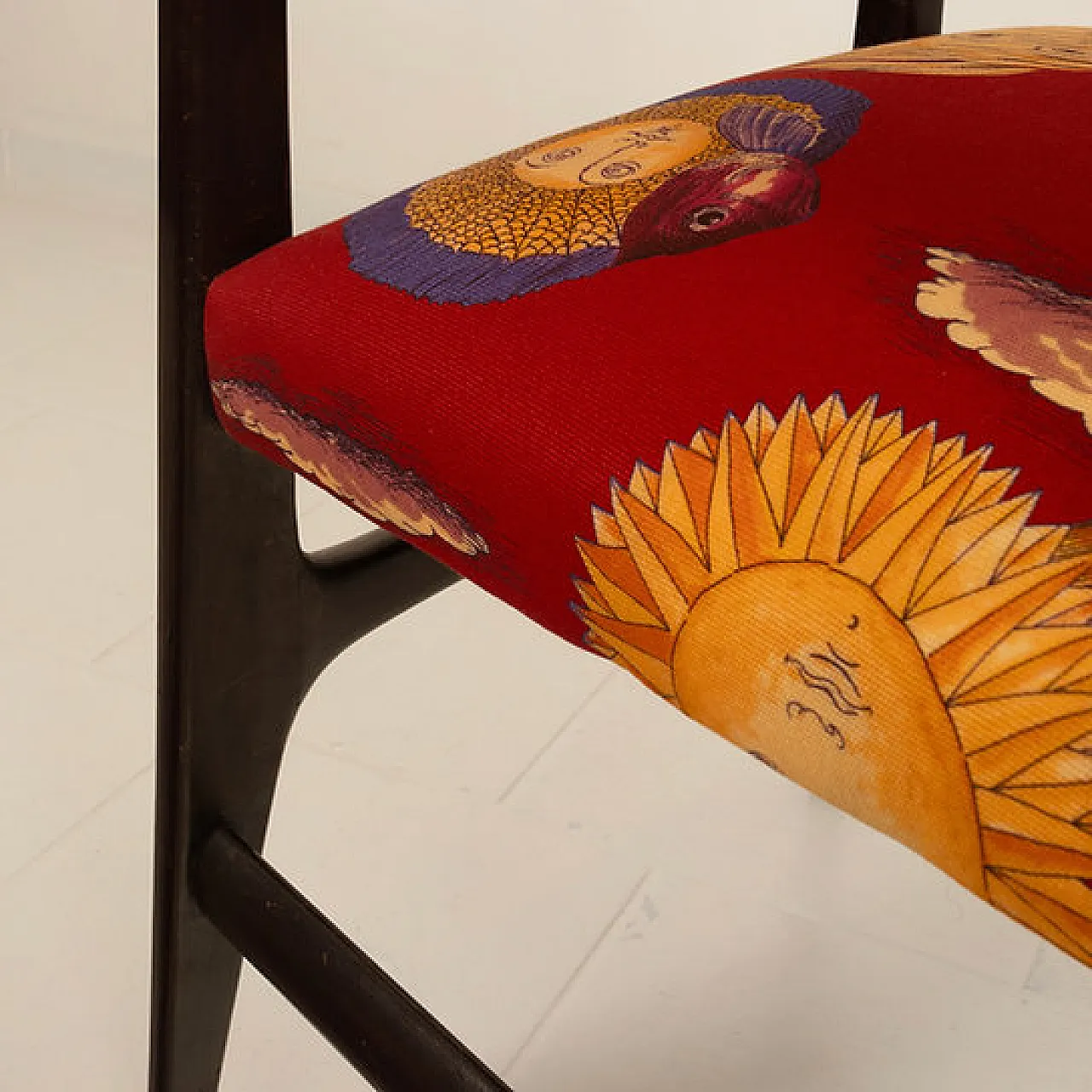
This specific example has been reupholstered with a vintage Fornasetti fabric, signed on the back of the backrest. A measured and conscious curatorial intervention, conceived as an erudite tribute to the collaboration between Gio Ponti and the great Milanese master, strengthening the historical dialogue between two absolute protagonists of the twentieth century without altering the chair’s original identity.
An authentic piece of Italian design history, of exceptional rarity and cultural value, capable of narrating—through form, function, and memory—one of the highest and most representative chapters of the twentieth century.


.png)

 SILVER Seller in Bari, Italy