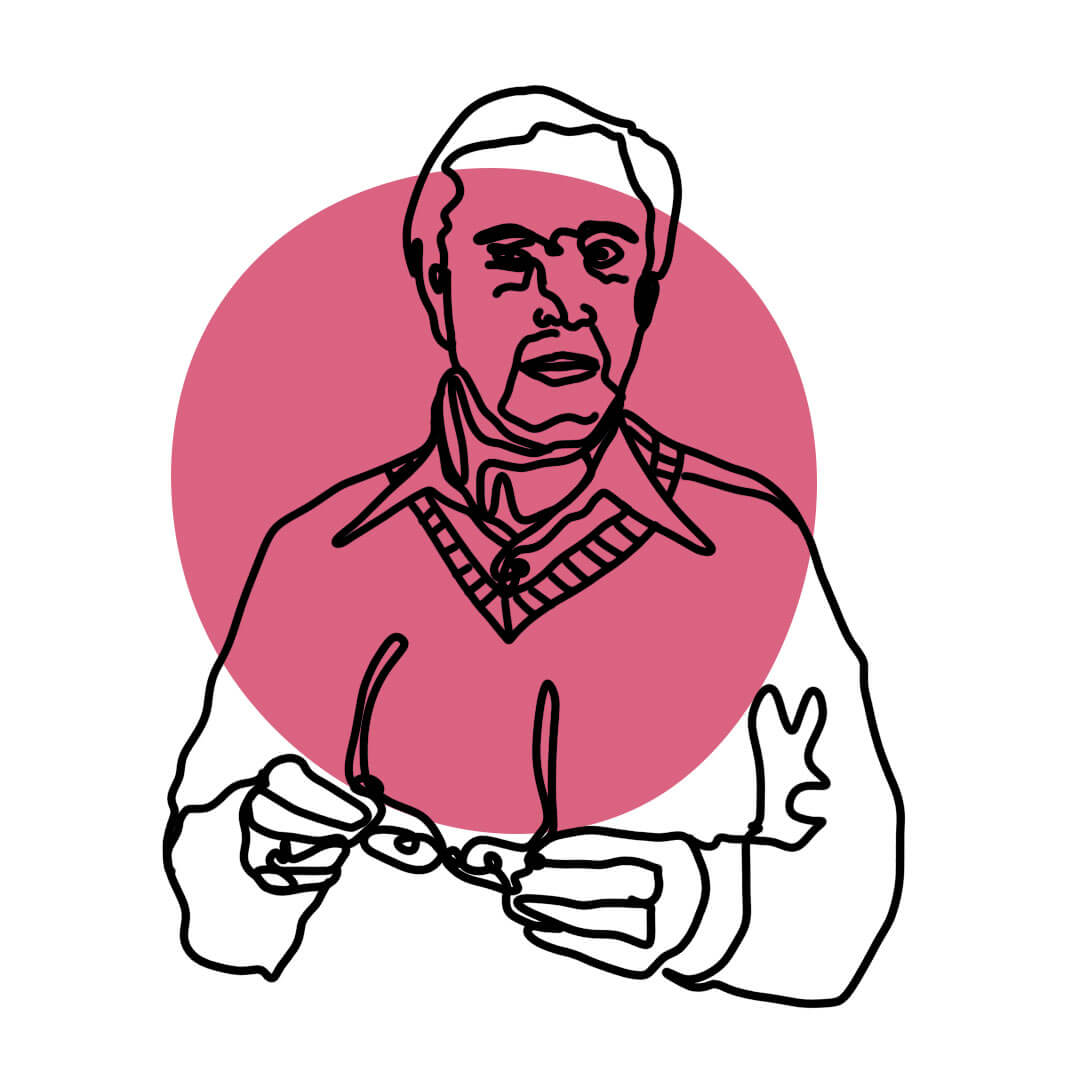
Giorgio Celiberti BIOGRAPHY Giorgio Celiberti was born in Udine in 1929. He began painting at a very young age, and at just nineteen he took part in the 1948 Venice Biennale, the first post-war one. In Venice he attended art high school and then Emilio Vedova's studio. In the lagoon city he shares the ca mera-studio with Tancredi at the Accademia pension. Intense attendance with Carlo Ciussi, Marco Fantoni, and Romano Parmeggiani, who in the same years experienced a period of training in Venice. Following in the steps of his uncle Modotto, one of the most important Udinese pit tors of the 1930s, a protagonist, together with the Basaldella brothers (Afro, Dino and Mirko) in Filipponi and Candido Grassi, of the Novecentist renewal of Friulian art, Celiberti in the early 1950s moved to Paris, where he came into contact with the major representatives of the figurative culture beyond the Alps. Thus began a series of trips that would remain fundamental to his education: in 1956 he won a scholarship from the Ministry of Education that allowed him to stay in Brussels, where he was able to complete his research on avant-garde art. From 1957 to 1958 he was in London: these were the years when Bacon and Sutherland's expressions smo dominated. A tireless traveler, curious, tormented inside by a fever of novelty and knowledge, he stayed in the United States, Mexico, Cuba, Venezuela. From these experiences he drew a repertoire of signs, of techniques, which he reworked in the following years. Upon returning to Italy he moved for a long and fruitful period to Rome, where he frequented the leading artists of the Italian scene. His return to Udine, in the mid-1960s, allowed Celiberti to begin a work of self-reflection, which continues to this day, full of creative outcomes always characterized by a consuming anxiety of experimentation. In 1965, a fat to occurred that was destined to radically change his art.


.png)
 SILVER Seller in Udine, Italia