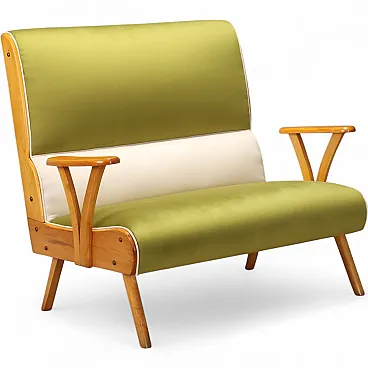
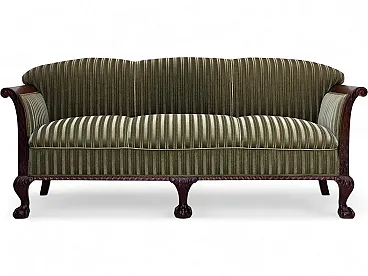
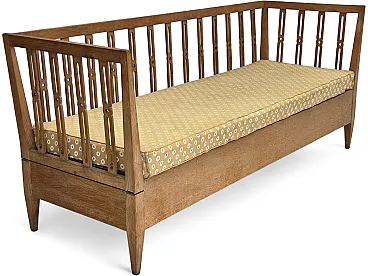
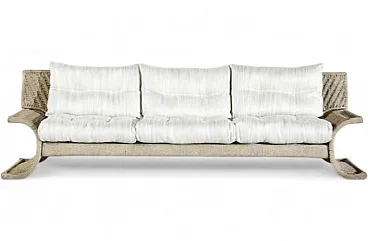
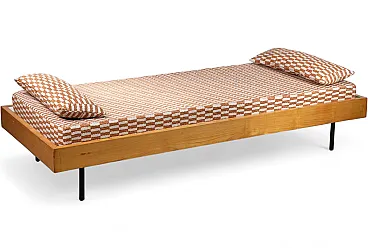
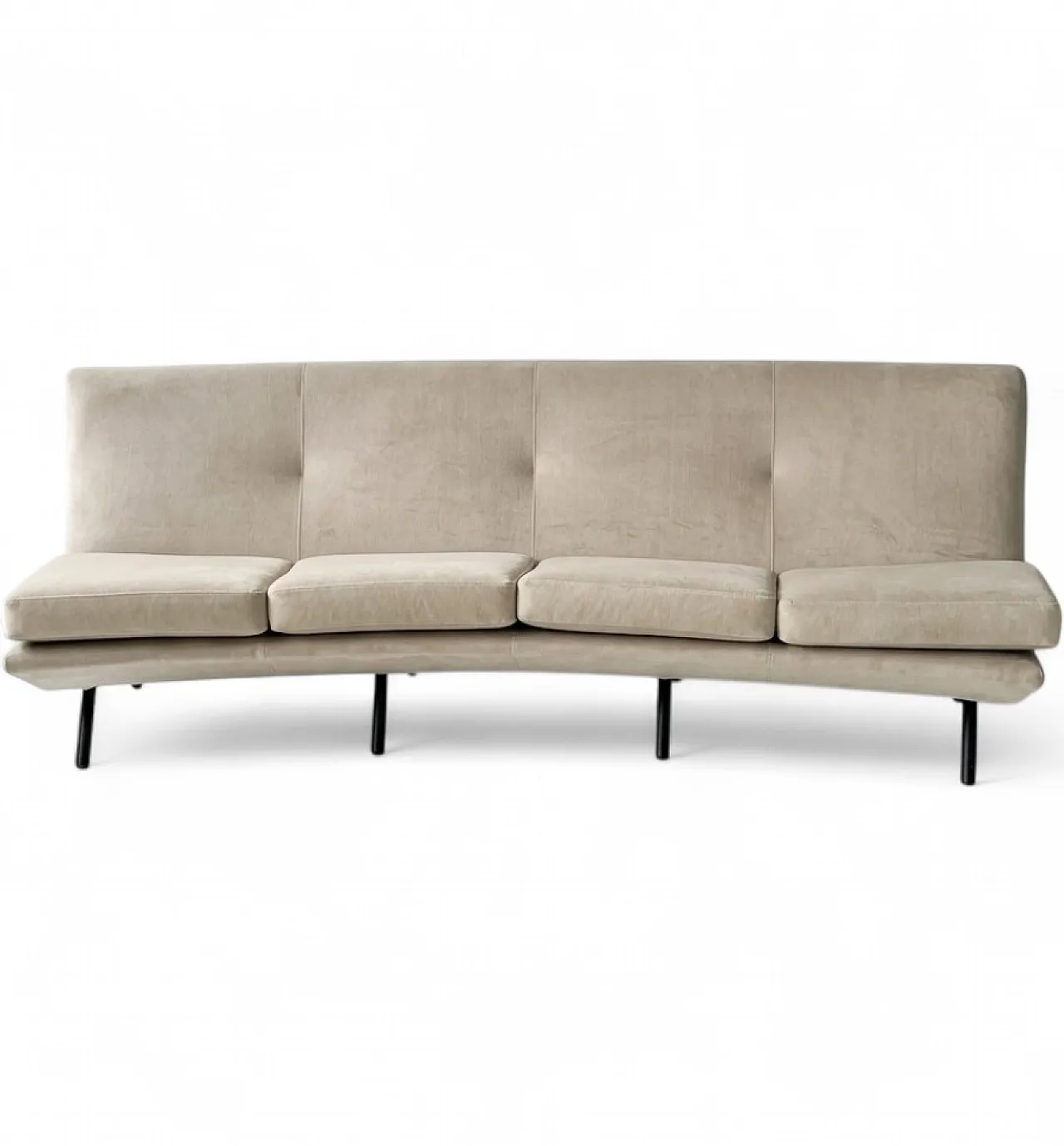
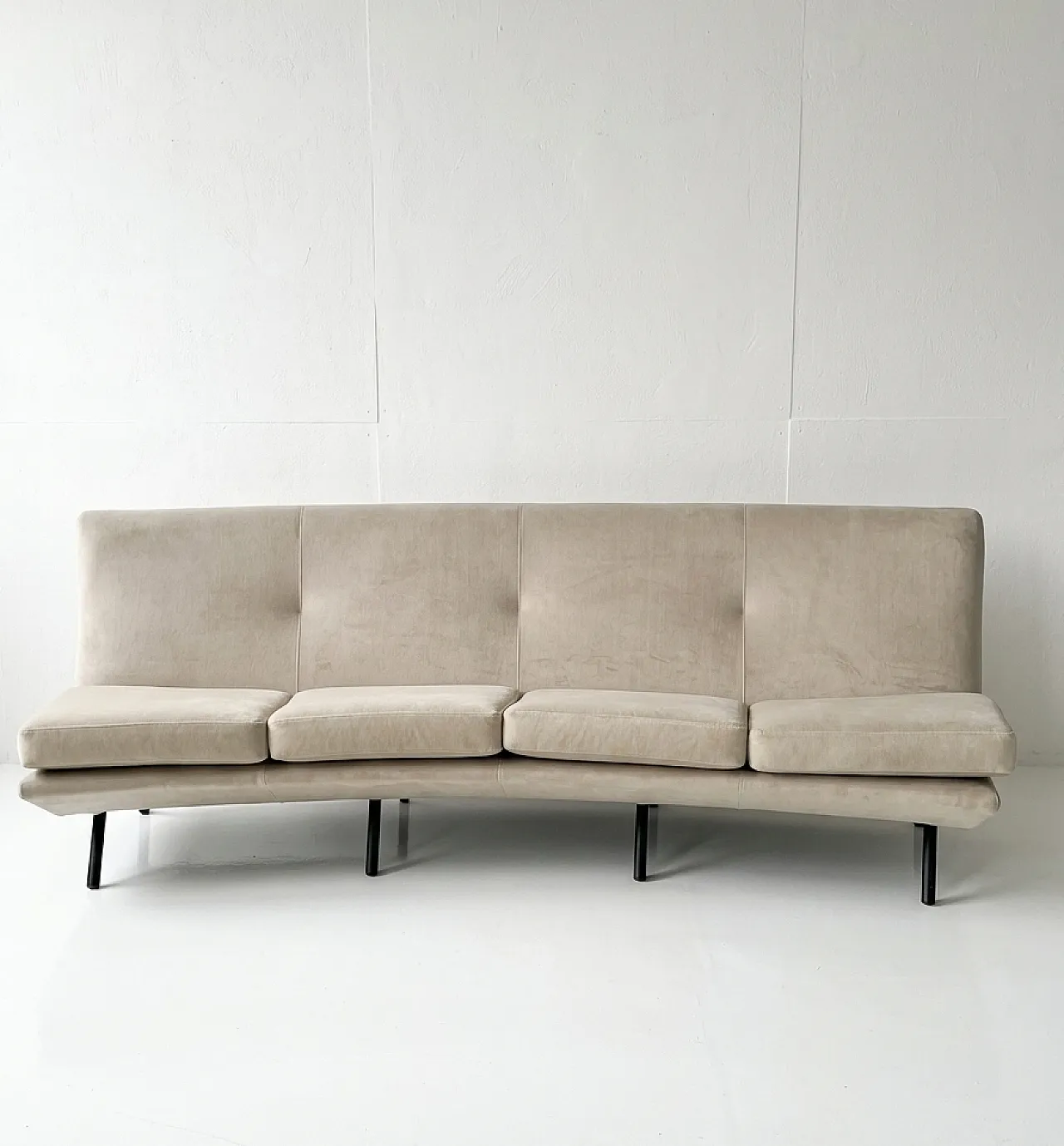
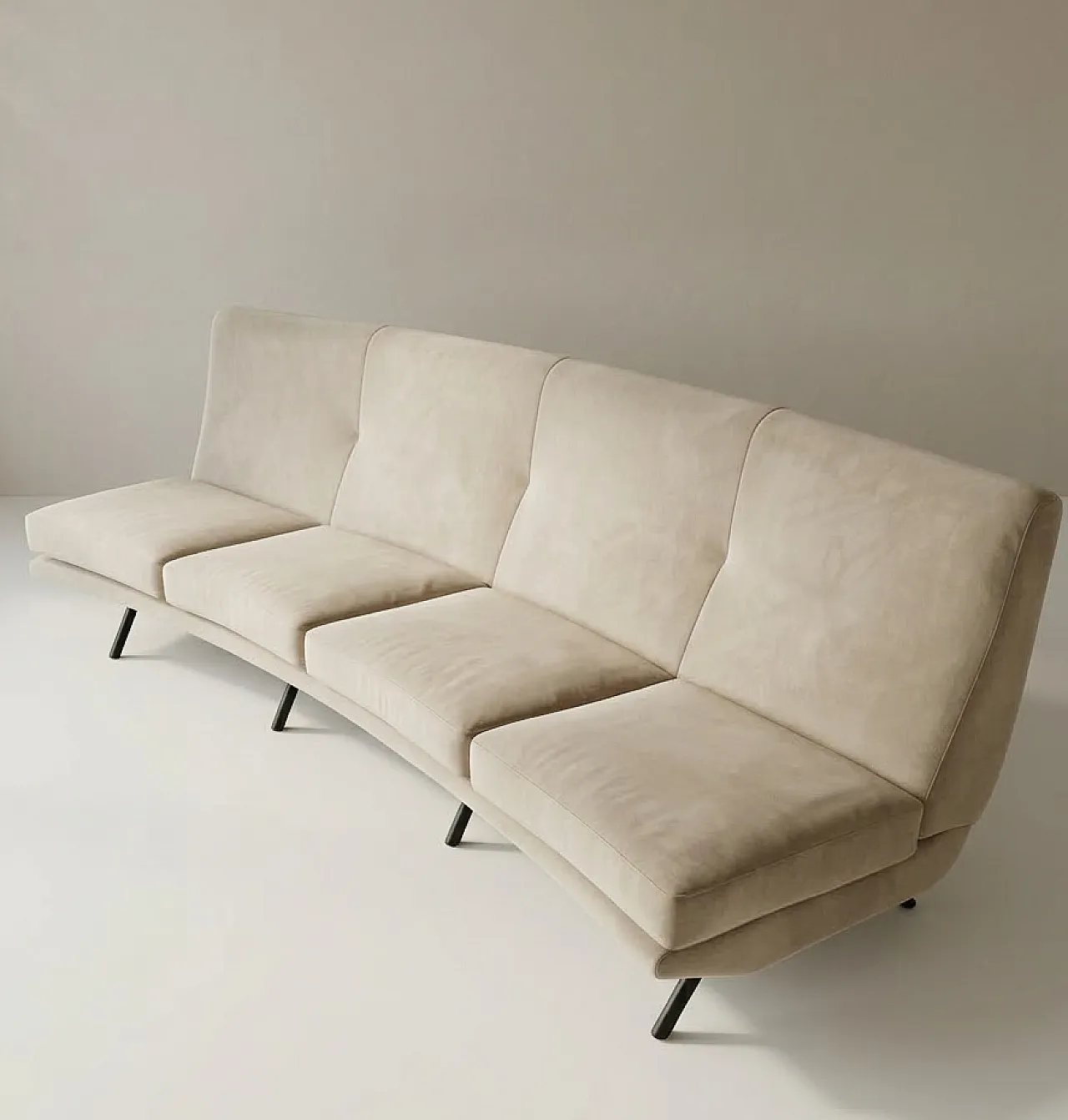
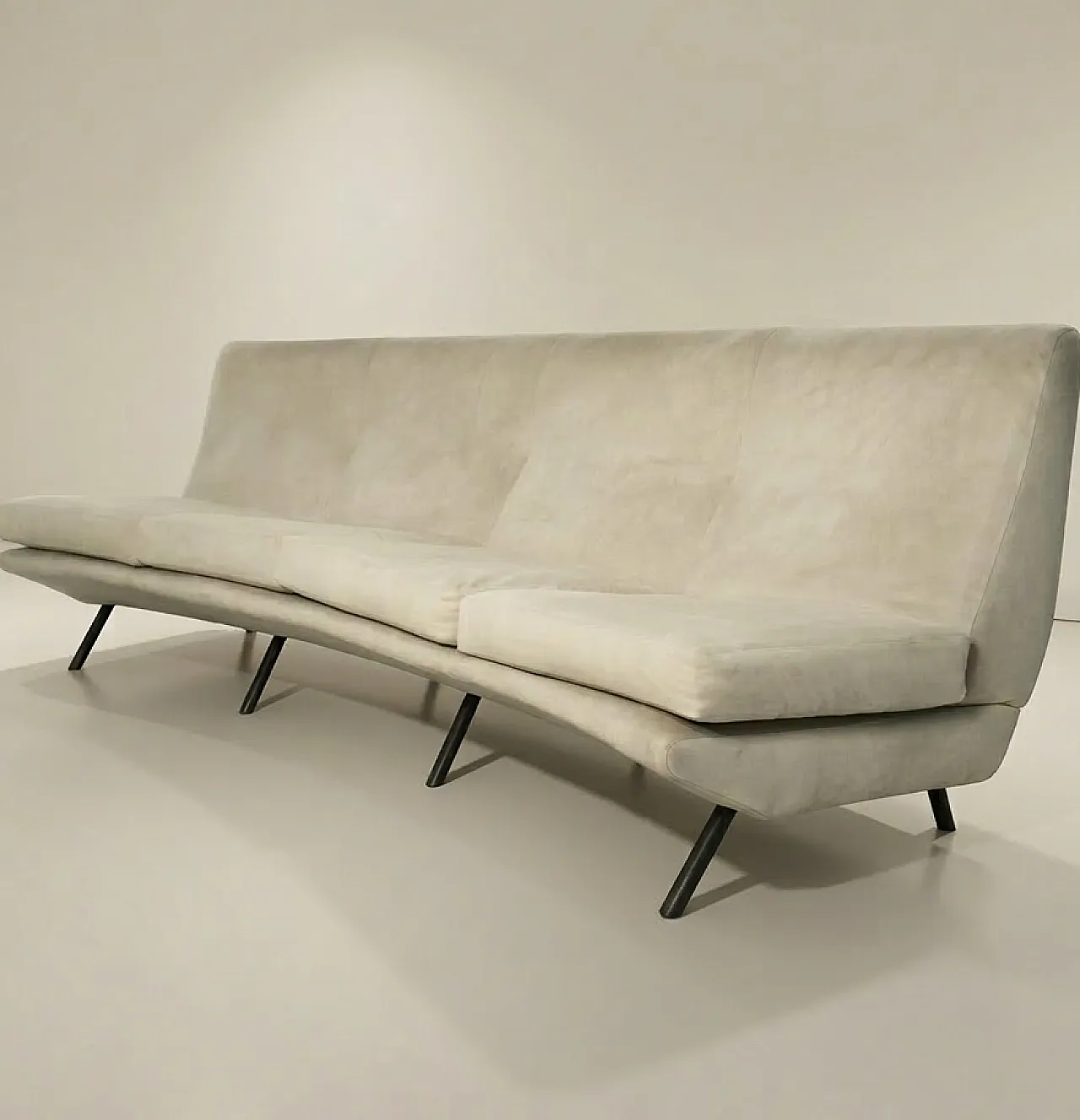
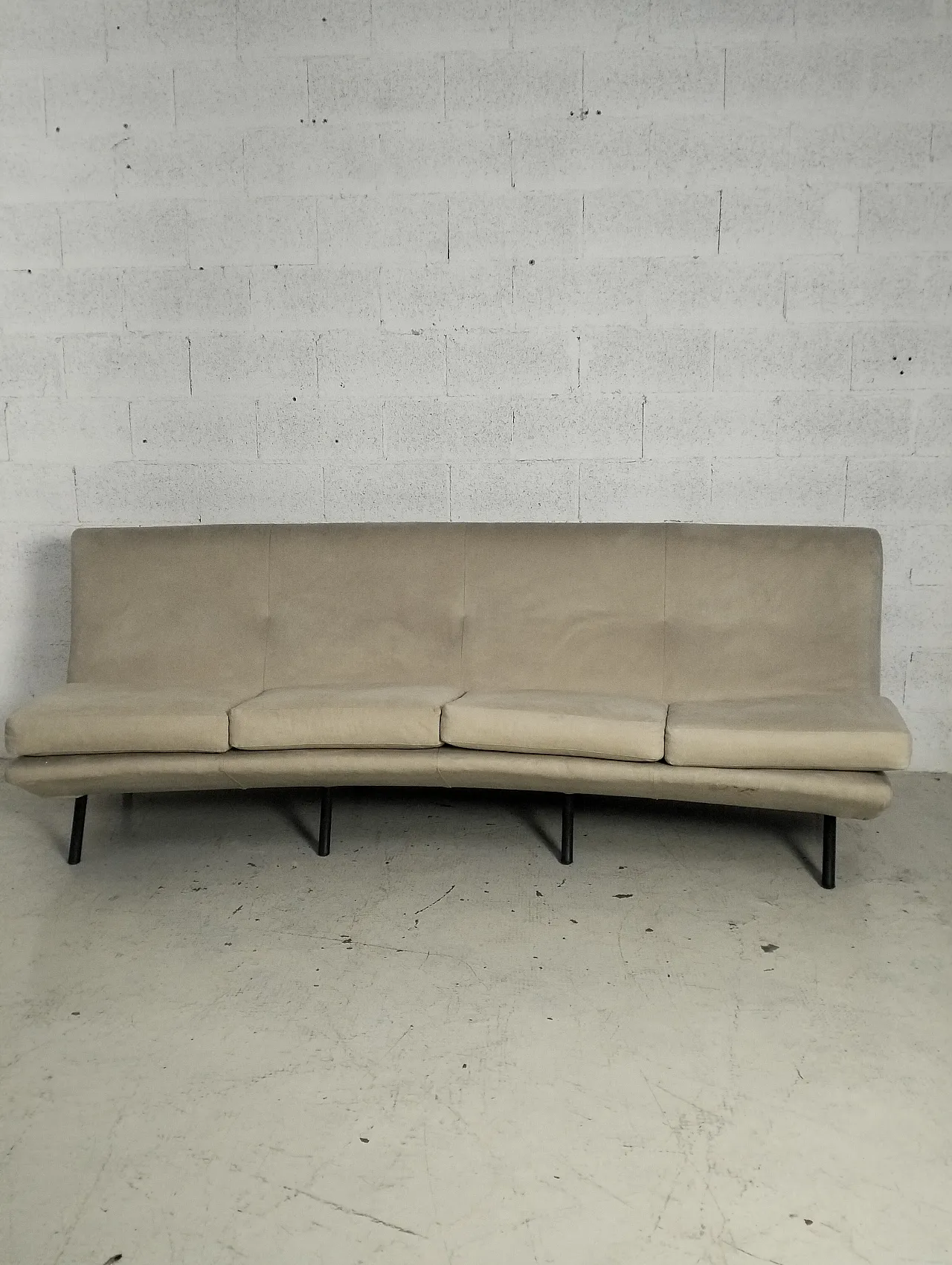
The Triennale seater (often referred to as the Triennale sofa or settee) is a landmark piece of mid-century Italian design created by Marco Zanuso for Arflex in 1951.
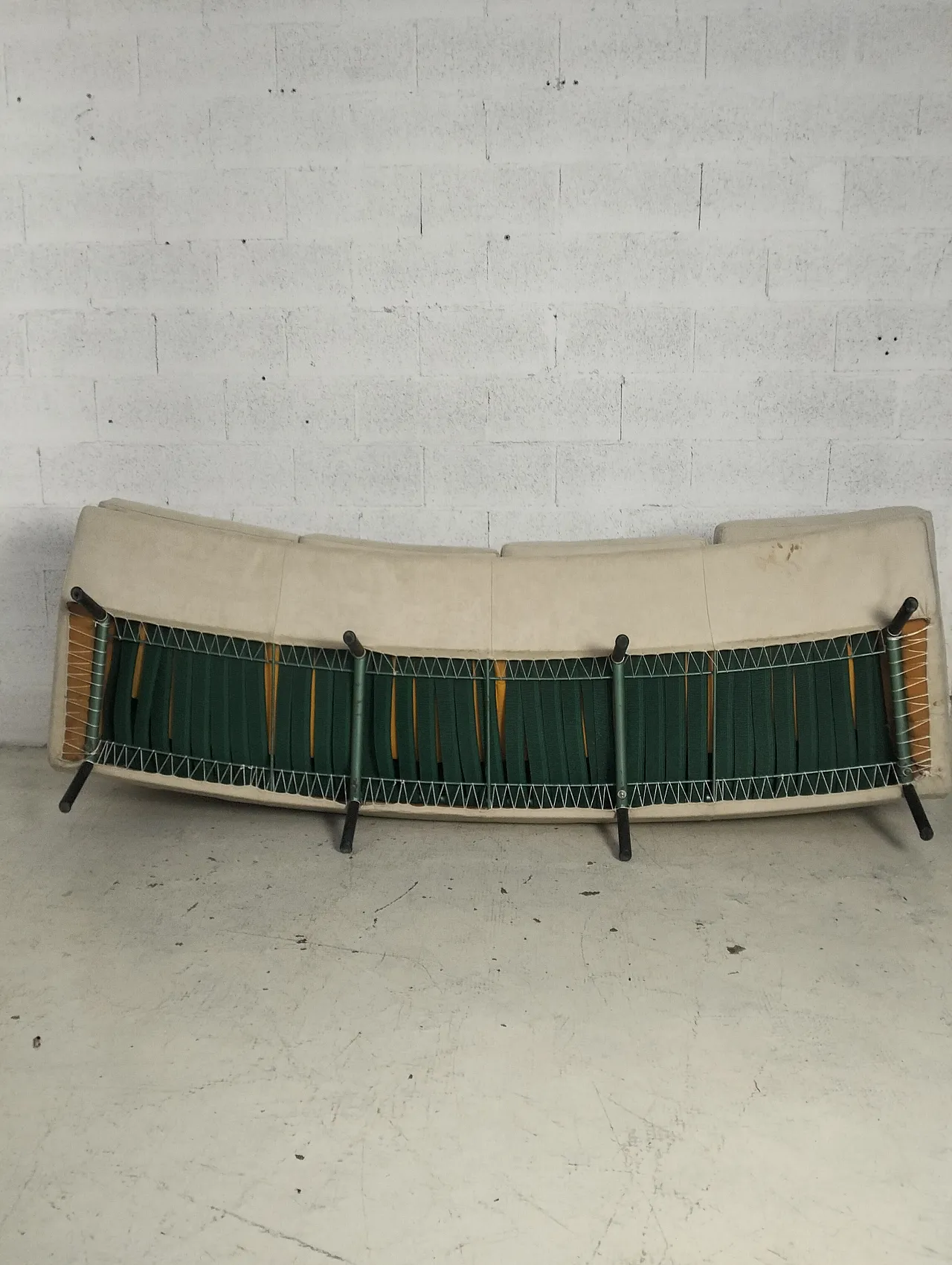
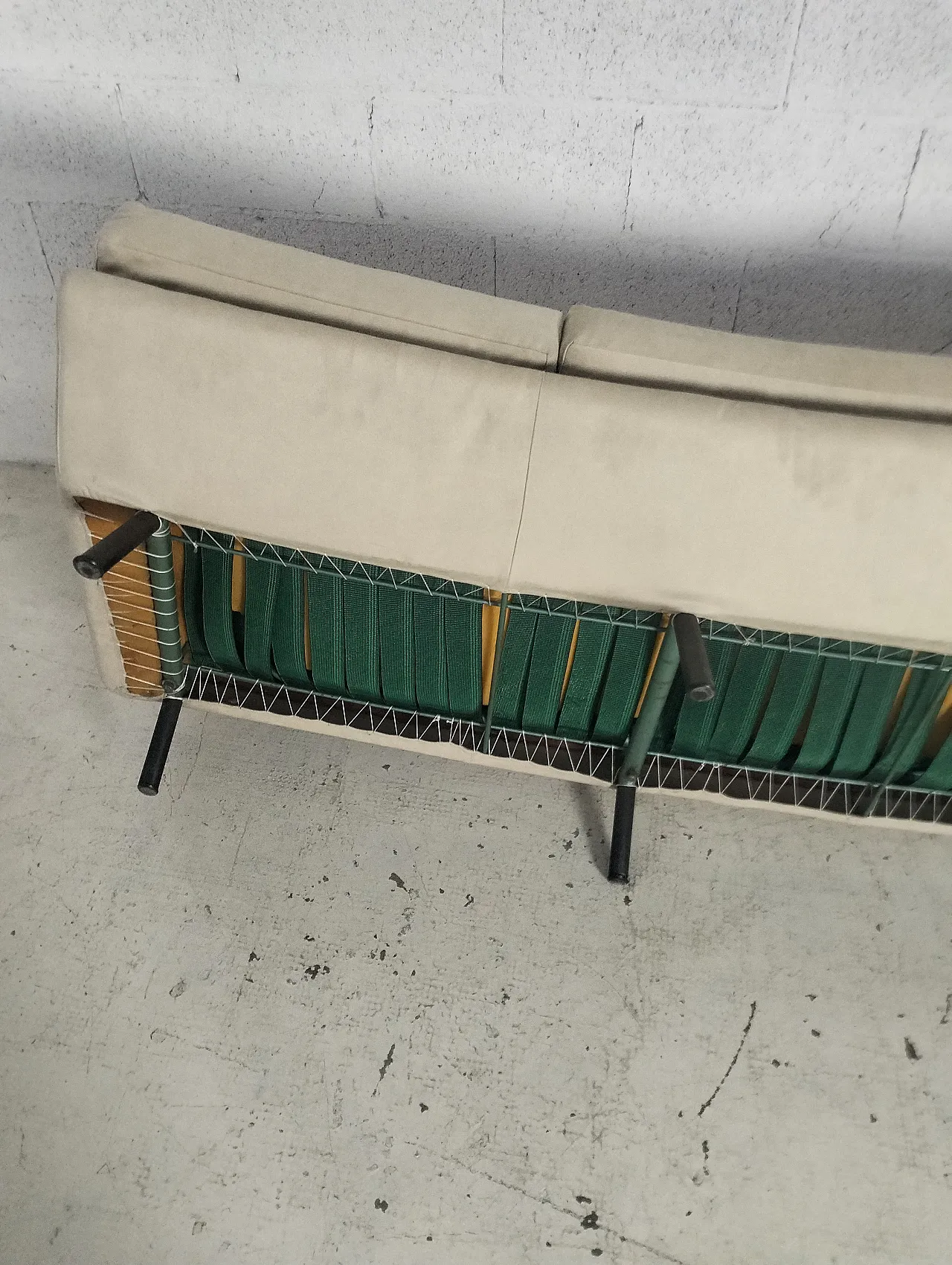
It is named after the IX Milan Triennale, where it was first exhibited. This piece was revolutionary because it showcased Zanuso's early experimentation with industrial materials like foam rubber and elasticated straps—technology originally developed by Pirelli—which moved furniture away from heavy, traditional internal springs toward lighter, more sculptural forms.
Key Details
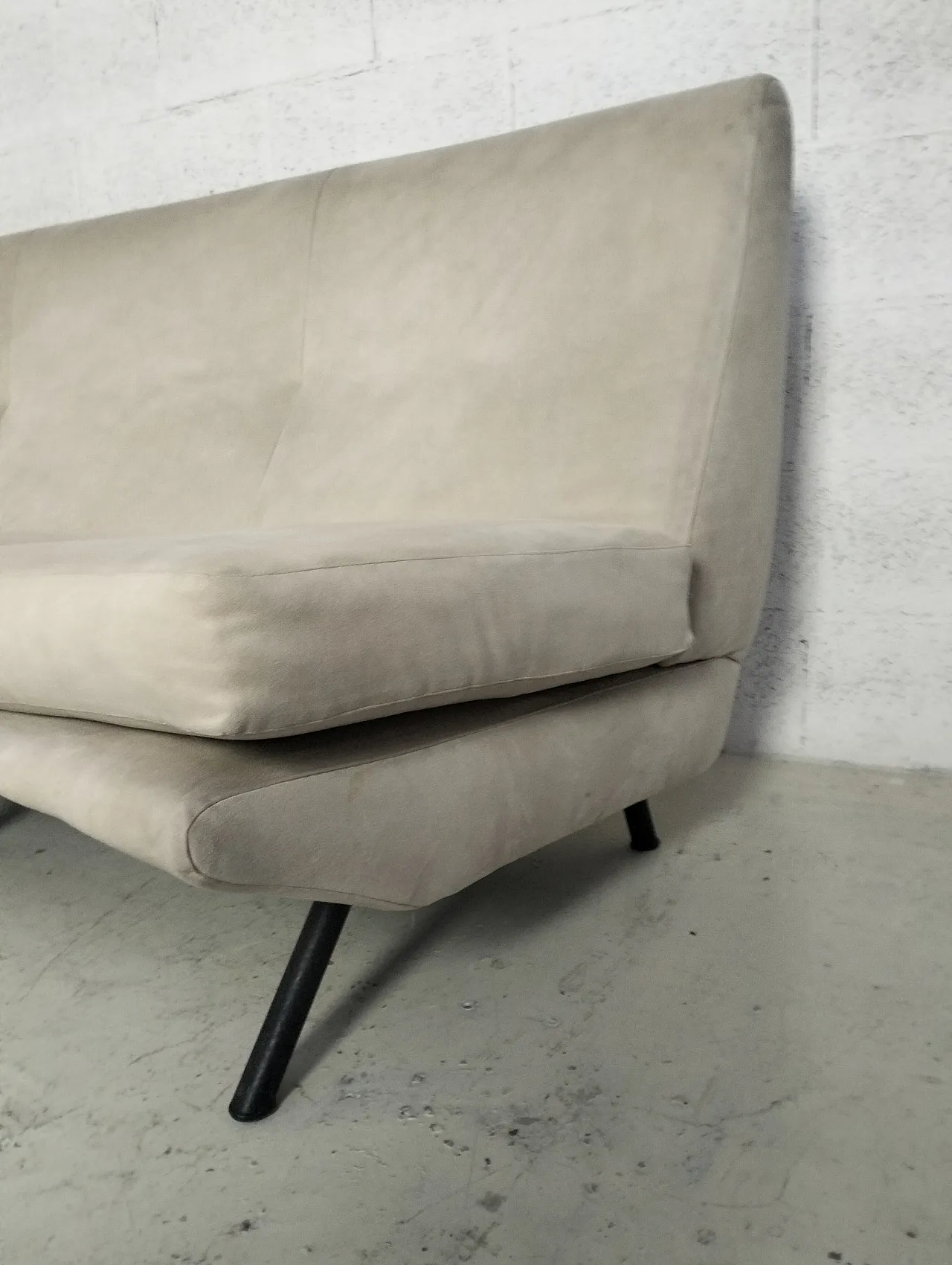
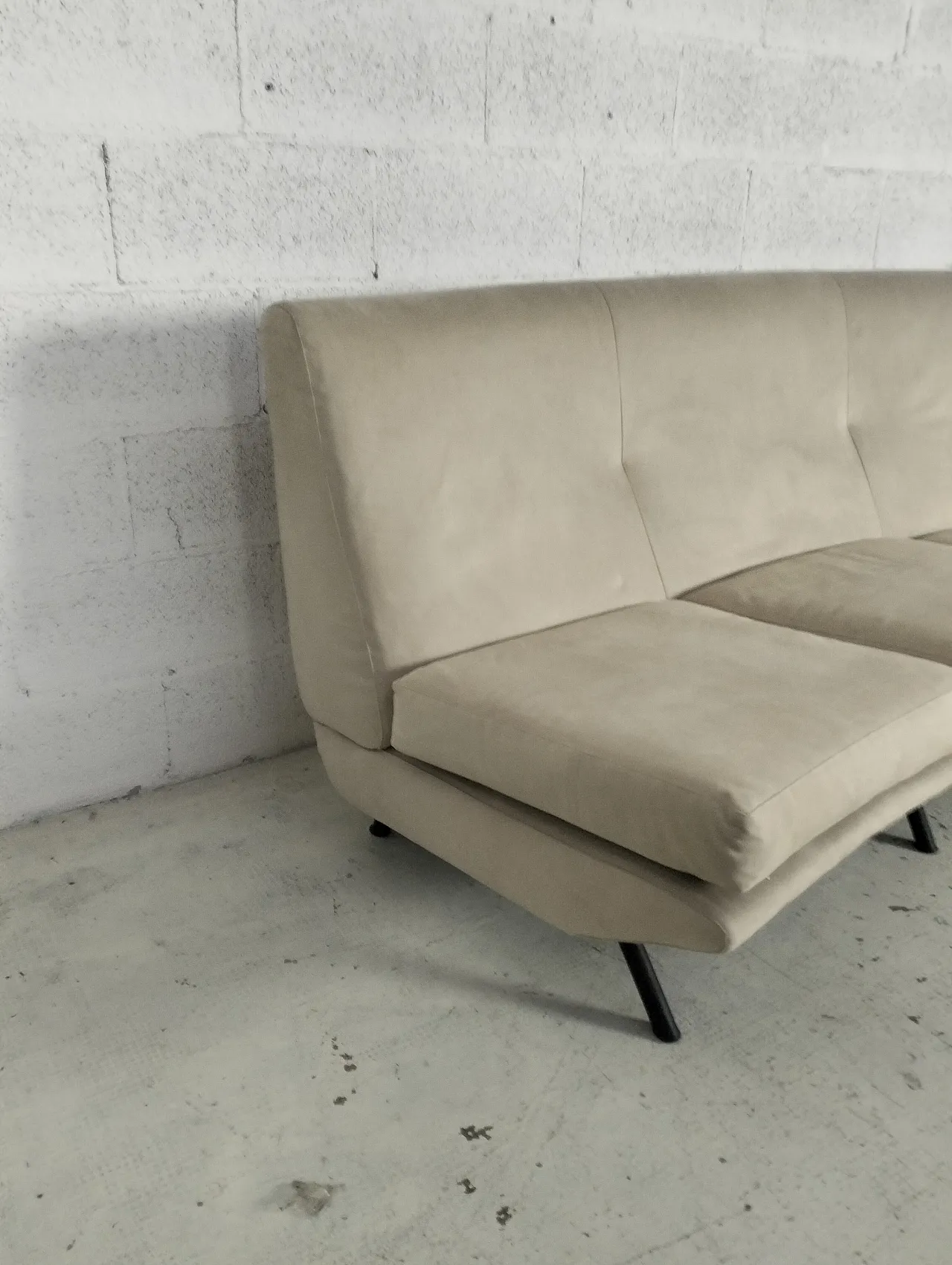
Design Significance: Debuted at the IX Triennale di Milano, it was one of the first sofas to replace traditional springs with foam rubber (Latex/Pirelli foam) and elas, organic shape.
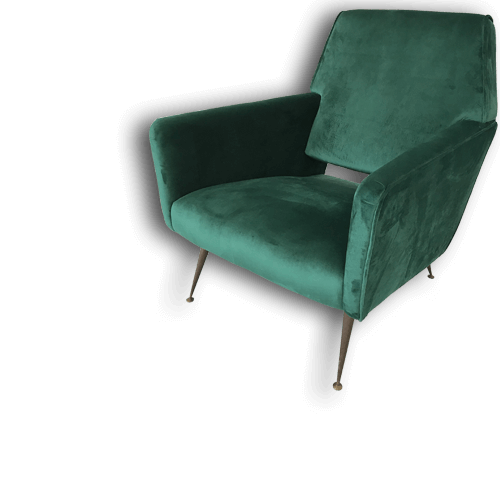
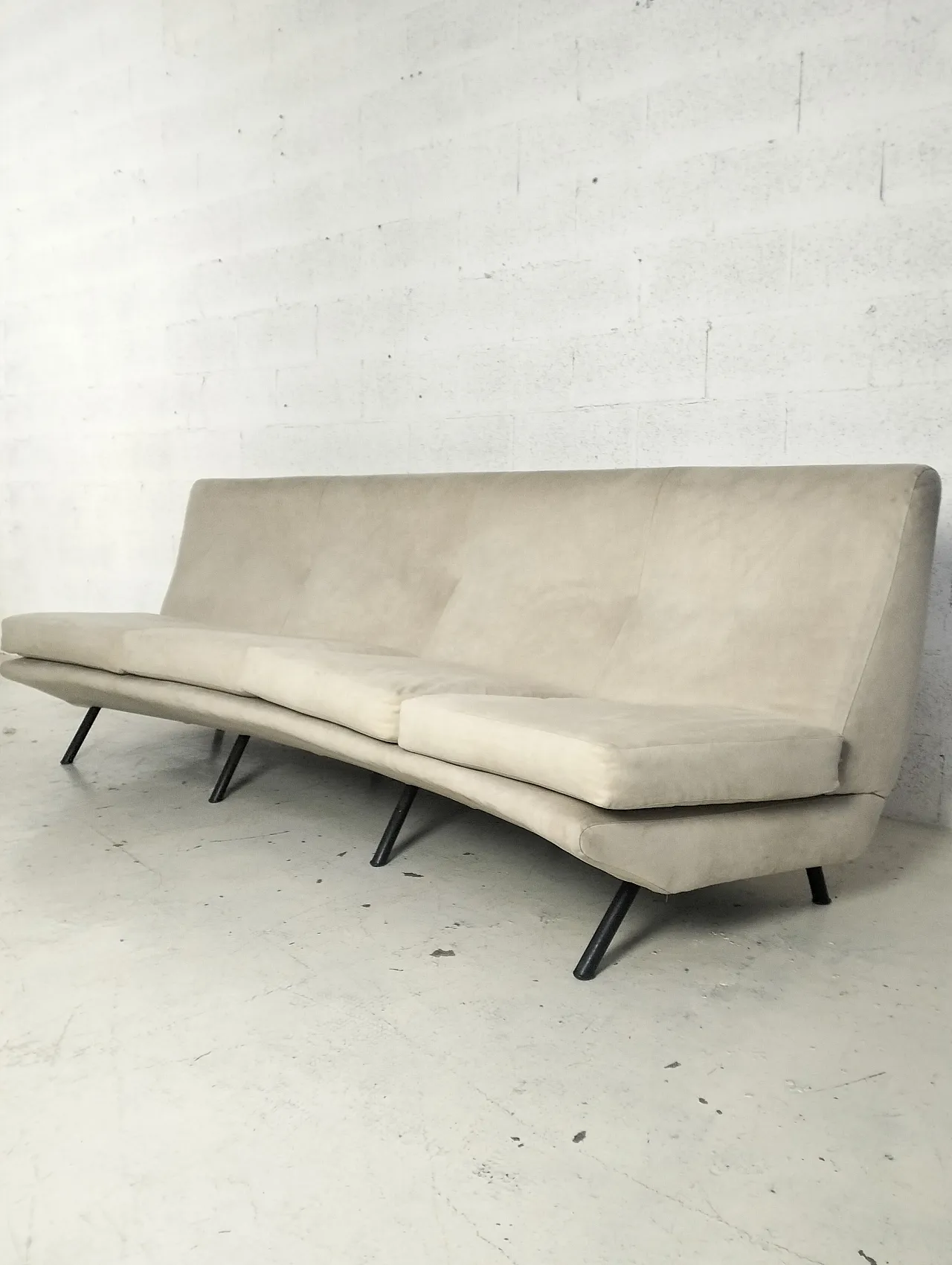
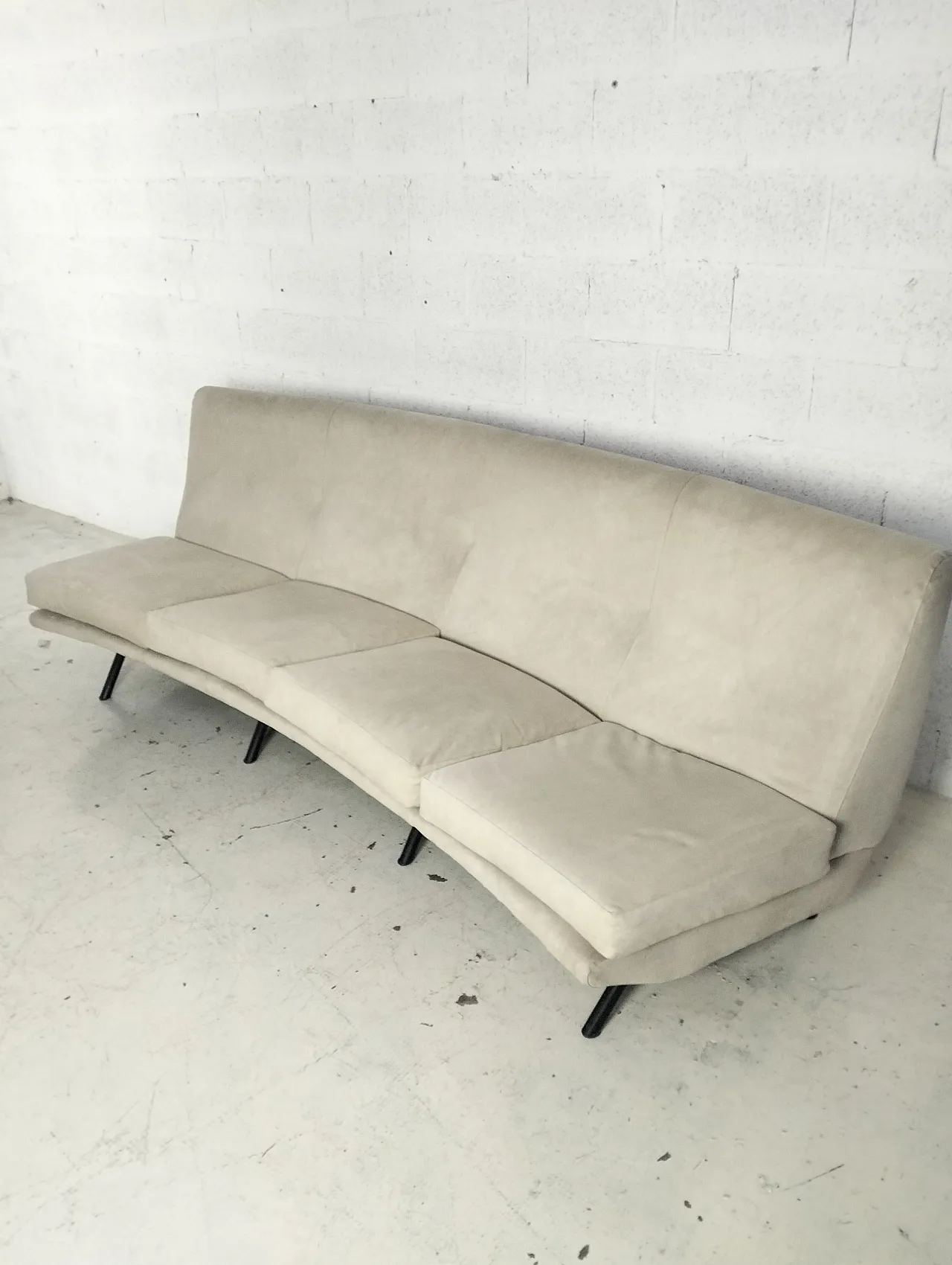
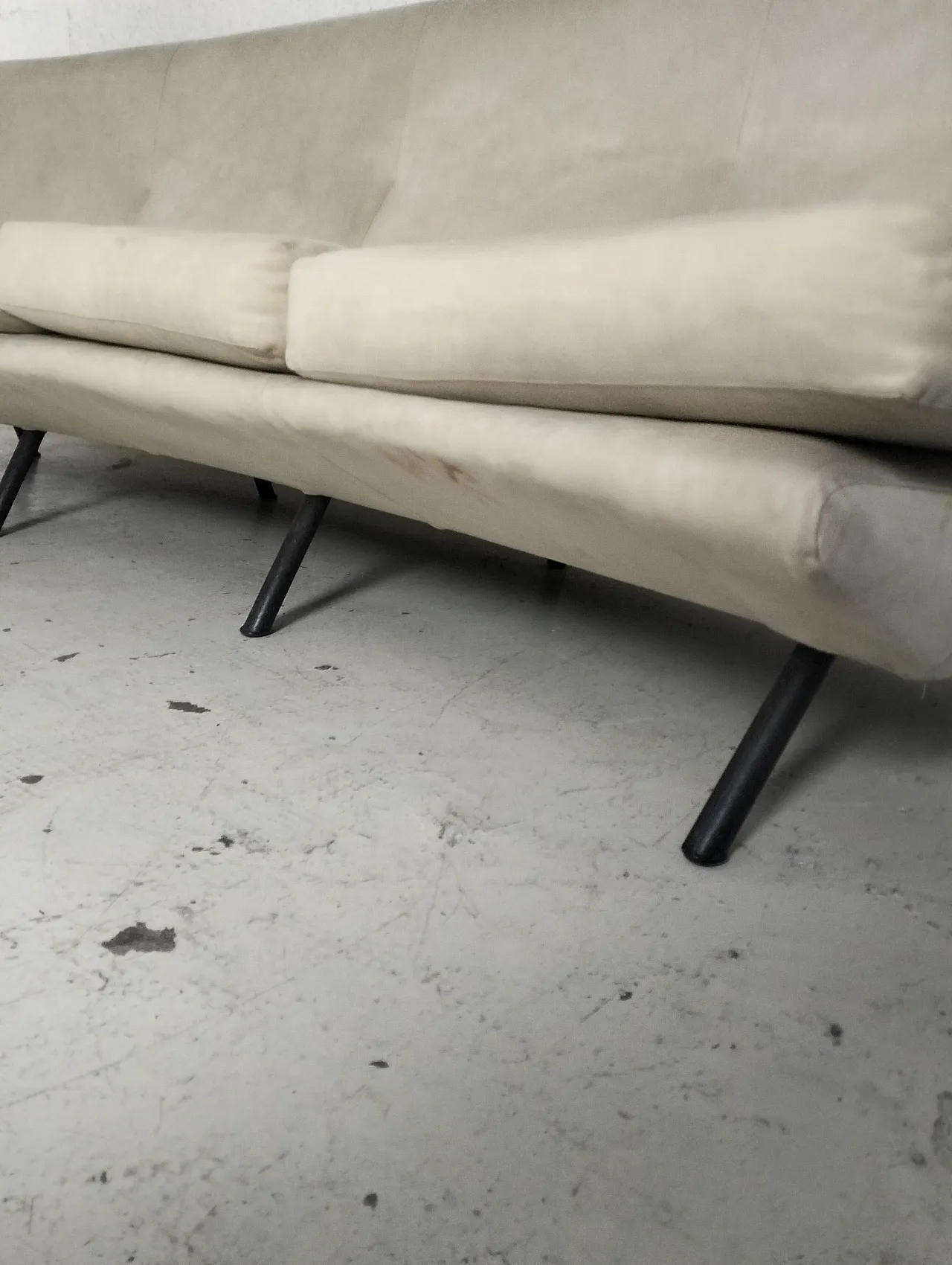
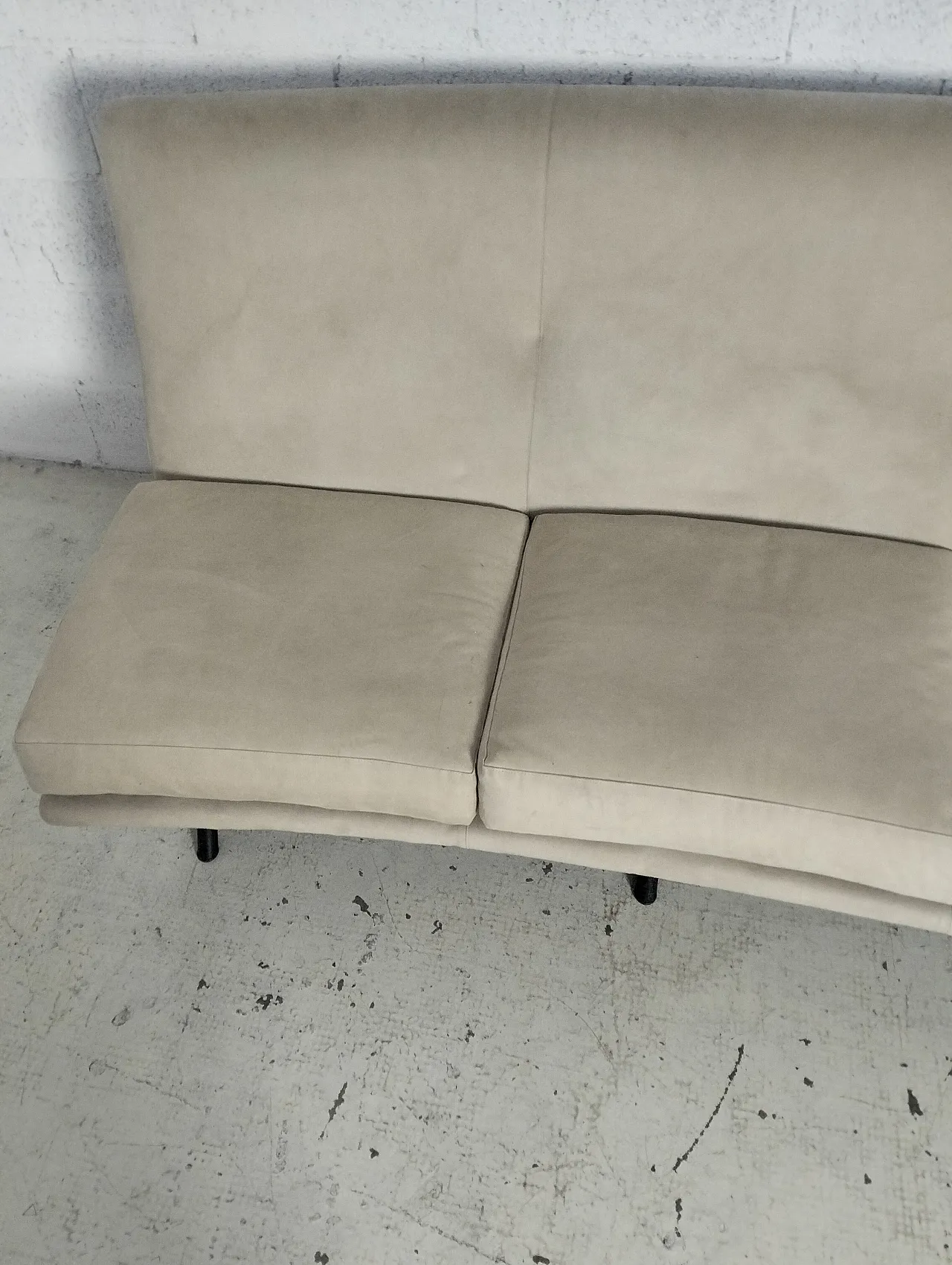
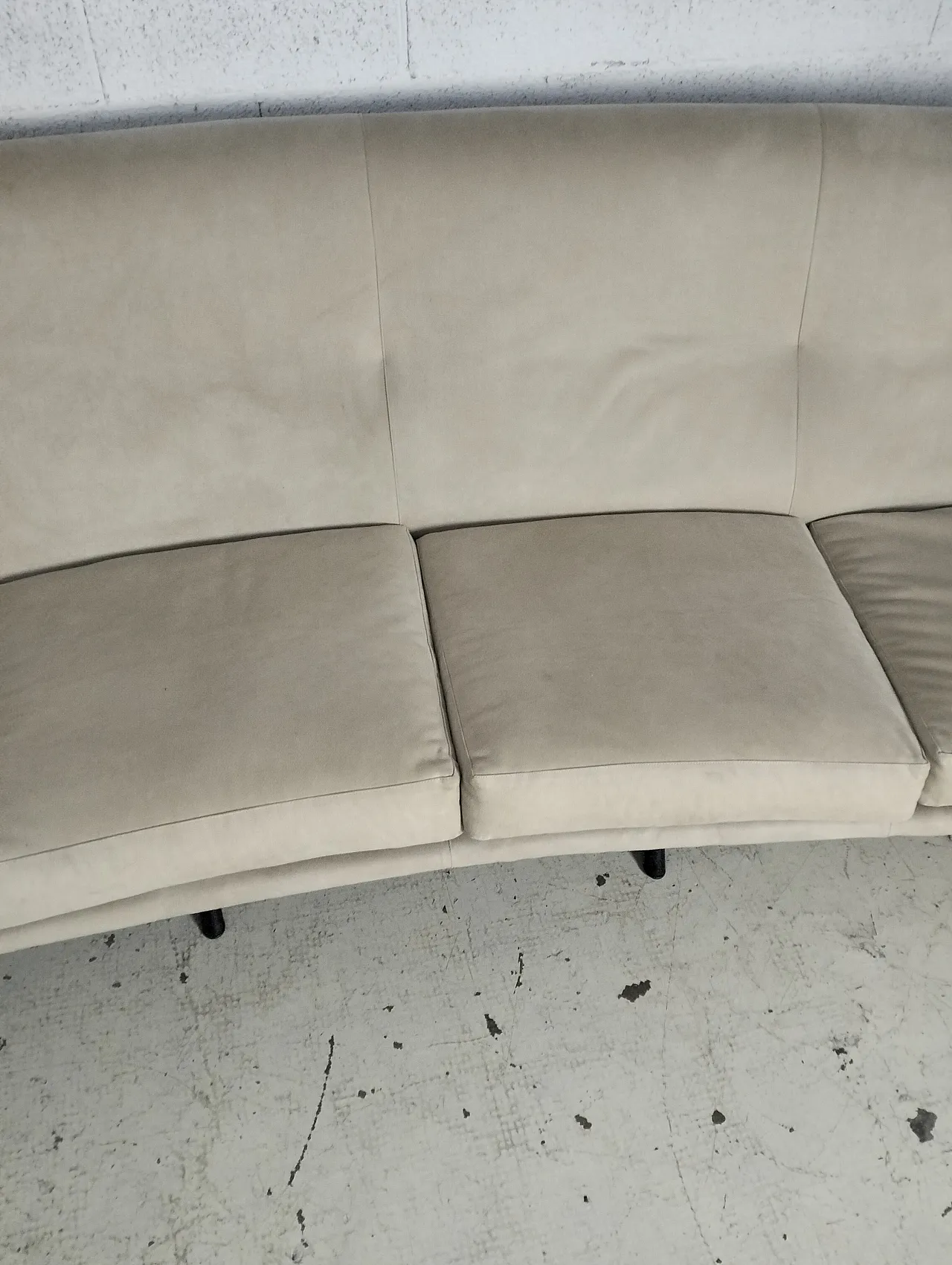
Structure: It typically features a slender metal frame with distinctive "stiletto" legs, giving it a light, floating appearance despite its comfort.
Marco Zanuso (1916–2001) was a cornerstone of Italian modernism. He didn't just design furniture; he fundamentally changed how it was made by bringing industrial technology into the home.
Why He Matters
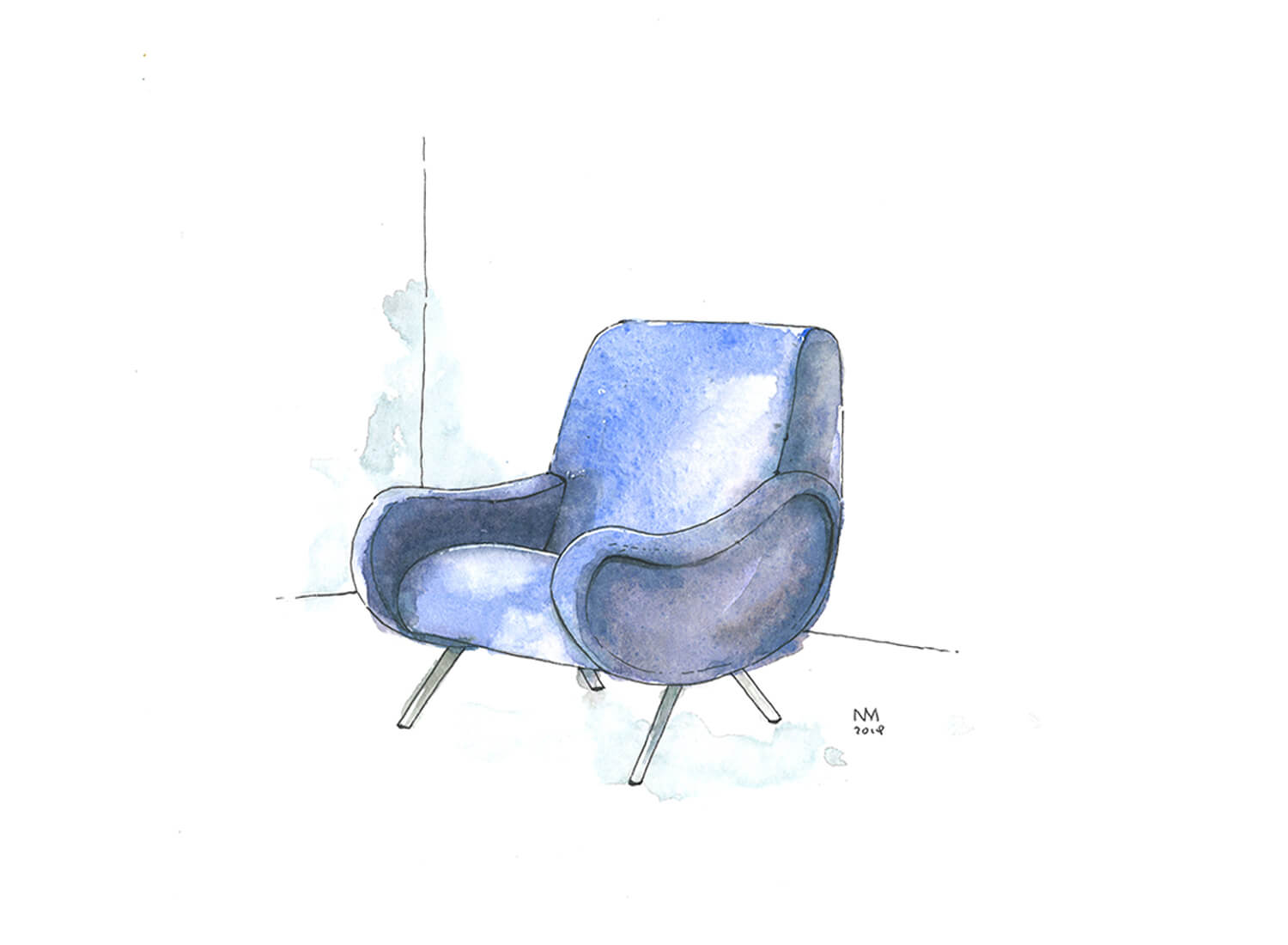
Zanuso was a pioneer of High-Tech Design. Before him, sofas were made with wood and springs; he introduced foam rubber (latex) and elastic straps, which allowed for the curvy, organic shapes seen in the Triennale and Lady series.
Arflex (founded in Milan in 1947) is the company that revolutionized Italian furniture by moving it from traditional craftsmanship to modern industrial production.



.png)

 SILVER Seller in Padova, Italy