Kalaga Tapestry, Myanmar (Burma), second half of the 20th century
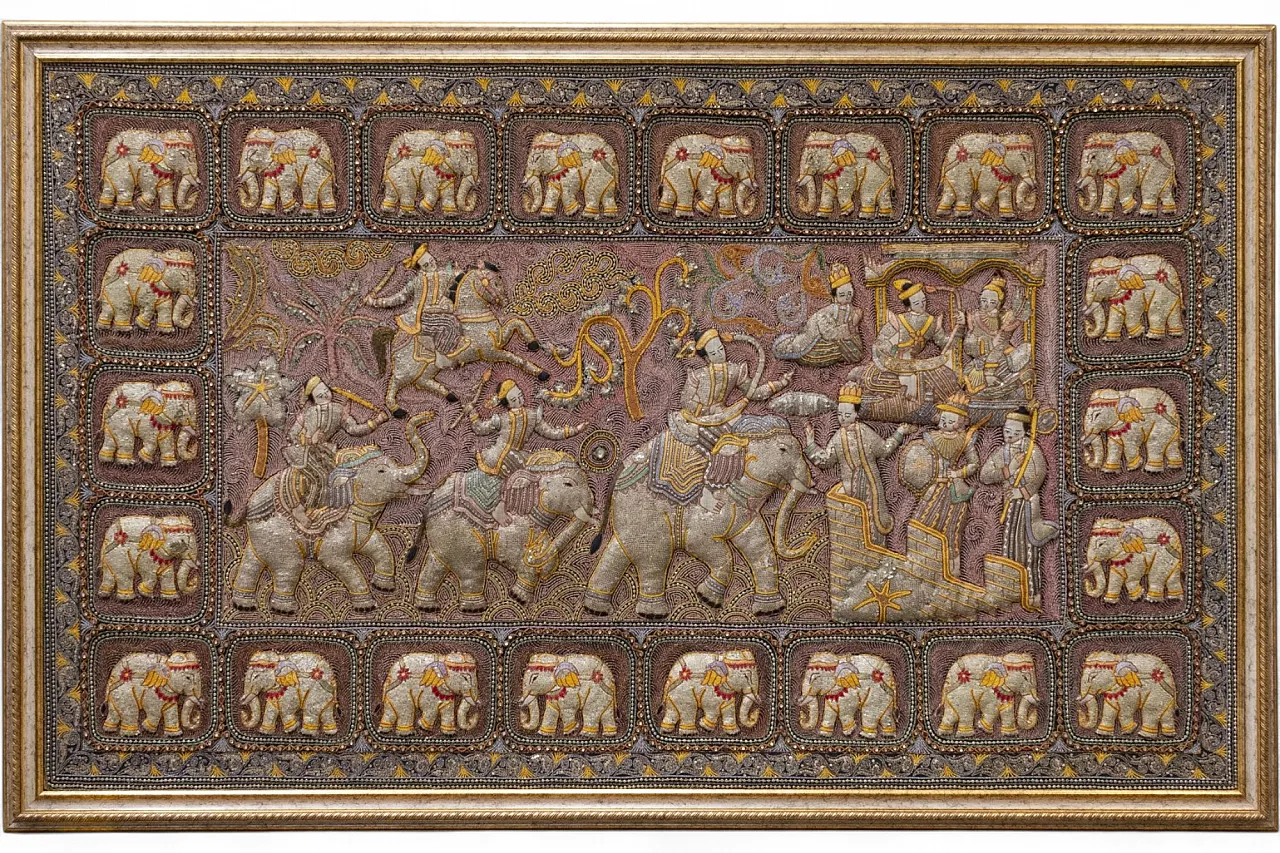
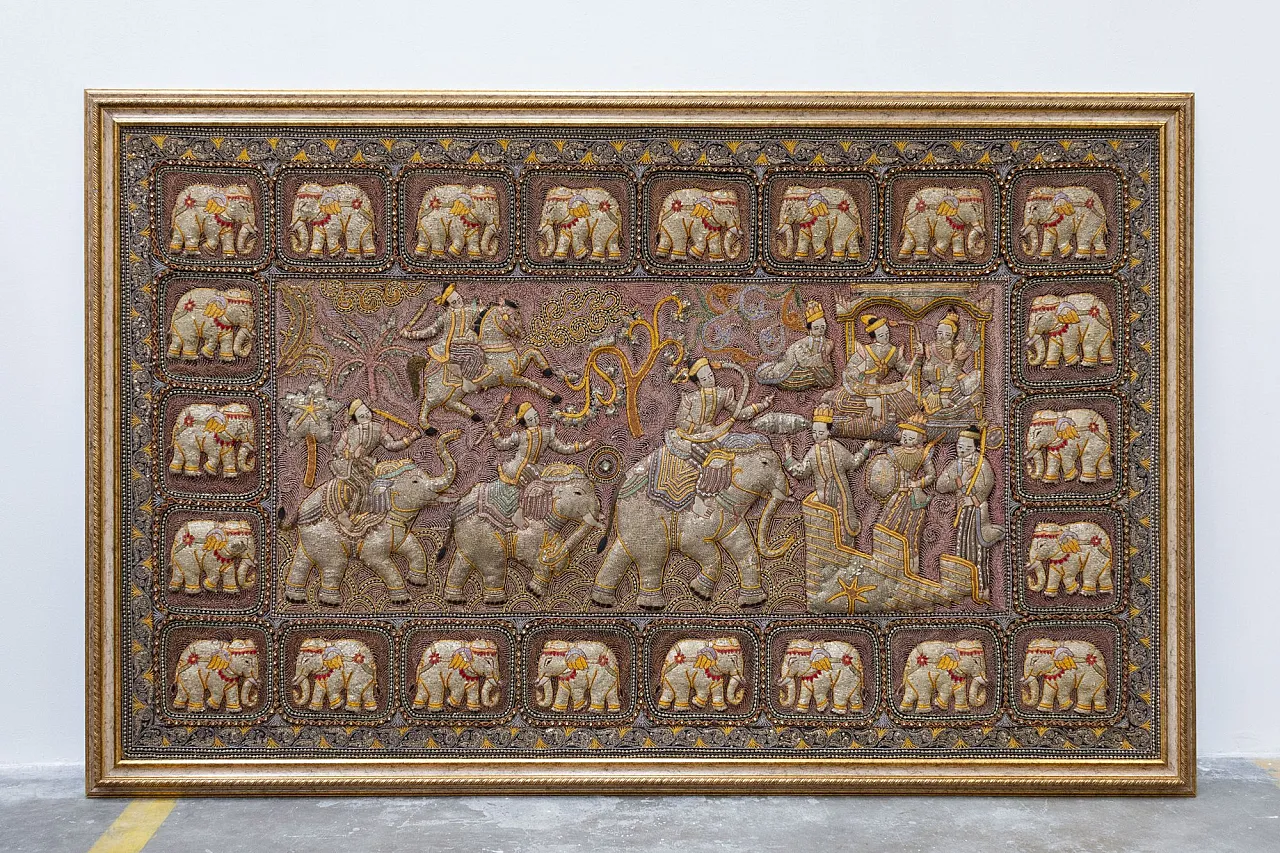
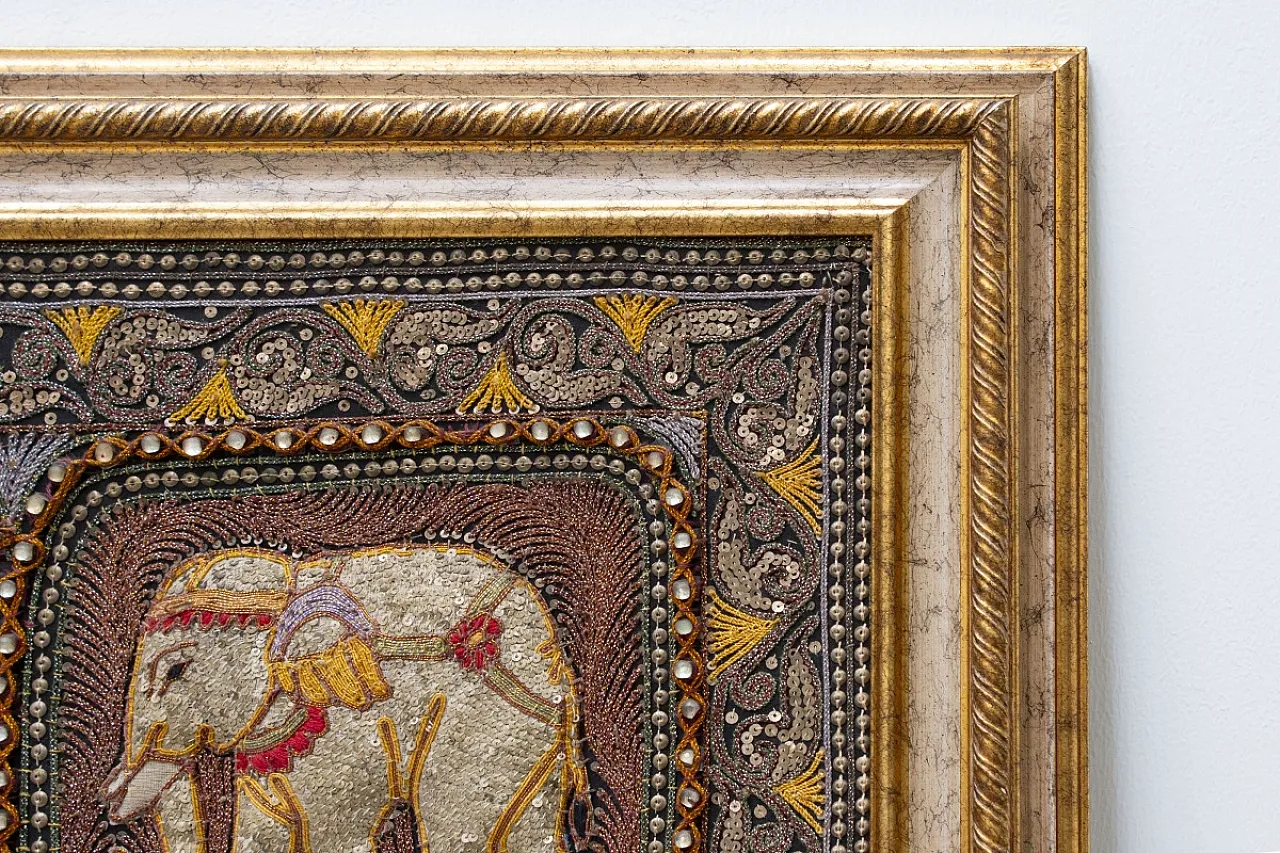
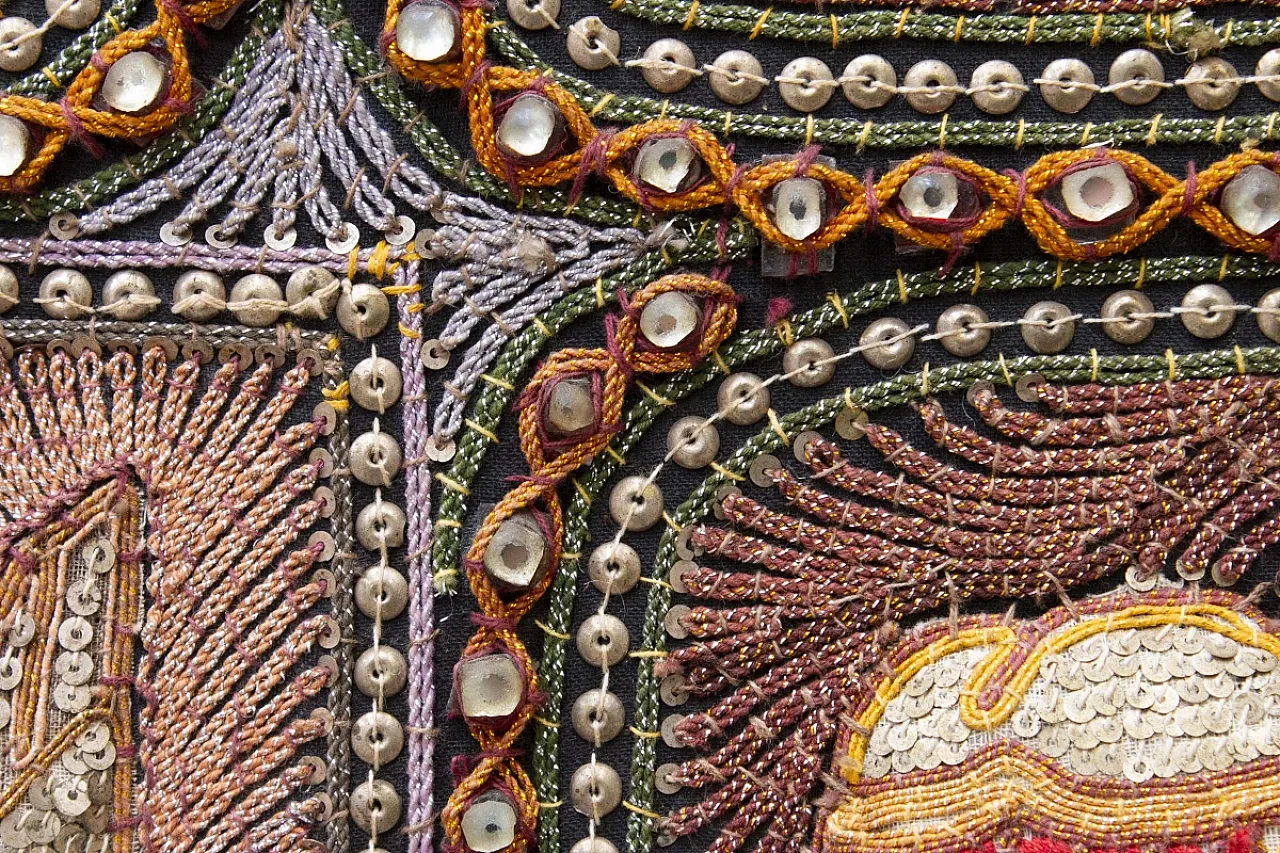
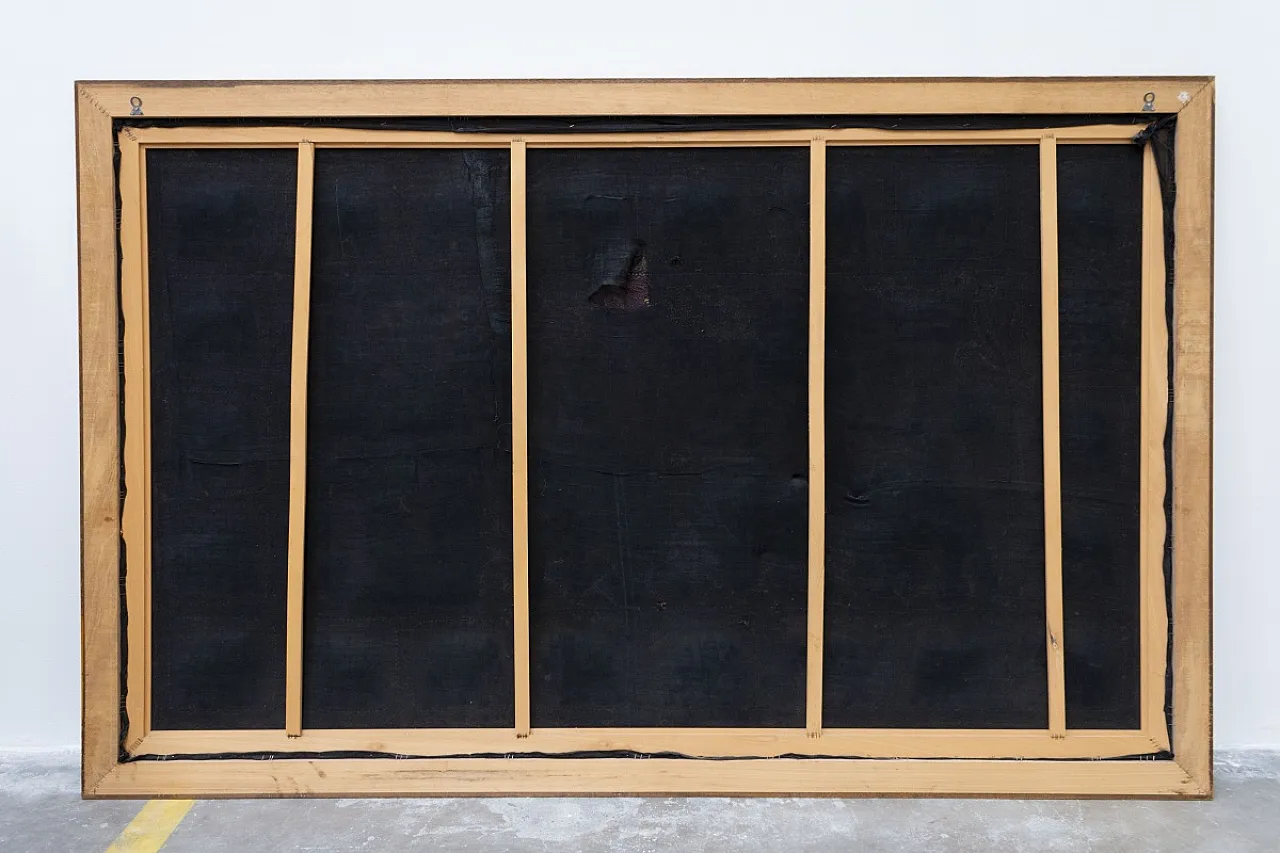
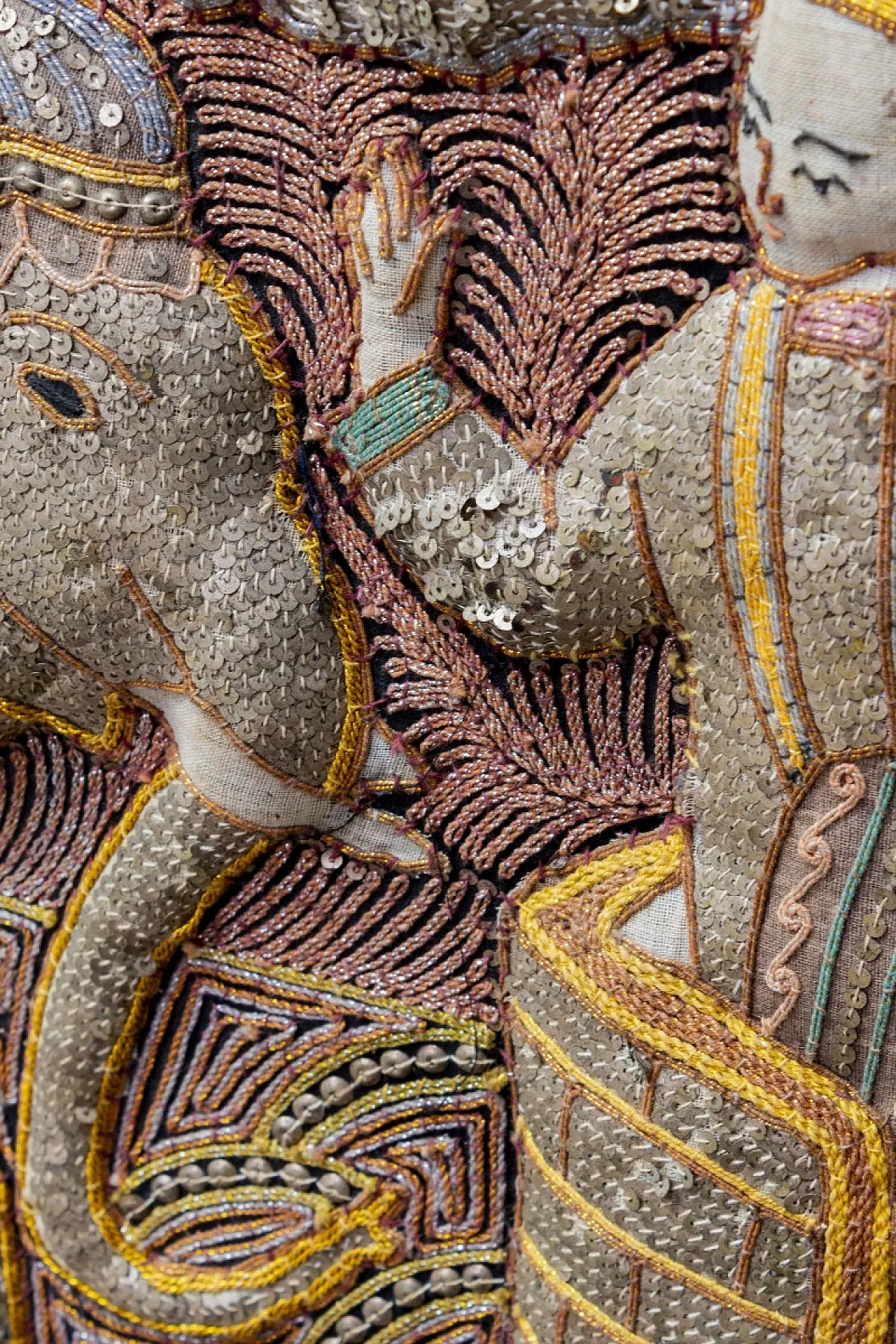
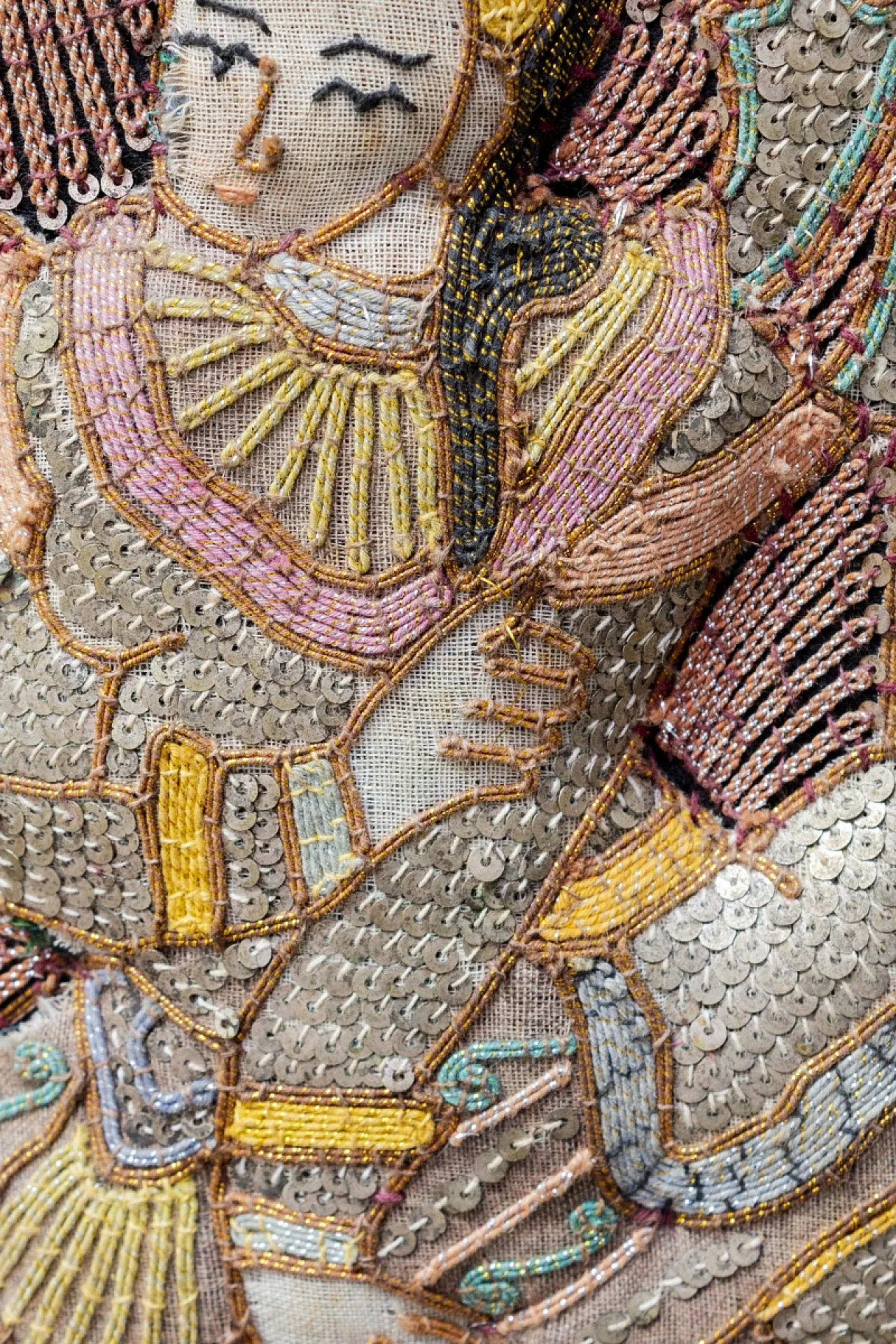
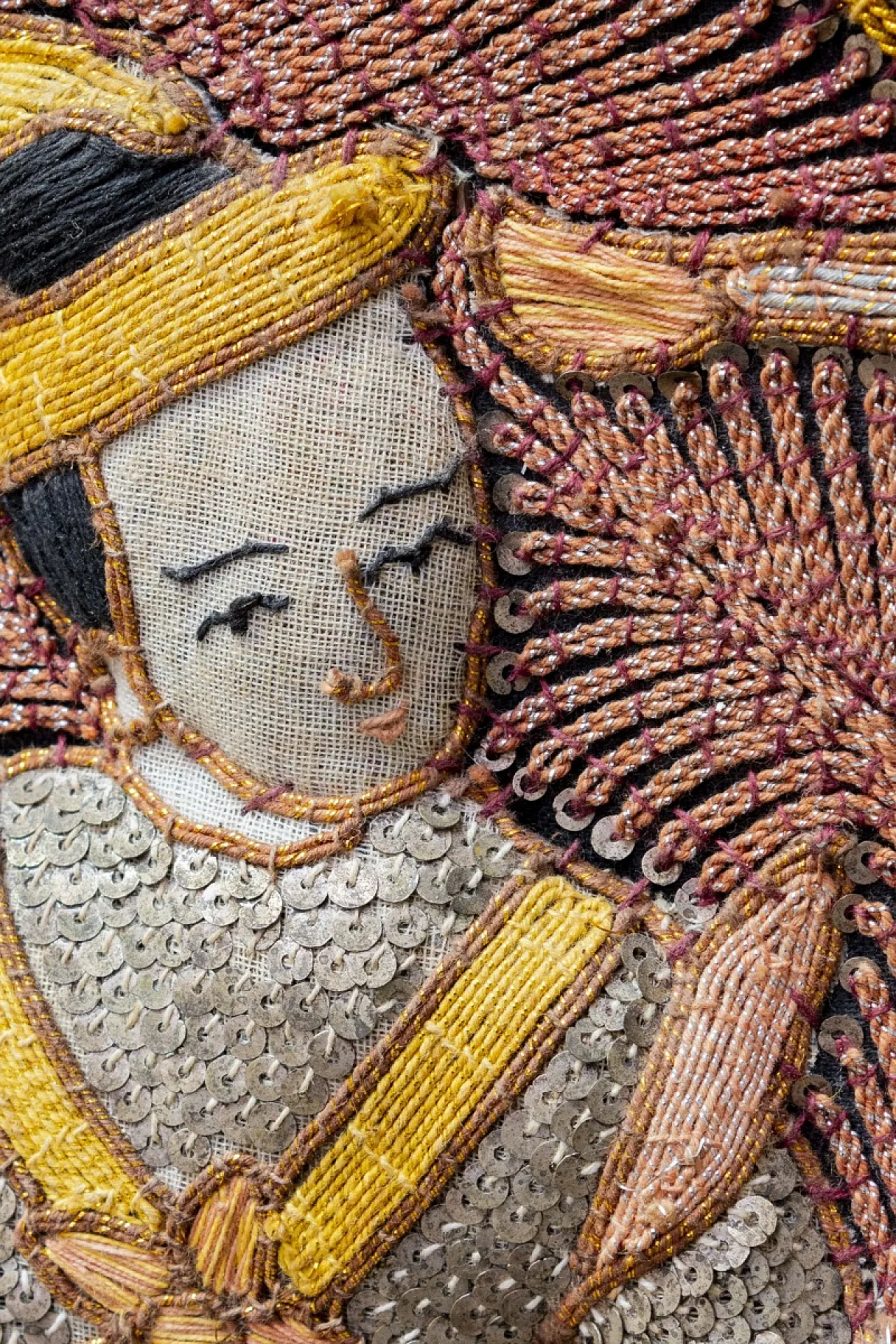
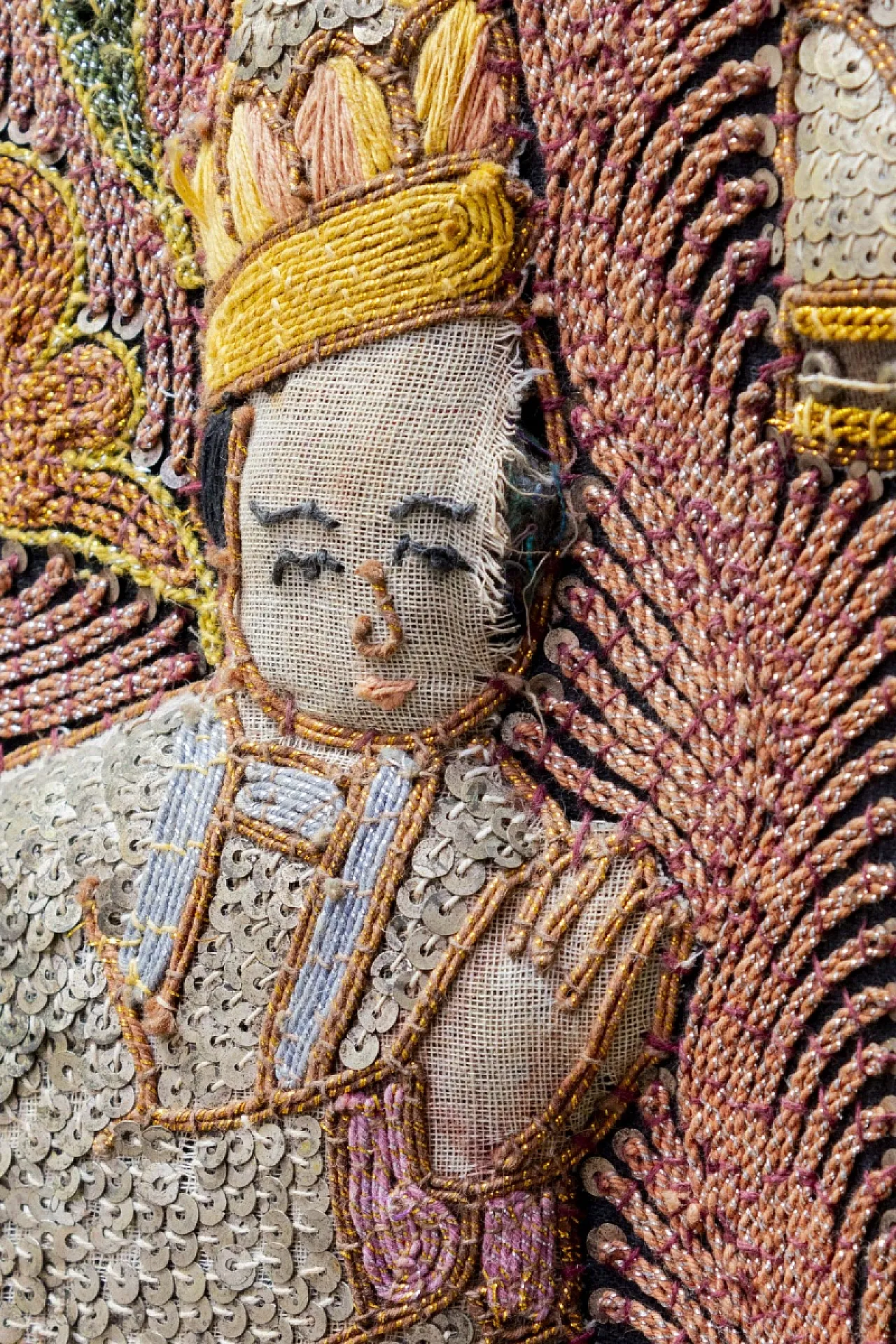
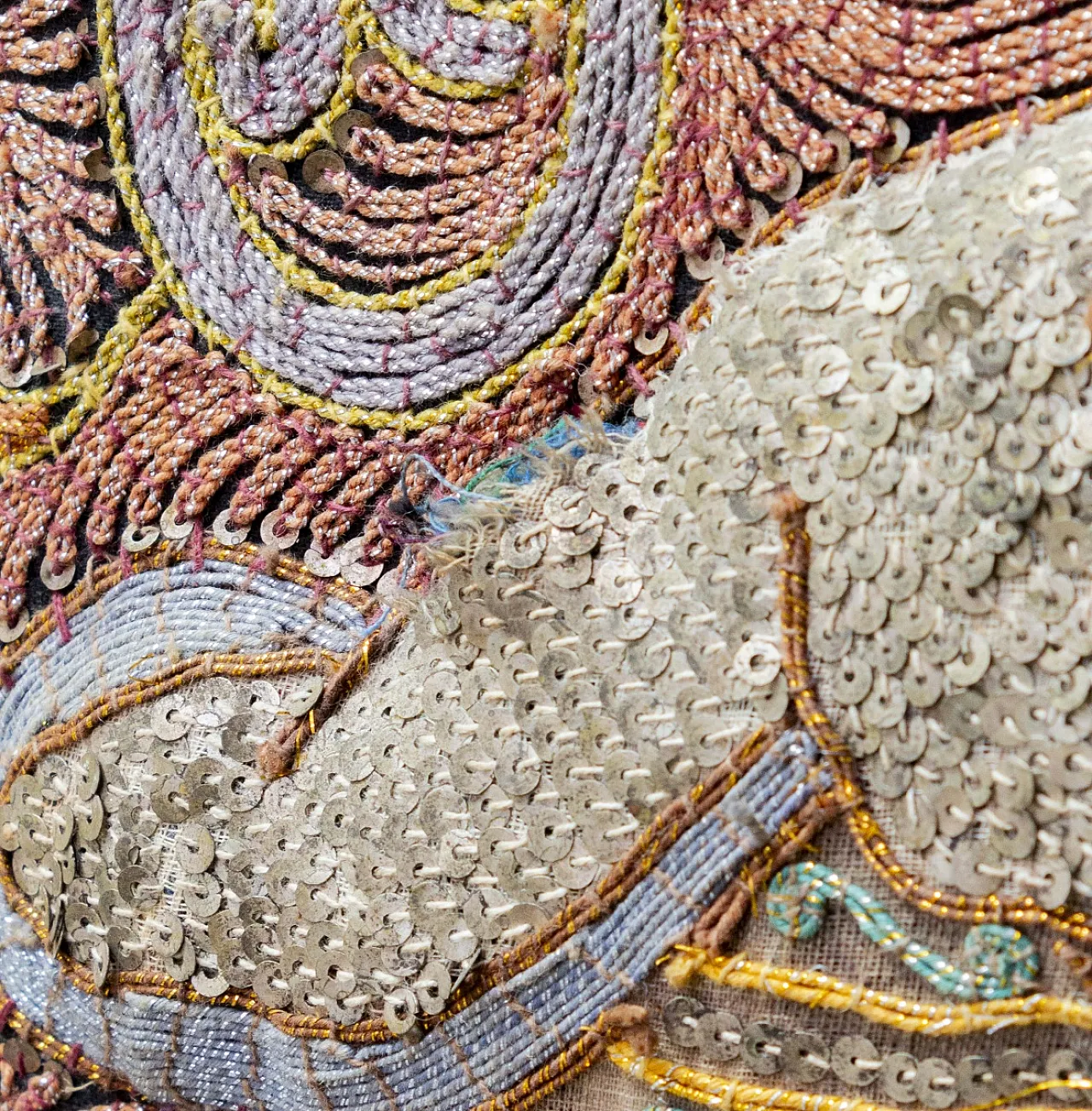
The large artefact (231 cm x 148 cm) features a rich manual workmanship of embroidery and appliqué, beads, sequins and fabric cords, typical of this artisanal tradition
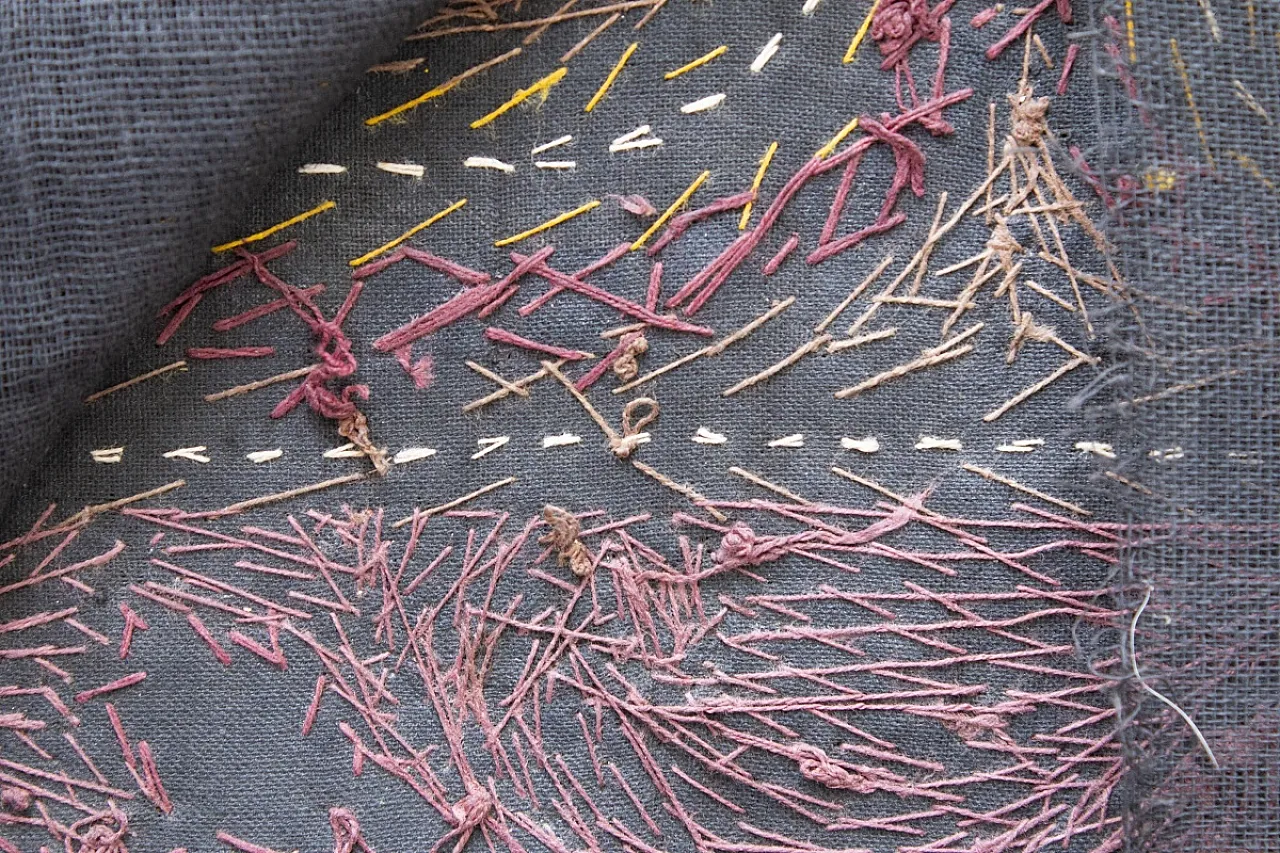
Kalaga has its roots in Burmese court art, particularly from the Konbaung dynasty (19th century), where it was used for the decoration of fine interiors, such as palaces and monasteries. The combined use of different textile techniques gives the Kalaga a distinctive appearance. In particular the Relief technique: The main figures, including the elephants and riders, were padded and sewn in appliqué to create a marked three-dimensional effect on the surface of the base fabric
The central scene depicts a royal procession, court scene, or battle, with richly decorated elephant figures and figures. The single elephant motif that forms the perimeter edge is a common iconographic element symbolizing royalty and power
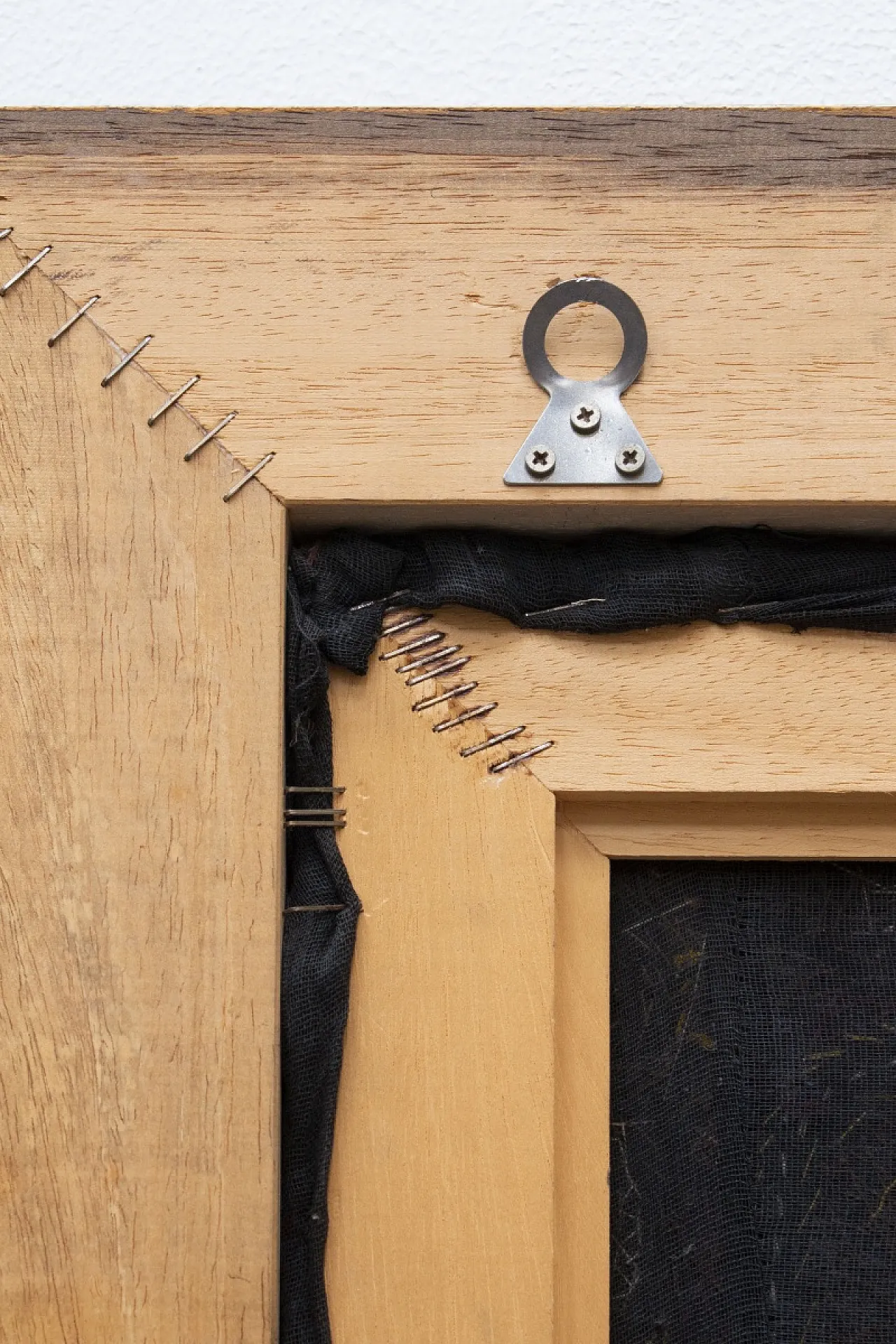
The tapestry is in excellent condition. Ready to hang. It has some slight marks on the decorations, which are very difficult to notice


.png)
 SILVER Seller in Milano, Italia