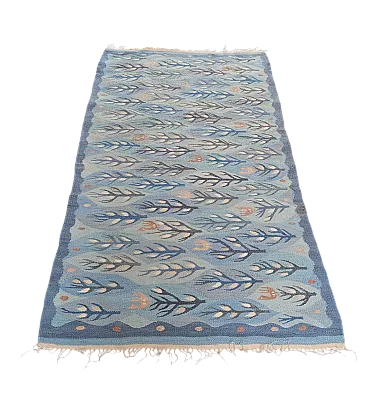
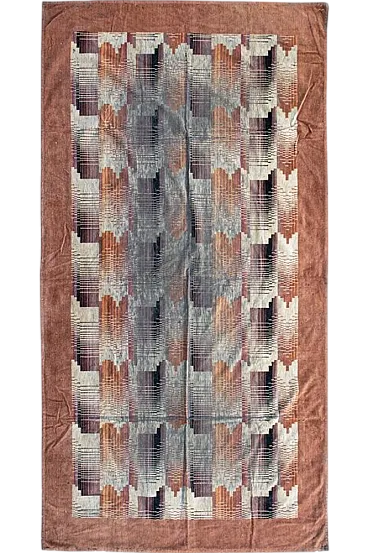
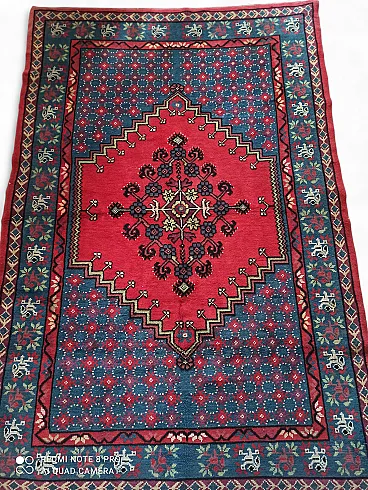
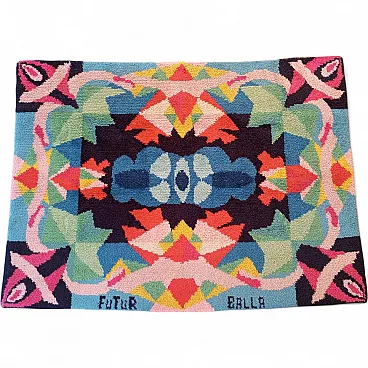
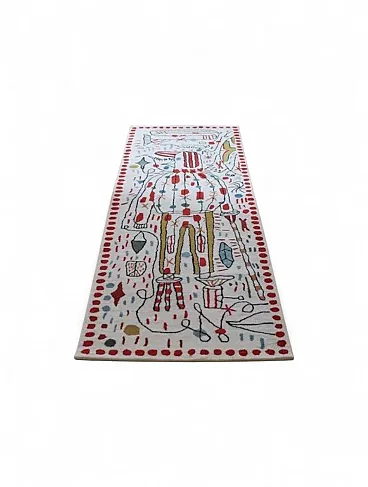
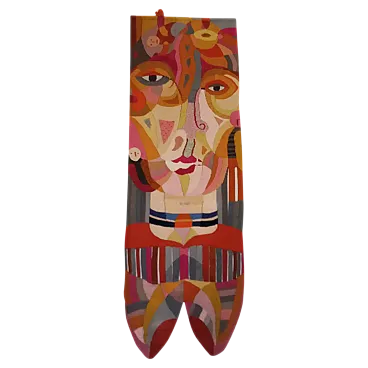
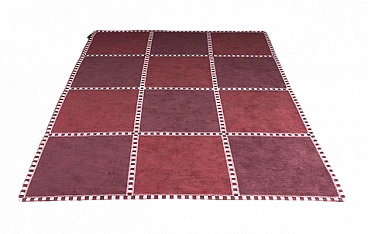
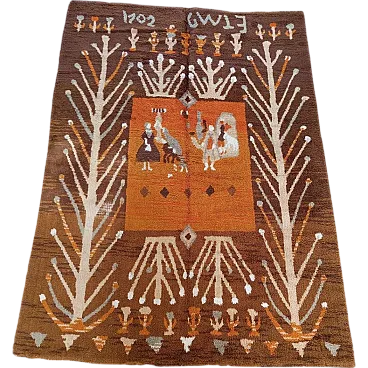
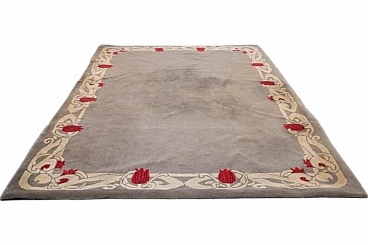
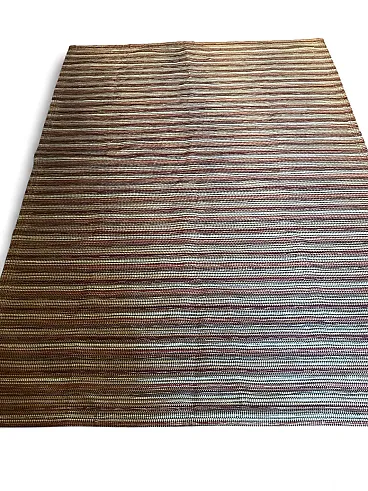
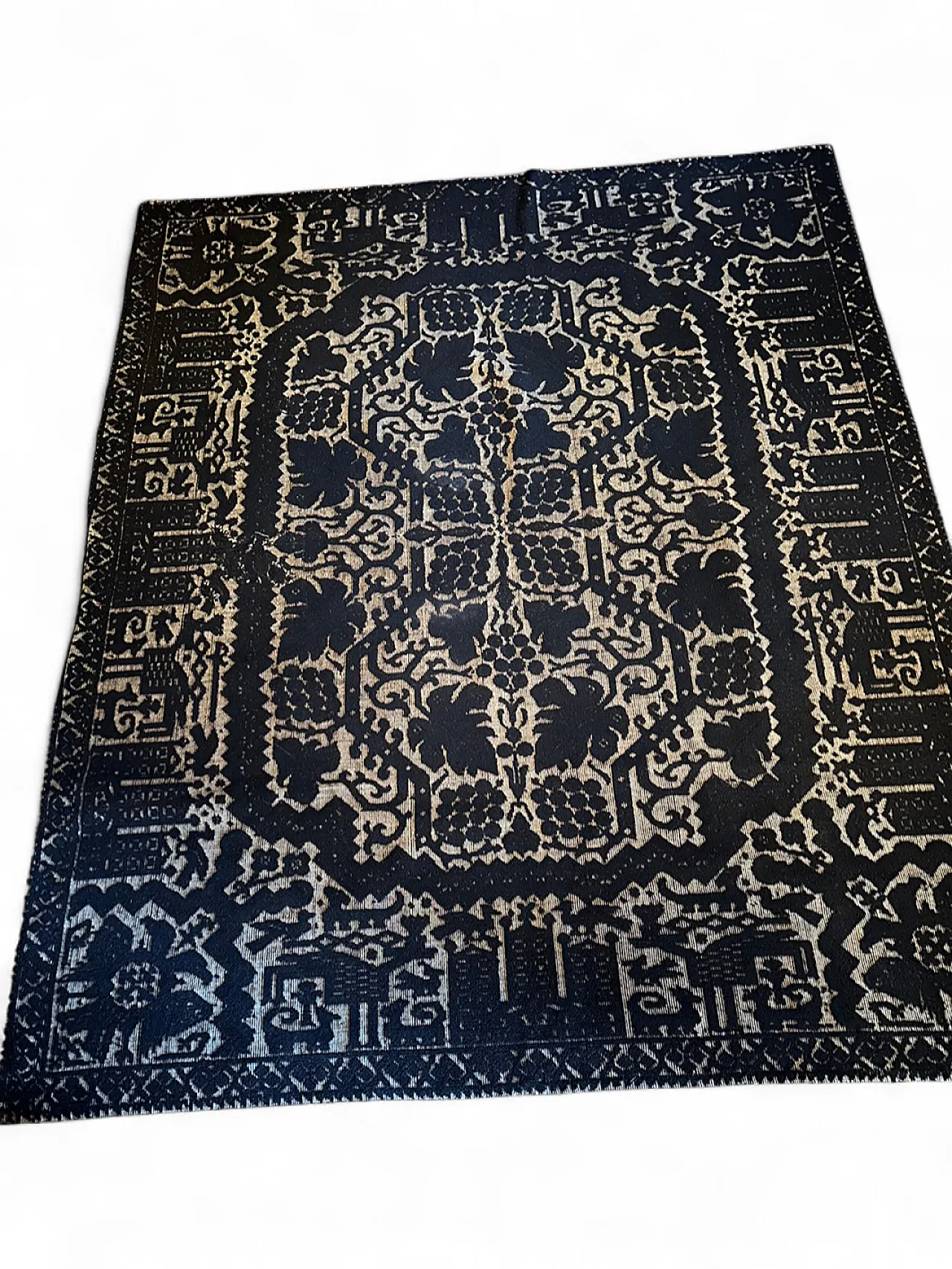
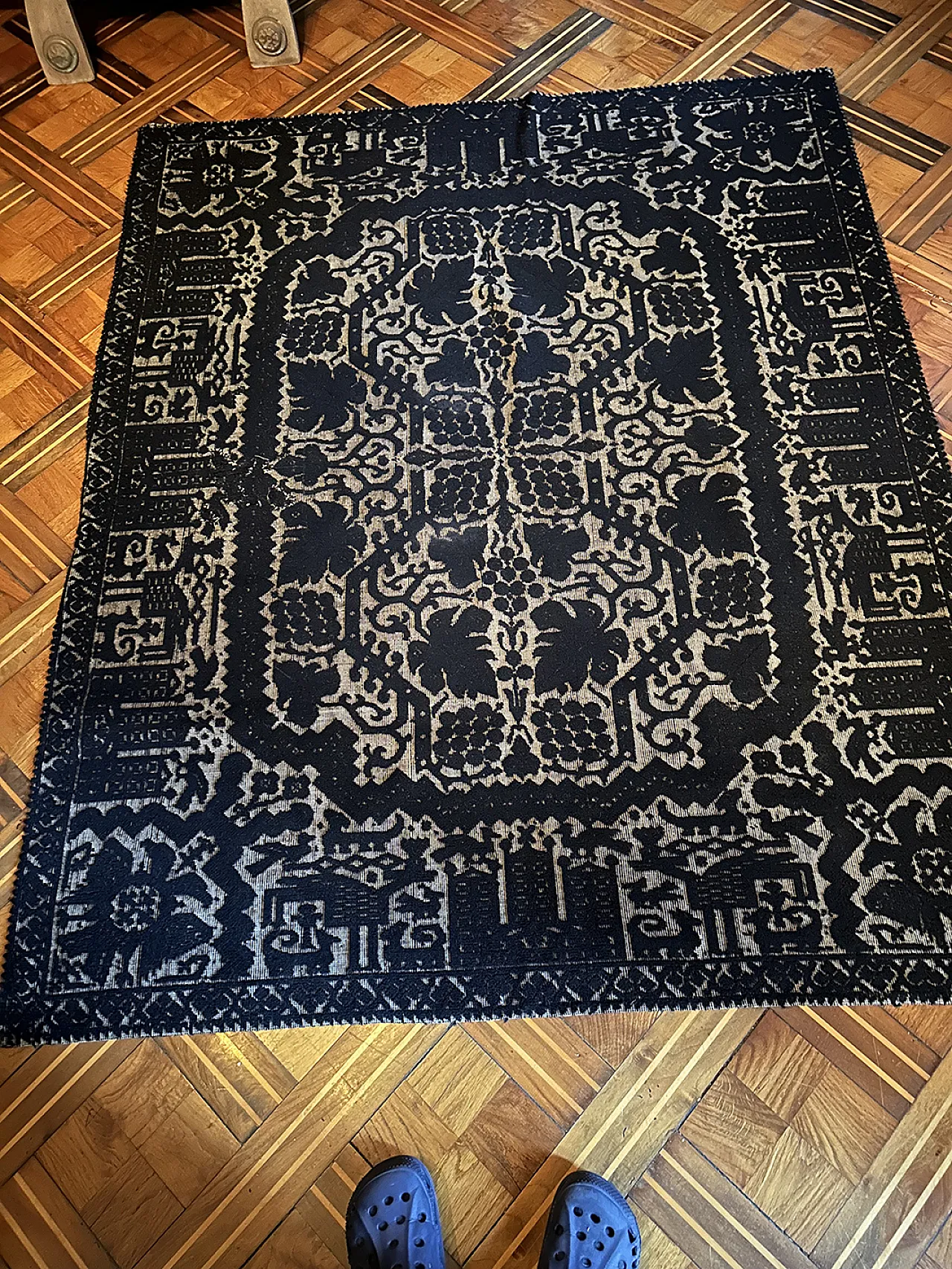
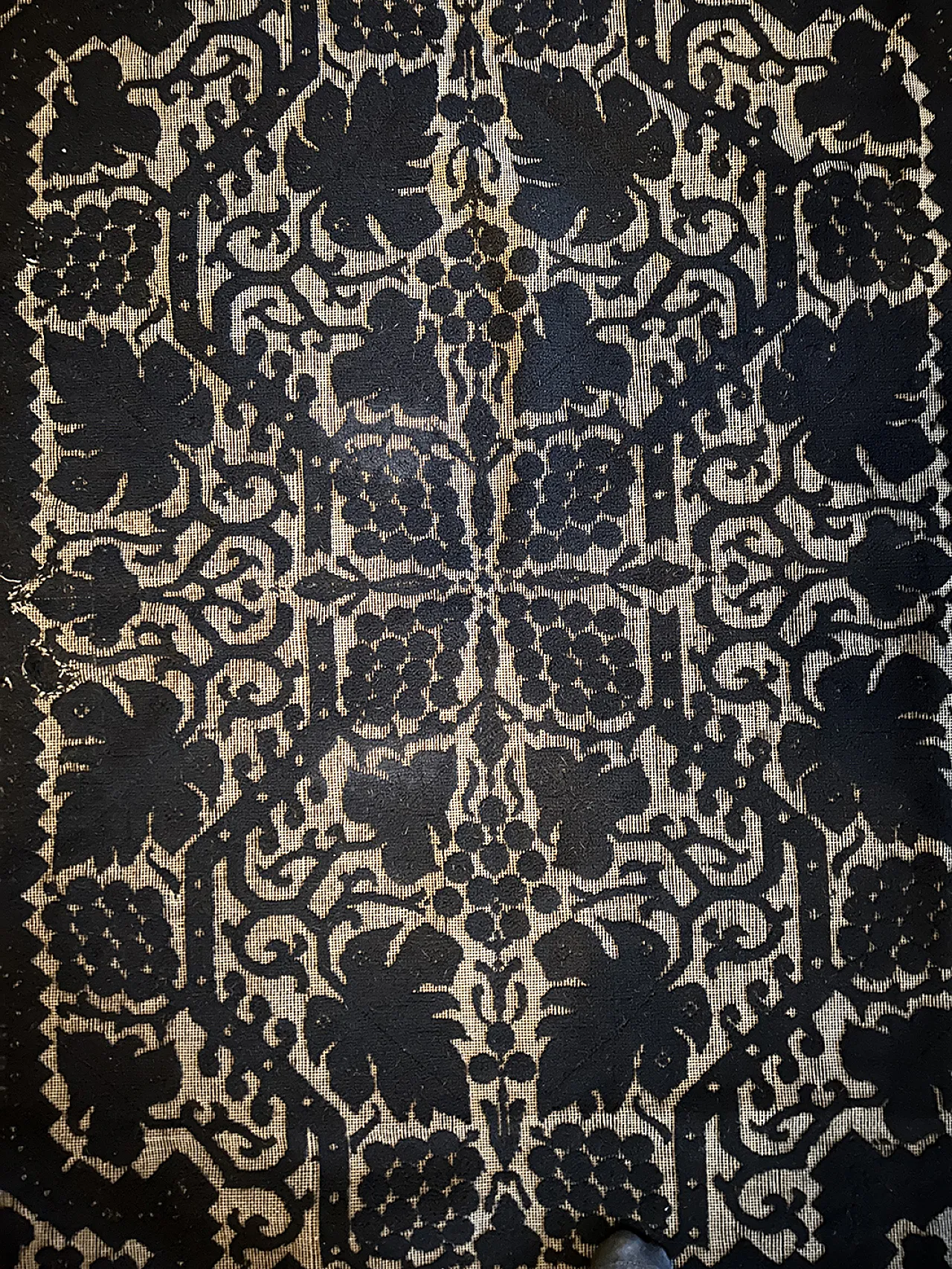
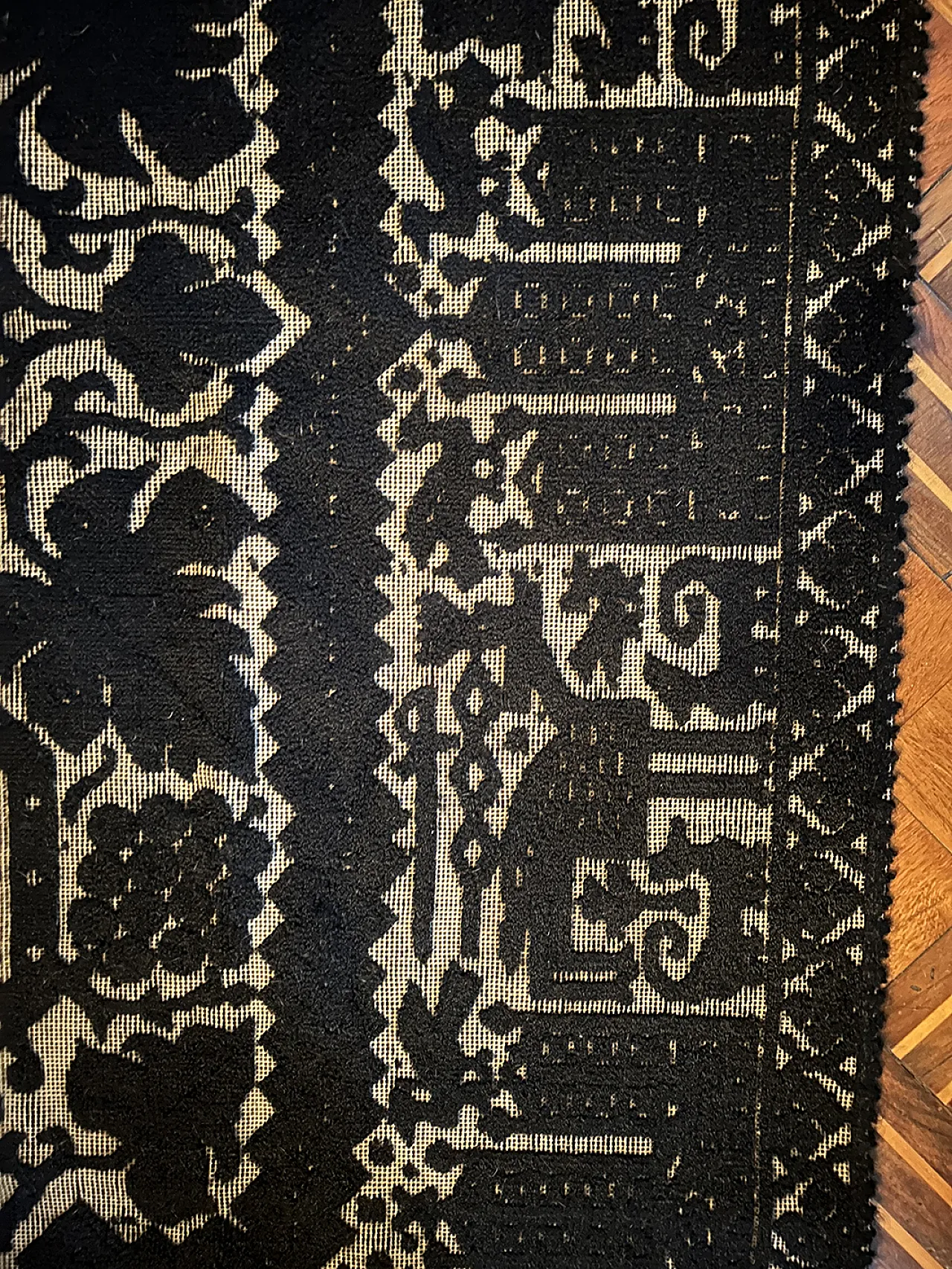
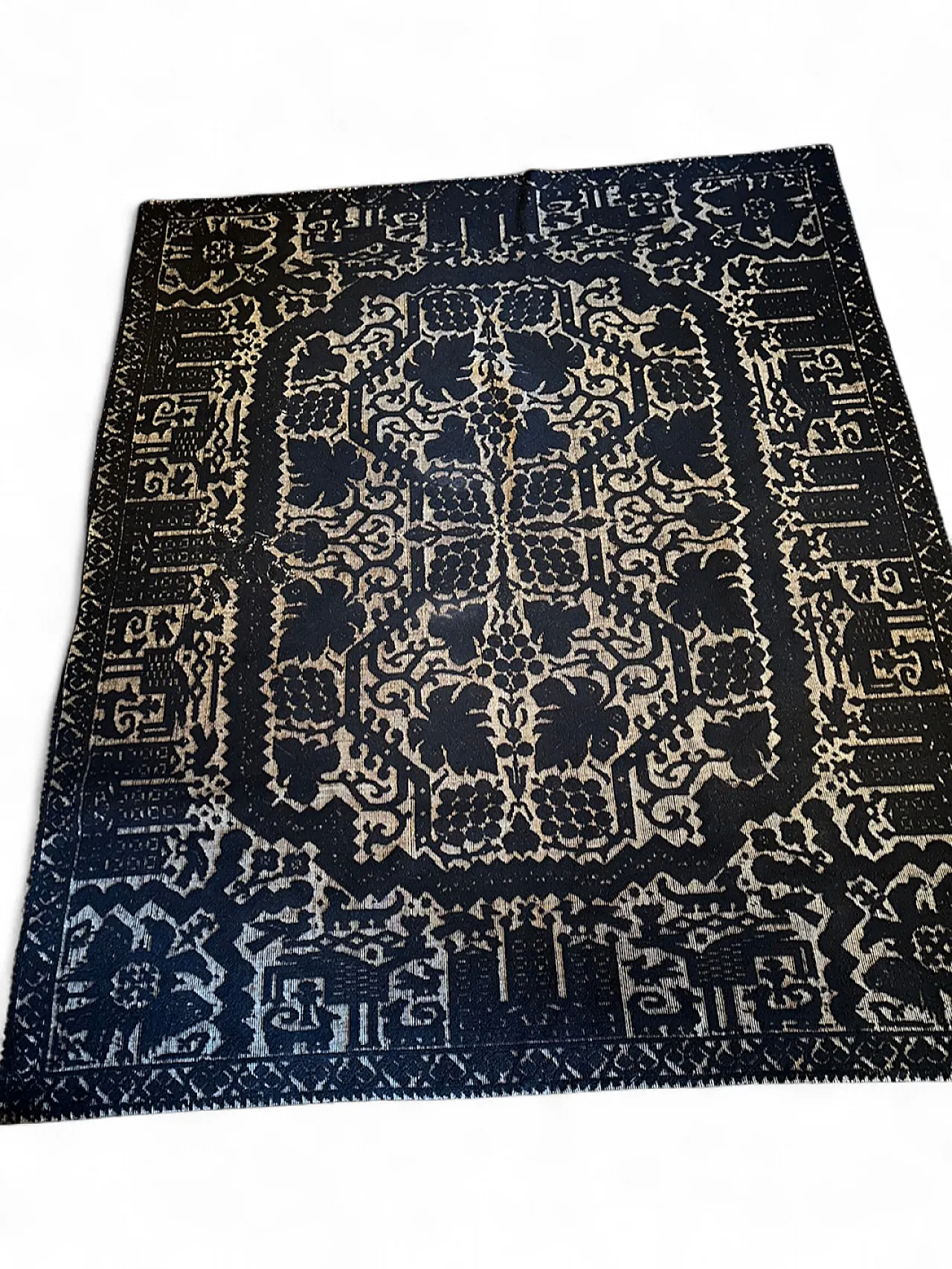
pibiones processing, a traditional grain weaving technique typical of Sardinia. The word pibione means grape, brought to mind by the small pegs that protrude from the surface and form a pattern on the fabric. The technique is very particular: on a background canvas another thread, called tramone, is woven, thicker than the base and made to enter the filaments with the hands. Through these joints the design is defined which mainly decorates bedspreads, called fanugas, but also cushions, tablecloths, carpets and curtains.
History and Origins of Pibiones
The pibiones technique, characteristic of Sardinian fabric, has deep roots that are intertwined with the history of the island itself. Originally developed to create sturdy, decorative fabrics, this technique has evolved into a symbol of cultural identity and resistance.
How can an ancient textile method reflect the history of a people?
Over the centuries, pibiones have been used to create not only clothing but also precious furnishings for homes, becoming witnesses of local traditions and ceremonies. Every motif, every color and every knot tell a part of the daily life and beliefs of the Sardinian community.
The connection with the territory
Wool, the main raw material for the creation of pibiones, comes from the sheep that graze in the pristine vastness of the island. This direct link with the territory not only guarantees a high quality material, but also strengthens the identity of each fabric produced.
The Pibiones Technique
Making pibiones requires precision and dedication. The process begins with the preparation of the yarns, followed by weaving on traditional looms which allow the characteristic reliefs to be created.
The term "pibione" derives from Sardinian and means "grape", referring to the round and raised shape of the woven stitches. These stitches are created by adding additional threads during weaving, which are then pulled to form the relief.
Variations and styles
There are different variations in the pibiones technique, each with its own peculiarities that adapt to different uses and aesthetics. From bedspreads to carpets, from curtains to fashion accessories, the versatility of pibiones allows for a wide range of applications.
Symbolism and Meanings
Each motif created with the pibiones technique has a meaning. Traditional symbols such as the cuile (shepherd's hut), the eye (protection), or the olive branch (peace) are frequently represented, enriching each piece with a profound narrative dimension.
These symbols are not only decorative but are full of a story that speaks of life, work and spirituality, fundamental elements of Sardinian culture



.png)
 SILVER Seller in Torino, Italy